


Discover the powerful advantages of tenofovir/lamivudine/dolutegravir (TDF/3TC/DTG) in HIV treatment. Evidence-based comparison reveals superior viral suppression, reduced resistance, and life-changing outcomes for patients worldwide.
Introduction
The landscape of HIV treatment has undergone remarkable transformation over the past decade, with antiretroviral therapy (ART) evolving from complex multi-pill regimens to streamlined, highly effective combinations. Among these advances, the combination of tenofovir/lamivudine/dolutegravir has emerged as a game-changing treatment protocol that offers superior outcomes for people living with HIV.
This comprehensive comparative assessment examines why this three-drug combination has become the World Health Organization’s preferred first-line treatment and how it outperforms traditional regimens in critical measures of efficacy, safety, and patient adherence.
Understanding the Components: A Powerful Triple Combination
The tenofovir/lamivudine/dolutegravir regimen combines three antiretroviral medications that work synergistically to suppress HIV replication. Tenofovir disoproxil fumarate (TDF) and lamivudine (3TC) serve as nucleoside reverse transcriptase inhibitors (NRTIs), blocking the virus’s ability to replicate its genetic material. Dolutegravir (DTG), an integrase strand transfer inhibitor (INSTI), prevents HIV from integrating its genetic code into human DNA.
This strategic combination attacks HIV at multiple points in its replication cycle, creating a formidable barrier against viral resistance while maintaining an excellent safety profile that has revolutionized treatment approaches globally.
How These Medications Work Together

When HIV enters a human cell, it must complete several steps to reproduce successfully. The NRTI components, tenofovir and lamivudine interfere with reverse transcriptase, an enzyme HIV needs to convert its RNA into DNA. Without functional reverse transcriptase, the virus cannot create the DNA copies necessary for replication.
Dolutegravir operates at a different stage entirely. After HIV creates its DNA copy, it must insert this genetic material into the host cell’s chromosomes using an enzyme called integrase. Dolutegravir blocks this integration process with remarkable efficiency, providing a second line of defense that significantly reduces the likelihood of treatment failure.
Superior Viral Suppression
Multiple clinical trials have demonstrated that tenofovir/lamivudine/dolutegravir achieves viral suppression rates exceeding 90% at 48 weeks, significantly outperforming older regimens based on efavirenz or protease inhibitors. The SINGLE study, a landmark randomized controlled trial, showed that DTG-based regimens achieved virological suppression in 88% of treatment-naïve patients compared to 81% with efavirenz-based treatment.
More impressive still, the ADVANCE trial conducted across sub-Saharan Africa revealed that the TDF/3TC/DTG combination achieved 84% viral suppression at 96 weeks, with patients experiencing faster time to viral suppression compared to alternative regimens. These statistics translate to real-world benefits: fewer hospitalizations, reduced transmission risk, and improved long-term health outcomes for people living with HIV.
The speed of viral suppression matters enormously. Patients on tenofovir/lamivudine/dolutegravir typically achieve undetectable viral loads within 12-24 weeks, compared to 24-48 weeks with older regimens. This rapid suppression reduces the window during which HIV can develop resistance mutations and decreases the period when patients remain infectious to partners.
Resistance Barriers: A Critical Advantage
One of the most compelling advantages of the TDF/3TC/DTG combination lies in its high genetic barrier to resistance. Dolutegravir requires multiple simultaneous mutations for HIV to develop resistance, a scenario that occurs extremely rarely when patients maintain good adherence to their medication schedule.
Traditional non-nucleoside reverse transcriptase inhibitors (NNRTIs) like efavirenz can lose effectiveness with a single point mutation in the HIV genome. This fragility has led to widespread transmitted drug resistance in some regions, compromising treatment options before patients even begin therapy. In contrast, integrase inhibitor-based regimens maintain effectiveness even in populations with high baseline NNRTI resistance.
Studies from regions with high rates of transmitted drug resistance have shown that dolutegravir-based regimens maintain their efficacy regardless of baseline resistance patterns to NRTIs or NNRTIs. This resilience makes TDF/3TC/DTG an ideal first-line option in settings where resistance testing may be unavailable or where patients have unknown exposure to HIV medications through previous failed treatments.
Transforming Patient Experience
Beyond efficacy, the safety and tolerability of antiretroviral therapy profoundly impact patient quality of life and treatment adherence. The tenofovir/lamivudine/dolutegravir combination demonstrates a remarkably favorable safety profile compared to older HIV treatments.
Neuropsychiatric Effects
Early concerns about dolutegravir potentially causing neuropsychiatric side effects including insomnia, depression, or anxiety have been carefully studied. While approximately 5-10% of patients report sleep disturbances or mood changes, these effects are generally mild and often resolve within the first few weeks of treatment. Importantly, the incidence of severe neuropsychiatric adverse events remains lower than with efavirenz, which frequently causes vivid dreams, dizziness, and cognitive impairment.
Metabolic and Cardiovascular Considerations
Weight gain has emerged as a notable consideration with integrase inhibitor therapy, including dolutegravir. Studies indicate that patients starting on DTG-based regimens may experience modest weight increases, particularly in the first year of treatment. However, this weight gain appears to represent a return to normal body composition after HIV-related wasting rather than pathological weight gain in most cases.
The tenofovir component provides some cardiovascular protection, as TDF has not been associated with lipid abnormalities common with protease inhibitors. This makes the TDF/3TC/DTG combination particularly suitable for patients with cardiovascular risk factors or metabolic syndrome.
Renal and Bone Considerations
Tenofovir disoproxil fumarate can affect kidney function and bone mineral density in some patients, particularly those with pre-existing renal impairment or risk factors for bone disease. Regular monitoring of kidney function through serum creatinine and estimated glomerular filtration rate (eGFR) helps identify patients who might benefit from switching to tenofovir alafenamide (TAF), a newer formulation with improved renal and bone safety.
Despite these considerations, the overall safety profile of TDF/3TC/DTG remains excellent, with discontinuation rates due to adverse events consistently lower than 5% in major clinical trials, it is dramatically better than older regimens.
Single-Tablet Regimens
The availability of tenofovir/lamivudine/dolutegravir as a single-tablet, once-daily regimen represents a breakthrough in treatment adherence. Previously, HIV patients might take multiple pills several times daily, creating complexity that often led to missed doses and treatment failure.
Studies consistently demonstrate that simpler regimens improve adherence rates. The psychological and practical benefits of taking one pill once daily cannot be overstated, patients report feeling “less sick,” experiencing reduced stigma when taking medications in social situations, and finding it easier to maintain consistent dosing schedules despite busy lifestyles or travel.
For healthcare systems in resource-limited settings, single-tablet regimens simplify inventory management, reduce pill burden, and make community-based treatment distribution more feasible. These operational advantages have accelerated the global scale-up of effective HIV treatment, particularly in sub-Saharan Africa where the HIV burden remains highest.
Cost-Effectiveness: Making Life-Saving Treatment Accessible
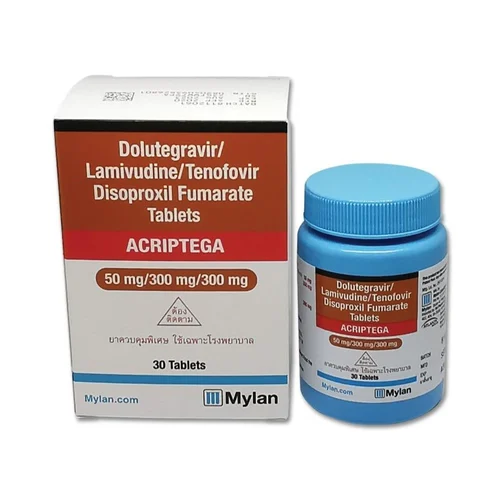
The economic advantages of tenofovir/lamivudine/dolutegravir extend beyond individual patient outcomes to healthcare system sustainability. Generic versions of this combination have become available at prices below $75 per patient per year in many low- and middle-income countries, making it one of the most cost-effective pharmaceutical interventions in global health.
Compared to protease inhibitor-based second-line regimens, which can cost several times more even in generic formulations, the TDF/3TC/DTG combination delivers superior outcomes at a fraction of the price. This cost-effectiveness has enabled countries to expand treatment access dramatically, moving closer to the UNAIDS target of diagnosing and treating 95% of people living with HIV.
The economic case strengthens when considering downstream savings. Better viral suppression reduces HIV transmission, preventing new infections that would require lifelong treatment. Fewer treatment failures mean fewer patients need to switch to more expensive second- or third-line regimens. Reduced hospitalizations for opportunistic infections and HIV-related complications translate to substantial healthcare savings.
Special Populations: Tailoring Treatment Approaches
While TDF/3TC/DTG serves as an excellent first-line option for most patients, certain populations require special consideration to optimize outcomes.
Pregnancy and Reproductive Considerations
Initial concerns about neural tube defects associated with dolutegravir use at conception led to temporary restrictions on DTG use in women of childbearing potential. However, subsequent large-scale studies, including the Tsepamo study in Botswana with over 426,000 births, found that the actual risk was much lower than initially feared with approximately 0.3% compared to 0.1% in unexposed pregnancies.
Current WHO guidelines now recommend dolutegravir for all populations, including women of childbearing potential, with appropriate counseling about the small increased risk and the importance of effective contraception or folic acid supplementation for those planning pregnancy. The benefits of superior viral suppression and reduced mother-to-child transmission risk generally outweigh the minimal incremental risk of neural tube defects.
Pediatric and Adolescent Patients
Pediatric formulations of dolutegravir have expanded treatment options for children living with HIV. Dispersible tablets allow for weight-based dosing in young children, while fixed-dose combinations of TDF/3TC/DTG are appropriate for adolescents and children weighing at least 25 kilograms.
The improved tolerability and once-daily dosing of DTG-based regimens prove particularly valuable in adolescent populations, where adherence challenges are common and stigma around HIV remains a significant barrier to successful treatment.
Patients with Comorbidities
Individuals with tuberculosis co-infection require special attention when initiating dolutegravir, as rifampicin which is a key tuberculosis medication that helps reduces dolutegravir levels. In these cases, increasing the dolutegravir dose to 50mg twice daily maintains effective drug levels, allowing patients to receive optimal treatment for both conditions simultaneously.
For patients with hepatitis B co-infection, the tenofovir and lamivudine components provide dual benefit by treating both HIV and hepatitis B simultaneously. This dual activity makes TDF/3TC/DTG an ideal choice for co-infected individuals, simplifying treatment regimens and reducing pill burden.
Comparing with Alternative Regimens: A Detailed Analysis
To fully appreciate the advantages of tenofovir/lamivudine/dolutegravir, examining how it compares to specific alternative regimens provides valuable context.
TDF/3TC/DTG versus TDF/3TC/EFV
The efavirenz-based regimen (TDF/3TC/EFV) served as the WHO-recommended first-line treatment for many years before dolutegravir became widely available. While effective, efavirenz carries substantial disadvantages:
- Neuropsychiatric toxicity: Efavirenz causes significant psychiatric side effects in 20-40% of patients, including vivid dreams, depression, suicidal ideation, and cognitive impairment
- Lower viral suppression rates: Clinical trials consistently show 5-10% lower rates of viral suppression compared to dolutegravir-based regimens
- Resistance development: The low genetic barrier to resistance means a single mutation can compromise efficacy
- Drug interactions: Efavirenz induces hepatic enzymes, creating numerous drug-drug interactions with medications for comorbidities
The switch from efavirenz to dolutegravir-based first-line therapy represents one of the most impactful policy changes in HIV treatment history, improving outcomes while reducing side effects and costs.
TDF/3TC/DTG versus TAF/FTC/BIC
Newer integrase inhibitor combinations include tenofovir alafenamide/emtricitabine/bictegravir (TAF/FTC/BIC). While bictegravir demonstrates efficacy comparable to dolutegravir with potentially fewer neuropsychiatric effects, several factors favor TDF/3TC/DTG:
- Cost: Generic TDF/3TC/DTG costs a fraction of branded TAF/FTC/BIC, making it accessible in resource-limited settings
- Hepatitis B treatment: TAF may be less effective than TDF for hepatitis B suppression in co-infected patients
- Longer track record: More extensive real-world experience with dolutegravir provides greater confidence in long-term safety
For patients who experience significant side effects with TDF or have renal concerns, TAF-based regimens offer valuable alternatives, demonstrating that the evolving HIV treatment landscape continues to expand options.
TDF/3TC/DTG versus Protease Inhibitor Regimens
Protease inhibitors like atazanavir, darunavir, or lopinavir served as backbone treatments for many years and remain important second-line options. However, compared to TDF/3TC/DTG, protease inhibitor regimens have notable limitations:
- Pill burden: Most require multiple pills or boosting agents
- Gastrointestinal side effects: Diarrhea and nausea are common
- Metabolic complications: Lipid abnormalities and insulin resistance occur more frequently
- Drug interactions: Significant interactions with common medications complicate treatment
- Food requirements: Many require specific timing with meals
The superior tolerability, convenience, and efficacy of TDF/3TC/DTG have relegated protease inhibitors primarily to second-line use after integrase inhibitor failure.
Real-World Implementation: Success Stories and Challenges

The transition to dolutegravir-based regimens has produced remarkable results globally. Countries that have implemented TDF/3TC/DTG as first-line therapy report increased rates of viral suppression at the population level, improved retention in care, and reduced loss to follow-up.
In South Africa, the world’s largest HIV treatment program, the shift to DTG-based regimens has coincided with improved virological outcomes and streamlined service delivery. Healthcare providers report that patients prefer the once-daily, single-tablet regimen and experience fewer troublesome side effects than with previous treatments.
However, implementation challenges persist. Some countries face supply chain constraints ensuring consistent availability of TDF/3TC/DTG. Healthcare worker training on new regimens, patient education about expected effects, and monitoring protocols require ongoing investment. Additionally, ensuring that pregnant women receive appropriate counseling and care represents an important implementation consideration.
Frequently Asked Questions
What should I expect when starting TDF/3TC/DTG?
Most patients tolerate the initiation of tenofovir/lamivudine/dolutegravir extremely well. You may experience mild nausea, headache, or fatigue during the first few weeks as your body adjusts to the medication. These symptoms typically resolve quickly. Some patients notice mild sleep disturbances or changes in dreaming patterns, which often improve within the first month. Your healthcare provider will monitor your kidney function and viral load regularly to ensure the treatment is working effectively.
Can I take TDF/3TC/DTG with other medications?
The combination generally has fewer drug interactions than older HIV regimens. However, important interactions exist with antacids, calcium supplements, iron supplements, and certain medications for epilepsy or tuberculosis. Always inform your healthcare provider and pharmacist about all medications, supplements, and herbal products you take. Antacids containing magnesium or aluminum should be taken at least two hours before or six hours after dolutegravir to avoid reducing absorption.
Will this treatment cure my HIV?
While tenofovir/lamivudine/dolutegravir is highly effective at suppressing HIV to undetectable levels, it does not cure HIV infection. The virus remains in reservoir cells throughout the body, and stopping treatment allows viral replication to resume. However, achieving and maintaining an undetectable viral load has tremendous benefits: it prevents disease progression, allows normal life expectancy, and prevents sexual transmission to partners (undetectable equals untransmittable or U=U).
How long will I need to take this medication?
HIV treatment is lifelong with currently available therapies. Consistent daily adherence ensures ongoing viral suppression, immune system health, and prevention of transmission. Research into HIV cure strategies continues, but until curative approaches become available, maintaining uninterrupted treatment remains essential for optimal health outcomes.
What happens if I miss a dose?
If you remember within 12 hours of your scheduled time, take the missed dose immediately and continue your regular schedule. If more than 12 hours have passed, skip the missed dose and take your next dose at the regular time—never double up doses. Occasional missed doses are unlikely to cause immediate problems, but consistent adherence maximizes viral suppression and minimizes resistance risk. Setting daily alarms or using medication reminder apps can help maintain consistent dosing.
Are there any dietary restrictions with this treatment?
One of the advantages of tenofovir/lamivudine/dolutegravir is that it can be taken with or without food, providing flexibility for different lifestyles and schedules. However, maintaining a balanced diet supports overall health, immune function, and helps manage potential weight changes that may occur during treatment. Avoid excessive alcohol consumption, which can affect liver function and medication metabolism.
When will my viral load become undetectable?
Most patients achieve undetectable viral loads within 12 to 24 weeks of starting TDF/3TC/DTG, often faster than with older regimens. Your healthcare provider will check your viral load at regular intervals, typically at 4 weeks, 12 weeks, 24 weeks, and then every 3-6 months once stable suppression is achieved. The speed of viral suppression depends on your baseline viral load, immune function, and adherence to the treatment regimen.
Monitoring and Long-Term Management
Successful long-term HIV management with tenofovir/lamivudine/dolutegravir requires regular monitoring and ongoing healthcare engagement. Standard monitoring includes:
- Viral load testing: Every 3-6 months once stable suppression is achieved
- CD4 count monitoring: Initially every 3-6 months, less frequently once counts normalize
- Kidney function tests: Monitoring serum creatinine and eGFR every 6-12 months or more frequently for patients with risk factors
- Bone density assessment: Consider baseline DEXA scan for patients with osteoporosis risk factors
- Screening for comorbidities: Regular assessment for cardiovascular disease, diabetes, hypertension, and mental health conditions
Proactive monitoring allows early detection of potential complications and enables timely interventions to maintain optimal health outcomes throughout lifelong HIV treatment.
The Future of HIV Treatment: Building on Success
The success of tenofovir/lamivudine/dolutegravir has established integrase inhibitors as the foundation of modern HIV treatment. Ongoing research explores even more advanced approaches, including:
- Long-acting injectable antiretrovirals: Cabotegravir and rilpivirine injections every 2 months eliminate daily pills for selected patients
- Ultra-long-acting formulations: Research into 6-month or yearly injectable regimens continues
- Two-drug regimens: Simplified combinations like dolutegravir/lamivudine show promise for maintaining viral suppression with reduced medication exposure
- Broadly neutralizing antibodies: Investigational approaches using antibodies that target multiple HIV variants
- Cure research: Studies into immune-based strategies, gene therapy, and reservoir elimination continue advancing
These innovations build upon the strong foundation established by effective, tolerable, and affordable regimens like TDF/3TC/DTG, continually improving options for people living with HIV.
Conclusion: A New Standard in HIV Care
The comparative assessment clearly demonstrates that tenofovir/lamivudine/dolutegravir represents a transformative advance in HIV treatment. Its combination of superior viral suppression, high genetic barrier to resistance, excellent tolerability, convenient once-daily dosing, and remarkable cost-effectiveness has rightfully established it as the preferred first-line regimen globally.
For the 39 million people living with HIV worldwide, the availability of this powerful treatment combination offers hope for normal life expectancy, excellent quality of life, and the ability to protect sexual partners through achieving undetectable viral loads. Healthcare providers now have access to a treatment that simplifies clinical management while maximizing patient outcomes.
As global efforts continue toward ending the HIV epidemic, tenofovir/lamivudine/dolutegravir stands as a cornerstone of the public health response, proving that scientific innovation combined with commitment to access can transform even the most challenging health crises into manageable chronic conditions.
The revolution in HIV treatment that TDF/3TC/DTG represents extends beyond clinical efficacy to encompass dignity, hope, and the promise of health equity for all people living with HIV. This is not merely an incremental improvement but a fundamental shift that will save millions of lives and bring us closer to achieving epidemic control.