
Discover the crucial toxicological assessment methods for cosmetics and skin products. Learn how safety testing protects consumers from hidden dangers in beauty products you use daily.
Introduction
The global cosmetics industry generates over $500 billion annually, with millions of consumers applying multiple skin enhancement products daily. However, beneath the glamorous marketing and promising results lies a critical question: Are these products truly safe? Understanding the toxicological assessment of cosmetics has never been more important as consumers become increasingly aware of what they put on their skin.
Understanding Toxicological Assessment in Cosmetics
Toxicological assessment represents the systematic evaluation of potential adverse effects that cosmetic ingredients and formulations may cause to human health. This scientific process examines how chemical compounds interact with biological systems, determining safe usage levels and identifying potential risks before products reach consumer hands.
The skin, being the body’s largest organ, serves as both a protective barrier and an absorption pathway. When cosmetic products are applied topically, their ingredients can penetrate various skin layers, potentially entering the bloodstream and affecting internal organs. This reality makes rigorous toxicological testing absolutely essential for consumer safety.
Modern toxicological assessment encompasses multiple evaluation methods, including in vitro testing (laboratory cell cultures), in silico modeling (computer simulations), and clinical human trials. Regulatory bodies worldwide mandate these assessments to prevent harmful products from entering the marketplace.
Critical Components of Cosmetic Safety Testing
Acute and Chronic Toxicity Evaluation
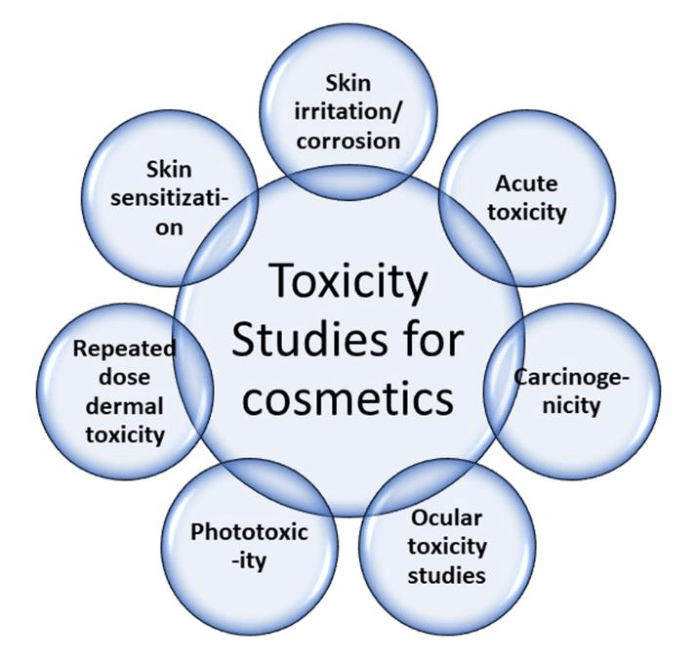
Acute toxicity testing evaluates immediate adverse reactions following single or short-term exposure to cosmetic ingredients. Scientists assess parameters such as skin irritation, eye irritation, and allergic contact dermatitis. These tests identify ingredients that cause instant inflammatory responses, redness, swelling, or burning sensations.
Chronic toxicity assessment examines long-term effects from repeated product use over extended periods. This evaluation proves particularly crucial for daily-use products like moisturizers, sunscreens, and anti-aging serums. Researchers monitor cumulative effects that might not manifest immediately but could develop into serious health concerns over months or years of continuous application.
Dermal Absorption and Penetration Studies
Understanding how deeply cosmetic ingredients penetrate skin layers determines their potential systemic exposure. Dermal absorption studies measure the quantity of substances passing through the stratum corneum, epidermis, and dermis. Factors affecting penetration include molecular weight, lipophilicity, vehicle formulation, and skin condition.
Products designed for damaged or compromised skin barriers require especially thorough absorption testing, as broken skin dramatically increases penetration rates. Enhanced absorption could elevate ingredient concentrations in bloodstream to potentially toxic levels, making this assessment component absolutely vital.
Sensitization and Allergenicity Testing
Allergic reactions to cosmetic products affect millions globally, ranging from mild contact dermatitis to severe anaphylactic responses. Sensitization testing identifies ingredients capable of triggering immune system reactions. Common allergens in cosmetics include fragrances, preservatives like parabens, and certain dyes.
The Local Lymph Node Assay (LLNA) and other alternative methods have replaced traditional animal testing in many jurisdictions, providing ethical yet scientifically robust data on allergenic potential. These modern approaches align with growing consumer demand for cruelty-free product development while maintaining rigorous safety standards.
Phototoxicity and Photoallergenicity Assessment
Many cosmetic ingredients become problematic only when exposed to ultraviolet radiation. Phototoxicity testing evaluates whether product application followed by sun exposure causes enhanced skin damage, inflammation, or cellular injury. Photoallergenicity assessment determines if UV activation triggers allergic immune responses.
This testing proves especially important for products containing citrus oils, certain fragrances, and chemical sunscreen ingredients. Without proper phototoxicity evaluation, consumers risk severe sunburn-like reactions, hyperpigmentation, or accelerated photoaging when using problematic products outdoors.
Regulatory Framework and Global Standards
The regulatory landscape for cosmetic toxicological assessment varies significantly across different regions, creating challenges for international brands and consumers alike.
United States FDA Regulations
In the United States, the Food and Drug Administration (FDA) oversees cosmetic safety under the Federal Food, Drug, and Cosmetic Act. Unlike pharmaceuticals, cosmetics don’t require pre-market approval, placing responsibility for safety testing primarily on manufacturers. However, the FDA maintains authority to take action against unsafe products and requires proper ingredient labeling.
The FDA’s Voluntary Cosmetic Registration Program encourages manufacturers to report ingredient usage and adverse events. While voluntary participation limits comprehensive oversight, the agency can inspect facilities and remove dangerous products from the market through regulatory enforcement.
European Union Cosmetics Regulation
The European Union maintains stricter cosmetic regulations through Regulation (EC) No 1223/2009, requiring comprehensive safety assessments before market entry. Companies must compile detailed Product Information Files containing toxicological data, manufacturing information, and safety evaluations conducted by qualified assessors.
The EU has also pioneered the prohibition of animal testing for cosmetic products and ingredients, implemented fully in 2013. This regulatory stance has driven innovation in alternative testing methodologies, influencing global industry practices toward more ethical assessment approaches.
International Harmonization Efforts
Organizations like the International Cooperation on Cosmetics Regulation (ICCR) work toward harmonizing safety assessment standards globally. These efforts aim to reduce redundant testing, facilitate international trade, and ensure consistent consumer protection regardless of geographic location.
Common Toxic Ingredients and Safety Concerns
Despite regulatory oversight, certain controversial ingredients continue generating debate within scientific communities and among consumer advocacy groups.
Heavy Metals and Metallic Compounds
Lead, mercury, arsenic, and cadmium contamination in cosmetics poses serious health risks, including neurotoxicity, kidney damage, and developmental problems. While intentional addition is prohibited in most jurisdictions, trace contamination from raw materials or manufacturing processes remains problematic.
Studies have detected concerning heavy metal levels in various cosmetic products, particularly in certain imported brands lacking rigorous quality control. Lipsticks, eye shadows, and skin-lightening creams show particular vulnerability to contamination issues.
Endocrine-Disrupting Chemicals
Parabens, phthalates, and triclosan represent ingredients suspected of interfering with hormonal systems. These endocrine disruptors may mimic estrogen or other hormones, potentially affecting reproductive health, development, and metabolic functions.
While regulatory agencies generally consider approved usage levels safe, emerging research continues investigating long-term, low-dose exposure effects. The precautionary principle drives many manufacturers toward reformulation using alternative preservatives and antimicrobials.
Carcinogenic and Mutagenic Substances
Formaldehyde-releasing preservatives, certain coal tar dyes, and 1,4-dioxane contamination raise cancer-related concerns. Carcinogenicity testing examines whether ingredients cause malignant tumor development, while mutagenicity assessment evaluates DNA damage potential.
The International Agency for Research on Cancer (IARC) classifies substances based on carcinogenic evidence. Cosmetic manufacturers increasingly avoid ingredients classified as probable or possible human carcinogens, responding to consumer demand for cleaner formulations.
Advanced Testing Methodologies
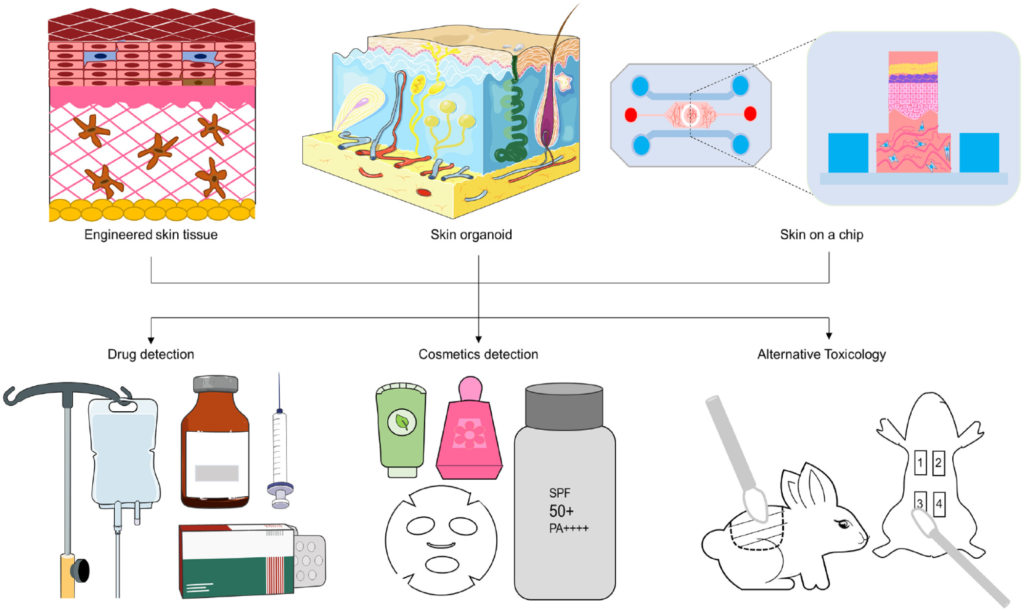
Modern toxicological assessment increasingly relies on sophisticated, animal-free testing approaches that provide reliable safety data while addressing ethical concerns.
In Vitro Testing Innovations
Three-dimensional reconstructed human skin models replicate natural tissue architecture, enabling realistic toxicity testing without animal subjects. These organotypic cultures contain multiple cell types in physiologically relevant arrangements, providing data that often better predicts human responses than traditional animal models.
High-throughput screening technologies allow simultaneous evaluation of numerous ingredients, identifying potential toxicants efficiently. These automated systems analyze cellular responses to chemical exposures, measuring parameters like cell viability, inflammatory markers, and DNA damage.
Computational Toxicology and QSAR Models
Quantitative Structure-Activity Relationship (QSAR) modeling uses computational algorithms to predict toxicity based on chemical structure. By analyzing molecular features and comparing them to databases of known toxicants, these models estimate safety profiles without physical testing.
Artificial intelligence and machine learning continue enhancing predictive toxicology, identifying subtle patterns in vast datasets that human researchers might overlook. These computational approaches accelerate safety assessment while reducing costs and animal testing requirements.
Human Patch Testing and Clinical Trials
Clinical testing on human volunteers provides the most relevant safety data for cosmetic products. Patch testing involves applying products to small skin areas under controlled conditions, monitoring for adverse reactions over specified periods.
Larger clinical studies evaluate efficacy and safety in diverse populations, identifying potential issues related to different skin types, ages, and usage patterns. These human-centered approaches complement laboratory testing, creating comprehensive safety profiles.
Consumer Protection and Informed Choices
Empowering consumers with knowledge about toxicological assessment helps them make safer product selections and advocate for stricter safety standards.
Reading and Understanding Product Labels
Ingredient lists appear in descending concentration order, helping consumers identify primary components. Understanding International Nomenclature of Cosmetic Ingredients (INCI) names enables recognition of potentially problematic substances despite creative marketing language.
Claims like “dermatologically tested,” “hypoallergenic,” or “non-toxic” lack standardized definitions and regulatory oversight. Consumers should research specific certifications and testing protocols rather than relying solely on marketing terminology.
Recognizing Red Flags and Warning Signs
Products lacking ingredient lists, containing prohibited substances, or making unrealistic claims warrant skepticism. Excessively cheap prices on luxury brands may indicate counterfeit products bypassing safety regulations entirely.
Adverse reaction reporting to regulatory agencies helps identify problematic products and supports market surveillance. The FDA’s MedWatch program and similar international systems rely on consumer reports to trigger safety investigations.
Seeking Reliable Information Sources
Organizations like the Environmental Working Group (EWG) maintain databases rating cosmetic product safety based on ingredient analysis. While these resources provide valuable guidance, consumers should recognize they represent specific organizational perspectives rather than regulatory positions.
Consulting dermatologists and toxicologists provides personalized advice considering individual health conditions, sensitivities, and usage patterns. Professional guidance proves especially important for people with compromised skin barriers, pregnant individuals, or those with existing health conditions.
The Future of Cosmetic Safety Assessment
Emerging technologies and evolving consumer expectations continue reshaping how industry approaches toxicological evaluation.
Personalized Toxicology and Genetic Factors
Pharmacogenomics reveals how genetic variations affect individual responses to chemical exposures. Future cosmetic safety assessment may incorporate genetic profiling, predicting which ingredients specific individuals should avoid based on their unique metabolic capabilities.
Wearable sensors could monitor real-time skin responses to product application, providing immediate feedback about adverse reactions before they escalate. This personalized approach would revolutionize cosmetic safety, moving from population-level assessment to individual-level precision.
Nanotechnology Considerations
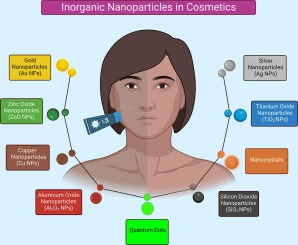
Nanoparticles in cosmetics offer enhanced delivery and novel properties but raise unique toxicological questions. Their small size enables deeper skin penetration and different biological interactions than conventional ingredients. Specialized testing protocols for nanomaterials continue developing as their cosmetic applications expand.
Microbiome Impact Assessment
Growing recognition of skin microbiome importance in health and disease suggests future toxicological assessment should evaluate cosmetic effects on beneficial bacterial communities. Products disrupting healthy microbiome balance might contribute to skin problems despite appearing safe by traditional testing metrics.
Frequently Asked Questions
How do I know if a cosmetic product has undergone proper safety testing?
In regions with pre-market approval requirements like the European Union, all legally sold products must pass comprehensive safety assessments. In countries like the United States where pre-market approval isn’t mandatory, consumers can research company reputations, look for third-party certifications, and check for adverse event reports through regulatory agency databases. Reputable manufacturers typically conduct thorough testing regardless of legal requirements, as safety issues damage brand reputation and invite legal liability.
Are natural or organic cosmetics safer than synthetic products?
The natural versus synthetic safety debate oversimplifies complex toxicology principles. Toxicity depends on specific chemical properties and exposure levels rather than origin. Many natural ingredients contain potent toxins—poison ivy is natural but definitely not safe for skin application. Conversely, many synthetic ingredients undergo rigorous purification and safety testing, often proving safer than some natural alternatives. Both natural and synthetic products require proper toxicological assessment to ensure consumer safety.
What should I do if I experience an adverse reaction to a cosmetic product?
Immediately discontinue product use and rinse the affected area with cool water. For mild reactions like redness or itching, over-the-counter hydrocortisone cream may provide relief. Severe reactions including blistering, swelling, difficulty breathing, or systemic symptoms require immediate medical attention. Report adverse reactions to your country’s regulatory agency for this information helps identify dangerous products and protect other consumers. Document your reaction with photographs and retain the product for potential testing or investigation.
How long does a cosmetic product remain safe to use?
Most cosmetics include Period After Opening (PAO) symbols indicating safe usage duration after first opening, typically ranging from 6 to 24 months. Unopened products generally remain stable for 2-3 years when stored properly. Signs of expiration include changed odor, separated formulation, altered color, or texture changes. Expired products may harbor bacterial growth or degraded ingredients that increase irritation and infection risks. Eye area products require particular caution, as expired mascaras or eyeliners can cause serious infections.
Can cosmetic ingredients accumulate in the body over time?
Certain cosmetic ingredients can accumulate in tissues, particularly lipophilic (fat-soluble) substances that resist metabolic breakdown. Studies have detected cosmetic ingredients like phthalates, parabens, and UV filters in blood, urine, and breast milk samples. However, detection doesn’t necessarily indicate harm, toxicology considers both presence and concentration levels. Most cosmetic ingredients are metabolized and excreted relatively quickly, though long-term, low-level exposure effects remain an active research area requiring ongoing investigation.
Conclusion: Balancing Beauty and Safety
Toxicological assessment of topical cosmetic products represents a complex, evolving scientific discipline balancing innovation, efficacy, and consumer protection. As beauty industry continues expanding globally, rigorous safety testing becomes increasingly critical to prevent adverse health effects from poorly evaluated products.
Consumers deserve transparent information about ingredient safety and testing methodologies. While regulatory frameworks vary internationally, the fundamental principle remains constant: cosmetic products must not harm human health under normal usage conditions. Advances in alternative testing methods, computational toxicology, and personalized assessment promise safer products without compromising ethical standards.
Ultimately, informed consumers armed with knowledge about toxicological assessment can make better purchasing decisions, advocate for stricter safety standards, and demand accountability from manufacturers. The intersection of beauty and science requires ongoing vigilance, continuous research, and collaborative efforts between industry, regulators, scientists, and consumers to ensure that skin enhancement products deliver promised benefits without hidden dangers.