
Don’t let prostate cancer treatment side effects derail your life. Discover proven 2025 strategies to conquer incontinence, erectile dysfunction, fatigue, hot flashes, and more from surgery, radiation, hormone therapy, and chemo. Backed by NCI, NCCN, and latest guidelines, these expert tips empower you to thrive post-treatment.
Introduction
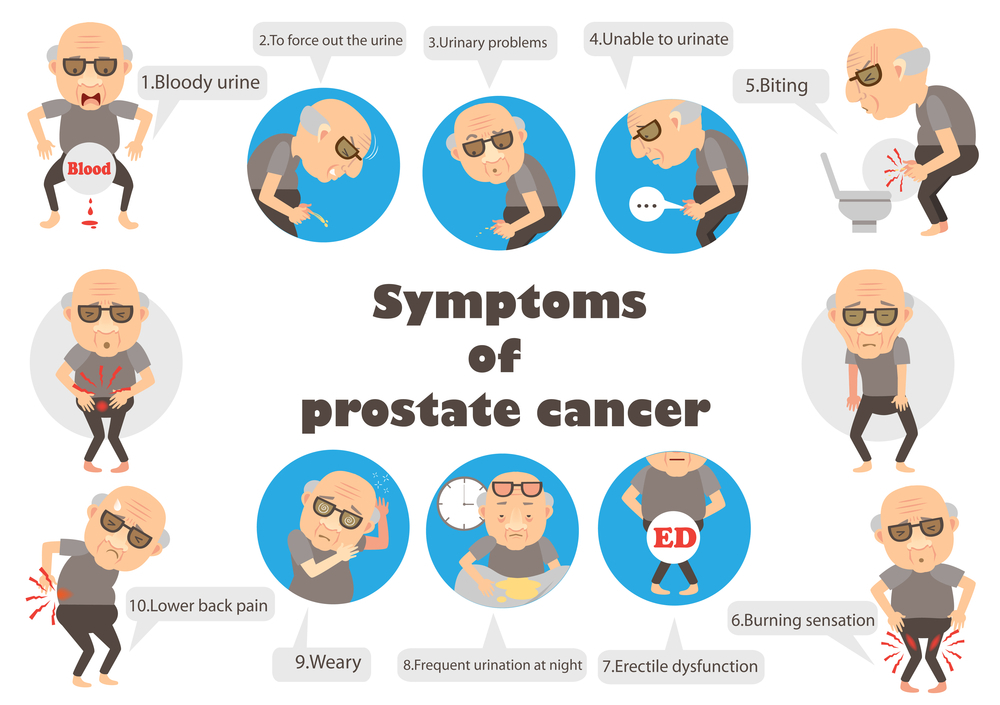
Prostate cancer treatment saves lives, but the side effects can feel overwhelming – urinary leaks that embarrass, intimacy issues that strain relationships, relentless fatigue that saps your energy, or hot flashes that disrupt sleep. The good news? In 2025, advanced management strategies are transforming how men handle these challenges, with many regaining near-normal function through targeted interventions, lifestyle tweaks, and supportive therapies.
Drawing from the latest National Cancer Institute (NCI) Prostate Cancer Treatment PDQ (updated May 14, 2025) and guidelines from organizations like the American Urological Association (AUA) and National Comprehensive Cancer Network (NCCN), this guide empowers you to take control. Whether you’re post-surgery, midway through radiation, or on hormone therapy, these evidence-based approaches can minimize discomfort and maximize quality of life.
Understanding the Most Common Side Effects by Treatment Type
Prostate cancer treatments – including radical prostatectomy, radiation therapy, androgen deprivation therapy (ADT), chemotherapy, and emerging options like radiopharmaceuticals – target the disease effectively but often impact urinary, sexual, bowel, and systemic functions. Here’s a breakdown of key side effects and how to manage them, based on 2025 data showing improved outcomes with multidisciplinary care.
Side Effects from Radical Prostatectomy (Surgery)
Surgery removes the prostate but can damage nearby nerves and muscles, leading to some of the most disruptive effects.
- Urinary Incontinence: Affects 15-30% of men long-term, with 46% needing pads at 6 months post-op, dropping to 17% by year 6. It’s caused by sphincter weakness but improves over time.
- Erectile Dysfunction (ED): Hits 60-90% of patients, with only 10-60% regaining potency via nerve-sparing techniques. Age and pre-existing issues worsen this.
- Other Issues: Penile shortening (1-2 cm average), inguinal hernia (7-21%), and fecal incontinence (17-32%).
Management Strategies:
Start with pelvic floor rehabilitation. Kegel exercises – contracting muscles as if stopping urine flow – strengthen the area; aim for 3 sets of 10 daily. Biofeedback or physical therapy accelerates recovery, with 2025 studies showing 70-80% improvement in incontinence within a year.
For ED, begin with oral medications like sildenafil (Viagra) or tadalafil (Cialis), effective in 55% of cases per NCI data. If ineffective, try penile injections, vacuum pumps, or implants. Nerve-sparing surgery preserves function in 40-65% of suitable candidates.
Lifestyle helps too: Maintain a healthy weight to reduce hernia risk, and incorporate fiber-rich foods to ease bowel changes. For personalized tips, check our guide on post-prostatectomy recovery [internal link: /post-prostatectomy-recovery-tips-2025].
Side Effects from Radiation Therapy (EBRT or Brachytherapy)
Radiation targets cancer cells but can irritate bladder, bowel, and erectile tissues.
- Genitourinary (GU) Issues: Chronic cystitis, urgency, or grade 2+ toxicities in 22-30% of cases, higher with hypofractionated regimens.
- Gastrointestinal (GI) Problems: Proctitis or enteritis, with 15-22% experiencing late-grade 2+ effects like bloody stools or increased frequency.
- Sexual Dysfunction: Affects 62-80%, though less severe than surgery initially.
- Other: Fatigue and secondary cancers (minimal risk with modern techniques).
Management Strategies:
Advanced 3D conformal or intensity-modulated radiation (IMRT) reduces toxicities by 20-40%, per 2025 NCCN guidelines. For GU symptoms, alpha-blockers like tamsulosin ease urgency, while antispasmodics calm bladder spasms.
GI issues respond to hydration, high-fiber diets (30g+ daily from veggies and whole grains), and over-the-counter anti-diarrheals. Probiotics may help, with a 2025 meta-analysis showing 35% reduction in radiation-induced diarrhea.
ED management mirrors surgery: PDE5 inhibitors like sildenafil succeed in 55% (NCI trials). Preventive tadalafil (5mg daily) shows promise but no significant edge over placebo in recent data.
For broader radiation support, explore our article on integrative therapies [internal link: /phytomedicine-prostate-cancer-treatment-management], where compounds like curcumin aid inflammation.
Side Effects from Androgen Deprivation Therapy (ADT/Hormone Therapy)
ADT starves cancer of testosterone but disrupts hormonal balance.
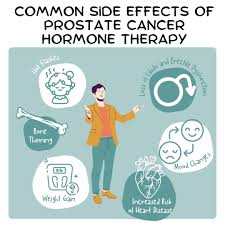
- Hot Flashes and Sweats: Affect 50-80%, persisting for years.
- Bone Loss and Fractures: 19.4% risk vs. 12.6% without ADT; osteoporosis accelerates.
- Sexual and Mood Changes: Loss of libido, ED, gynecomastia (breast growth), mood swings, and weight gain.
- Cardiovascular Risks: Slight increase in heart disease, especially with longer use.
- Fatigue and Other: Anemia, muscle loss, and increased colorectal cancer risk.
Management Strategies:
For hot flashes, low-dose medications like clonidine, cyproterone acetate, or medroxyprogesterone offer relief, with 2025 AUA guidelines recommending venlafaxine (Effexor) for moderate cases – reducing episodes by 50-60%.
Combat bone loss with bisphosphonates like zoledronate (RR 0.80 for fractures) or denosumab, plus calcium/vitamin D supplements and weight-bearing exercise. DEXA scans every 1-2 years monitor density.
Mood and weight: Regular exercise (150 minutes/week) and counseling help; 2025 data from the EMBARK trial shows intermittent ADT improves sexual function without compromising survival.
Gynecomastia prevention: Prophylactic breast radiation or tamoxifen. For CV risks, monitor lipids and blood pressure; lifestyle mods like quitting smoking slash overall cancer risks [internal link: /cancer-risk-factors-you-can-control].
Side Effects from Chemotherapy and Emerging Therapies
Chemo (e.g., docetaxel, cabazitaxel) is used for advanced cases, while radiopharmaceuticals like radium-223 or lutetium-177 target metastases.
- Chemo: Neutropenia, fatigue, nausea; grade 3+ events in 41-60%.
- Radiopharmaceuticals: Mild – chills, dry mouth, anemia (12-52%).
- PARP Inhibitors (e.g., olaparib): Anemia (50%), nausea (43%).
Management Strategies:
For chemo, growth factors like G-CSF prevent neutropenia; anti-nausea meds (ondansetron) control vomiting. Lower-dose cabazitaxel reduces toxicity while maintaining efficacy (2025 ASCO updates).
Radiopharm side effects are transient; hydration and rest suffice. PARP-related anemia may require transfusions (18-39% in trials), but QoL remains stable.
Immunotherapy like sipuleucel-T causes flu-like symptoms – managed with acetaminophen.
Holistic Approaches to Enhance Management
Beyond treatment-specific fixes, integrative strategies amplify results:
- Exercise and Nutrition: Strength training counters muscle loss; plant-based diets with cruciferous veggies reduce inflammation. A 2025 Lancet study links 10% weight loss to 35% better outcomes.
- Supportive Care: Join support groups; mindfulness apps ease anxiety. Multidisciplinary teams (urologists, oncologists, therapists) optimize plans.
- Monitoring and Prevention: Regular PSA tests and follow-ups catch issues early. Vaccines (HPV, hep B) prevent related risks.
The median life expectancy post-treatment is 13.8 years (2025 Wiley review), so prioritizing function is key.
Frequently Asked Questions
How long do side effects last after prostate cancer treatment?
Most improve within 6-12 months – incontinence often resolves by year 1, ED may take 2 years with therapy. Chronic effects like bone loss from ADT require ongoing management, but 2025 data shows 70-90% of men regain good QoL with intervention.
Can natural remedies help with side effects?
Yes, but not as replacements. Green tea catechins and curcumin reduce inflammation per NCI; acupuncture eases hot flashes (50% reduction in trials). Always consult your doctor, as some interact with meds.
What’s new in 2025 for managing ED after treatment?
Regenerative therapies like shockwave treatment show 60-70% improvement in mild cases (AUA updates). Stem cell injections are emerging but experimental.
Is it safe to exercise during treatment?
Absolutely – supervised programs reduce fatigue by 33% and boost bone health. Start low; aim for resistance and aerobic mix.
When should I seek help for side effects?
Immediately if severe (e.g., uncontrolled incontinence, depression). Mild issues often self-resolve, but early intervention prevents worsening – discuss at every follow-up.
Empower Yourself: The Path Forward
Conquering side effects isn’t just about survival – it’s about thriving. With the refined guidelines emphasizing patient-centered care, men are reporting higher satisfaction and fewer long-term issues. Open dialogue with your team is crucial; don’t suffer in silence.