
Discover how AI, 3D printing, lasers, and teledentistry are creating painless, precise dental care. Explore the tech revolutionizing your smile.
Introduction
The world of dentistry is in the midst of a seismic shift. Forget the whirring drills and anxious waits of the past—today’s dental clinic is transforming into a hub of space-age technology and patient-centered comfort. This isn’t about incremental upgrades; it’s a complete overhaul of how care is delivered, driven by artificial intelligence, robotics, and bioengineering. These breakthroughs promise a future where visits are painless, procedures are stunningly precise, and your treatment plan is as unique as your fingerprint. This article explores the groundbreaking technological developments redefining dental care, turning what was once a dreaded appointment into an experience of comfort and confidence.
1. The AI Co-Pilot: Artificial Intelligence Redefines Diagnosis and Planning
Artificial Intelligence (AI) has moved from futuristic concept to essential clinical tool, acting as a powerful co-pilot for dentists. Its impact is most profound in diagnostics, where AI algorithms analyze dental X-rays and scans with superhuman speed and consistency.
AI software can detect the earliest signs of cavities, gum disease, and bone loss—sometimes identifying issues invisible to the naked eye. This capability for early and accurate detection means problems can be intercepted when they are small and easy to treat, preventing pain and complex procedures later. Platforms like Overjet have even received FDA clearance for measuring bone levels, providing dentists with quantifiable data to track gum disease progression over time.
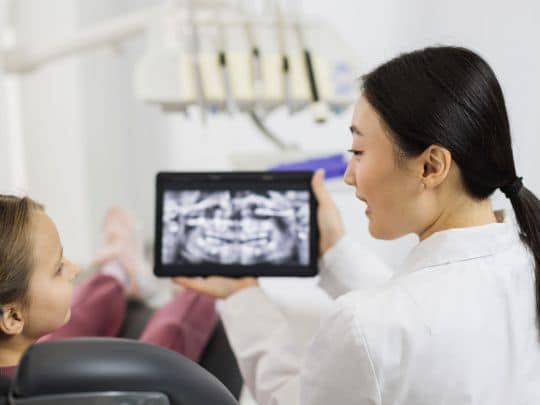
Beyond diagnostics, AI is revolutionizing the patient consultation. It can instantly generate annotated X-rays and visual aids that clearly show patients the “why” behind a recommended treatment. This transparent, evidence-based communication builds immense trust and has been shown to increase patient acceptance of necessary care by 10-20%. Furthermore, AI is beginning to assist with predictive treatment planning, using vast datasets to suggest the most effective options for procedures like implants or orthodontics, tailored to an individual’s unique anatomy.
2. The Fully Digital Workflow: From Scan to Smile Without a Mold
The messy, uncomfortable impression tray is becoming a relic. It has been replaced by the digital workflow, a seamless process that captures, designs, and creates dental restorations with pinpoint accuracy.
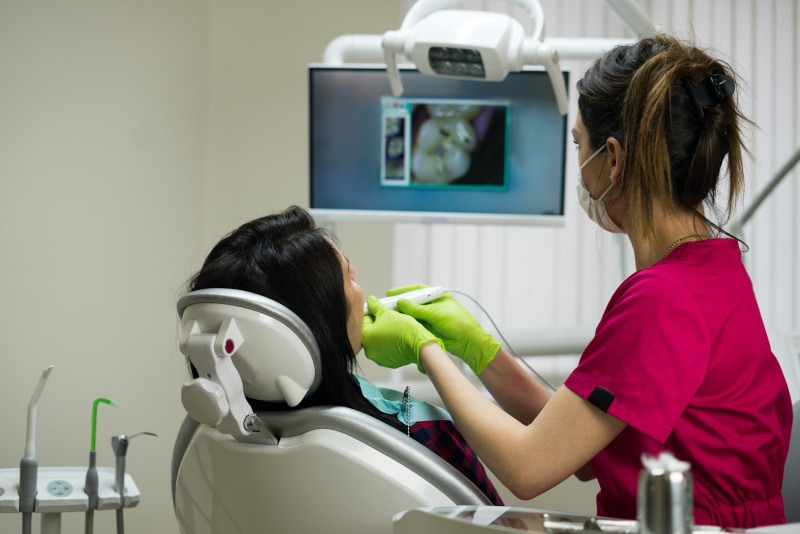
Intraoral Scanners are the cornerstone of this revolution. These handheld wand-like devices take precise, high-resolution 3D images of your teeth and gums in minutes. For patients, it means no more gagging on putty. For dentists, it means a perfect digital model that can be instantly sent to a lab or an in-office milling machine. Industry leaders note that intraoral scanning is fast becoming the undisputed standard of care, with many practitioners finding it difficult to imagine returning to traditional methods.
This digital model is the starting point for Computer-Aided Design and Manufacturing (CAD/CAM). Using specialized software, dentists digitally design your crown, veneer, or bridge. This design is then sent to a 3D printer or a milling machine right in the office. The result? Same-day restorations. You can now walk into a clinic with a damaged tooth and leave a few hours later with a perfectly fitted, custom-made ceramic crown, eliminating the need for temporary crowns and multiple visits.
Table: The Digital Dentistry Workflow
| Technology | What It Does | Patient Benefit |
|---|---|---|
| Intraoral Scanner | Creates a digital 3D model of the mouth, replacing physical molds. | Faster, more comfortable impressions; no gagging or bad taste. |
| CAD (Computer-Aided Design) Software | Allows the dentist to design the shape and fit of a restoration digitally. | Enables patient involvement in design; ensures precise fit. |
| CAM (Milling) / 3D Printing | Fabricates the final restoration from a block of material or resin. | Makes same-day crowns, bridges, and models possible. |
| Digital Smile Design (DSD) | Simulates the final aesthetic outcome of cosmetic procedures. | Lets patients preview their new smile before treatment begins. |
3. Precision and Comfort: Lasers, Robotics, and Pain Management
Technology is making dental procedures not only faster but also gentler and less invasive.
Laser Dentistry uses focused light energy to treat a variety of conditions with unparalleled precision. For soft tissues, lasers can reshape gums, treat gum disease, and perform biopsies with minimal bleeding and often no need for sutures. For teeth, some lasers can remove decay without the vibration or noise of a traditional drill, frequently eliminating the need for anesthesia. This translates to less pain, faster healing, and reduced anxiety for patients.
Looking ahead, the next frontier is robotics and advanced guided surgery. While still emerging, robotic systems are being developed to assist in complex procedures like dental implant placement. These systems use the patient’s 3D scan as a map, allowing for implant positioning with sub-millimeter accuracy, which maximizes long-term success and minimizes surgical risk.
4. The Next Generation of Materials: Stronger, Smarter, and More Biocompatible
The materials that make up your fillings and crowns are undergoing a renaissance. The goal is no longer just to replace tooth structure, but to mimic and even improve upon nature.
High-Strength Ceramics like zirconia are at the forefront. Zirconia crowns are incredibly durable, metal-free, and can be crafted to match the translucency and color of natural teeth with stunning realism. For dental implants, zirconia offers a hypoallergenic, aesthetic alternative to titanium, especially for front teeth.
The most exciting developments are in bioactive and “smart” materials. Researchers are developing fillings and cements that release minerals like calcium and phosphate, actively helping to remineralize and strengthen the surrounding tooth structure to prevent future decay. Some are even exploring materials with antibacterial properties or that can respond to changes in the mouth’s pH. This represents a shift from passive repair to active healing.
5. The Patient Experience Reimagined: From Teledentistry to Emotional Care
Technology is transforming every touchpoint of the patient journey, making dental care more accessible, convenient, and less stressful.
Teledentistry has evolved from a pandemic necessity into a standard service. It allows for virtual consultations, follow-ups, and initial triage from the comfort of your home. This is a game-changer for busy professionals, elderly patients, or those in rural areas with limited access to care. While it can’t replace hands-on procedures, it breaks down barriers to initial advice and continuity of care.
Inside the clinic, the focus is on anxiety reduction and emotional well-being—a trend often called “emotional dentistry”. Practices are employing noise-cancelling headphones, virtual reality headsets to distract patients during procedures, and even AI-powered “digital coworkers” to manage appointment scheduling seamlessly. This holistic approach recognizes that mental and dental health are deeply connected, and a calm patient has a better overall experience and outcome.
Finally, personalized preventive care is becoming the norm. Beyond just regular cleanings, this can involve genetic testing to assess individual risk for gum disease or using smart toothbrushes paired with apps that give you real-time feedback on your brushing habits. It’s proactive healthcare tailored specifically to you.
🔍 FAQs: Your Questions on Dental Technology Answered
Is AI going to replace my dentist?
No. AI is a powerful tool that assists dentists, much like a GPS assists a driver. It enhances a dentist’s diagnostic accuracy and consistency, but the clinical judgment, treatment expertise, and human touch of your dentist remain irreplaceable. The future is one of collaboration between human skill and artificial intelligence.
Are 3D-printed crowns as good as lab-made ones?
For permanent, long-term restorations, high-quality lab-fabricated ceramics are still considered the gold standard for durability and aesthetics. However, 3D-printed crowns are excellent for temporary restorations and are improving rapidly. The primary advantage of in-office 3D printing is speed and convenience, enabling same-day treatment.
I have severe dental anxiety. What technologies can help me?
Modern dentistry offers several solutions:
- Laser Dentistry: Can often treat cavities and gum issues without drills or needles.
- Sedation Options: From nitrous oxide (“laughing gas”) to oral sedation, helping you remain relaxed.
- Distraction Technology: Virtual reality headsets can transport you to a calming environment during your procedure.
- Silent Electric Handpieces: These modern drills are significantly quieter and less vibration-prone than older models, reducing sensory triggers.
How does teledentistry work, and what can it be used for?
Through secure video platforms, you can have a live consultation with your dentist. It’s ideal for:
- Initial consultations for a new issue or cosmetic desire.
- Post-operative check-ins to monitor healing.
- Reviewing X-ray or scan results and discussing treatment plans.
- Getting professional advice on oral pain or trauma before deciding if an in-person visit is urgent.
What is regenerative dentistry, and will we ever regrow teeth?
Regenerative dentistry is a groundbreaking field focused on harnessing the body’s own healing mechanisms. While we cannot yet fully regrow a complete adult tooth, research in stem cells and tissue engineering is making remarkable progress. Scientists are actively working on ways to regenerate damaged tooth pulp, bone lost to gum disease, and even entire tooth structures. This represents the true future of dentistry: not just replacing what is lost, but actively regenerating it.
Conclusion: A Brighter, Healthier Future for Every Smile
The technological revolution in dentistry is fundamentally changing the covenant between patient and provider. We are moving from a model of reactive repair to one of precise prevention, personalized care, and painless procedures. These advancements—from the AI that detects a cavity before it hurts to the biogel that helps rebuild tooth enamel—are not just about flashy gadgets. They are about better health outcomes, greater accessibility, and restoring confidence without fear.
Staying informed about these developments empowers you to seek out practices that embrace innovation. The future of your smile is brighter, smarter, and more comfortable than ever before.