
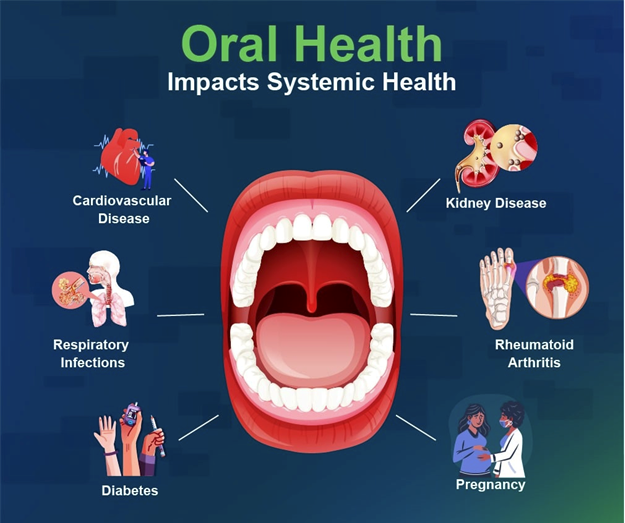

Shocking truth: Your oral health controls your risk for heart disease, diabetes, Alzheimer’s & more. Discover the mouth-body connection & how to protect yourself.
Introduction: Your Mouth is Not an Island
For decades, dentistry and medicine operated in separate silos. A cavity was just a cavity, and gum disease was merely a dental problem. This outdated view has been completely overturned by a mountain of scientific evidence. We now know with certainty that your oral health is a powerful barometer for your entire body’s well-being. The state of your mouth—your gums, teeth, and the bacteria they harbor—has a profound and direct impact on your risk for life-altering conditions like heart disease, diabetes, stroke, and even dementia. This connection isn’t just a theory; it’s a biological reality driven by inflammation and bacteria. This article will reveal the startling science behind the mouth-body connection, empowering you with the knowledge that flossing isn’t just about saving your teeth—it could be saving your life.
The Mechanism: How a Problem in Your Mouth Becomes a Problem in Your Body
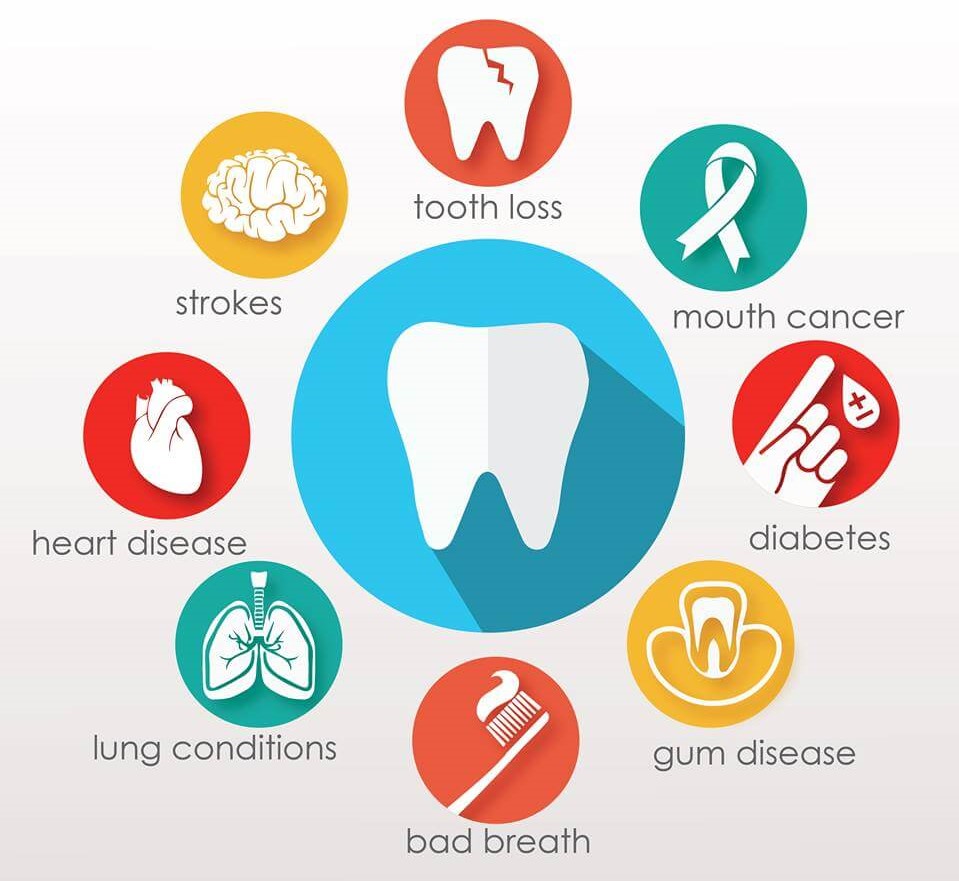
To understand the connection, you must understand two key concepts: chronic inflammation and bacterial translocation.
- The Fire of Inflammation: Periodontal (gum) disease is a chronic inflammatory condition. When plaque bacteria build up at the gumline, your body’s immune system attacks them. This battle creates persistent, low-grade inflammation in the gums. This inflammation isn’t contained; it releases inflammatory markers (like C-reactive protein or CRP) into your bloodstream, where they travel throughout your body, contributing to systemic inflammation. Systemic inflammation is a known driver of numerous chronic diseases.
- The Highway of Bacteria: A diseased, bleeding gum pocket is essentially an open wound. It provides a direct entry point for the billions of bacteria in your mouth to enter your circulatory system. This is called bacteremia. Once in the blood, these oral bacteria can travel to distant organs, potentially seeding new infections or exacerbating existing problems. Research has even found oral bacteria in the plaques that clog arteries and in the brains of Alzheimer’s patients.
The Major Connections: Oral Health and Systemic Diseases
1. Cardiovascular Disease: The Heart of the Matter
The link between gum disease and heart disease is one of the most well-established.
- The Evidence: People with periodontal disease have a 2-3 times higher risk of suffering a heart attack, stroke, or other serious cardiovascular event. Studies have found oral bacteria within atherosclerotic plaques (the fatty deposits that clog arteries).
- The Mechanism: The systemic inflammation from gum disease damages the endothelial lining of blood vessels, promoting the formation of plaques. Oral bacteria that enter the bloodstream may also directly attach to these plaques, making them more unstable and likely to cause a clot.
2. Diabetes: A Vicious Two-Way Street
The relationship between diabetes and gum disease is a dangerous, two-way cycle.
- Diabetes → Gum Disease: High blood sugar impairs white blood cell function, weakening the body’s ability to fight all infections, including gum infections. Diabetics are significantly more susceptible to severe, rapid-onset periodontal disease.
- Gum Disease → Diabetes: Severe gum inflammation makes it harder for the body to control blood sugar levels. The inflammatory cytokines released from the gums increase insulin resistance. Effectively treating gum disease has been shown to improve glycemic control, sometimes leading to a reduction in needed medication.
3. Respiratory Infections: From the Mouth to the Lungs
Your mouth is the entry point to your respiratory tract. Pathogenic oral bacteria can be aspirated (inhaled) into the lungs.
- The Impact: This is particularly dangerous for the elderly, those with compromised immune systems, or patients on ventilators. Poor oral hygiene is a documented risk factor for hospital-acquired pneumonia, chronic obstructive pulmonary disease (COPD) exacerbations, and other respiratory infections.
4. Pregnancy and Birth Outcomes: Affecting the Next Generation
The hormonal changes during pregnancy can increase sensitivity to plaque bacteria, leading to “pregnancy gingivitis.” However, the consequences can extend far beyond the mother’s gums.
- The Risk: Pregnant women with severe, untreated periodontal disease have a significantly higher risk of adverse outcomes, including preterm birth and low birth weight babies.
- The Cause: It is believed that oral bacteria and the inflammatory chemicals they produce enter the bloodstream, reach the placenta, and can potentially trigger early labor. Maintaining excellent oral health is a crucial part of prenatal care.
5. Rheumatoid Arthritis (RA): A Shared Inflammatory Pathway
Both periodontitis and RA are chronic inflammatory conditions. The bacteria Porphyromonas gingivalis, a key pathogen in gum disease, produces an enzyme that can increase autoimmune inflammation and may even trigger the onset of RA in genetically susceptible individuals. Treating gum disease often reduces overall pain and inflammation in RA patients.
6. Alzheimer’s Disease and Cognitive Decline: The Oral-Brain Axis
This is an emerging area of compelling research. Scientists have discovered that the inflammatory markers from gum disease can cross the blood-brain barrier.
- The Findings: Long-term studies show that individuals with chronic periodontal disease over 10+ years have a markedly higher risk of developing Alzheimer’s. The specific oral bacterium P. gingivalis has been found in the brains of Alzheimer’s patients, and its toxins (gingipains) have been shown to directly damage neurons.
- The Implication: While not yet proven as a direct cause, chronic oral infection appears to be a significant contributor to neuroinflammation and cognitive decline.
7. Kidney Disease
Chronic kidney disease and periodontal disease share a bidirectional relationship. The systemic inflammation from gum disease places additional strain on compromised kidneys. Furthermore, the medications and dietary restrictions associated with kidney disease can negatively impact oral health.
Table 1: The Mouth-Body Connection at a Glance
| Systemic Condition | Nature of the Link | Key Mechanism |
|---|---|---|
| Cardiovascular Disease | Strong, established link. Increases risk of heart attack & stroke. | Inflammation & arterial plaque formation from oral bacteria. |
| Diabetes | Powerful, two-way cycle. Each worsens the other. | Inflammation increases insulin resistance; high sugar worsens infection. |
| Respiratory Health | Direct causal link for pneumonia, esp. in vulnerable groups. | Aspiration of oral pathogens into the lungs. |
| Pregnancy Outcomes | Established link to preterm birth & low birth weight. | Oral bacteria/inflammation reaching the placenta. |
| Rheumatoid Arthritis | Strong association; shared inflammatory pathology. | Oral bacteria may trigger autoimmune inflammatory response. |
| Alzheimer’s Disease | Emerging, highly compelling link to increased risk. | Oral bacteria & inflammatory markers promoting neuroinflammation. |
| Kidney Disease | Bidirectional relationship; each complicates the other. | Systemic inflammation adds strain; treatments affect oral health. |
The Hidden Impact: Mental Health and Social Well-being
The impact extends beyond physiology. Oral health is inextricably linked to mental and social health. Tooth loss, chronic pain, and bad breath can lead to:
- Social Anxiety and Isolation: Reluctance to speak, eat, or smile in public.
- Depression and Low Self-Esteem: Linked to the loss of function and perceived social stigma.
- Nutritional Deficiencies: Difficulty chewing can lead to a poor diet, lacking essential fruits, vegetables, and proteins.
This creates a vicious cycle where poor physical health from oral disease worsens mental health, which can then lead to further neglect of oral hygiene. For a deeper dive into this critical intersection, explore our article on the powerful link between mental health and dentistry.
The Path to Protection: Your Action Plan for Systemic Health
The good news is that by protecting your mouth, you actively protect your body. Your oral health routine is a primary prevention strategy for chronic disease.

- Master the Basics (They Matter More Than You Think):
- Brushing: Twice daily for two minutes with a fluoride toothpaste. Use a soft-bristled brush and proper technique.
- Flossing: This is non-negotiable. Flossing disrupts biofilm between teeth where brushing can’t reach. It is the single most important thing you can do to prevent gum disease. Do it daily.
- Professional Care: See your dentist and hygienist at least every six months for cleanings and check-ups, or more often if recommended. They can catch gingivitis before it becomes periodontitis.
- Make Lifestyle Choices That Support a Healthy Mouth:
- Diet: Limit sugary and acidic foods and drinks. They feed harmful bacteria and erode enamel. Choose water as your primary beverage. For more on how sugar policy affects health, see our analysis of the sugar tax.
- Don’t Smoke: Smoking is a leading risk factor for gum disease and oral cancer. It severely compromises healing and immune response in the mouth.
- Manage Stress: Chronic stress weakens the immune system and can lead to teeth grinding (bruxism), which damages teeth and the jaw joint.
- Communicate with All Your Healthcare Providers:
- Tell your dentist about all medications and any changes in your overall health (new diabetes diagnosis, pregnancy, etc.).
- Tell your physician about any ongoing dental problems or chronic gum issues. Your medical and dental histories should be integrated.
FAQs: Your Top Questions Answered
1. Is flossing really that important if I brush well?
Absolutely, yes. Brushing cleans only about 60% of your tooth surfaces. Flossing cleans the other 40%—the critical sides where teeth touch. This is where gum disease most often starts. Skipping flossing is like washing only the front of a dish and putting it away dirty. The inflammation that starts between your teeth affects your whole body.
2. Can mouthwash replace brushing and flossing?
No. Therapeutic mouthwash (with fluoride or antibacterial ingredients like cetylpyridinium chloride) is a helpful adjunct, but it cannot remove the sticky, organized plaque biofilm that brushing and flossing physically disrupt. Think of it as a useful rinse after you’ve done the essential cleaning.
3. If I have gum disease, does it mean I’ll definitely get heart disease?
It means you have a significantly increased risk. It’s a major risk factor, similar to high cholesterol. Not everyone with gum disease will have a heart attack, and not every heart attack patient has gum disease. However, controlling gum disease is a proactive step you can take to reduce your overall cardiovascular risk profile.
4. Are the bacteria in my mouth really that dangerous?
Your mouth contains hundreds of species of bacteria—most are harmless or even beneficial. The problem arises with a shift in the oral microbiome (the bacterial community). Poor hygiene and diet allow disease-causing pathogens (like P. gingivalis) to dominate. It’s this specific “bad” bacterial load and the inflammation they cause that create systemic risk.
5. Can improving my oral health reverse damage to my body?
While it may not reverse existing damage like arterial plaques, it can dramatically improve your disease management and reduce future risk. For diabetics, treating gum disease improves blood sugar control. Reducing oral inflammation lowers the overall inflammatory burden on your body, which benefits every system. The body has a remarkable ability to heal when chronic insults are removed.
Conclusion: The Most Important Health Decision You Make Daily
The separation between mouth and body is an illusion. Every time you brush and floss, you are doing far more than preventing a cavity or avoiding bad breath. You are dousing a source of chronic inflammation, closing a gateway for harmful bacteria, and actively safeguarding your heart, brain, and overall longevity.
Your oral hygiene routine is one of the most powerful, accessible, and cost-effective forms of preventive medicine available. Embrace this knowledge and let it transform your daily care from a chore into a conscious act of whole-body wellness. Schedule that dental cleaning, pick up the floss, and remember: a healthy mouth is the cornerstone of a healthy life.