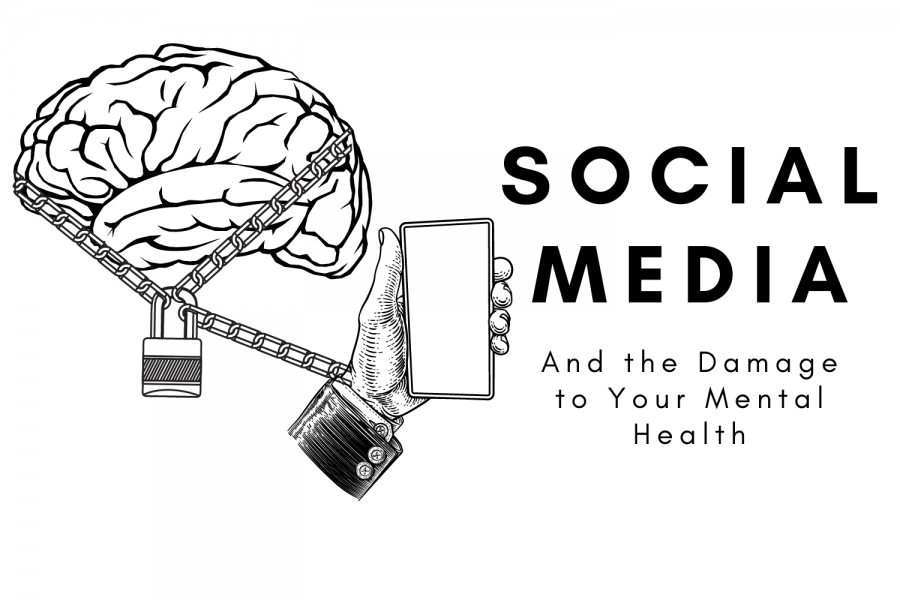

Discover how social media impacts teen mental health, causing anxiety, depression, and low self-esteem. Learn warning signs, protection strategies, and when to seek help for your teenager.
Introduction
Social media teen mental health has become one of the most pressing concerns for parents, educators, and healthcare professionals in the digital age. With teenagers spending an average of 7-9 hours daily on screens, the psychological impact of platforms like Instagram, TikTok, Snapchat, and Facebook demands urgent attention. This comprehensive analysis explores how social media affects teenage anxiety, depression, and self-esteem while providing actionable strategies to protect adolescent mental wellness.
The Social Media Teen Mental Health Crisis: Understanding the Numbers
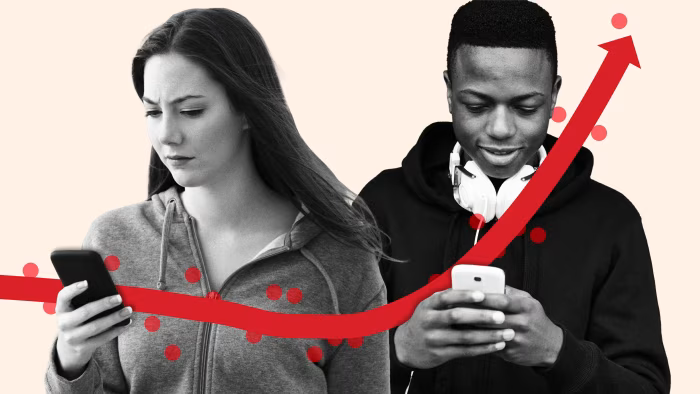
The correlation between increased social media use and declining mental health among teenagers is undeniable. Research reveals that teens who spend more than three hours daily on social media face double the risk of experiencing mental health problems compared to those with minimal usage. Depression rates among adolescents have increased by 52% since 2005, coinciding with the proliferation of smartphone technology and social platforms.
According to data from the Pew Research Center, 95% of teens have access to smartphones, and 35% report being on at least one social media platform “almost constantly.” This unprecedented connectivity comes with significant psychological costs that manifest in anxiety disorders, depressive symptoms, and eroded self-worth.
The mental wellness concerns extend beyond screen time duration to include the quality of online interactions, exposure to harmful content, and the neurological impact of constant notifications and validation-seeking behaviors. Understanding these mechanisms helps parents and caregivers implement effective protective strategies.
How Social Media Triggers Anxiety in Teenagers
Social media platforms are designed to be addictive, exploiting psychological vulnerabilities particularly pronounced during adolescence. The teenage brain is still developing, especially the prefrontal cortex responsible for impulse control and decision-making, making teens especially susceptible to the anxiety-inducing aspects of social media.
The Comparison Trap and Performance Anxiety
Instagram, TikTok, and similar platforms create carefully curated highlight reels that distort reality. Teenagers constantly compare their behind-the-scenes lives to others’ edited performances, fostering feelings of inadequacy and anxiety. This phenomenon, known as “compare and despair,” directly impacts social media teen mental health by creating unrealistic benchmarks for success, appearance, and lifestyle.
Body image anxiety intensifies as teens encounter filtered photos and unrealistic beauty standards. Studies show that just 30 minutes of Instagram use significantly increases body dissatisfaction among teenage girls. The pressure to present a perfect online persona creates performance anxiety that extends into real-world interactions.
Fear of Missing Out (FOMO) and Social Anxiety
FOMO—the pervasive anxiety that others are having rewarding experiences from which you’re excluded—thrives on social media. Teenagers constantly monitor platforms to ensure they’re not missing parties, trends, or conversations, creating chronic stress and social anxiety. This surveillance behavior disrupts sleep, concentration, and genuine social connections.
The notification-driven nature of social media creates anticipatory anxiety. Teens compulsively check devices for likes, comments, and messages, with each notification triggering dopamine releases that reinforce addictive checking behaviors. When expected validation doesn’t materialize, anxiety and distress intensify.
Cyberbullying and Digital Harassment
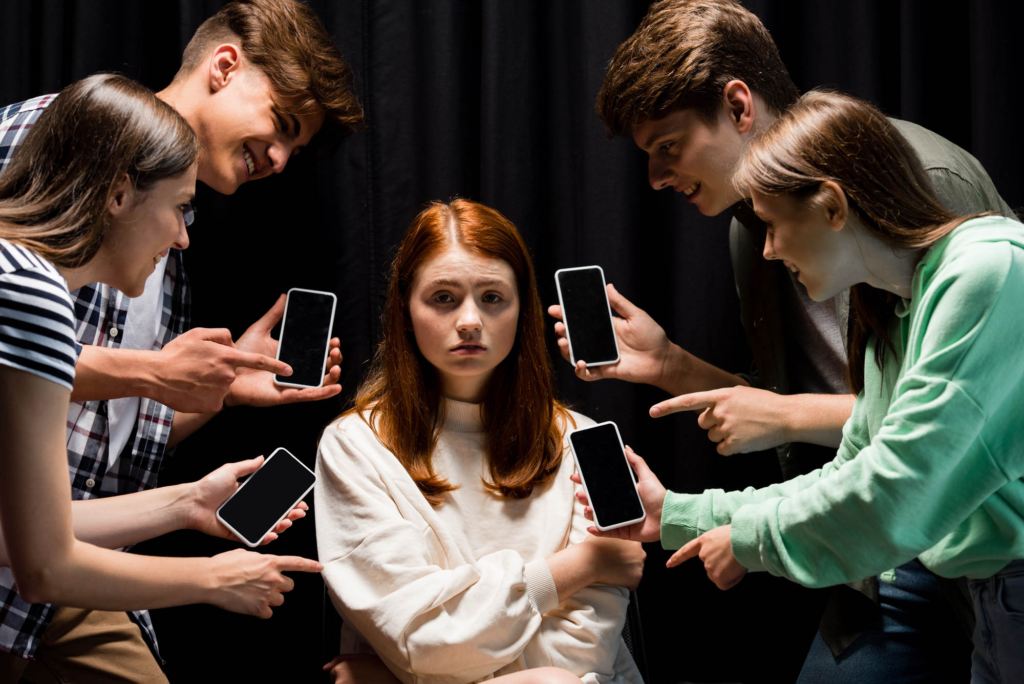
Social media provides unprecedented opportunities for bullying that follows victims home, operates 24/7, and reaches massive audiences instantly. Unlike traditional bullying, cyberbullying creates permanent digital records and allows anonymous harassment. Approximately 59% of teenagers report experiencing some form of cyberbullying, significantly increasing anxiety, depression risk, and even suicidal ideation.
The public nature of social media amplifies humiliation. Embarrassing posts, rumors, or manipulated images spread rapidly, creating lasting psychological trauma. Many teens experience anxiety about potential future harassment even without current victimization.
Social Media’s Role in Teenage Depression
The connection between social media use and depression among adolescents operates through multiple pathways, creating a perfect storm for declining mental health.
Sleep Disruption and Mood Disorders
Excessive screen time, particularly before bed, disrupts circadian rhythms critical for adolescent development. Blue light from devices suppresses melatonin production, making sleep onset difficult. Teenagers checking social media late at night sacrifice sleep for connectivity, creating sleep deprivation linked directly to depression.
Research demonstrates that teens sleeping fewer than seven hours nightly show significantly higher depression rates. The relationship is bidirectional—depression causes sleep problems while sleep deprivation worsens depressive symptoms, creating a vicious cycle exacerbated by social media use.
Social Isolation Paradox
Despite connecting millions digitally, social media often increases feelings of loneliness and isolation—key depression risk factors. Online interactions lack the emotional depth and neurological benefits of face-to-face connection. Teenagers spending excessive time on social media report fewer meaningful friendships and weaker support networks.
The replacement of in-person activities with screen time reduces opportunities for physical exercise, outdoor experiences, and genuine human connection—all protective factors against depression. For guidance on managing teen stress and building resilience, visit Chiid Health’s stress and anxiety resources.
Dopamine Manipulation and Emotional Regulation
Social media platforms exploit the brain’s reward system through unpredictable reinforcement schedules. Likes, comments, and shares trigger dopamine releases similar to gambling, creating dependency. When validation doesn’t materialize, teens experience withdrawal-like symptoms including sadness, irritability, and depression.
This artificial reward system undermines intrinsic motivation and satisfaction from real-world achievements. Teenagers increasingly derive self-worth from online metrics rather than personal accomplishments, relationships, or values—a mindset strongly associated with depression.
Exposure to Disturbing Content
Algorithms prioritize engagement over wellbeing, often amplifying negative, violent, or distressing content. Teenagers encounter graphic images, suicide ideation communities, self-harm content, and toxic comparisons without adequate context or support. This exposure normalizes harmful behaviors and worsens depressive thinking patterns.
Pro-suicide and self-harm content on social media creates echo chambers where vulnerable teens find validation for destructive impulses rather than help. The CDC reports that suicide rates among teenagers have increased significantly, with social media exposure identified as a contributing factor.
The Self-Esteem Crisis: How Social Media Erodes Teenage Confidence
Self-esteem—the foundation of psychological health—faces unprecedented threats from social media during the critical identity formation period of adolescence.
Validation-Seeking and External Locus of Control
Teenagers increasingly base self-worth on external validation through likes, followers, and comments rather than internal values and accomplishments. This external locus of control creates fragile self-esteem vulnerable to the whims of online audiences. When posts underperform or negative comments appear, self-worth plummets.
The quantification of social value through metrics creates competitive hierarchies where teens constantly measure their worth against peers. Those with fewer followers or likes feel inferior, regardless of real-world qualities, achievements, or relationships.
Body Image and Appearance Anxiety
Social media’s emphasis on physical appearance devastates teenage self-esteem, particularly among girls. Filters and editing tools create impossible beauty standards while hiding the artificial manipulation involved. Teens develop distorted perceptions of normal appearance, leading to body dissatisfaction, eating disorders, and cosmetic surgery interest at increasingly young ages.
The pressure to photograph well creates constant appearance monitoring and anxiety. Teens spend hours selecting, editing, and posting photos, then obsessively checking responses—behaviors associated with lower self-esteem and higher depression risk.
Imposter Syndrome and Authenticity Loss
The gap between curated online personas and messy real lives creates imposter syndrome—feeling like a fraud despite achievements. Teens maintain exhausting performances online while feeling inadequate privately. This disconnect between public and private selves erodes authentic self-concept and genuine self-esteem.
Fear of judgment prevents authentic self-expression. Teenagers censor thoughts, interests, and experiences that don’t align with perceived audience expectations, losing touch with genuine identity and preferences.
Warning Signs That Social Media Is Harming Your Teen’s Mental Health
Parents should watch for these indicators that social media use is damaging their teenager’s psychological wellbeing:
Behavioral Changes: Increased irritability when unable to access devices, secretive phone use, declining grades, withdrawal from family activities, and loss of interest in previously enjoyed hobbies signal problematic social media relationships.
Emotional Symptoms: Frequent mood swings, expressed feelings of inadequacy, anxiety about appearance or popularity, crying after social media use, and verbalizations of hopelessness or worthlessness indicate serious mental health concerns requiring intervention.
Physical Manifestations: Sleep disturbances, appetite changes, fatigue despite adequate rest, headaches, and physical complaints without medical explanation often accompany social media-related mental health issues.
Social Withdrawal: Reduced face-to-face interactions with friends, declining participation in sports or activities, and preference for online communication over in-person contact suggest unhealthy social media relationships.
If you notice multiple warning signs, consider seeking professional mental health support. For comprehensive guidance on teen mental wellness, explore resources at Chiid Health’s mental wellness section.
How Much Social Media Use Is Too Much for Teenagers?
While individual tolerance varies, research suggests that social media teen mental health risks increase significantly beyond two hours daily of recreational screen time. The American Academy of Pediatrics recommends families establish clear limits based on each teen’s needs, prioritizing sleep, physical activity, and face-to-face interactions over screen time. Quality matters as much as quantity—passive scrolling and comparison-focused use harm mental health more than active engagement with supportive communities. Parents should monitor both duration and content, having open conversations about online experiences. If social media use interferes with sleep, schoolwork, relationships, or emotional wellbeing, intervention is necessary regardless of time spent.
Can Social Media Ever Be Positive for Teen Mental Health?
Social media offers potential benefits when used mindfully and in moderation. Platforms can provide valuable peer support, especially for teens with marginalized identities or chronic illnesses who find community online. Creative expression through content creation builds confidence and skills. Educational content expands knowledge and perspectives. However, these benefits require intentional use, strong offline support systems, and critical media literacy. Positive outcomes depend on platform choice, content quality, and individual vulnerability factors. Parents should help teens identify beneficial uses while limiting harmful exposure. The key is active engagement with meaningful content rather than passive consumption of comparison-focused material.
What Should Parents Do If They Discover Harmful Content on Their Teen’s Social Media?
Stay calm and approach conversations non-judgmentally to maintain trust and open communication. Express concern for their wellbeing rather than anger about rule-breaking. Discuss what they encountered and how it made them feel, using this as a teaching moment about media literacy and online safety. Report concerning content to platforms and consider whether professional support is needed, especially if the teen engaged with self-harm, suicide, or eating disorder content. Implement parental controls and monitoring tools while respecting age-appropriate privacy. Involve mental health professionals if harmful content consumption is habitual or accompanied by behavioral changes. Focus on understanding why they sought this content and addressing underlying needs.
When Should Parents Seek Professional Mental Health Help for Their Teen?
Professional intervention becomes necessary when social media-related issues significantly impact daily functioning or safety. Warning signs include persistent depression lasting more than two weeks, anxiety interfering with school or relationships, social withdrawal, sleep disturbances, appetite changes, declining academic performance, and expressions of hopelessness or self-harm thoughts. Any mention of suicide requires immediate professional evaluation—contact the 988 Suicide and Crisis Lifeline immediately. Don’t wait for crisis situations; early intervention produces better outcomes. If you’re unsure whether professional help is needed, consult your pediatrician or a mental health professional for assessment. Trust your instincts—if something feels wrong, seeking evaluation causes no harm but provides valuable information and support options.
Protecting Teen Mental Health in the Digital Age: Action Steps for Parents
Parents play crucial roles in moderating social media’s impact on their teenagers’ mental health through intentional strategies and supportive relationships.
Establish Healthy Boundaries and Screen Time Limits
Create family media plans that include device-free times and spaces, particularly during meals and before bedtime. Implement “phone parking” where everyone, including parents, charges devices in common areas overnight. Use parental control tools to limit access during school hours and nighttime while respecting age-appropriate privacy.
Model healthy technology use—teens learn more from parental behavior than rules. If you’re constantly on devices, expect similar patterns from your teenagers.
Foster Open Communication About Online Experiences
Create judgment-free spaces for teens to discuss social media experiences, both positive and negative. Ask open-ended questions about what they’re seeing, how content makes them feel, and whether online interactions align with their values. Listen more than lecture.
Educate teens about social media’s psychological manipulation tactics, helping them recognize algorithmic amplification, curated content, and validation-seeking traps. Media literacy empowers critical consumption rather than passive acceptance.
Encourage Offline Activities and Real-World Connections
Prioritize face-to-face socialization, physical activities, creative pursuits, and family time. Encourage involvement in sports, arts, volunteering, or other interests that build identity outside social media. These activities provide genuine accomplishment, community connection, and psychological resilience.
Help teens develop stress management and emotional regulation skills through mindfulness practices. Resources for building mental resilience are available at Chiid Health’s mindfulness section.
Monitor Without Invading Privacy
Balance supervision with age-appropriate autonomy. Younger teens need more monitoring while older adolescents require privacy that respects their developing independence. Follow their public accounts, discuss privacy settings, and establish expectations about sharing concerning content.
Use monitoring as relationship-building rather than surveillance. Frame oversight as concern for wellbeing, not distrust, maintaining open dialogue about online safety.
Seek Professional Support When Needed
Don’t hesitate to consult mental health professionals if concerns arise. Early intervention prevents escalation and provides teens with coping strategies for navigating digital challenges. Therapy offers safe spaces to process social media’s impact and develop healthier relationships with technology.
The Future of Social Media Teen Mental Health
As awareness grows about social media’s impact on adolescent mental health, platforms face increasing pressure to implement protective features, particularly for young users. Age verification, parental controls, usage alerts, and algorithm modifications may reduce harm. However, parental involvement, education, and mental health support remain essential regardless of technological changes.
The relationship between teenagers and social media will continue evolving, but the fundamental need for genuine connection, authentic self-worth, and psychological safety remains constant. By understanding risks, recognizing warning signs, and implementing protective strategies, parents can help teens navigate the digital landscape while preserving mental health and wellbeing.
Your teenager’s mental health matters more than likes, followers, or online popularity. Take action today to protect their psychological wellbeing in our hyperconnected world.