
Discover the revolutionary new food pyramid with shocking changes to nutrition guidelines. Essential guide to MyPlate, powerful eating strategies, and optimal health through balanced nutrition today.
Introduction
The food pyramid you learned in school has undergone a dramatic transformation. In 2011, the USDA replaced the traditional pyramid with MyPlate, revolutionizing how Americans understand nutritional recommendations. This shift wasn’t merely cosmetic—it represented a fundamental reimagining of dietary guidance based on decades of nutritional science and public health research.
Understanding these modern nutrition guidelines empowers you to make informed food choices that optimize health, prevent chronic disease, and support your wellness goals. This comprehensive guide reveals everything you need to know about the new approach to balanced eating.
The Evolution From Pyramid to Plate
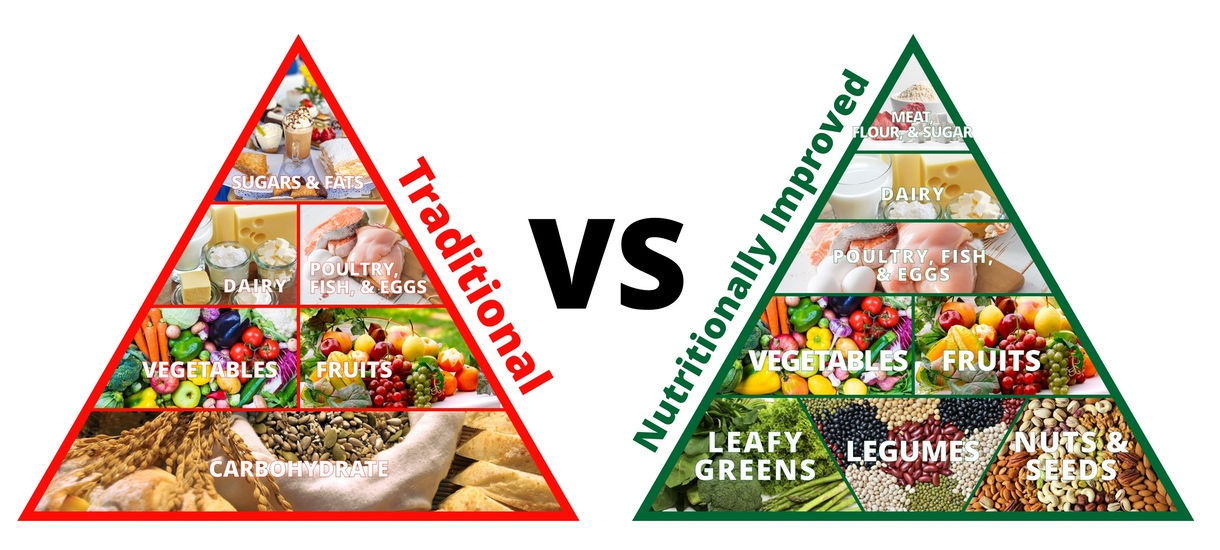
The original food pyramid, introduced in 1992, featured a triangular design with grains at the base, suggesting they should form the foundation of a healthy diet. Subsequent research revealed significant flaws in this approach, including oversimplification of carbohydrate quality, inadequate emphasis on healthy fats, and confusion about portion sizes.
In 2005, the USDA introduced MyPyramid, adding physical activity and attempting to personalize recommendations. However, the complex design with vertical stripes confused consumers, and the pyramid metaphor remained problematic.
The MyPlate Revolution
MyPlate debuted in June 2011, replacing pyramid imagery with a simple dinner plate divided into sections. This visual representation immediately communicates proportions without complex interpretation. The plate divides into four sections—fruits, vegetables, grains, and protein—with a small circle representing dairy alongside.
This intuitive design addresses the pyramid’s shortcomings by showing actual meal composition rather than abstract food hierarchies. Research indicates people better understand and apply MyPlate guidelines compared to previous pyramid versions.
According to the USDA, MyPlate emphasizes making half your plate fruits and vegetables, a significant shift from grain-heavy previous recommendations.
Understanding the Five Food Groups
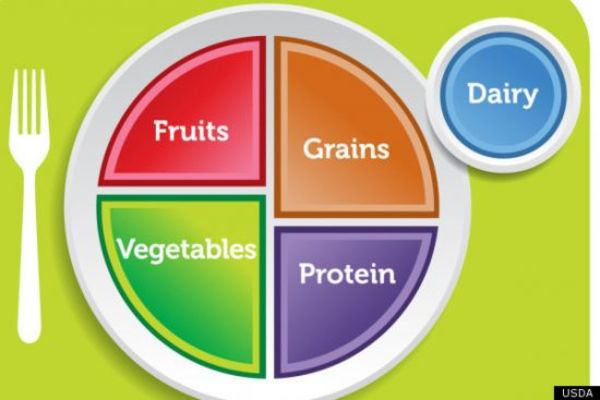
Modern nutrition guidelines organize foods into five main categories, each providing essential nutrients your body needs for optimal function.
Vegetables: The Nutritional Powerhouses
Vegetables should comprise the largest single section on your plate, representing about 30% of each meal. The guidelines emphasize variety across vegetable subgroups to ensure comprehensive nutrient intake.
Dark green vegetables like spinach, kale, broccoli, and collard greens provide vitamins A, C, and K, along with folate, iron, and calcium. Red and orange vegetables including tomatoes, carrots, sweet potatoes, and bell peppers deliver vitamin A, potassium, and fiber. Beans and legumes offer protein, fiber, iron, and zinc. Starchy vegetables like potatoes, corn, and peas provide energy and B vitamins. Other vegetables such as onions, mushrooms, and cauliflower contribute diverse nutrients and phytochemicals.
Most adults need 2-3 cups of vegetables daily, varying by age, sex, and activity level. Aim for variety throughout the week rather than eating the same vegetables repeatedly.
Fruits: Natural Sweetness and Essential Nutrients
Fruits occupy about 20% of your plate, providing essential vitamins, minerals, fiber, and beneficial plant compounds. The guidelines recommend emphasizing whole fruits over fruit juice, as whole fruits contain fiber that slows sugar absorption and promotes feelings of fullness.
Fresh, frozen, canned, and dried fruits all contribute toward recommendations, though watch added sugars in canned and dried varieties. Choose products packed in water or 100% fruit juice rather than heavy syrup. Frozen fruits without added sugars offer convenience and retain excellent nutritional value.
Most adults should consume 1.5-2 cups of fruit daily. A cup-equivalent includes one small apple, one large banana, 32 grapes, or one cup of 100% fruit juice—though whole fruits are preferred.
Grains: Choose Whole Over Refined
Grains comprise about 20% of your plate, but quality matters tremendously. The new guidelines emphasize making at least half your grain intake whole grains—foods containing the entire grain kernel including bran, germ, and endosperm.
Whole grains like brown rice, quinoa, whole wheat bread, oatmeal, and whole grain pasta provide fiber, B vitamins, iron, magnesium, and selenium. Refined grains have been milled to remove bran and germ, improving texture and shelf life but removing valuable nutrients. While some refined grains are enriched to replace lost nutrients, they still lack the fiber and other beneficial compounds found in whole grains.
Most adults need 6-8 ounce-equivalents of grains daily, with at least half from whole grains. One ounce-equivalent equals one slice of bread, one cup of ready-to-eat cereal, or half cup of cooked rice, pasta, or cereal.
Protein: Beyond Just Meat
Protein foods occupy about 20% of your plate, but modern guidelines emphasize variety beyond traditional meat sources. This category includes meat, poultry, seafood, beans, peas, lentils, eggs, nuts, seeds, and soy products.
The guidelines particularly encourage seafood consumption twice weekly, as fish provides omega-3 fatty acids supporting heart and brain health. Plant-based proteins from beans, lentils, and soy offer fiber, vitamins, and minerals while being lower in saturated fat than many animal proteins.
Vary your protein choices throughout the week, including lean meats and poultry, seafood rich in omega-3s, beans and legumes, nuts and seeds, and eggs. Most adults need 5-6.5 ounce-equivalents daily. One ounce-equivalent equals one ounce of meat, poultry, or fish, one egg, one tablespoon of nut butter, or a quarter cup of cooked beans.
Dairy: Calcium and Beyond
The dairy group, represented by a small circle beside the plate, includes milk, yogurt, cheese, and fortified soy beverages. These foods provide calcium, vitamin D, protein, and potassium essential for bone health.
Choose low-fat or fat-free dairy products to limit saturated fat intake while obtaining necessary nutrients. Lactose-intolerant individuals can choose lactose-free products or fortified soy alternatives. Most adults need 3 cups of dairy or equivalent daily.
What’s Changed: Key Shifts in Recommendations
The transition from pyramid to plate reflects significant evolution in nutritional understanding and public health priorities.
Increased Emphasis on Vegetables and Fruits
Previous guidelines placed grains at the pyramid base, suggesting 6-11 servings daily with less emphasis on produce. MyPlate makes vegetables and fruits half the plate, recognizing their crucial role in disease prevention and optimal health. This shift aligns with research linking high produce consumption to reduced risks of heart disease, certain cancers, and other chronic conditions.
Quality Over Quantity for Grains
Rather than emphasizing large quantities of any grain, new guidelines stress whole grain quality. Refined grains, despite enrichment, lack the fiber and phytochemicals that make whole grains beneficial for weight management, blood sugar control, and digestive health.
Protein Diversity
Modern recommendations acknowledge that protein comes from diverse sources beyond meat. Encouraging plant-based proteins addresses both health concerns related to excessive red meat consumption and environmental sustainability considerations. This inclusive approach supports various dietary patterns including vegetarian and vegan approaches.
Portion Awareness
The plate format inherently teaches portion control by showing proportions rather than serving numbers. This visual learning proves more effective than memorizing servings from multiple food groups.
Personalization
MyPlate acknowledges that nutritional needs vary based on age, sex, activity level, and health status. The website offers personalized plans accounting for individual factors, moving beyond one-size-fits-all recommendations.
Beyond the Plate: Essential Nutrition Principles
Comprehensive nutrition extends beyond food groups to encompass eating patterns, food quality, and lifestyle factors.
Limit Added Sugars
Current guidelines recommend limiting added sugars to less than 10% of daily calories—approximately 12 teaspoons (50 grams) for a 2,000-calorie diet. Added sugars provide calories without essential nutrients, contributing to weight gain, tooth decay, and increased risk of chronic diseases.
Read nutrition labels carefully, as added sugars hide in unexpected products including bread, pasta sauce, yogurt, and salad dressings. Look beyond ingredient lists to the “Added Sugars” line on nutrition facts panels. Choose foods and beverages with minimal added sugars, naturally sweetening foods with whole fruits when desired.
Reduce Sodium Intake
Americans consume far more sodium than recommended, averaging about 3,400 milligrams daily compared to the recommended limit of 2,300 milligrams. Excessive sodium intake raises blood pressure and increases risk of heart disease and stroke.
Most dietary sodium comes from processed and restaurant foods rather than the salt shaker. Reduce intake by choosing fresh or frozen foods over canned versions with added salt, reading labels and selecting “low sodium” or “no salt added” options, cooking more meals at home where you control sodium levels, and using herbs and spices for flavor instead of salt.
Choose Healthy Fats
Not all fats are equal. Modern guidelines distinguish between beneficial unsaturated fats and harmful saturated and trans fats. Replace saturated fats found in red meat, full-fat dairy, and tropical oils with unsaturated fats from sources like olive oil, nuts, seeds, avocados, and fatty fish.
Completely eliminate trans fats, typically found in partially hydrogenated oils in some processed foods. While the FDA has banned artificial trans fats, small amounts may persist in certain products. Check ingredient lists and avoid products containing partially hydrogenated oils.
Stay Hydrated
While not emphasized in original pyramid guidelines, adequate hydration is crucial for health. Water should be your primary beverage, with recommendations typically around 8-12 cups daily depending on activity level, climate, and individual factors.
Limit sugar-sweetened beverages including soda, fruit drinks, energy drinks, and sweetened coffee or tea. These provide substantial calories and added sugars without nutritional benefits. If you find plain water boring, try infusing it with fresh fruits, cucumbers, or herbs.
Practical Implementation Strategies
Understanding guidelines is one thing; implementing them consistently is another. These strategies help translate knowledge into daily habits.

Meal Planning and Preparation
Dedicate time weekly to plan meals incorporating all food groups in recommended proportions. Planning prevents last-minute unhealthy choices and ensures variety throughout the week. Batch cooking on weekends provides healthy options for busy weekdays.
When planning meals, visualize the plate: half filled with colorful vegetables and fruits, a quarter with whole grains, and a quarter with lean protein. This mental image guides grocery shopping and meal assembly. Explore diverse recipes that incorporate these principles deliciously.
Smart Shopping Strategies
Shop the perimeter of grocery stores, where fresh produce, dairy, and proteins typically reside. Read nutrition labels carefully, comparing products to make informed choices. Choose whole, minimally processed foods whenever possible.
Buy seasonal produce for better flavor and value. Frozen vegetables and fruits offer convenience and nutrition at competitive prices. Stock your pantry with whole grains, beans, and healthy oils for quick, nutritious meal assembly.
Restaurant and Eating Out
Restaurant meals often contain excessive portions, sodium, and unhealthy fats. Request modifications without hesitation: ask for vegetables instead of fries, dressings and sauces on the side, and grilled or baked preparations instead of fried. Share entrées or box half immediately to control portions.
Many restaurants now provide nutritional information online or in-menu. Review options before dining out, selecting meals aligned with nutrition guidelines.
Overcoming Common Barriers
Budget constraints shouldn’t prevent healthy eating. Focus on affordable nutrient-dense foods like beans, lentils, frozen vegetables, canned fish, eggs, and whole grains. Buy store brands and items on sale, and minimize food waste by planning meals around what you already have.
Time limitations challenge many people. Prepare ingredients in advance—wash and chop vegetables, cook grains in bulk, or prep proteins on weekends. Simple meals like grain bowls, stir-fries, and sheet pan dinners come together quickly using prepped ingredients.
Special Dietary Considerations
MyPlate guidelines provide flexibility for various dietary patterns and needs.
Vegetarian and Vegan Diets
Plant-based diets align beautifully with MyPlate principles. Replace animal proteins with beans, lentils, tofu, tempeh, nuts, and seeds. Ensure adequate vitamin B12 through fortified foods or supplements, as this nutrient occurs naturally only in animal products. Focus on iron-rich plant foods paired with vitamin C sources to enhance absorption.
Cultural Food Traditions
MyPlate accommodates diverse cultural eating patterns. The plate concept applies universally—whether you’re filling it with curry and rice, tacos and beans, or pasta and vegetables. Maintain traditional foods that align with guidelines while moderating those high in sodium, added sugars, or unhealthy fats.
Managing Chronic Conditions
People with diabetes, heart disease, or other conditions may need specific modifications. Those with diabetes benefit from consistent carbohydrate intake and emphasizing whole grains, vegetables, and lean proteins. Heart disease patients should particularly limit sodium and saturated fats while emphasizing fruits, vegetables, and healthy fats.
Work with registered dietitians for personalized guidance addressing medical conditions while following general MyPlate principles. Proper diet management supports treatment and may reduce medication needs.
Age-Specific Needs
Children need similar food groups but different portions based on age and activity level. MyPlate offers kid-friendly resources making nutrition fun and accessible. Older adults may need fewer calories but the same or higher amounts of certain nutrients like calcium, vitamin D, and B12.
Tracking Progress and Staying Motivated
Sustainable change requires ongoing attention and adjustment.
Monitor Your Intake
Food journals or apps help identify patterns and areas for improvement. Track not just what you eat but when, where, and emotional states accompanying eating. This awareness reveals triggers for unhealthy choices and opportunities for positive change.
Notice how different foods make you feel. Energy levels, digestion, mood, and sleep quality all respond to dietary choices. This mind-body connection motivates continued healthy eating beyond abstract nutrition concepts.
Set Realistic Goals
Don’t attempt complete dietary overhaul overnight. Choose one or two changes to implement, establishing these as habits before adding more. Perhaps you start by adding one vegetable serving daily or switching to whole grain bread. Small consistent changes accumulate into significant improvements.
Celebrate Non-Scale Victories
While weight loss may be one goal, recognize other benefits of healthy eating: increased energy, improved digestion, better sleep, clearer skin, enhanced mood, and reduced disease risk. These improvements often precede weight changes and motivate continued effort.
Build Supportive Environments
Surround yourself with people supporting healthy choices. Cook with family members, join community gardens, or participate in healthy cooking classes. When your environment supports health, maintaining positive habits becomes easier.
Share your journey with others working toward similar goals. Online communities, local support groups, or challenges provide accountability and encouragement.
The Connection to Overall Wellness
Nutrition profoundly impacts overall health beyond physical appearance.
Mental and Emotional Health
Diet affects mental wellness through various mechanisms. Nutrients like omega-3 fatty acids, B vitamins, and minerals support brain function and mood regulation. Blood sugar stability from balanced meals prevents energy crashes affecting concentration and emotional regulation.
Emerging research on the gut-brain axis reveals how gut bacteria influenced by diet affect mental health. Diverse, plant-rich diets support beneficial gut bacteria potentially improving mood and reducing anxiety.
Physical Performance and Energy
Proper nutrition fuels physical activity and exercise, supporting fitness goals. Balanced meals provide sustained energy for workouts and daily activities. Adequate protein supports muscle recovery and growth. Timing meals around workouts optimizes performance and results.
Disease Prevention
Following MyPlate guidelines reduces risk of multiple chronic diseases including heart disease, type 2 diabetes, certain cancers, and obesity. The emphasis on vegetables, fruits, whole grains, and lean proteins provides protective nutrients and fiber while limiting harmful components like excess sodium, added sugars, and unhealthy fats.
This preventive approach through healthy eating saves healthcare costs and improves quality of life across the lifespan.
Frequently Asked Questions About the New Food Pyramid
Why did the USDA replace the food pyramid with MyPlate?
The pyramid design proved confusing for many people, with complex graphics and unclear portion guidance. MyPlate offers intuitive visual representation showing actual meal proportions. Research demonstrated that people better understand and apply plate-based guidance compared to pyramid designs. The change also reflected updated nutritional science emphasizing vegetables and fruits over the grain-heavy approach of earlier pyramids.
Is MyPlate suitable for everyone?
MyPlate provides general guidance applicable to most healthy Americans over age two. However, individual needs vary based on age, sex, activity level, and health conditions. The MyPlate website offers personalized plans accounting for these factors. People with specific medical conditions should consult healthcare providers or registered dietitians for tailored recommendations.
Do I have to follow MyPlate exactly at every meal?
No, MyPlate represents general proportions to aim for across the day rather than rigid rules for every meal. Some meals naturally contain more vegetables, others more protein or grains. The goal is overall balance throughout the day and week. Breakfast might look different from lunch or dinner, and that’s perfectly fine as long as you’re getting variety and appropriate portions overall.
Can I lose weight following MyPlate guidelines?
Yes, MyPlate guidelines support healthy weight management by emphasizing nutrient-dense, high-fiber foods that promote fullness while providing essential nutrition. However, weight loss also requires appropriate portion sizes for your individual calorie needs. MyPlate shows proportions but doesn’t specify exact portions, which vary by person. Combine MyPlate principles with appropriate portion control for your goals and activity level.
What about foods that don’t fit neatly into one category?
Mixed dishes like pizza, casseroles, or stir-fries contain multiple food groups. Mentally deconstruct these foods into components—pizza includes grains (crust), vegetables (tomato sauce, toppings), protein (cheese, meat), and dairy (cheese). Consider how each component contributes to your daily intake. This approach works for most combination foods.
Are organic foods necessary to follow MyPlate?
No, MyPlate guidelines don’t require organic foods. Conventional fruits, vegetables, grains, and proteins provide excellent nutrition. If budget allows and you prefer organic options, they’re fine choices, but cost shouldn’t prevent following guidelines. Focus on getting adequate servings of recommended food groups rather than worrying about organic versus conventional.
How does MyPlate compare to other dietary approaches like Mediterranean or DASH diets?
MyPlate provides a flexible framework compatible with various healthy eating patterns including Mediterranean and DASH diets. These specific approaches emphasize foods consistent with MyPlate guidelines—plenty of vegetables, fruits, whole grains, lean proteins, and healthy fats. MyPlate offers general guidance while specific diets provide more detailed recommendations for particular health goals.
Can children follow the same guidelines as adults?
Children need the same food groups but different portion sizes based on age and activity level. MyPlate offers age-specific guidance for children and adolescents. The proportions remain similar—emphasizing vegetables, fruits, whole grains, and varied proteins—but total amounts adjust for smaller calorie needs. Teaching children MyPlate principles establishes healthy habits lasting into adulthood.