
Discover critical heart failure warning signs, breakthrough treatments, and powerful management strategies. Essential guide to living successfully with heart failure and improving quality of life.
Introduction
Heart failure affects over 6.5 million Americans and remains one of the most serious cardiovascular conditions requiring lifelong management. Despite its frightening name, heart failure doesn’t mean your heart has stopped or is about to stop. Rather, it means your heart isn’t pumping blood as efficiently as it should to meet your body’s needs. Understanding this condition, recognizing warning signs early, and implementing powerful management strategies can dramatically improve your quality of life and prognosis.
This comprehensive guide reveals everything you need to know about heart failure, from critical symptoms to breakthrough treatments that are transforming patient outcomes.
Understanding Heart Failure: Beyond the Frightening Name
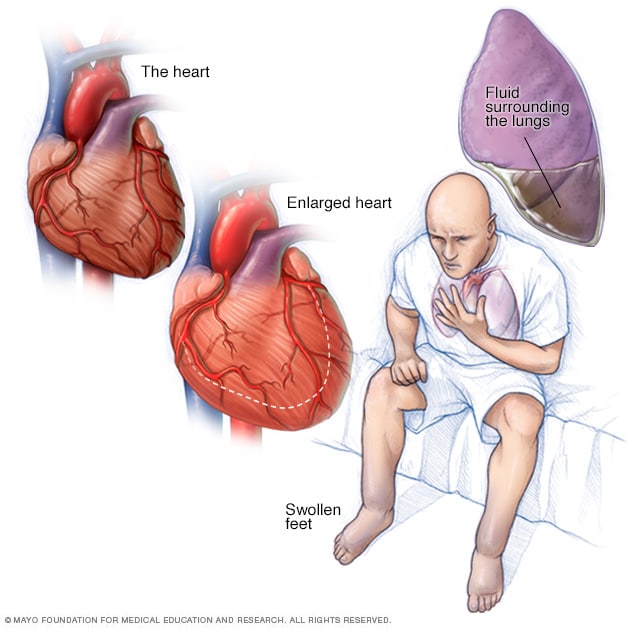
Heart failure occurs when your heart muscle becomes weakened or stiff, preventing it from pumping blood effectively throughout your body. This inefficiency causes blood to back up in your veins, leading to fluid accumulation in various tissues—particularly the lungs, liver, abdomen, and lower extremities.
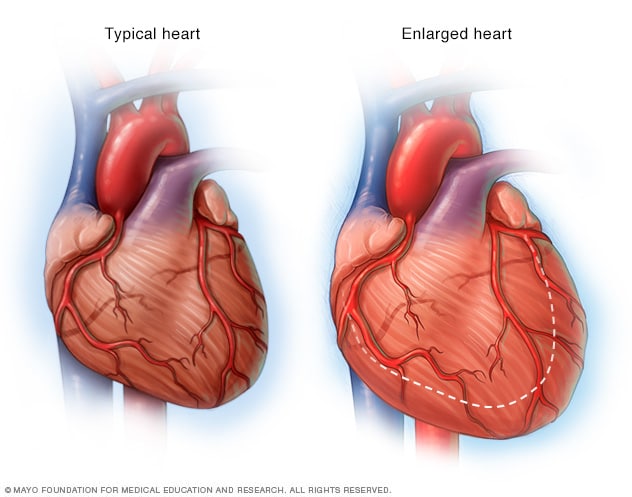
The condition develops gradually in most cases, though it can occur suddenly following a heart attack or other cardiac event. Your body initially compensates through various mechanisms: your heart may enlarge to contract more strongly, develop more muscle mass, or beat faster. Blood vessels may narrow to maintain blood pressure, and blood may be diverted away from less critical tissues to protect vital organs like the heart and brain.
While these compensatory mechanisms work temporarily, they eventually become part of the problem, placing additional strain on an already struggling heart. This is why early detection and intervention are crucial—addressing heart failure before these compensatory mechanisms fail improves outcomes significantly.
Types and Stages of Heart Failure
Understanding heart failure classifications helps you grasp your condition’s severity and treatment approach.
Left-Sided vs. Right-Sided Heart Failure
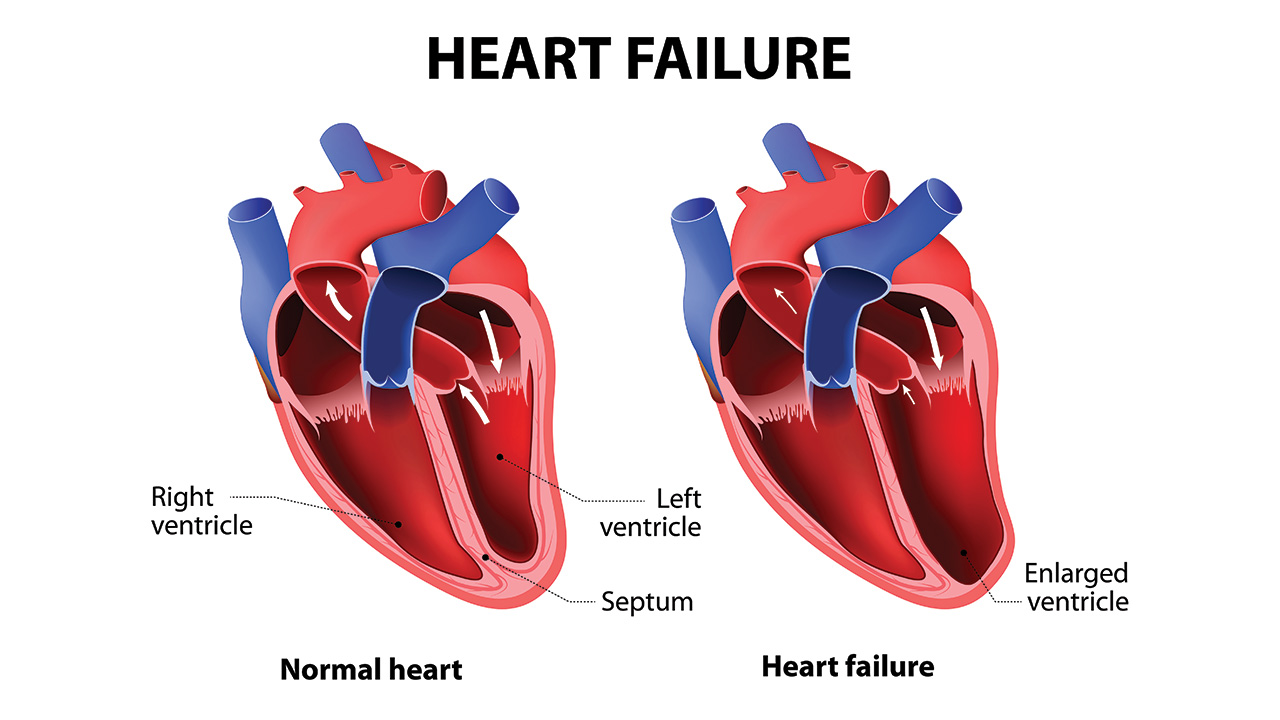
Left-sided heart failure is most common, occurring when the left ventricle—responsible for pumping oxygen-rich blood to the body—doesn’t work effectively. This causes blood to back up into the lungs, resulting in shortness of breath and fatigue. Left-sided heart failure subdivides into systolic failure (the heart can’t contract forcefully) and diastolic failure (the heart can’t relax and fill properly).
Right-sided heart failure typically develops as a consequence of left-sided failure but can occur independently. When the right ventricle fails, blood backs up in veins, causing swelling in the legs, ankles, abdomen, and liver. The two types often coexist, creating biventricular heart failure.
The Four Stages of Heart Failure
The American Heart Association defines four stages representing disease progression:
Stage A indicates high risk for heart failure but no structural heart disease or symptoms. People with diabetes, high blood pressure, or coronary artery disease fall into this category.
Stage B involves structural heart disease but no symptoms. This might include people who’ve had heart attacks, valve disease, or cardiomyopathy without experiencing heart failure symptoms.
Stage C includes people with structural heart disease who have or had heart failure symptoms. This encompasses most diagnosed heart failure patients.
Stage D represents advanced heart failure requiring specialized interventions like heart transplantation, mechanical circulatory support, or hospice care. These patients experience symptoms even at rest despite maximum medical therapy.
Critical Warning Signs You Shouldn’t Ignore
Recognizing heart failure symptoms early enables prompt treatment that can slow disease progression and improve outcomes. Pay attention to these warning signs:
Respiratory Symptoms
Shortness of breath represents the most common heart failure symptom. You may notice difficulty breathing during activities that previously caused no problems, like climbing stairs or walking short distances. As the condition progresses, breathing difficulties may occur even at rest or awaken you at night, forcing you to sit up or prop yourself on multiple pillows.
Persistent coughing or wheezing, particularly when lying down, occurs as fluid accumulates in the lungs. You might notice white or pink blood-tinged phlegm accompanying the cough.
Fluid Retention
Swelling in the legs, ankles, and feet indicates fluid buildup from poor circulation. The swelling often worsens throughout the day and improves overnight when legs are elevated. Press your finger against swollen areas—if an indentation remains, you’re experiencing edema.
Rapid weight gain from fluid retention serves as an important warning sign. Gaining two to three pounds in one day or five pounds in a week warrants immediate medical attention. Monitor your weight management closely if you have heart failure.
Abdominal swelling and decreased appetite may occur as fluid accumulates in the digestive system, causing discomfort and feelings of fullness.
Fatigue and Weakness
Profound fatigue that limits daily activities results from inadequate blood flow to muscles and tissues. You may feel exhausted after minimal exertion or struggle with tasks that once seemed effortless. This fatigue differs from normal tiredness—it’s persistent and doesn’t improve significantly with rest.
Cognitive Changes
Reduced blood flow to the brain can cause confusion, difficulty concentrating, memory problems, or disorientation. Family members often notice these changes before patients do.
Other Warning Signs
Rapid or irregular heartbeat may accompany heart failure as your heart tries to compensate for reduced pumping capacity. Reduced exercise tolerance manifests as inability to perform usual activities without fatigue or breathlessness. Increased nighttime urination occurs as your body processes accumulated fluid when you’re lying down.
According to the American Heart Association, promptly reporting symptom changes to your healthcare provider allows timely treatment adjustments that prevent hospitalizations.
Common Causes and Risk Factors
Understanding what causes heart failure helps you address underlying issues and prevent progression.
Primary Causes
Coronary artery disease and heart attacks represent the leading cause of heart failure. When blood flow to heart muscle becomes blocked, tissue dies, weakening the heart’s pumping ability. Even small heart attacks can contribute to heart failure over time.
High blood pressure forces the heart to work harder to pump blood against increased resistance. Over years, this extra work causes the heart muscle to become stiff or weak. Controlling blood pressure is crucial for preventing heart failure.
Heart valve disease, whether from congenital defects, infections, or age-related changes, forces the heart to work harder. Leaky valves allow blood to flow backward, while narrowed valves restrict forward flow.
Cardiomyopathy—disease of the heart muscle itself—can result from genetics, infections, alcohol abuse, or certain medications. This condition directly impairs the heart’s pumping ability.
Arrhythmias, particularly chronic rapid heart rhythms like atrial fibrillation, can weaken the heart over time if not properly controlled.
Risk Factors You Can Modify
Diabetes damages blood vessels and nerves controlling the heart, significantly increasing heart failure risk. Proper diabetes management protects cardiovascular health.
Obesity increases heart workload and often accompanies other risk factors like high blood pressure and diabetes. Even modest weight loss improves heart function.
Smoking damages blood vessels, reduces oxygen in blood, and increases heart rate and blood pressure. Quitting smoking at any stage benefits heart health.
Excessive alcohol consumption can directly damage heart muscle, causing alcoholic cardiomyopathy. Limiting alcohol intake protects heart function.
Sleep apnea, where breathing repeatedly stops during sleep, strains the heart and increases heart failure risk. Treatment with CPAP or other interventions reduces this risk.
Breakthrough Diagnostic Approaches
Accurate diagnosis and ongoing monitoring form the foundation of effective heart failure management.
Initial Evaluation
Your healthcare provider will conduct a thorough physical examination, listening to your heart and lungs, checking for fluid retention, and assessing your overall health status. Blood tests measure various markers including B-type natriuretic peptide (BNP) or N-terminal pro-BNP (NT-proBNP), which increase with heart failure severity. Other tests evaluate kidney and liver function, electrolyte levels, and thyroid function.
Imaging Studies
Echocardiography uses ultrasound to create moving images of your heart, measuring how well it pumps (ejection fraction), assessing valve function, and identifying structural abnormalities. This painless test provides crucial information guiding treatment decisions.
Chest X-rays reveal heart size and fluid in the lungs. Electrocardiograms (ECG) record your heart’s electrical activity, identifying rhythm problems and previous heart attacks.
Additional tests may include cardiac catheterization to evaluate coronary arteries, cardiac MRI for detailed structural assessment, or stress tests to evaluate heart function during exertion.
Powerful Treatment Strategies That Transform Outcomes
Modern heart failure treatment combines medications, lifestyle modifications, and sometimes surgical interventions to improve symptoms and slow disease progression.
Medication Management
ACE inhibitors or ARBs relax blood vessels, reduce blood pressure, and decrease the heart’s workload while slowing heart failure progression. Beta-blockers slow heart rate and reduce blood pressure, improving heart efficiency and survival. These medications must be started at low doses and gradually increased under medical supervision.
Diuretics eliminate excess fluid, reducing swelling and breathing difficulties. Your healthcare provider may adjust doses based on weight changes and symptoms. Aldosterone antagonists provide additional benefits in moderate to severe heart failure.
Newer medications including SGLT2 inhibitors and sacubitril/valsartan (Entresto) have revolutionized heart failure treatment, significantly reducing hospitalizations and mortality. Digoxin may help control heart rate in certain cases, while other medications address specific underlying conditions.
Device Therapies
Implantable cardioverter-defibrillators (ICDs) monitor heart rhythm and deliver shocks if life-threatening arrhythmias occur. Cardiac resynchronization therapy (CRT) uses special pacemakers to coordinate contractions between heart chambers, improving pumping efficiency in select patients.
Left ventricular assist devices (LVADs) help pump blood in advanced heart failure, serving as bridges to transplantation or long-term support for those not eligible for transplant.
Surgical Interventions
Coronary artery bypass surgery restores blood flow when blocked arteries contribute to heart failure. Valve repair or replacement addresses valve disease causing or worsening heart failure. Heart transplantation remains an option for select patients with end-stage heart failure who meet specific criteria.
Essential Lifestyle Modifications for Better Living
While medications and procedures are crucial, lifestyle changes dramatically impact heart failure outcomes and quality of life.
Dietary Strategies
Limit sodium intake to less than 2,000 milligrams daily, as sodium causes fluid retention. Read food labels carefully, avoid processed foods, and use herbs and spices instead of salt for flavoring. Many restaurant meals contain excessive sodium, so request low-sodium preparation when dining out.
Follow a heart-healthy diet emphasizing fruits, vegetables, whole grains, lean proteins, and healthy fats. The DASH (Dietary Approaches to Stop Hypertension) diet provides an excellent framework. Maintain adequate nutrition while managing calorie intake to achieve or maintain healthy weight.
Monitor fluid intake as directed by your healthcare provider. While staying hydrated is important, excessive fluid consumption can worsen symptoms in advanced heart failure.
Physical Activity Guidelines
Contrary to outdated beliefs, appropriate exercise benefits most heart failure patients. Physical activity strengthens muscles, improves cardiovascular efficiency, enhances mood, and reduces hospitalizations. Start slowly and gradually increase activity under medical supervision.
Walking represents an ideal exercise for most heart failure patients. Begin with short distances and slowly increase duration and pace. Cardiac rehabilitation programs provide supervised exercise training with continuous monitoring, offering the safest way to increase activity levels.
Recognize warning signs to stop exercising: chest pain, severe shortness of breath, dizziness, or unusual fatigue. Explore appropriate workout routines designed for your fitness level.
Weight and Symptom Monitoring
Weigh yourself daily at the same time, typically after waking and using the bathroom. Record weights and report gains of 2-3 pounds in one day or 5 pounds in one week to your healthcare provider immediately. This simple practice enables early intervention before symptoms worsen significantly.
Track symptoms including shortness of breath, fatigue level, swelling, and ability to perform daily activities. Many patients benefit from keeping symptom diaries shared with healthcare teams.
Stress Management and Mental Health
Living with chronic illness affects mental wellness. Depression and anxiety are common among heart failure patients and can worsen physical symptoms. Recognize that these feelings are normal but treatable.
Practice stress reduction techniques including meditation, deep breathing exercises, gentle yoga, or tai chi. Maintain social connections with family and friends, as isolation worsens both mental and physical health.
Consider joining support groups where you can share experiences and learn from others managing similar challenges. Professional counseling helps many people develop coping strategies for living with chronic illness.
Sleep Quality
Prioritize quality sleep despite challenges from nighttime urination and breathing difficulties. Elevate your head with pillows to reduce breathlessness. Take diuretics earlier in the day when possible to minimize nighttime bathroom trips. Maintain consistent sleep schedules and create a comfortable sleep environment.
Discuss persistent sleep problems with your healthcare provider, as sleep apnea frequently coexists with heart failure and requires specific treatment.
Medication Adherence
Take all medications exactly as prescribed, even when feeling well. Many heart failure medications prevent symptoms and slow disease progression rather than providing immediate symptom relief. Missing doses compromises their effectiveness.
Use pill organizers, smartphone reminders, or other tools to maintain medication schedules. Notify your healthcare provider about side effects rather than stopping medications independently, as adjustments or alternatives may be available.
Living Successfully With Heart Failure
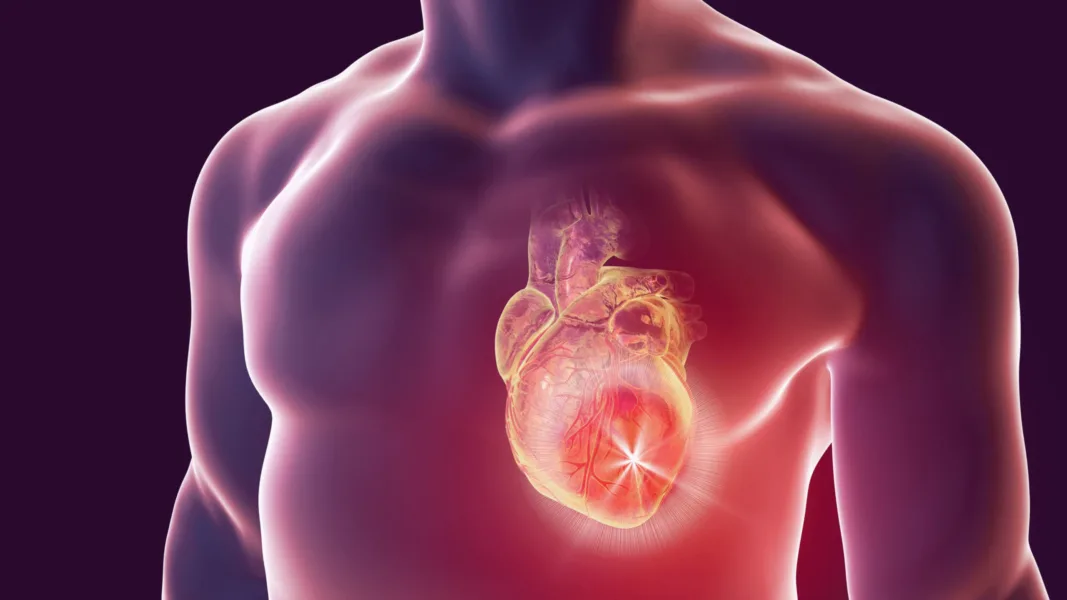
Heart failure is a chronic condition requiring ongoing management, but many people live full, meaningful lives with this diagnosis. Success requires partnership with your healthcare team, commitment to treatment plans, and proactive self-care.
Regular Medical Follow-Up
Attend all scheduled appointments and contact your healthcare provider promptly when symptoms change. Regular monitoring allows treatment optimization and early intervention before problems escalate. Don’t wait until symptoms become severe—early action prevents hospitalizations.
Know When to Seek Emergency Care
Call emergency services immediately for sudden, severe shortness of breath, chest pain, fainting or near-fainting, or rapid irregular heartbeat with shortness of breath or chest discomfort. Contact your healthcare provider urgently for significant weight gain, worsening swelling, or increasing breathlessness.
Plan for the Future
Discuss advance care planning with family and healthcare providers. Understanding treatment options and expressing preferences ensures your wishes are honored. Consider practical matters like disability accommodations if needed and financial planning for ongoing medical care.
Find Purpose and Joy
Heart failure changes your life but doesn’t define it. Focus on activities you can do rather than mourning limitations. Adapt hobbies and interests to your current abilities. Many patients find new meaning in sharing experiences and supporting others facing similar challenges.
Maintain hope while being realistic about your condition. Medical advances continue improving heart failure treatment and outcomes. Your active participation in care significantly influences your prognosis and quality of life.
Frequently Asked Questions About Heart Failure
Can heart failure be cured?
Heart failure is generally a chronic condition requiring lifelong management rather than a disease that can be cured. However, in some cases where specific underlying causes are addressed—such as valve replacement for valve disease or controlling arrhythmias—heart function can improve significantly, and some patients achieve complete recovery. Most people require ongoing treatment to manage symptoms and prevent progression.
What is ejection fraction and why does it matter?
Ejection fraction (EF) measures the percentage of blood pumped out of the heart’s left ventricle with each contraction. Normal EF is 50-70%. Heart failure with reduced ejection fraction (HFrEF) occurs when EF falls below 40%. Heart failure with preserved ejection fraction (HFpEF) means symptoms occur despite normal or near-normal EF, typically due to stiffness rather than weakness. EF helps guide treatment decisions and assess disease severity.
How does heart failure differ from a heart attack?
A heart attack occurs when blood flow to part of the heart becomes suddenly blocked, causing tissue damage. Heart failure is a chronic condition where the heart can’t pump effectively. However, heart attacks commonly cause heart failure by damaging heart muscle. Many heart failure patients have had previous heart attacks, but heart failure can also develop from other causes without any heart attack occurring.
Can I still work with heart failure?
Many people with heart failure continue working, especially with early-stage disease and good symptom control. Job modifications may help, such as reducing physical demands, allowing flexible schedules, or working from home. Disability benefits may be appropriate for those unable to continue working due to severe symptoms. Discuss your specific situation with your healthcare provider and employer.
Is exercise safe with heart failure?
Exercise is not only safe but beneficial for most heart failure patients when done appropriately. Cardiac rehabilitation provides supervised exercise training that’s proven to improve symptoms, quality of life, and outcomes. Start slowly, increase gradually, follow medical guidance, and stop if warning symptoms occur. Exercise strengthens muscles, improves cardiovascular efficiency, and enhances overall well-being.
Will I need a heart transplant?
Most heart failure patients never require heart transplantation. Transplants are reserved for severe, end-stage heart failure not responding to other treatments. Candidates must meet strict criteria including younger age, absence of other serious conditions, and willingness to comply with lifelong immunosuppression. Advances in medications and device therapies mean fewer patients progress to needing transplantation.
Can heart failure get better?
Heart function can improve with optimal treatment, particularly when underlying causes are addressed. Many patients experience symptom improvement with proper medication management, lifestyle modifications, and sometimes surgical interventions. However, heart failure typically requires ongoing management even when symptoms improve, as stopping treatment often causes deterioration.
How long can you live with heart failure?
Prognosis varies widely depending on heart failure severity, underlying causes, age, overall health, and treatment response. Five-year survival rates have improved dramatically with modern treatments. Early-stage heart failure with good medical management has excellent prognosis, while advanced heart failure carries more serious implications. Active participation in your care plan significantly improves outcomes.