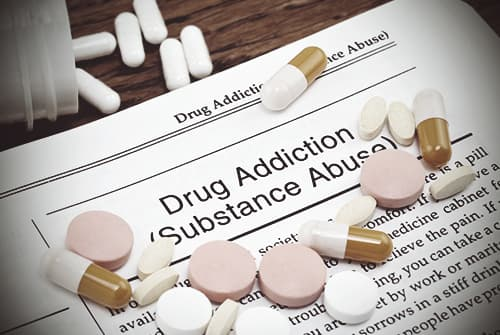

The misuse of drugs is a growing public health crisis with devastating physical, mental, and social consequences. Learn the causes, warning signs, health risks, prevention strategies, and effective solutions to drug misuse.
Introduction
The misuse of drugs is one of the most pressing public health and social challenges of our time. Across all age groups and societies, drug misuse continues to fuel illness, disability, broken families, crime, and premature death. While some drugs are legally prescribed for medical purposes and others are illegal, misuse occurs when substances are taken in the wrong way, at the wrong dose, without prescription, or for non-medical reasons.
Understanding the misuse of drugs is critical for prevention, early intervention, and recovery. This article explores what drug misuse means, why it happens, its health and social consequences, and evidence-based strategies for prevention and treatment.
What Is the Misuse of Drugs?
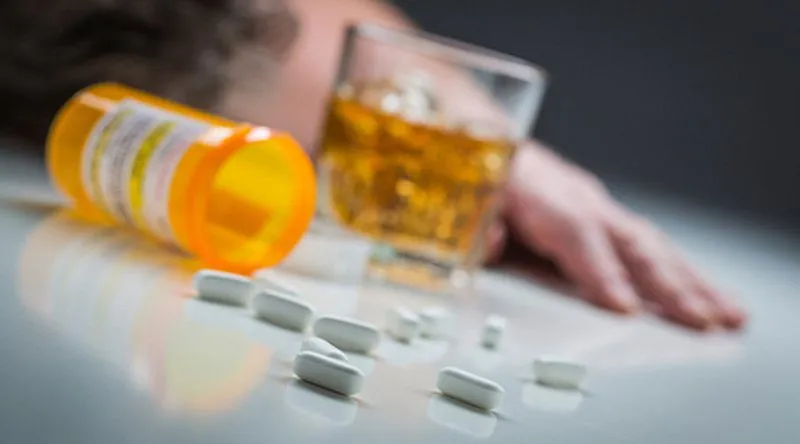
Drug misuse refers to the inappropriate use of substances that alter how the body and brain function. This includes:
- Taking prescription drugs without medical supervision
- Using higher doses or for longer periods than prescribed
- Using drugs for recreational or performance-enhancing purposes
- Combining drugs dangerously, including mixing with alcohol
Drug misuse differs from drug addiction, although misuse can progress into dependence and addiction over time.
Commonly Misused Drugs
Several categories of drugs are commonly misused worldwide:
1. Prescription Medications
- Opioids (e.g., morphine, codeine, tramadol)
- Sedatives and tranquilizers (e.g., benzodiazepines)
- Stimulants (e.g., medications for ADHD)
2. Illegal Drugs
- Cannabis
- Cocaine
- Heroin
- Methamphetamine
3. Over-the-Counter and Household Substances
- Cough syrups
- Inhalants such as glue or petrol
For a broader understanding of medication safety, you may find our article on dietary supplements and safe use helpful.
Why Do People Misuse Drugs?
The causes of drug misuse are complex and often interconnected. Common contributing factors include:
- Peer pressure and social influence
- Stress, anxiety, and depression
- Curiosity or experimentation
- Poor access to mental health support
- History of trauma or abuse
- Lack of awareness about drug risks
Young people are particularly vulnerable, especially when accurate health education is lacking.
Health Consequences of Drug Misuse
The misuse of drugs can cause serious short-term and long-term health problems.
Physical Health Effects
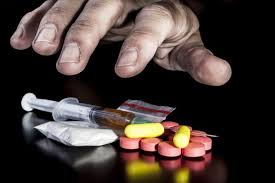
- Organ damage (liver, kidneys, heart)
- Increased risk of infections such as HIV and hepatitis
- Overdose and poisoning
- Impaired brain development in adolescents
Mental Health Effects
- Anxiety and depression
- Psychosis and hallucinations
- Memory loss and impaired judgment
- Increased risk of suicide
According to the World Health Organization (WHO), drug misuse significantly contributes to the global burden of disease and disability, particularly among young adults.
Social and Economic Impact
Beyond individual health, drug misuse affects families, communities, and national economies:
- Family conflict and breakdown
- Reduced academic and work performance
- Crime and violence
- Increased healthcare and law enforcement costs
Drug misuse can also worsen poverty and social inequality, creating a vicious cycle that is difficult to break.
Warning Signs and Symptoms of Drug Misuse (FAQ Integrated)
How can you tell if someone is misusing drugs?
Common warning signs include:
- Sudden changes in behavior or mood
- Declining performance at school or work
- Secretive behavior or withdrawal from family
- Physical signs such as red eyes, weight loss, or tremors
- Financial problems or unexplained spending
Early recognition improves the chances of successful intervention and recovery.
Prevention Strategies
Preventing the misuse of drugs requires a multi-level approach:
Education and Awareness
- School-based health education
- Community outreach programs
- Public health campaigns
Family and Community Support
- Open communication between parents and children
- Positive role models and mentorship
- Strong community engagement
Policy and Regulation
- Proper control of prescription medications
- Enforcement against illegal drug trafficking
- Access to mental health and social services
Our article on child and adolescent health management also highlights the importance of early health education and prevention.
Treatment and Recovery Options
Can drug misuse be treated successfully?
Yes. Recovery is possible with the right support and evidence-based care.
Effective treatment options include:
- Medical detoxification
- Behavioral therapies and counseling
- Medication-assisted treatment (for opioid dependence)
- Support groups and rehabilitation programs
The Centers for Disease Control and Prevention (CDC) emphasizes that treatment works best when it addresses both substance use and underlying mental health conditions.
Reducing Stigma and Supporting Recovery
One of the biggest barriers to addressing drug misuse is stigma. Viewing drug misuse as a moral failure rather than a health condition discourages people from seeking help.
Promoting empathy, accurate information, and access to care can transform lives and communities.
Conclusion
The misuse of drugs is a serious but preventable public health issue. By increasing awareness, strengthening prevention strategies, supporting early intervention, and ensuring access to effective treatment, societies can reduce the devastating impact of drug misuse.
Addressing this challenge requires collaboration between individuals, families, healthcare providers, communities, and policymakers. With the right knowledge and support, recovery is not only possible—it is achievable.