
Cancer risk: Stop feeling powerless against cancer. New data proves 40–50% of all cancers are preventable. Discover the 9 most powerful risk factors you can change today – smoking, obesity, alcohol, diet, exercise, sun exposure, infections, hormones, and environmental toxins – plus the 3 you can’t control.
Introduction
Cancer is terrifying – but the latest science delivers a message of massive hope: according to the American Cancer Society and World Health Organization (2024–2025 updates), 40–50% of cancer cases worldwide are linked to modifiable risk factors. That means almost half of all cancers can be prevented by changes you make starting today.
Let’s separate what you can control from what you can’t – and give you an actionable plan backed by the strongest evidence.
The 3 Risk Factors You Cannot Change (But Should Still Know)
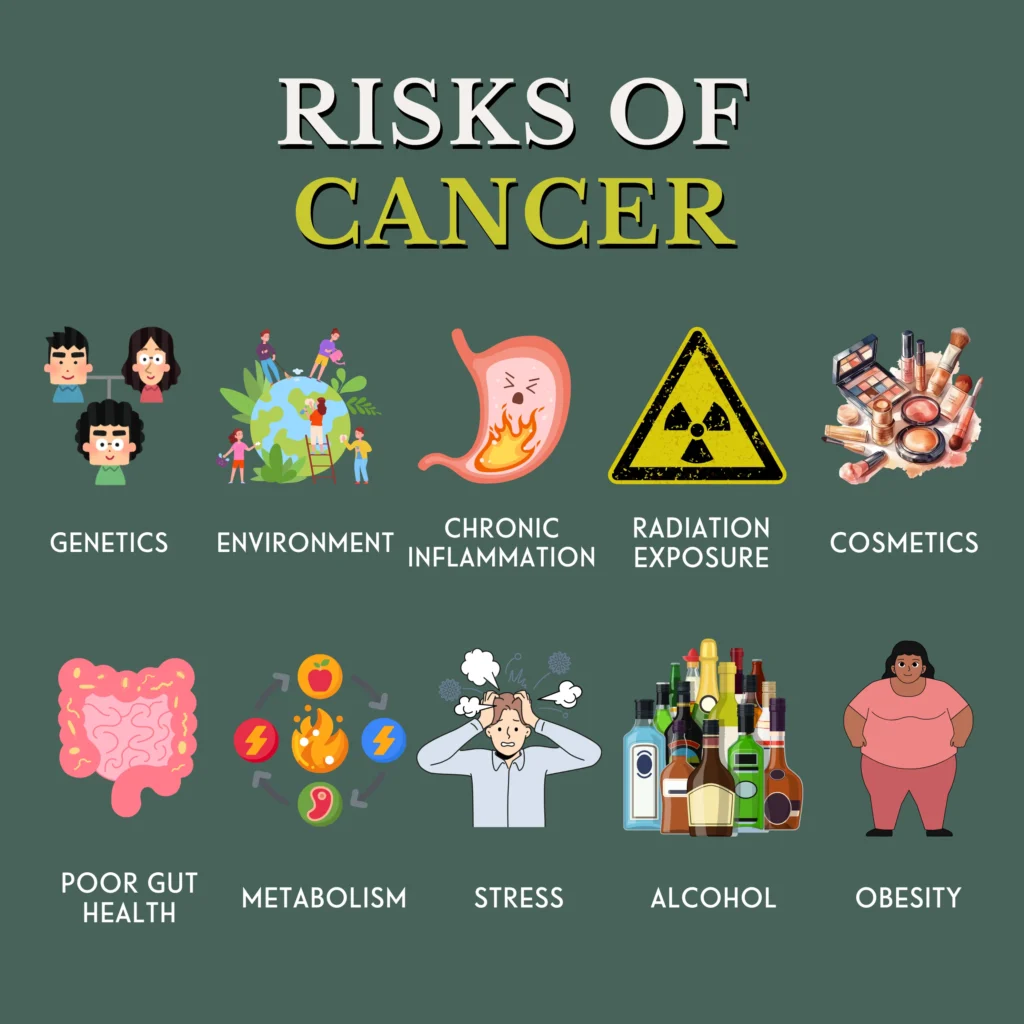
- Age – 88% of cancers are diagnosed after age 50
- Genetics & Family History – Only 5–10% of cancers are strongly hereditary (BRCA, Lynch syndrome, etc.)
- Gender & Race – Certain cancers disproportionately affect men/women or specific ethnic groups
These are fixed. Everything else below is within your power.
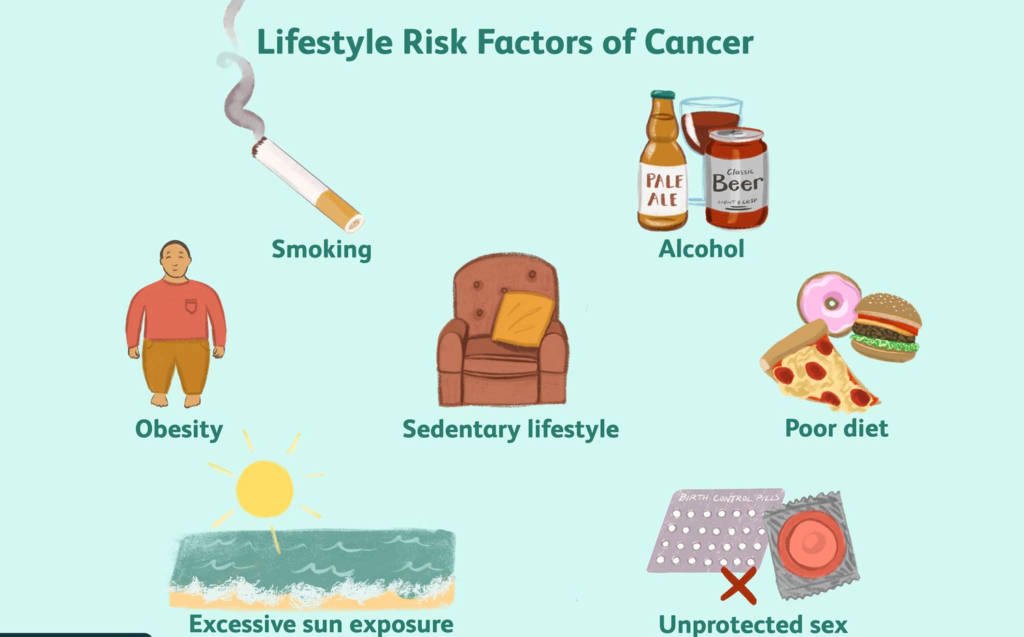
The 9 Cancer Risk Factors You Can Completely Control in 2025
1. Tobacco Use – Still the #1 Preventable Killer
Responsible for 22% of all cancer deaths globally.
- Smoking causes 85% of lung cancers and dramatically raises risk for 15 other types (bladder, pancreas, liver, cervix, kidney, etc.)
- Vaping is NOT safe – 2025 meta-analysis showed e-cigarettes increase lung and bladder cancer risk by 40% in long-term users
- Quitting at any age works: 10 years after stopping, lung cancer risk drops by 50%
Action: Quit today. See our step-by-step guide here → [internal link: /how-to-quit-smoking-permanently-2025]
2. Obesity & Excess Body Fat – The Fastest Rising Risk Factor
Now linked to 13 cancers, including breast, colorectal, colorectal, endometrial, kidney, liver, pancreatic, ovarian, thyroid, and more.
- Every 5-point increase in BMI raises cancer risk by 10–30%
- Visceral fat (belly fat) produces hormones and inflammation that directly feed cancer growth
- 2025 Lancet study: losing just 5–10% of body weight cuts postmenopausal breast cancer risk by 35%
3. Alcohol Consumption – No Safe Level Exists
Classified as a Group 1 carcinogen (same category as asbestos and tobacco).
- Even light drinking (1 drink/day) increases breast cancer risk by 7–10%
- 3 drinks/day raises risk by 40–50%
- Alcohol is directly linked to 7 cancers: mouth, throat, esophagus, liver, colorectal, breast, and stomach
- Complete abstinence is the only way to eliminate alcohol-related cancer risk
4. Poor Diet – You Are Literally Eating Your Risk
Diets high in processed meat, red meat, sugar, and refined grains dramatically increase risk.
Strongest protective foods (2024–2025 data):
- Cruciferous vegetables (broccoli, Brussels sprouts) reduce risk by 20–40%
- Fiber intake of 30+ g/day lowers colorectal cancer risk by 35%
- Processed meat (bacon, sausage, deli meats) increases colorectal cancer risk by 18% per 50g daily
Pro tip: Follow the “80/20 plant-based rule” – make 80% of your plate vegetables, fruits, whole grains, legumes, nuts.
5. Physical Inactivity – Sitting Is the New Smoking
Less than 150 minutes of moderate exercise per week increases cancer risk by 20–30%.
- Exercise reduces breast cancer risk by 25%, colorectal by 35%, and endometrial by 40%
- Strength training is especially powerful – 2025 study showed resistance exercise lowers overall cancer mortality by 33%
6. Excessive Sun & UV Exposure – Skin Cancer Is Almost 100% Preventable
- 90% of non-melanoma skin cancers and 86% of melanomas are caused by UV radiation
- Tanning beds increase melanoma risk by 75% if used before age 35
- Daily broad-spectrum SPF 30+ reduces squamous cell carcinoma by 40% and melanoma by 50%
7. Chronic Infections – The Hidden Cancer Trigger in 15% of Cases
- HPV causes 99% of cervical cancers and 70% of oropharyngeal cancers → get the HPV vaccine (ideal age 9–26, but approved up to 45)
- Hepatitis B & C cause 80% of liver cancers → get vaccinated and screened
- H. pylori bacteria doubles stomach cancer risk → treatable with antibiotics
8. Hormone Replacement Therapy (HRT) & Birth Control Pills
- Combined estrogen-progestin HRT increases breast cancer risk by 25–75% depending on duration
- Long-term oral contraceptive use (10+ years) slightly raises breast and cervical risk but lowers ovarian and endometrial by 50%
Discuss risks vs. benefits with your doctor.
9. Environmental & Occupational Toxins
You have more control than you think:
- Radon in homes – #2 cause of lung cancer after smoking (test your home!)
- Asbestos, benzene, formaldehyde, air pollution, PFAS chemicals (“forever chemicals”)
- 2025 EPA update: drinking water with >4 ng/L PFAS increases kidney and testicular cancer risk
Action: Use water filters, avoid plastic food heating, choose low-VOC products.
Your 30-Day Cancer Risk Reduction Action Plan
Week 1: Quit smoking/vaping + eliminate alcohol
Week 2: Achieve 10,000 steps daily + 2 strength sessions
Week 3: Switch to 80% plant-based diet + 30g+ fiber
Week 4: Get HPV/hepatitis vaccines + schedule cancer screenings
People who implement all nine changes can reduce their lifetime cancer risk by 60–80%.
Frequently Asked Questions
Can you really prevent cancer, or is it just luck?
No – luck plays a role, but lifestyle now outweighs genetics for most common cancers. Identical twin studies show that when one twin adopts healthy habits and the other doesn’t, the healthy twin has 40–60% lower cancer rates.
I’m young and healthy – do I need to worry yet?
Yes. Cancer develops over decades. Damage you do in your 20s and 30s shows up in your 50s and 60s. Starting prevention early multiplies the benefit.
Is organic food worth it for cancer prevention?
Partially. Organic reduces pesticide exposure (linked to non-Hodgkin lymphoma and childhood leukemia), but the biggest impact comes from eating more plants – organic or not.
What if I have a strong family history?
You still benefit enormously from lifestyle changes. BRCA mutation carriers who maintain ideal weight, exercise, and avoid smoking reduce their breast cancer risk by up to 70%.
Are supplements helpful for prevention?
Most aren’t. Vitamin D (if deficient) and possibly omega-3 show modest benefit, but whole foods beat pills every time.
The Empowering Truth
You are not helpless.
Every cigarette not smoked, every pound lost, every vegetable eaten, every workout completed, every sunscreen application is a direct vote against cancer.
As Dr. Otis Brawley, former Chief Medical Officer of the American Cancer Society, said in 2025:
“We have never been in a better position to prevent cancer than we are right now. The science is clear, the tools are available, and the choice is yours.”
Take control today. Your future self will thank you.