
Complete guide to understanding neurodegenerative diseases including Alzheimer’s, Parkinson’s, and ALS. Learn causes, symptoms, diagnostic methods, emerging treatments, and breakthrough research offering hope for 50 million affected worldwide.
Introduction
Fifty million people worldwide live with neurodegenerative disorders, conditions where brain cells progressively die, robbing individuals of movement, memory, and independence. The World Health Organization estimates that 50 million people worldwide are affected by neurodegenerative disorders – primarily characterized by motor neuron dysfunction and loss – and that number is expected to rise as our population ages. Understanding these devastating conditions empowers patients, families, and caregivers to navigate diagnosis, treatment, and daily challenges while staying informed about promising research breakthroughs.
What Are Neurodegenerative Diseases?

Neurodegenerative diseases represent a group of conditions characterized by progressive neuronal death in specific brain regions. Unlike other body cells that regenerate regularly, neurons largely remain irreplaceable throughout life, making their dysfunction particularly catastrophic. Alzheimer’s and Parkinson’s are both neurodegenerative diseases caused by disruption and damage to certain parts of the brain, with more and more critical brain cells dying as the disease progresses.
The term “neurodegeneration” encompasses diverse conditions unified by common features: abnormal protein accumulation, oxidative stress, mitochondrial dysfunction, and neuroinflammation. Each disease targets specific neuron populations, producing distinct symptom patterns that gradually worsen over months to years.
The Growing Global Burden
Neurodegenerative diseases, particularly Alzheimer’s disease and other dementias as well as Parkinson’s disease, are emerging as profoundly significant challenges and burdens to global health, a trend highlighted by the most recent Global Burden of Disease (GBD) 2021 studies. Alzheimer’s disease and Parkinson’s disease are the two most common neurodegenerative diseases, impacting nearly 8 million people combined in the U.S. The number of people living with each disease is expected to double by 2050.
This alarming trajectory reflects aging populations globally, as advanced age represents the primary risk factor for most neurodegenerative conditions. The demographic shift toward longevity paradoxically increases burden from diseases affecting older adults, creating urgent needs for effective interventions.
Major Neurodegenerative Diseases
Alzheimer’s Disease: The Memory Thief
Alzheimer’s represents the most common neurodegenerative disorder and leading cause of dementia, affecting memory, thinking, and behavior. Early symptoms include difficulty remembering recent events, confusion about time or place, trouble completing familiar tasks, and changes in mood or personality.
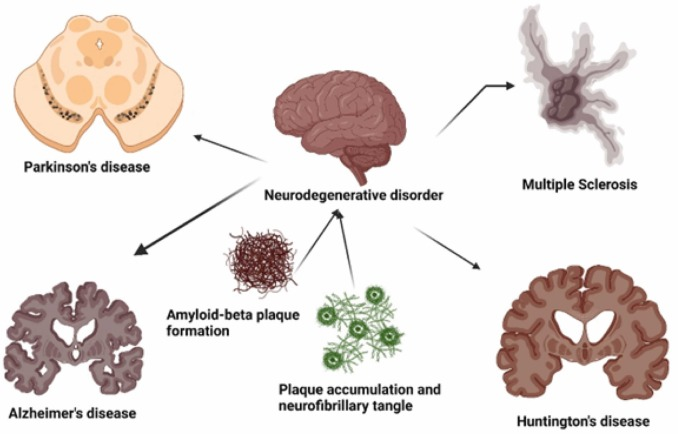
Pathological Hallmarks: Both Alzheimer’s and Parkinson’s are neurodegenerative diseases researchers have linked to toxic protein clumps in the brain. In these cases, faulty versions of otherwise healthy proteins found in the brain form clumps and tangles that damage brain cells and disrupt brain function. In Alzheimer’s, beta-amyloid plaques accumulate outside neurons while tau protein tangles form inside cells, collectively disrupting communication between brain cells and triggering inflammatory responses.
Disease Progression: Symptoms worsen gradually over 7-10 years typically, though progression varies considerably. Early-stage patients may function independently with mild memory lapses. Middle-stage individuals require increasing assistance with daily activities as confusion deepens. Late-stage patients lose ability to communicate, recognize loved ones, or control bodily functions, requiring complete care.
Parkinson’s Disease: The Movement Disorder
Parkinson’s disease is the second-most common neurodegenerative disorder in the U.S., after Alzheimer’s disease. The National Institutes of Neurological Disorders and Stroke estimates that as many as one million Americans are living with Parkinson’s. This condition primarily affects movement through progressive loss of dopamine-producing neurons in brain regions controlling motor function.
Cardinal Motor Symptoms:
- Tremor, typically starting in one hand at rest
- Bradykinesia (slowed movement)
- Muscle rigidity and stiffness
- Postural instability and balance problems
Non-Motor Symptoms: Depression, anxiety, sleep disturbances, constipation, loss of smell, and cognitive changes often precede motor symptoms by years, complicating early diagnosis.
Underlying Mechanism: While beta-amyloid clumps and tau tangles are more common in Alzheimer’s disease, Parkinson’s is mainly characterized by alpha-synuclein buildup. These toxic alpha-synuclein aggregates, called Lewy bodies, accumulate in dopaminergic neurons, ultimately causing their death.
Amyotrophic Lateral Sclerosis (ALS): The Rapid Destroyer
ALS attacks motor neurons controlling voluntary muscles throughout the body. An estimated 32,000 individuals are currently living with ALS in the U.S., according to the Les Turner ALS Foundation. Unlike Alzheimer’s and Parkinson’s which progress over years, ALS typically advances rapidly, with most patients surviving 2-5 years post-diagnosis.
Clinical Presentation: Muscle weakness beginning in hands, feet, or speech muscles, progressive difficulty walking, swallowing, and breathing, muscle twitching and cramping, eventual paralysis affecting all voluntary muscles while cognition typically remains intact.
Devastating Timeline: The rapid progression distinguishes ALS from other neurodegenerative conditions. Patients often retain full mental faculties while becoming completely paralyzed, creating profound psychological and caregiving challenges.
Huntington’s Disease: The Inherited Tragedy
This autosomal dominant genetic disorder causes progressive degeneration of nerve cells in the brain, affecting movement, cognition, and psychiatric function. Symptoms typically emerge in mid-life, with progression spanning 15-20 years.
Triple Impact: Movement disorders including chorea (involuntary jerking), cognitive decline affecting executive function and processing speed, and psychiatric symptoms like depression, irritability, and impulsivity characterize this devastating condition.
Common Mechanisms: The Protein Misfolding Connection
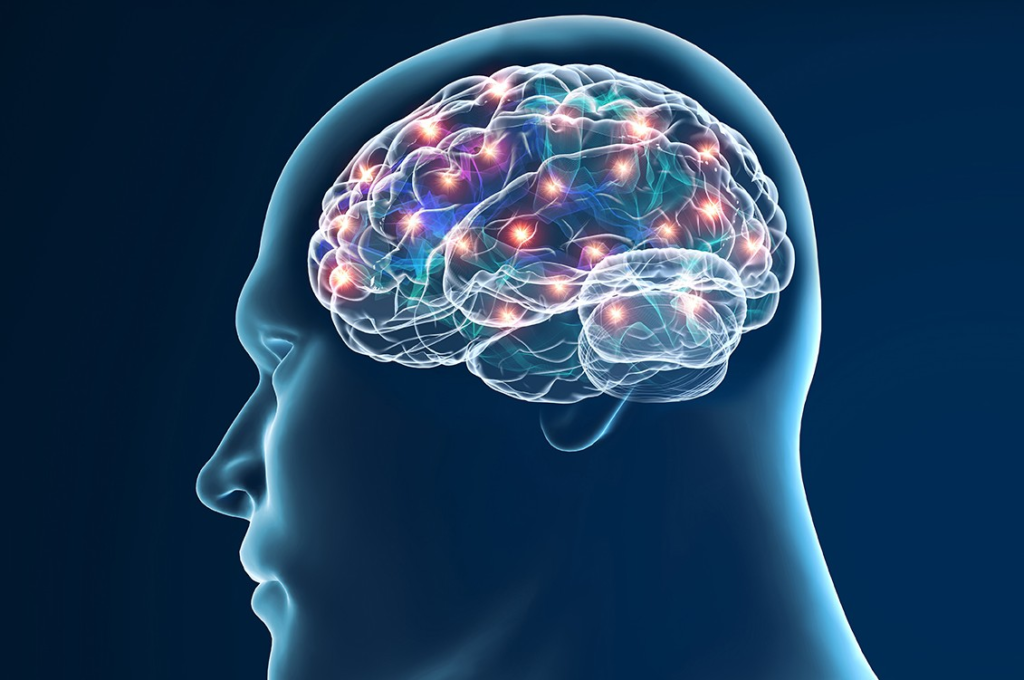
Despite affecting different brain regions and producing distinct symptoms, neurodegenerative diseases share fundamental mechanisms. Protein misfolding and aggregation represent unifying themes. Normal cellular proteins adopt specific three-dimensional shapes enabling proper function. In neurodegenerative diseases, these proteins misfold, forming toxic aggregates that accumulate over time.
The Prion-Like Hypothesis: Toxic buildups of each of these types of proteins may be found at different levels across a range of neurodegenerative diseases. Research suggests misfolded proteins propagate through neural networks in prion-like fashion, converting normal proteins to pathological forms and spreading disease throughout the brain—explaining progressive geographic expansion of neurodegeneration.
Neuroinflammation’s Double-Edged Role
The immune system‘s response to protein aggregation paradoxically contributes to neurodegeneration. Microglia, the brain’s resident immune cells, initially attempt clearing toxic proteins. However, chronic activation transforms protective inflammation into destructive neuroinflammation, releasing molecules that damage healthy neurons and accelerate disease progression.
Mitochondrial Dysfunction
Neurons demand enormous energy, making them particularly vulnerable to mitochondrial problems. Neurodegenerative diseases disrupt these cellular powerhouses, creating energy deficits that compromise neuronal function and survival. Oxidative stress from dysfunctional mitochondria further damages cellular components including DNA, proteins, and lipids.
Diagnostic Approaches
Accurate diagnosis requires comprehensive evaluation combining clinical assessment, cognitive testing, imaging studies, and increasingly, biomarker analysis.
Clinical Evaluation
Neurologists assess medical history, symptom onset and progression, family history, and conduct detailed neurological examinations testing memory, reasoning, motor function, coordination, and sensory responses. Pattern recognition based on clinical presentation guides diagnosis, though definitive confirmation often requires additional testing.
Advanced Neuroimaging
MRI and CT Scans: Structural imaging reveals brain atrophy patterns characteristic of specific neurodegenerative diseases. Alzheimer’s typically shows hippocampal shrinkage, while Parkinson’s may demonstrate changes in substantia nigra.
PET Scans: Functional imaging using radioactive tracers detects abnormal protein accumulation (amyloid and tau in Alzheimer’s), reduced glucose metabolism indicating neuronal dysfunction, and diminished dopamine transporter activity in Parkinson’s.
Biomarker Revolution
Cerebrospinal fluid analysis measuring beta-amyloid, tau proteins, and alpha-synuclein levels assists diagnosis, particularly distinguishing Alzheimer’s from other dementias. Blood-based biomarkers emerging in research may eventually enable simple screening tests for neurodegenerative diseases, facilitating earlier detection when interventions might prove most effective.
Current Treatment Landscape
Most neurodegenerative diseases currently lack cures, with available treatments primarily managing symptoms rather than halting progression.
Alzheimer’s Management
Cholinesterase Inhibitors: Medications like donepezil enhance cognitive function by preventing breakdown of acetylcholine, a neurotransmitter important for memory and learning.
Disease-Modifying Therapies: Several recently approved Alzheimer’s drugs have proven effective in reducing the amount of toxic amyloid-beta proteins that cause the disease. Lecanemab and donanemab represent breakthrough anti-amyloid antibodies demonstrating modest cognitive decline slowing in early-stage patients.
Parkinson’s Treatment
Dopamine Replacement: In Parkinson’s, the brain loses the ability to create the chemical dopamine, which is involved in movement. Levodopa remains the gold standard, converting to dopamine in the brain and alleviating motor symptoms, though long-term use causes complications including dyskinesias.
Deep Brain Stimulation: Surgical implantation of electrodes delivering electrical impulses to specific brain regions significantly improves motor symptoms in selected patients, offering alternatives when medications lose effectiveness.
ALS Support
Available medications modestly extend survival by months, not years. Riluzole and edaravone represent the primary FDA-approved drugs. Treatment focuses heavily on supportive care: respiratory support, nutritional management through feeding tubes, physical therapy maintaining mobility, and assistive devices enabling communication as speech deteriorates.
Breakthrough Research and Emerging Therapies
Despite historical therapeutic failures, recent years have witnessed remarkable progress offering genuine hope.
Gene Therapy Advances
A study published in Nature Communications showed that RNA interference may play a key role in Alzheimer’s disease. For the first time, scientists identified short strands of toxic RNAs that contribute to brain cell death and DNA damage in Alzheimer’s and aged brains. Understanding these mechanisms opens novel therapeutic avenues targeting disease at genetic and molecular levels.
Antisense Oligonucleotides
These synthetic DNA or RNA sequences bind target genes, modulating protein production. Tofersen for ALS patients with specific genetic mutations represents proof-of-concept, demonstrating that precision medicine approaches targeting molecular causes can benefit neurodegenerative disease patients.
Stem Cell Therapies
Mesenchymal stem cells demonstrate ability to modulate immune systems, promote neuronal growth, and facilitate tissue repair through releasing therapeutic molecules. While not regenerating dead neurons, these approaches may protect surviving cells and slow progression.
Immunotherapy Revolution
Researchers hope that a similar approach may soon result in treatments that can target the harmful protein clumps found in Parkinson’s and other neurodegenerative diseases. Monoclonal antibodies designed to clear toxic protein aggregations show promise across multiple conditions, potentially slowing or halting neurodegeneration before extensive damage occurs.
Neuroprotective Strategies
Recent discoveries identified molecules blocking cell death pathways activated in neurodegenerative diseases. Targeting proteins like BAX that trigger neuronal death represents entirely new therapeutic directions, potentially preventing cell loss rather than merely managing consequences.
Frequently Asked Questions

What causes neurodegenerative diseases, and are they preventable?
Most neurodegenerative diseases result from complex interactions between genetic susceptibility and environmental factors. Age represents the primary risk factor, though specific genetic mutations cause hereditary forms. While you cannot completely prevent these conditions, evidence suggests certain lifestyle modifications reduce risk: regular physical exercise, mentally stimulating activities, social engagement, Mediterranean diet patterns, managing cardiovascular risk factors like hypertension and diabetes, adequate sleep, and stress management. These interventions may delay onset or slow progression even if they cannot eliminate risk entirely.
How are neurodegenerative diseases diagnosed?
Diagnosis combines multiple approaches. Neurologists conduct thorough clinical examinations assessing cognitive function, motor skills, coordination, and behavior patterns. Advanced brain imaging through MRI reveals structural changes and atrophy patterns, while PET scans detect abnormal protein accumulation or reduced brain metabolism. Cerebrospinal fluid analysis measures biomarkers like amyloid-beta and tau proteins in suspected Alzheimer’s. Genetic testing identifies mutations causing hereditary forms. Definitive diagnosis sometimes requires ruling out other conditions through comprehensive evaluation, as early symptoms may overlap among different disorders or resemble normal aging.
Is there a cure for neurodegenerative diseases?
Currently, no cures exist for major neurodegenerative diseases. However, this doesn’t mean treatments are ineffective or research is stagnant. Available therapies manage symptoms, slow progression, and significantly improve quality of life. Recent breakthrough medications for Alzheimer’s represent first disease-modifying treatments, modestly slowing cognitive decline in early-stage patients. Research advances accelerate rapidly, with numerous promising approaches in clinical trials. Gene therapies, immunotherapies, neuroprotective agents, and stem cell treatments offer realistic hope that within coming years, we’ll possess tools to halt or significantly slow these devastating conditions.
How quickly do neurodegenerative diseases progress?
Progression varies dramatically among diseases and individuals. Alzheimer’s typically advances over 7-10 years from diagnosis to severe dementia, though some patients progress faster or slower. Parkinson’s progression spans 10-20+ years, with symptoms gradually worsening but often remaining manageable for extended periods with treatment. ALS progresses most rapidly, typically 2-5 years from diagnosis to death, though 10-20% of patients survive longer. Huntington’s disease progresses over 15-20 years. Individual variation is substantial—two people with identical diagnoses may experience very different trajectories based on genetic factors, overall health, treatment adherence, and unknown variables.
What support resources exist for patients and families?
Numerous organizations provide education, support groups, caregiver resources, and advocacy. The Alzheimer’s Association, Parkinson’s Foundation, ALS Association, and Huntington’s Disease Society of America offer comprehensive services including helplines, online communities, local chapters, educational materials, and care consultations. Many hospitals operate specialized neurodegenerative disease clinics providing multidisciplinary care from neurologists, social workers, physical therapists, and other specialists. Respite care services give caregivers necessary breaks. Support groups—both in-person and virtual—connect families facing similar challenges, offering emotional support and practical advice from those with lived experience.
Can lifestyle changes slow disease progression?
Evidence increasingly supports that lifestyle modifications benefit even after diagnosis. Regular physical activity improves motor symptoms in Parkinson’s, enhances cognitive function in dementia, and supports overall health. Cognitive stimulation through mentally challenging activities, social interaction, and learning new skills may slow cognitive decline. Adequate nutrition prevents malnutrition common in advanced disease while potentially supporting neuronal health. Stress management, quality sleep, and treatment of depression or anxiety improve quality of life and may positively influence disease trajectory. While lifestyle changes cannot cure neurodegenerative diseases, they represent powerful tools maximizing function and wellbeing throughout disease course.
What does the future hold for neurodegenerative disease treatment?
The outlook is increasingly hopeful. The links between diseases like Parkinson’s, Alzheimer’s, and other neurodegenerative conditions show that a breakthrough in one disease may lead to advancements in many others. Unprecedented research investment, advanced technologies enabling precise molecular targeting, improved understanding of disease mechanisms, and successful proof-of-concept for disease-modifying therapies create realistic optimism. Within the next decade, we’ll likely see treatments that significantly slow progression, earlier detection enabling intervention before extensive damage occurs, and potentially therapies reversing some neurological damage. Continued research funding and clinical trial participation remain crucial for translating scientific discoveries into accessible treatments.
Living with Neurodegenerative Disease
Early Planning and Legal Considerations
Upon diagnosis, address advance directives, durable power of attorney, living wills, and estate planning while cognitive capacity remains intact. These legal documents ensure wishes regarding medical care and financial matters are respected as disease progresses.
Adapting the Home Environment
Safety modifications prevent falls and injuries: removing tripping hazards, installing grab bars, improving lighting, using assistive devices like walkers or wheelchairs, adapting bathrooms and kitchens for accessibility, and implementing memory aids like labeled cabinets and calendars.
Caregiver Support
Caregiving for neurodegenerative disease patients creates immense physical and emotional strain. Caregivers must prioritize their own health through respite care, support groups, counseling, maintaining social connections, exercise and stress management, and accepting help from family and friends. Caregiver burnout serves no one—self-care enables sustained caregiving capacity.
The Role of Clinical Trials
Participating in research studies advances scientific understanding while providing access to experimental treatments. Clinical trials need diverse participants representing different ages, ethnicities, and disease stages. Websites like clinicaltrials.gov list ongoing studies, and neurodegenerative disease organizations maintain trial matching services connecting interested individuals with appropriate research opportunities.
Conclusion
Neurodegenerative diseases represent among medicine’s greatest challenges, but also areas of most intensive research focus. The convergence of advanced neuroscience, genetic technologies, precision medicine, and unprecedented research collaboration creates genuine momentum toward effective therapies.
For the 50 million people currently affected and countless more at risk as populations age, each research advance matters profoundly. From understanding protein misfolding mechanisms to developing immunotherapies clearing toxic aggregates, from gene therapies correcting molecular defects to neuroprotective agents preventing cell death, the therapeutic landscape transforms rapidly.
While we await breakthroughs, current treatments, supportive care, lifestyle modifications, and strong support networks enable many patients to maintain quality of life and meaningful connections despite progressive neurological decline. Understanding these complex conditions empowers patients, families, and communities to navigate challenges, advocate for needed resources, participate in research, and maintain hope for a future where neurodegenerative diseases become manageable chronic conditions rather than inevitably devastating diagnoses.