
Discover the astonishing 100-year evolution of dentistry! From foot drills to AI, explore the tech & philosophy that transformed pain into precision care.
Introduction into the Evolution of Dentistry: A Century of Smiles Transformed
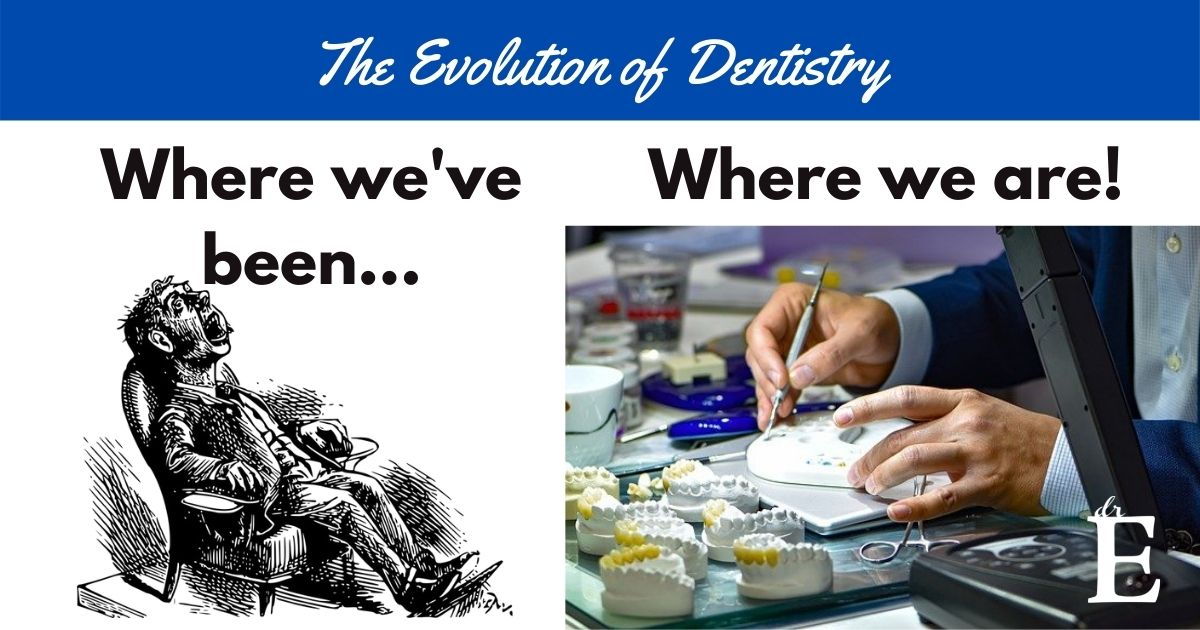
Imagine a dental visit in the 1920s: the whir of a foot-powered drill, the stark smell of antiseptic, and the very real prospect of significant pain. Now, picture a modern dental clinic—a place of digital precision, pain-free procedures, and a focus on holistic health and aesthetic beauty. The journey from then to now is nothing short of revolutionary. Over the past 100 years, dentistry has undergone a metamorphosis of epic proportions, evolving from a feared, extraction-focused trade into a sophisticated, preventive, and patient-centered science. This transformation has been driven by groundbreaking technological leaps, a profound shift in philosophy from repair to prevention, and a relentless pursuit of patient comfort and care. Let’s explore the remarkable timeline of innovation that has redefined not just our smiles, but our very health and well-being.
The Early 20th Century: The Foundations of Modern Practice (1920s-1940s)

A century ago, dentistry was a daunting experience. The field was still emerging from its rudimentary roots, with formal education often taking a backseat to apprenticeships[reference:0]. Tools were basic, and anesthesia was primitive, making visits a source of genuine anxiety.
However, this era laid the critical groundwork for the systematic profession we know today. Key developments included:
- Professionalization and Education: The establishment of formal dental schools and standardized degrees moved dentistry from a trade to a respected healthcare profession.
- The Rise of Amalgam: Silver amalgam became the standard, durable material for treating cavities, a role it would hold for decades[reference:1].
- Understanding the Enemy: The pivotal link between oral bacteria, sugar, and tooth decay was firmly established, shifting the focus toward oral hygiene[reference:2].
- The Modern Toothbrush: The invention of the nylon-bristled toothbrush in 1938 replaced boar bristle brushes, making effective daily cleaning accessible to the masses[reference:3].
The Mid-Century Revolution: Prevention Takes Center Stage (1950s-1970s)
The mid-20th century witnessed a paradigm shift—from merely fixing problems to actively preventing them. This was the era of public health triumph.
- The Fluoride Breakthrough: The introduction of fluoride into public water supplies (beginning in 1945) and later into toothpaste was arguably the single greatest public health achievement in dentistry[reference:4]. It led to a dramatic, population-wide reduction in tooth decay by strengthening tooth enamel against acid attacks.
- The High-Speed Handpiece: Patented in 1957, the air-driven, high-speed dental drill revolutionized restorative work. It cut tooth structure with unprecedented speed and reduced vibration, making procedures quicker and less uncomfortable for patients[reference:5].
- The Birth of Dental Hygiene: The formalization of the dental hygienist profession emphasized preventive care, with regular professional cleanings becoming the standard for maintaining oral health[reference:6].
- Adhesive Dentistry and Composites: The development of the first composite resin restorative material in 1962 offered a tooth-colored alternative to amalgam, hinting at the future of aesthetic dentistry[reference:7].
The Late 20th Century: The Aesthetic and Digital Dawn (1980s-1990s)
As preventive care reduced the incidence of decay, dentistry’s scope expanded to encompass the appearance and full function of the smile.
- The Cosmetic Dentistry Boom: Procedures like commercial tooth whitening (1989) and the popularization of porcelain veneers placed a new emphasis on smile aesthetics[reference:8]. Dentistry was no longer just about health; it was about confidence and self-image.
- The Implant Era: While concepts existed earlier, the 1980s and 1990s saw the refinement and widespread adoption of titanium dental implants. This provided a permanent, bone-preserving solution for missing teeth, far superior to removable dentures.
- Early Digital Technologies: The first digital radiographs (X-rays) reduced radiation exposure and improved diagnostic capabilities. Computer-aided design (CAD) began to influence the fabrication of crowns and bridges.
The 21st Century: The Age of Precision, Comfort, and Minimally Invasive Care
Today’s dentistry is characterized by technologies that seemed like science fiction just a generation ago. The core pillars are digital precision, patient comfort, and minimally invasive techniques.

- Digital Workflows: Technologies like intraoral scanners (replacing messy impressions), CAD/CAM systems (for designing and milling crowns in a single visit), and cone-beam CT (3D imaging) have created a seamless, accurate, and efficient digital workflow[reference:9].
- Laser Dentistry: Lasers are now used for a range of soft- and hard-tissue procedures, often with less bleeding, reduced need for anesthesia, and faster healing times[reference:10].
- Biocompatible and Aesthetic Materials: The evolution of dental materials has been “more of a revolution than an evolution”[reference:11]. High-strength, translucent ceramics and advanced composite resins provide restorations that are indistinguishable from natural teeth, moving firmly away from metallic aesthetics[reference:12].
- Minimally Invasive Philosophy: Guided by better diagnostics and adhesives, the goal is to preserve as much healthy tooth structure as possible. Techniques like air abrasion allow for the treatment of early decay without the drill in many cases[reference:13].
Table: A Century of Dental Evolution – Key Comparisons
| Aspect of Care | Early 20th Century (1920s) | Early 21st Century (2020s) |
|---|---|---|
| Primary Focus | Emergency care, extractions, basic repair | Prevention, holistic health, aesthetics, and preservation |
| Diagnostic Tools | Visual exam, basic X-rays (film) | Digital X-rays, intraoral cameras, 3D cone-beam CT scans |
| Common Materials | Amalgam (silver fillings), gold, vulcanite dentures | Tooth-colored composites, ceramics, zirconia, biocompatible implants |
| Pain Management | Primitive local anesthetics (e.g., Novocain), often inadequate | Effective local anesthetics, sedation dentistry, laser-based procedures |
| Patient Experience | Often painful, anxiety-inducing, paternalistic | Comfort-focused, patient-centered, empowered by technology and choice |
| Preventive Power | Minimal public health measures, basic oral hygiene | Fluoridation, sealants, sophisticated home care products, genetic risk assessment |
The Future Horizon: What’s Next for Dentistry?
The next decade promises to continue this trajectory of innovation, making care even more personalized, predictive, and regenerative.
- Artificial Intelligence (AI): AI algorithms will analyze X-rays and scans to detect cavities, gum disease, and even oral cancer at their earliest, most treatable stages, often before they are visible to the human eye.
- Biomimetic and Regenerative Therapies: Research is focused on materials that mimic natural tooth structure and biologically active solutions that can regenerate tooth enamel or stimulate the pulp to repair itself, moving beyond mere restoration.
- Tele-dentistry and Remote Monitoring: Virtual consultations and apps that monitor brushing habits or orthodontic progress will increase access to care and reinforce positive behaviors between visits.
- Personalized Preventive Care: Advances in genomics may allow dentists to assess an individual’s genetic risk for cavities or periodontal disease, leading to truly customized prevention plans.
FAQs: Your Questions Answered
What was the single most important advancement in dentistry over the past 100 years?
While many technologies stand out, the introduction of fluoride into public water supplies and toothpaste had the most profound population-wide impact. It is credited with drastically reducing tooth decay rates across generations and remains a cornerstone of public health, a topic deeply connected to community wellness initiatives like the sugar tax.
How has the patient experience changed the most?
The shift from a painful, anxiety-driven ordeal to a comfort-focused, collaborative experience is the most significant change. Modern anesthesia, sedation options, noise-reducing drills, and a patient-centered communication style have transformed the dental chair from a place of fear to one of trust and care.
Is “drill-and-fill” dentistry a thing of the past?
The philosophy is shifting rapidly. While drills are still necessary for treating advanced decay, the emphasis is now on “minimally invasive” techniques. With better diagnostics, we can detect problems earlier and often use remineralizing agents, sealants, or micro-abrasion to intervene long before a drill is needed.
What does the future hold for dental materials?
The future is biomimetic and bioactive. Researchers are developing “smart” materials that not only look like natural teeth but can interact with the oral environment to release minerals, fight bacteria, and integrate seamlessly with the body’s own tissues.
How can I ensure my dental care is using modern, ethical practices?
Choose a dentist who commits to continuing education and demonstrates modern technology in their practice. Furthermore, you can look for practices that adhere to strong ethical frameworks, such as the 9 GDC Principles, which prioritize putting patients’ interests first, obtaining valid consent, and maintaining high standards of care.
Conclusion: A Brighter, Healthier Future for Every Smile

The evolution of dentistry over the past century is a testament to human ingenuity and a deepening commitment to health and dignity. We have moved from the fear of the foot-powered drill to the precision of the laser, from treating pain to preventing disease, and from simply saving teeth to creating healthy, beautiful smiles that last a lifetime.
This journey underscores the importance of embracing prevention, seeking out practitioners who invest in modern technology and ethical care, and understanding that oral health is inextricably linked to overall well-being. As we stand on the brink of new breakthroughs in AI and regenerative medicine, one thing is certain: the future of dentistry is brighter than ever, promising continued innovation in the pursuit of healthier, happier smiles for all.