

Learn the differences between infectious diseases and lifestyle diseases, their causes, risk factors, and prevention strategies for better long-term health.
Introduction
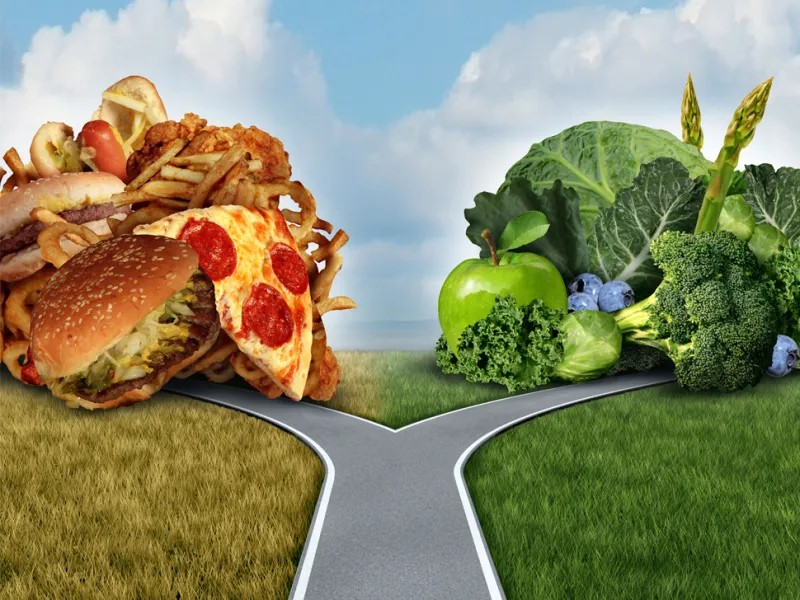
Diseases can be broadly classified into two major groups: infectious diseases and lifestyle diseases. Both significantly impact global health, but they differ in causes, prevention, and management.
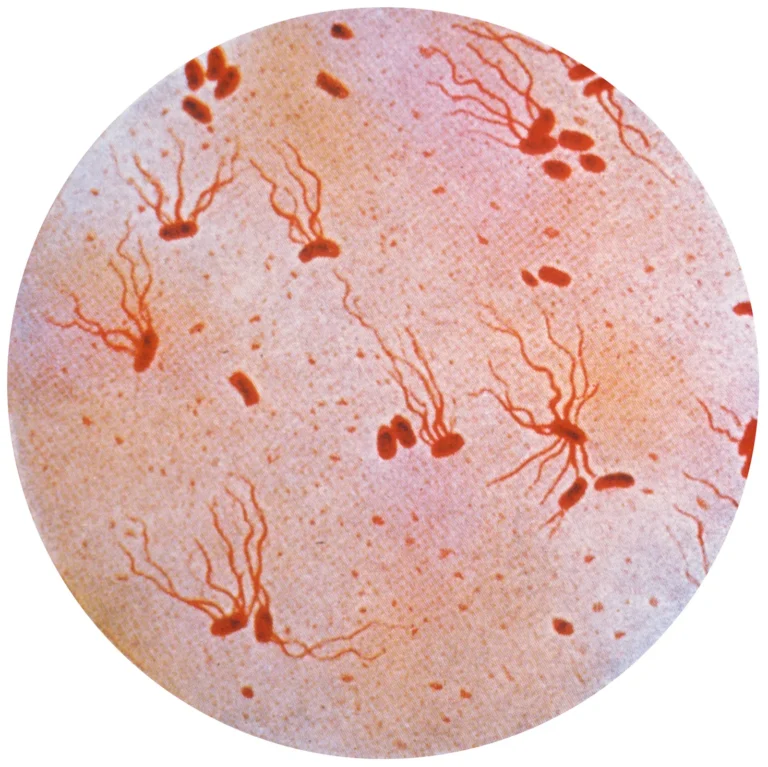
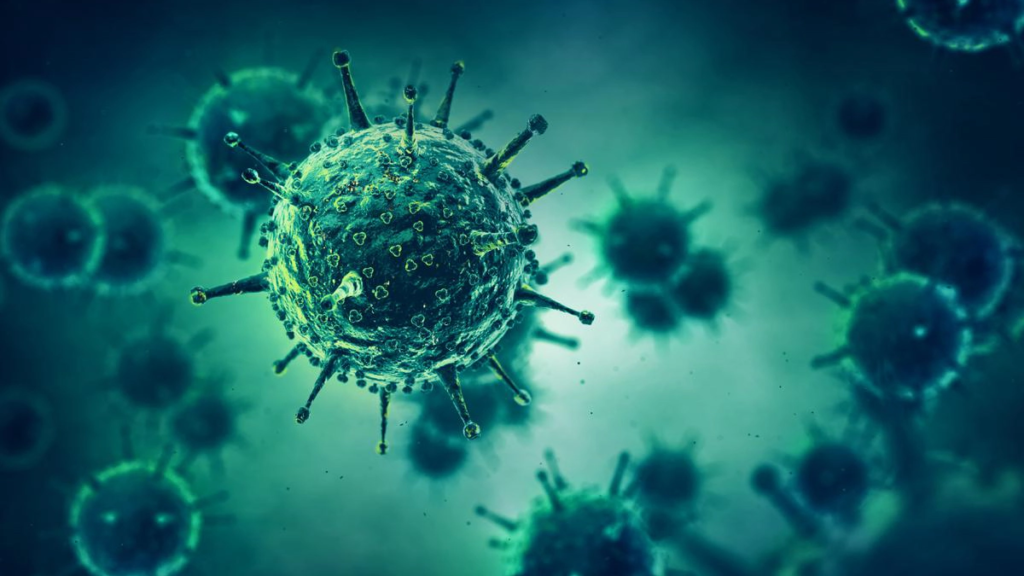
Infectious diseases, also known as communicable diseases, are caused by microorganisms such as bacteria, viruses, fungi, or parasites. They spread from person to person, through contaminated food or water, or via insect vectors. Examples include tuberculosis, malaria, influenza, and HIV/AIDS.
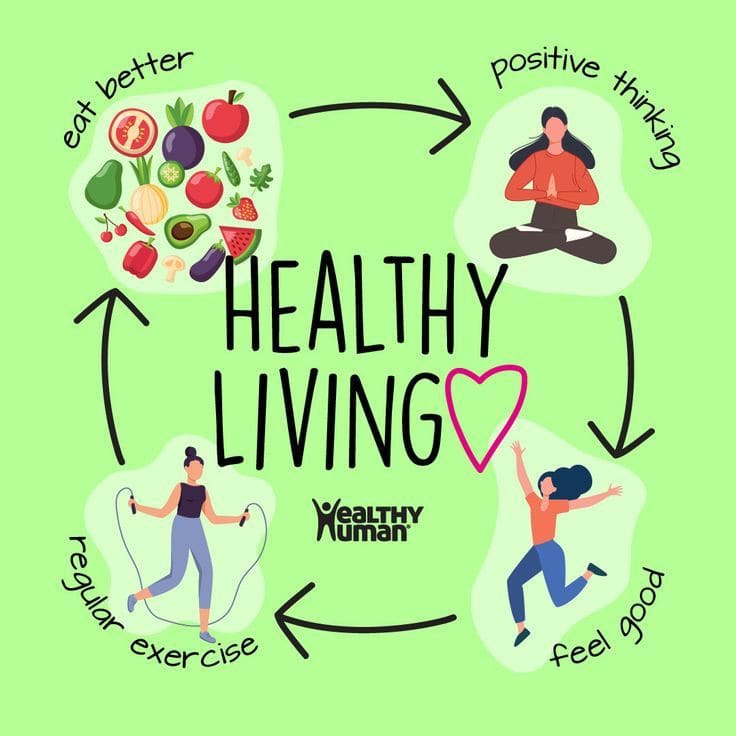
Lifestyle diseases, also called non-communicable diseases (NCDs), are linked to unhealthy habits such as poor diet, lack of exercise, tobacco use, and alcohol consumption. They do not spread from person to person but are strongly influenced by behavior and environment. Examples include type 2 diabetes, cardiovascular disease, hypertension, and certain cancers.
Understanding the differences between infectious and lifestyle diseases is crucial for prevention and long-term health. This article will explore their causes, risk factors, impacts, and effective strategies for prevention.
What are Infectious Diseases?
Infectious diseases occur when harmful microorganisms invade the body, multiply, and cause illness. They are often acute (short-term) but can also become chronic.
Common Types of Infectious Diseases
- Bacterial Infections – Examples: Tuberculosis, cholera, strep throat.
- Viral Infections – Examples: Influenza, COVID-19, HIV, measles.
- Parasitic Infections – Examples: Malaria, giardiasis, toxoplasmosis.
- Fungal Infections – Examples: Ringworm, candidiasis, aspergillosis.
Transmission Methods
- Direct contact (touching, kissing, sexual contact).
- Indirect contact (contaminated surfaces, objects).
- Airborne droplets (coughing, sneezing).
- Contaminated food and water.
- Insect bites (mosquitoes, ticks).
Prevention of Infectious Diseases
- Vaccination programs.
- Good hygiene practices such as handwashing.
- Safe food preparation and clean water supply.
- Use of insect control measures.
- Prompt medical treatment when symptoms occur.
What are Lifestyle Diseases?
Lifestyle diseases are non-communicable conditions that result primarily from poor habits, environmental influences, and genetics. Unlike infectious diseases, they usually develop slowly over time and are often chronic.
Common Types of Lifestyle Diseases
- Cardiovascular Diseases – Hypertension, stroke, heart attack.
- Type 2 Diabetes – Strongly linked to poor diet and obesity.
- Chronic Respiratory Diseases – Chronic obstructive pulmonary disease (COPD), often caused by smoking.
- Cancers – Many linked to lifestyle factors such as diet, alcohol, and tobacco use.
- Obesity – A risk factor for several chronic illnesses.
Key Risk Factors
- Sedentary lifestyle.
- Unhealthy eating patterns (processed foods, high sugar, low fiber).
- Smoking and alcohol abuse.
- Chronic stress and poor sleep habits.
Prevention of Lifestyle Diseases
- Balanced nutrition rich in whole foods.
- Regular physical activity.
- Avoidance of tobacco and excessive alcohol.
- Stress management techniques such as meditation and yoga.
- Routine medical check-ups and early screening.
Infectious Diseases vs. Lifestyle Diseases: Key Differences
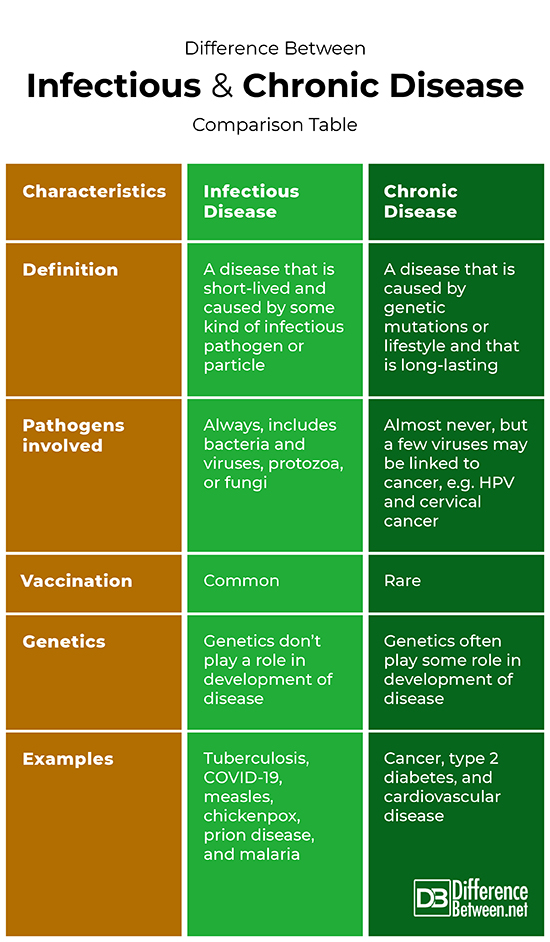
| Feature | Infectious Diseases | Lifestyle Diseases |
|---|---|---|
| Cause | Microorganisms (bacteria, viruses, parasites, fungi) | Poor lifestyle habits, environment, genetics |
| Transmission | Spread person-to-person, contaminated food/water, vectors | Not contagious; influenced by personal choices |
| Onset | Often sudden and acute | Slow, progressive, chronic |
| Duration | Can be short-term or chronic (e.g., HIV) | Long-term and persistent |
| Prevention | Vaccines, hygiene, sanitation | Healthy lifestyle, screenings, risk reduction |
| Examples | Malaria, COVID-19, tuberculosis | Diabetes, hypertension, obesity |
The Global Burden of Infectious vs. Lifestyle Diseases
According to the World Health Organization (WHO):
- Infectious diseases remain a leading cause of death in low- and middle-income countries, especially among children. Conditions like malaria, pneumonia, and diarrheal diseases still claim millions of lives annually.
- Lifestyle diseases, on the other hand, dominate in developed nations but are rapidly rising in developing countries due to urbanization, poor diets, and sedentary living. Non-communicable diseases account for over 70% of global deaths, making them a significant public health concern.
This shift highlights the importance of addressing both infectious threats and the growing epidemic of lifestyle-related illnesses.
Similarities Between Infectious and Lifestyle Diseases
While they differ in causes, both types of diseases share commonalities:
- Both can be life-threatening if not prevented or managed properly.
- Both place a heavy financial burden on individuals and healthcare systems.
- Early detection and prevention are critical in reducing long-term complications.
- Both require global awareness campaigns and public health interventions.
The Interconnection Between Infectious and Lifestyle Diseases
Interestingly, there is an overlap between infectious and lifestyle diseases:
- People with lifestyle diseases such as diabetes or heart disease often have weakened immunity, making them more vulnerable to infections.
- Certain infections can increase the risk of lifestyle diseases. For example, chronic hepatitis B or C infections can lead to liver cancer, and human papillomavirus (HPV) can cause cervical cancer.
- The COVID-19 pandemic showed that individuals with lifestyle diseases like obesity, hypertension, and diabetes had a significantly higher risk of severe illness.
This demonstrates the need for a holistic approach to health, where infectious disease control and lifestyle management go hand in hand.
Strategies for Prevention and Management
- Strengthen Public Health Systems
Countries must invest in vaccination programs, sanitation infrastructure, and access to clean water to fight infectious diseases. - Promote Healthy Lifestyles
Governments and communities should encourage physical activity, healthy eating, and mental wellness programs. - Education and Awareness
Public campaigns should educate people about the risks of both communicable and non-communicable diseases. - Early Screening and Medical Check-ups
Regular health checks can detect hypertension, diabetes, or infections early, improving outcomes. - Global Collaboration
Infectious diseases require international cooperation to prevent outbreaks, while lifestyle diseases need global efforts to reduce unhealthy food marketing and promote healthier environments.
Conclusion
Both infectious diseases and lifestyle diseases remain major health challenges. Infectious diseases, caused by microorganisms, are often sudden and contagious, while lifestyle diseases develop gradually due to poor habits and behaviors. Although different in nature, both require prevention-focused strategies, early intervention, and strong healthcare systems.
The rise of lifestyle diseases alongside the persistence of infectious conditions demonstrates the need for a comprehensive approach to health. By combining efforts to strengthen immunity, promote healthy living, and prevent disease transmission, individuals and societies can reduce the burden of both disease types and improve overall well-being.