

New to fitness? Discover safe and effective ways for beginners to start exercising. Learn beginner-friendly workouts, safety tips, and how to stay motivated during an exercise.
Introduction

Starting an exercise routine can feel overwhelming, especially for beginners. With so many workout trends, fitness programs, and conflicting advice online, it is easy to feel lost. Yet, the benefits of exercise are undeniable. Regular physical activity improves heart health, strengthens muscles, boosts mental well-being, supports weight management, and lowers the risk of chronic diseases.
The challenge for many beginners is knowing where and how to start safely. Without proper guidance, new exercisers may overdo it, give up too soon, or even injure themselves. This article provides a step-by-step, evidence-based guide to help beginners embrace exercise in a safe, effective, and sustainable way.
Why Exercise Matters
According to the World Health Organization (WHO), adults should engage in at least 150–300 minutes of moderate-intensity aerobic activity per week or 75–150 minutes of vigorous-intensity exercise, combined with muscle-strengthening activities twice a week.
The benefits of regular exercise include:
- Improved cardiovascular health
- Better weight management
- Reduced risk of type 2 diabetes and hypertension
- Enhanced bone and muscle strength
- Boosted mood and reduced anxiety or depression
- Improved sleep quality
- Increased energy and focus
For beginners, even small amounts of physical activity can bring noticeable health benefits. The key is to start gradually and build consistency.
Overcoming Barriers to Starting Exercise
Many beginners hesitate to start exercising because of common barriers such as:
- Lack of time: Busy schedules can make workouts seem impossible.
- Fear of injury: Worry about doing exercises incorrectly.
- Low motivation: Struggling to stay committed to a routine.
- Limited resources: No access to a gym or expensive equipment.
The good news is that you don’t need hours of free time, a gym membership, or advanced equipment to begin. Simple bodyweight exercises, walking, or home-based routines are effective starting points.
Key Principles for Beginners
1. Start Slow and Build Gradually
Beginners often want fast results, leading to overtraining or burnout. Start with short sessions (10–20 minutes) and gradually increase duration and intensity as your fitness improves.
2. Focus on Proper Form
Correct technique prevents injuries and ensures you get the most benefit from each exercise. If unsure, start with instructional videos from reputable sources or consult a fitness professional.
3. Mix Cardio, Strength, and Flexibility
A balanced routine should include:
- Cardio exercises (walking, cycling, swimming, jogging)
- Strength training (bodyweight squats, push-ups, resistance bands, light weights)
- Flexibility and mobility work (stretching, yoga, dynamic warm-ups)
4. Listen to Your Body
Mild soreness is normal when starting out, but sharp pain is a warning sign. Rest and recover when needed.
5. Stay Consistent
Consistency matters more than intensity. Even 20–30 minutes a day can build long-term habits.
Safe Exercises for Beginners
1. Walking
- One of the easiest and safest forms of exercise.
- Aim for 20–30 minutes a day, gradually increasing pace and distance.
2. Bodyweight Squats
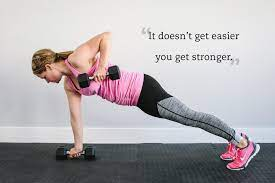
- Strengthens lower body muscles.
- Stand with feet shoulder-width apart, bend knees while keeping back straight, then return to standing.
3. Push-Ups (Modified if Needed)
- Builds chest, shoulders, and arms.
- Beginners can start on knees or against a wall.
4. Planks
- Excellent for core stability.
- Hold position for 15–30 seconds, gradually increasing.
5. Step-Ups
- Use a sturdy step or low bench.
- Great for leg strength and balance.
6. Light Dumbbell or Resistance Band Workouts
- Ideal for building strength gradually.
- Focus on basic moves like bicep curls, shoulder presses, and rows.
7. Stretching and Mobility Exercises
- Prevent stiffness and improve range of motion.
- Stretch after workouts for 5–10 minutes.
Creating a Beginner Workout Plan
A simple 3-day-per-week plan could look like this:
Day 1: Cardio + Core
- Brisk walking (20 minutes)
- Plank (3 × 20 seconds)
- Bicycle crunches (2 × 12 reps)
Day 2: Strength Training
- Squats (3 × 10 reps)
- Push-ups (3 × 8 reps, modified if necessary)
- Dumbbell rows (3 × 10 reps per arm)
- Stretching (5 minutes)
Day 3: Cardio + Flexibility
- Jogging or cycling (20–30 minutes)
- Yoga or guided stretching (15 minutes)
Gradually increase repetitions, sets, or workout duration as fitness improves.
Safety Tips for Beginners
- Warm up for 5–10 minutes before each workout.
- Wear comfortable shoes and appropriate workout gear.
- Stay hydrated before, during, and after exercise.
- Avoid comparing yourself to others — progress is personal.
- Consult a doctor before starting if you have chronic health conditions.
Staying Motivated
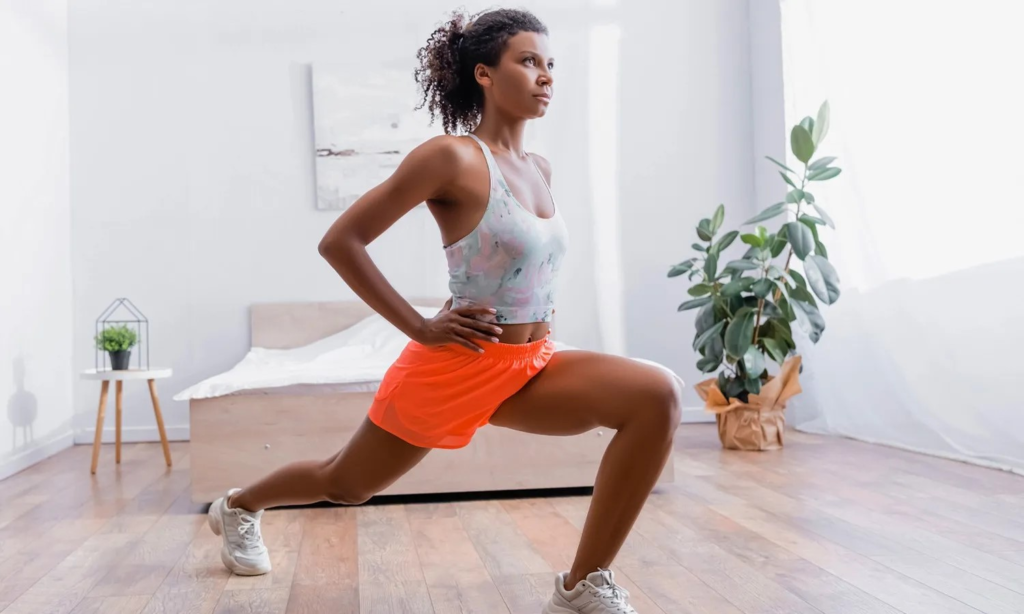
- Set realistic goals: Start with achievable milestones.
- Track your progress with a journal or fitness app.
- Find an accountability partner or join a beginner-friendly class.
- Reward yourself (non-food rewards) for consistency.
- Focus on how exercise makes you feel, not just on weight loss.
Common Mistakes Beginners Should Avoid
- Doing too much too soon.
- Ignoring rest and recovery.
- Skipping strength training in favor of only cardio.
- Neglecting proper nutrition and hydration.
- Giving up after minor setbacks.
Conclusion
Exercise is one of the most powerful tools for improving health and well-being, but for beginners, it must be approached with patience and strategy. By starting slow, focusing on proper form, balancing different exercise types, and staying consistent, anyone can safely build a lifelong fitness habit.
The journey doesn’t require perfection — it requires persistence. Remember: every step, every squat, and every stretch counts toward a healthier, stronger you.