

Is water fluoridation a safe public health win or a risky mandate? We break down the shocking science, benefits, & controversies. Get the facts from CDC & ADA experts.
Introduction: The Fluoride in Your Tap
Every time you pour a glass of water, brush your teeth, or make a cup of coffee, you are interacting with one of public health’s most celebrated—and controversial—achievements. Water fluoridation, the controlled adjustment of fluoride in public water supplies to prevent tooth decay, is a practice hailed by the CDC as one of the 10 great public health achievements of the 20th century. Yet, it remains a lightning rod for debate, sparking passionate arguments about safety, ethics, and individual choice. Is it a cost-effective shield protecting millions from dental pain, or an unwanted mass medication with hidden risks? This article dives deep into the science, history, and heated discourse to separate definitive evidence from widespread fear.
The Nuts and Bolts: What Is Water Fluoridation?
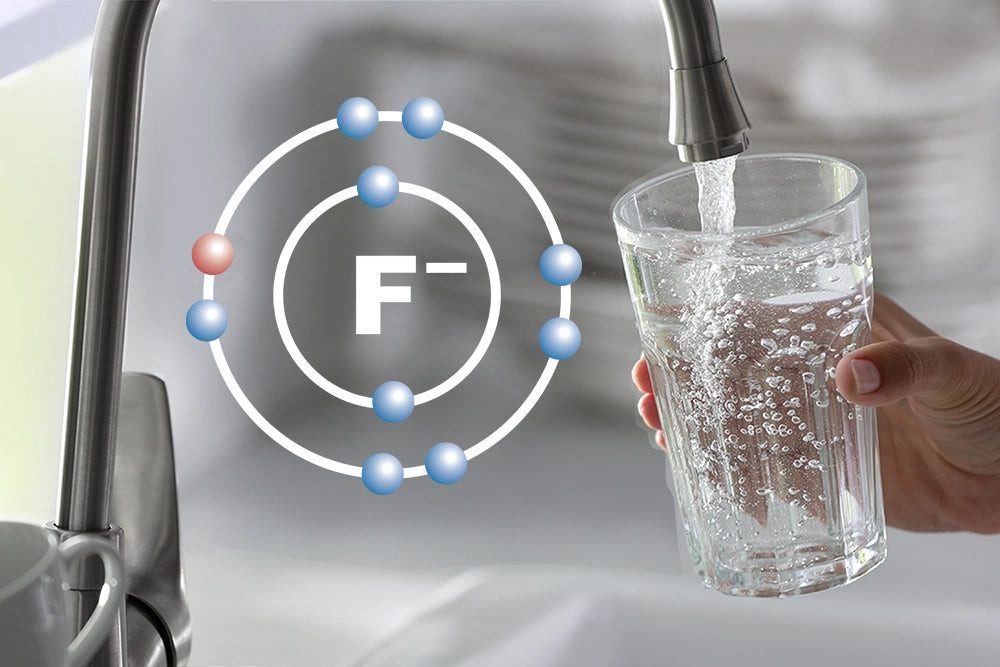
Fluoridation involves adjusting the naturally occurring level of fluoride in a community’s water supply to the optimal range for preventing cavities—0.7 parts per million (ppm). This target was established by the U.S. Public Health Service in 2015 as the ideal concentration to maximize dental benefits while minimizing the risk of very mild or mild dental fluorosis, a cosmetic condition that causes faint white streaks on teeth.
It’s crucial to distinguish this from naturally high fluoride levels found in some groundwater sources worldwide, which can be significantly higher and pose a risk for severe dental or skeletal fluorosis. Community water fluoridation is a precise, monitored public health measure.
The Powerful Case for Fluoridation: A Staggering Public Health Success
The evidence supporting fluoridation’s benefits is vast, consistent, and endorsed by nearly every major national and international health organization.
- Unmatched Effectiveness Against Decay: The science is clear: fluoride strengthens tooth enamel through a process called remineralization, making it more resistant to acid attacks from plaque bacteria and sugars. According to the American Dental Association (ADA), water fluoridation reduces tooth decay by at least 25% in children and adults throughout their lifespans. It’s the most equitable way to deliver this protection, reaching everyone regardless of age, income, education, or access to dental care.
- A Champion of Health Equity: This is perhaps its strongest moral argument. Tooth decay disproportionately affects low-income and vulnerable populations. Fluoridation acts as a great equalizer. The World Health Organization (WHO) recognizes it as a safe and effective way to reduce inequalities in dental health. Children from lower-income families, who are less likely to see a dentist regularly or use fluoride toothpaste consistently, benefit the most from fluoridated water.
- Dramatic Cost Savings: It’s incredibly cost-effective. For most cities, every dollar spent on community water fluoridation saves approximately $38 in dental treatment costs. The Centers for Disease Control and Prevention (CDC) highlights that it prevents needless pain, suffering, and expense for millions.
- Overwhelming Endorsement: Fluoridation is supported by a formidable consensus, including the CDC, WHO, ADA, American Academy of Pediatrics, and the American Medical Association. These bodies have continually reviewed the science over decades and reaffirmed its safety and benefits.
The Heart of the Controversy: Examining Common Concerns
Despite the scientific consensus, opposition persists, often fueled by misinformation and understandable distrust. Let’s address the core arguments:
- Safety and Health Risks: Opponents often link fluoridation to a range of ailments, from lowered IQ to bone cancer and thyroid problems. However, these claims are not supported by robust scientific evidence when fluoride is at the optimal 0.7 ppm level. Comprehensive reviews, such as those by the National Academies of Sciences, Engineering, and Medicine, find the evidence for adverse effects other than severe dental fluorosis (from much higher natural levels) to be weak or inconsistent. Regulatory bodies set the 0.7 ppm standard specifically as a margin of safety well below any threshold for harm.
- Ethics and “Mass Medication”: This is a philosophical argument. Critics assert that adding fluoride to water infringes on individual freedom to consent to medical treatment. Proponents counter that it is no different from fortifying salt with iodine, adding Vitamin D to milk, or chlorinating water to kill pathogens—it’s a public health measure to correct a dietary deficiency (fluoride is a beneficial mineral) for the collective good, not a medicine for a specific illness.
- Dental Fluorosis: This is the most common and valid concern. Dental fluorosis is a change in the appearance of tooth enamel caused by excessive fluoride intake during the first eight years of life when teeth are forming under the gums. At the recommended 0.7 ppm level, the vast majority of fluorosis is very mild—tiny white specks or streaks often unnoticeable except by a dental professional. The public health calculus views this minimal cosmetic risk as far outweighed by the substantial protection against painful, invasive cavities. Parents can manage total fluoride intake by supervising young children’s tooth brushing to minimize swallowing toothpaste.
FAQs: Your Top Questions on Fluoride Answered
- Is my water fluoridated? How can I find out?
The easiest way is to contact your local water utility provider. They are required to provide an annual Consumer Confidence Report (CCR) that details water quality, including fluoride levels. You can also use the online tools provided by the CDC’s My Water’s Fluoride system for many states. - If I use fluoride toothpaste, do I need fluoridated water?
Yes, they work together synergistically. Think of it as a combined defense: fluoride toothpaste provides a strong, topical “surface guard” on your teeth. Fluoridated water provides a constant, low-level systemic benefit that strengthens teeth from the inside as they develop and continues to provide a topical effect as you drink. It also benefits teeth throughout the day, between brushings. For a complete routine, explore our guide on children’s oral care basics on our main blog page. - Can I remove fluoride from my tap water?
Yes, but it requires specific technology. Standard carbon filters (like Brita or PUR pitchers) do NOT remove fluoride effectively. You would need a reverse osmosis (RO) system, a distillation unit, or a filter specifically designed with activated alumina to reduce fluoride. It’s important to consult with a water quality expert if you choose this route. - Are there natural sources of fluoride?
Absolutely. Fluoride is a naturally occurring mineral found in varying amounts in all water sources, as well as in some foods (like tea and seafood) and soil. Community fluoridation simply standardizes this level to the optimal point for dental health.
The Global Perspective and Future Directions
While over 200 million people in the United States drink fluoridated water, the practice varies globally. Countries like Ireland, Australia, and Singapore have high fluoridation rates with strong public health outcomes. Others, like most of Western Europe, do not fluoridate centrally but rely on fluoridated salt (e.g., Germany, Switzerland) or extensive topical fluoride programs (e.g., Sweden, Netherlands) to achieve similar reductions in decay.
The future of fluoridation lies in continued science, clear communication, and community choice. Research is ongoing into novel fluoride delivery systems and cavity-prevention methods. However, for now, the preponderance of evidence makes a compelling case that community water fluoridation remains a powerful, safe, and equitable tool for preventing a common disease that causes real suffering.
Conclusion: Weighing the Evidence for Your Community
The debate over water fluoridation is more than a scientific discussion; it’s a dialogue about community values, trust in institutions, and how we define public health. The overwhelming weight of evidence from decades of rigorous study concludes that adjusting fluoride to the optimal level is a safe, effective, and equitable public health measure that significantly reduces tooth decay for all.
While respecting individual concerns, the data shows that the risks are minimal and largely cosmetic, while the benefits—reduced pain, infection, cost, and inequality—are profound and widespread. As with any health decision, it is best to consult authoritative sources like the CDC’s Fluoridation page and discuss concerns with your dentist or pediatrician, who can provide context for your family’s specific needs. In the balance between population-wide benefit and individual risk, water fluoridation stands as a proven pillar of preventive health.