


Discover how community health services are transforming local wellbeing, improving access to healthcare, and empowering individuals through education, prevention, and support. Learn why these initiatives are vital for sustainable community growth and public health.
Introduction
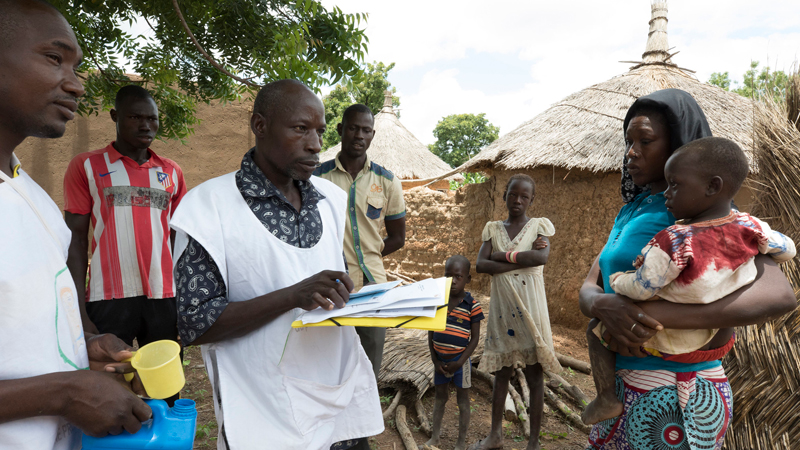
Community health services play a crucial role in enhancing the overall wellbeing of individuals and families within a locality. These services go beyond providing medical care, they foster health education, disease prevention, mental health support, and social empowerment. In today’s fast-paced world, where access to quality healthcare remains a challenge for many, community health initiatives act as the bridge between people and better health outcomes.
In this article, we explore the impact of community health services, how they shape the quality of life in neighborhoods, and why their sustainability is critical to the development of healthy and resilient societies.
Understanding Community Health Services
Community health services (CHS) are locally based programs designed to meet the specific healthcare needs of a population. They typically include primary healthcare, maternal and child health programs, vaccination campaigns, public health education, and mental health support.
Unlike hospital-based care, CHS brings healthcare directly to the community. This makes it especially beneficial for rural and underserved populations, where access to hospitals or private clinics can be limited.
Some examples of community health services include:
- Immunization and disease prevention campaigns.
- Health education and awareness programs.
- Reproductive and maternal health services.
- Mental health counseling and substance abuse prevention.
- Nutrition and wellness workshops.
The Core Impact of Community Health Services on the Community
1. Improved Access to Healthcare
One of the most significant contributions of CHS is improving access to healthcare for everyone especially those living in remote or low-income areas. Through mobile clinics, outreach programs, and community-based healthcare workers, people who once struggled to access hospitals can now receive treatment closer to home.
For instance, organizations such as the World Health Organization (WHO) and UNICEF support community-driven health programs in developing countries to improve maternal and child health. These initiatives have led to a notable reduction in maternal mortality and childhood diseases.
2. Health Education and Preventive Care
Community health workers play a vital role in educating the public about hygiene, nutrition, vaccination, and disease prevention. By organizing workshops, health talks, and door-to-door sensitization campaigns, they empower individuals to make informed health choices.
For example, during the COVID-19 pandemic, local health teams were instrumental in spreading awareness about preventive measures, debunking myths, and promoting vaccination campaigns. This grassroots approach is far more effective than top-down communication.
(Learn more about Foodborne Illnesses and Prevention to understand how education saves lives.)
3. Early Detection and Management of Diseases

CHS promotes regular screening and early detection of chronic diseases such as hypertension, diabetes, and cancer. Early diagnosis improves treatment outcomes and reduces long-term healthcare costs.
For example, community-based cervical cancer screening programs have drastically reduced mortality rates among women in regions where hospital access is limited. Such initiatives also build trust between communities and healthcare providers.
4. Mental Health Support and Social Empowerment
Community health isn’t just about physical wellbeing, it also addresses mental and emotional health. Mental health programs embedded within community services provide counseling, suicide prevention support, and addiction recovery guidance.
These services foster a sense of belonging and reduce the stigma around mental health. When individuals feel supported within their communities, overall productivity and happiness levels rise.
5. Economic Benefits to the Community
Healthy communities are productive communities. When people have access to preventive care and early treatment, absenteeism from work decreases, and productivity improves.
Moreover, community health programs create local employment opportunities. Community health workers, midwives, and volunteers gain not just jobs but purpose in becoming vital contributors to the local economy.
6. Promotion of Health Equity
Community health services reduce disparities in healthcare access. By focusing on vulnerable populations, such as children, the elderly, people with disabilities, and low-income families, this way they promote fairness and inclusivity in healthcare delivery.
Health equity ensures that everyone, regardless of social status or geography, has the opportunity to live a healthy life.
The Role of Technology in Community Health Services
With the rise of digital health tools, CHS programs have become more efficient and far-reaching. Mobile health (mHealth) apps, telemedicine, and data-driven health mapping are transforming how communities access healthcare.
For instance:
- Mobile apps provide maternal health education to rural women.
- Telemedicine connects remote patients to urban specialists.
- Health data tracking helps predict disease outbreaks and allocate resources efficiently.
Technology has made healthcare more accessible, affordable, and personalized, bridging the gap between doctors and patients even in remote regions.
Challenges Facing Community Health Services
Despite their positive impact, CHS programs face several challenges, including:
- Funding constraints and reliance on donor support.
- Shortage of trained healthcare personnel.
- Limited infrastructure and logistics for rural outreach.
- Cultural barriers and misinformation about modern healthcare.
To overcome these, governments and NGOs must collaborate, ensuring sustainable funding, workforce training, and public engagement.
Strengthening the Future of Community Health Services
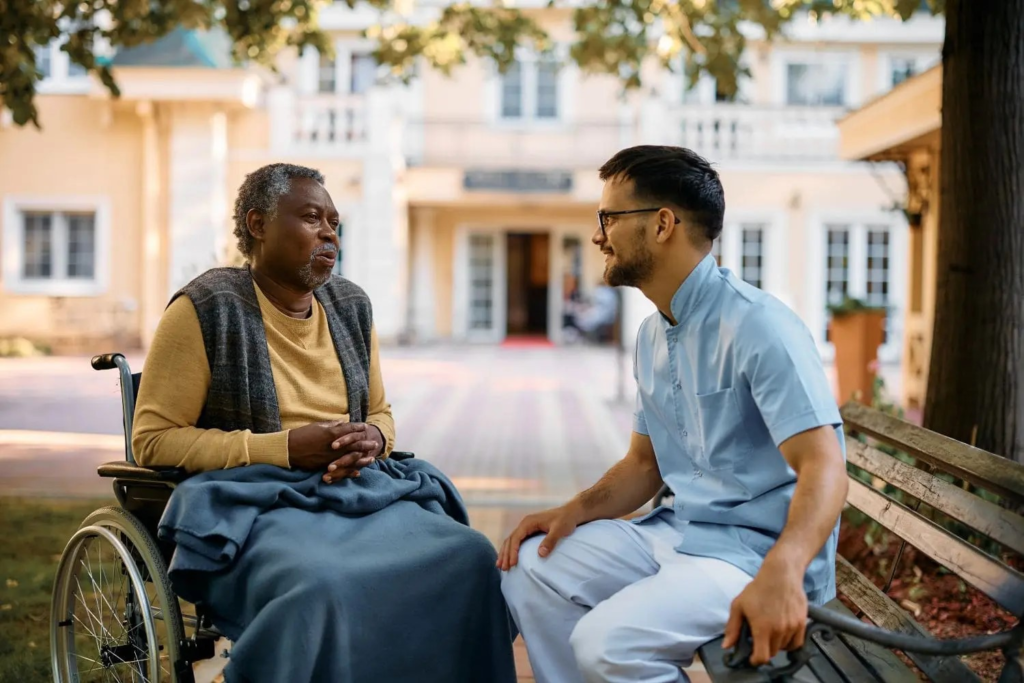
The future of community health services depends on investment in education, infrastructure, and policy support. Encouraging public-private partnerships, training more community health workers, and integrating traditional and modern health practices can help build a resilient healthcare system.
Local governments should also prioritize community participation in health decision-making. When residents feel included, they take ownership of their health, leading to long-term sustainability.
(Read about Child Health and Managing Common Infections to see how community programs protect children.)
Frequently Asked Questions (FAQs)
1. What is the main goal of community health services?
The main goal is to improve overall health and wellbeing by bringing healthcare services closer to the people, focusing on prevention, education, and access.
2. How do community health services benefit rural populations?
They ensure that people in remote areas can receive timely care without needing to travel long distances, improving health outcomes and reducing mortality rates.
3. What role do community health workers play?
They act as the bridge between healthcare providers and the community, delivering essential services, education, and support at the grassroots level.
4. Can technology improve community health services?
Yes. Tools like mobile health apps and telemedicine platforms improve access, monitoring, and education, especially in areas with limited medical infrastructure.
5. How can communities support these services?
Communities can support CHS by volunteering, participating in health campaigns, and advocating for government investment in local healthcare programs.
Conclusions
The impact of community health services on local wellbeing cannot be overstated. They create healthier, more informed, and empowered communities. By prioritizing prevention, accessibility, and inclusivity, CHS acts as the backbone of a thriving society.
Governments, non-profits, and individuals must continue to invest in these vital services to ensure a future where healthcare is not a privilege but a right for all.