

Complete guide to shaken baby syndrome (abusive head trauma) including symptoms, prevention strategies, and coping with infant crying. Learn how to protect babies from this 100% preventable form of child abuse affecting 600-1,400 children annually.
Introduction
Between 600 and 1,400 cases of shaken baby syndrome occur in the United States each year, making it the most common cause of child abuse death in children younger than 5 years old. Abusive head trauma is 100% preventable, yet it continues devastating families nationwide. Most cases happen to babies and toddlers younger than 2 years old when overwhelmed caregivers shake infants violently in response to inconsolable crying. Understanding this severe form of child abuse, recognizing warning signs, and learning effective coping strategies can save lives and prevent lifelong disabilities.
Understanding Shaken Baby Syndrome (Abusive Head Trauma)
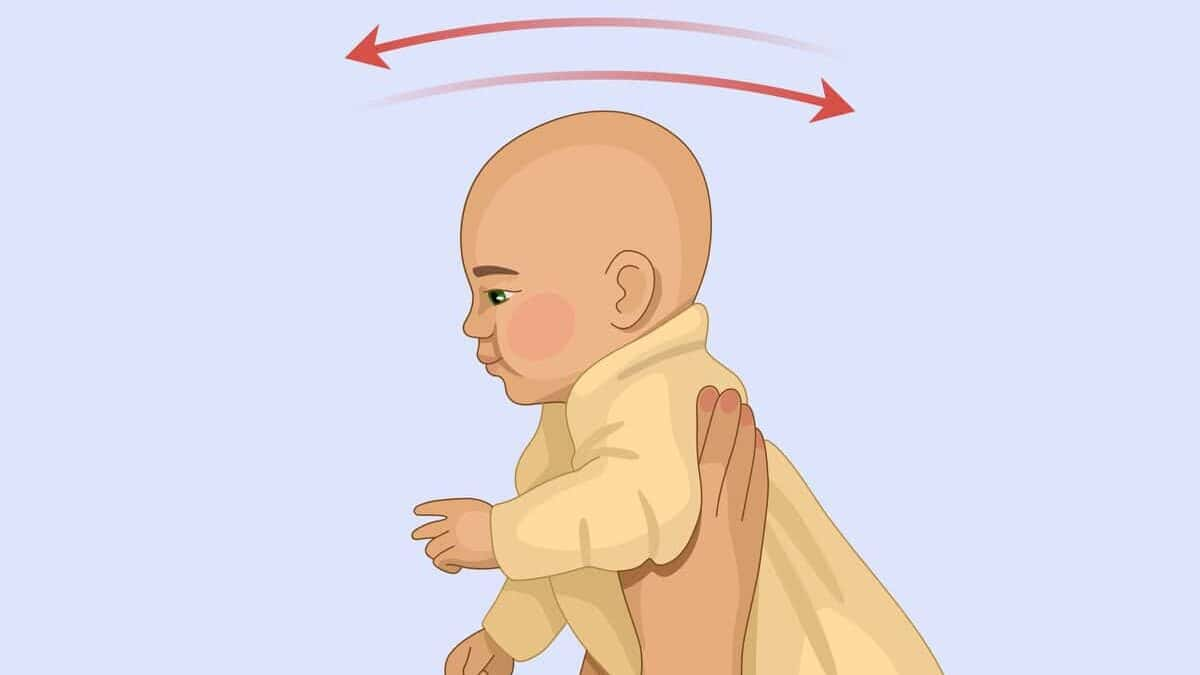
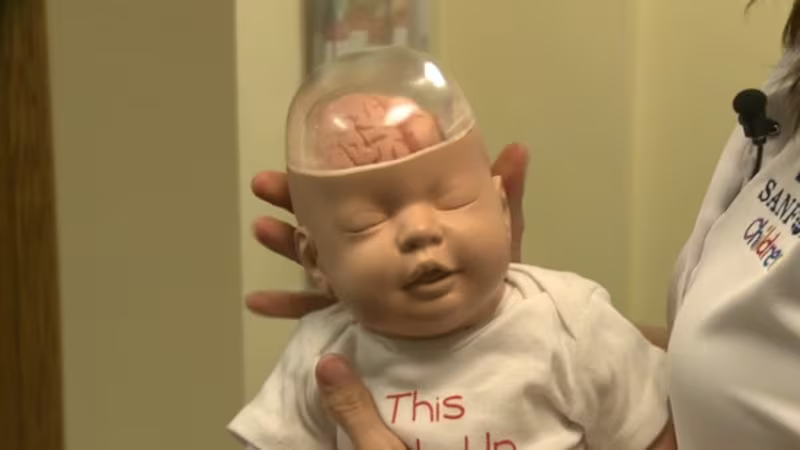
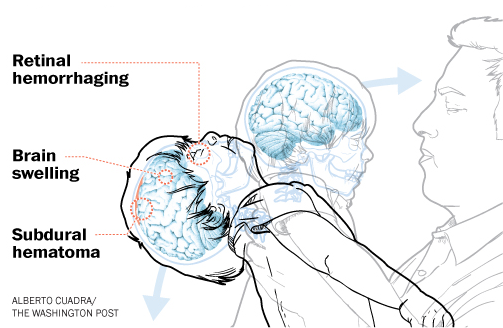
Shaken baby syndrome, now more commonly referred to as abusive head trauma (AHT), results from violent shaking, blunt force trauma, or both, primarily affecting infants and young children. The developing brain and fragile infant skull render victims highly susceptible to severe neurological damage. When a baby is shaken, their brain bounces back and forth against the sides of their skull, causing bleeding in the brain or behind the eyes, tearing blood vessels and nerves.
Infants’ heads are very large and heavy in proportion to the rest of their bodies, with weak neck muscles unable to adequately support their heads. This anatomical vulnerability makes babies particularly susceptible to brain injury from violent shaking. The majority of cases typically occur before the infant’s first birthday, with the average victim age between three and eight months old.
What Causes AHT?
Abusive head trauma most often happens when a parent or other caregiver becomes frustrated or angry because of a baby’s crying. The perpetrators of acute head trauma typically involve the father, stepfather, mother’s boyfriend, female babysitter, and the mother. Most times, the caregiver didn’t mean to harm the baby permanently, but it remains a severe form of child abuse with devastating consequences.
Important Distinction: AHT is NOT caused by bouncing your baby on your knee, tossing your baby in the air, bicycling with your baby, accidental falls off furniture, or sudden stops or going over bumps while driving. While these activities may carry other risks, they won’t cause the kinds of injuries seen in shaken baby syndrome.
Clinical Signs and Symptoms
Abusive head trauma can be hard to detect because often there aren’t clear signs of external injury. Commonly, there are no externally visible signs of the condition. Symptoms can start quickly in severely injured children, or may take days as brain swelling develops.
Immediate Warning Signs
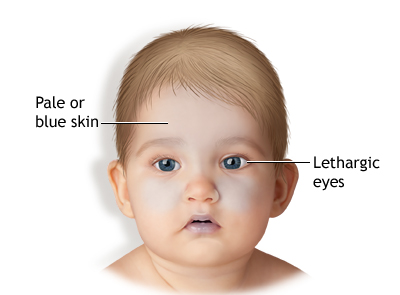
Victims of abusive head trauma may show one or more of the following symptoms:
- Extreme fussiness or irritability
- Difficulty staying awake or lethargy
- Vomiting
- Seizures
- Poor feeding or loss of appetite
- Decreased responsiveness
- Changes in breathing patterns
- Bulging soft spot on the head
- Inability to lift the head
- Bruising anywhere on the body if less than 6 months old
The Medical Triad
Healthcare providers diagnose AHT through characteristic findings including retinal hemorrhages (bleeding in the eyes), subdural hematoma (bleeding around the brain), and encephalopathy (altered mental status). Retinal hemorrhage is highly associated with AHT, occurring in 78-85% of cases of abusive head trauma. Examination by an experienced ophthalmologist is critical in diagnosis.
Long-Term Consequences
Nearly all victims of abusive head trauma suffer serious, long-term health consequences. As many as one of every four babies who experience abusive head trauma dies from this form of child abuse. Survivors often face lifelong complications including:
- Vision problems or blindness
- Developmental delays
- Physical disabilities and cerebral palsy
- Hearing loss
- Seizures and epilepsy
- Cognitive impairments and learning difficulties
- Behavioral problems
- Motor deficits
Even when problems appear mild initially, they often become apparent when children start school and struggle with learning, focus, or behavior.
Risk Factors for Abusive Head Trauma
Understanding risk factors helps identify vulnerable situations requiring additional support. Common risk factors include:
- Perceived excessive crying or colic
- Behavioral health problems in caregivers
- Domestic violence history
- Low frustration tolerance
- Lack of childcare experience
- Young infant age (peak risk 3-8 months)
- Young maternal age
- Multiple births or twins
- Male infant
- Full-time working parents with stress
- Postpartum depression
- Single parent families
- Economic adversity and financial stress
Children with special needs or health problems causing frequent crying, like colic and gastroesophageal reflux, face elevated abuse risk.
Frequently Asked Questions About Shaken Baby Syndrome
How hard does someone have to shake a baby to cause shaken baby syndrome?
The shaking involved in abusive head trauma is violent and forceful—far beyond normal play or handling. It typically occurs when caregivers violently and repeatedly shake babies in frustration, often while gripping the chest or limbs. The acceleration-deceleration forces created by this violent shaking cause the baby’s heavy head to whip back and forth uncontrollably, resulting in brain injury. Normal activities like bouncing a baby on your knee, gentle rocking, or car rides do not create sufficient force to cause AHT. The distinction lies in the violence and anger behind the shaking, not gentle handling during everyday care or play.
Can shaken baby syndrome happen accidentally?
No, abusive head trauma does not happen accidentally. The force required to cause these severe brain injuries exceeds anything occurring during normal handling, play, or minor accidents. While caregivers may claim the injury was accidental, the violent shaking necessary to cause AHT represents an intentional act, even if the caregiver didn’t intend the severe consequences. This is why healthcare providers maintain high suspicion when injuries seem inconsistent with explanations provided. Accidental falls from typical heights (like sofas or changing tables) rarely cause the specific pattern of injuries seen in AHT.
What should I do if I suspect a baby has been shaken?
If you suspect a child has experienced abusive head trauma, seek immediate medical attention by calling 911 or going to the nearest emergency room. Time is critical—delayed treatment increases risk of death and severe disability. Provide healthcare providers with all relevant information about the child’s symptoms and any concerning circumstances. Medical professionals are legally obligated to report suspected child abuse to authorities. Even if uncertain, err on the side of caution—prompt medical evaluation can be life-saving. Organizations like the National Center on Shaken Baby Syndrome provide additional resources and support.
How can I cope with a crying baby without losing control?
Managing infant crying challenges even the most patient caregivers. Remember that crying is normal—babies cry because they’re hungry, tired, uncomfortable, sick, or sometimes for no identifiable reason. Try these calming strategies: feeding if it’s been 2+ hours, checking diapers, swaddling in a blanket, offering a pacifier, rocking gently or using a swing, singing or talking softly, taking a walk in a stroller, going for a car ride, skin-to-skin contact, or white noise machines. If nothing works and you feel overwhelmed, it’s okay to place your baby safely in a crib on their back and walk away to calm yourself. Check on them every 5-10 minutes. Call a friend, family member, or parent helpline for support. Never feel ashamed about needing help—recognizing your limits protects your baby.
Are there prevention programs that actually work?
Yes, evidence-based prevention programs demonstrate significant effectiveness. The Period of PURPLE Crying program, developed by the National Center on Shaken Baby Syndrome, educates parents about normal infant crying patterns and safe coping strategies. Implementing this program in Canada was associated with a 35% reduction in AHT-related hospital admissions among children younger than 2 years. The program teaches that infant crying peaks between 2-5 months, often occurs late in the day, and may resist soothing attempts—all normal patterns that unprepared parents may interpret as abnormal. Educational interventions delivered in hospitals before discharge, through pediatrician visits, and via community programs consistently reduce AHT incidence when implemented comprehensively.
Prevention: The Only Cure
Since abusive head trauma is 100% preventable, prevention efforts focus on caregiver education and support. Every person caring for infants must understand the dangers of shaking and effective coping strategies.
Education for All Caregivers
Tell everyone caring for your baby to never shake the baby under any circumstances. Discuss normal infant crying patterns so caregivers understand that prolonged crying, especially during the “period of PURPLE crying” (peak crying at 2-5 months), is developmentally normal. Share safe calming techniques and emphasize that it’s okay to put the baby in a safe place and walk away if feeling overwhelmed.
The Period of PURPLE Crying
This evidence-based program teaches parents about normal crying patterns using the acronym PURPLE:
- Peak of crying occurs around 2 months
- Unpredictable crying and soothing
- Resistant to soothing attempts
- Pain-like facial expressions even without pain
- Long-lasting crying episodes
- Evening clustering of crying episodes
Understanding these normal patterns reduces caregiver frustration and unrealistic expectations.
When You Feel Overwhelmed
If you’re getting upset or angry with your baby’s crying:
- Place your baby safely on their back in a crib with secure railings
- Walk to another room and take deep breaths
- Call a friend, relative, or parent helpline
- Do something to distract yourself (shower, music, exercise)
- Check on your baby every 5-10 minutes
- Call your pediatrician if concerned about illness
- Ask someone else to care for your baby while you take a break
Remember: It will not hurt your baby to continue crying in a safe place while you calm down. This is infinitely better than shaking.
Support Resources
National Helplines
- National Parent Helpline: 1-855-4A-PARENT (1-855-427-2736)
- Childhelp National Child Abuse Hotline: 1-800-4-A-CHILD (1-800-422-4453)
- National Center on Shaken Baby Syndrome: dontshake.org
Medical Guidance
If your baby cries inconsolably or you notice concerning symptoms, contact your pediatrician. Sometimes excessive crying signals medical problems like ear infections, reflux, or other treatable conditions. Learn more about infant care and development through trusted resources like the CDC’s child development information and guidance on preventing noncommunicable diseases through healthy early childhood experiences.
Clinical Response and Treatment
Children with suspected abusive head trauma require immediate hospitalization, often in intensive care units. Treatment focuses on stabilizing the patient, controlling intracranial pressure, maintaining cerebral perfusion, and addressing associated injuries including:
- Oxygen therapy for breathing support
- Medications to reduce brain swelling
- Cooling mattresses to lower body temperature
- Seizure medications if needed
- Surgery for severe brain bleeding
- Long-term rehabilitation including physical, occupational, and speech therapy
The optimal management involves interprofessional teams including pediatricians, emergency physicians, radiologists, intensivists, neurosurgeons, ophthalmologists, social workers, and child protection specialists.
Conclusion: Prevention Saves Lives
Shaken baby syndrome represents one of the most preventable forms of child abuse, yet it continues claiming hundreds of young lives annually while leaving countless survivors with devastating disabilities. The solution lies not in complex medical interventions but in simple education and support for overwhelmed caregivers.
Every parent, babysitter, grandparent, and childcare provider must understand that shaking a baby—even briefly—can cause death or permanent brain damage. Normal infant crying, particularly during peak crying periods, challenges even experienced caregivers. Recognizing these challenges, preparing coping strategies, and knowing when to walk away protects babies from harm.
If you’re a parent, share this information with everyone caring for your child. If you work with new parents, incorporate prevention education into your practice. If you suspect abuse, report immediately. Together, through education, awareness, and support, we can eliminate this entirely preventable tragedy and ensure every baby grows up safe and healthy.