
Discover proven addiction recovery strategies that work. Learn how to break free from substance abuse, rebuild your life, and maintain lasting sobriety with expert guidance and support.
Introduction
Addiction recovery is not just about stopping substance use, it’s about reclaiming your life, rebuilding relationships, and rediscovering purpose. Whether you’re struggling with alcohol, drugs, or behavioral addictions, the journey to sobriety is challenging but profoundly rewarding. This comprehensive guide will walk you through evidence-based strategies, practical tips, and essential resources to help you achieve lasting recovery.
Understanding Addiction Recovery: More Than Just Quitting
Addiction recovery encompasses the complete process of overcoming physical dependence, addressing psychological triggers, and developing healthier coping mechanisms. According to the National Institute on Drug Abuse, addiction is a chronic disease that affects brain function and behavior, making recovery a long-term commitment rather than a quick fix.
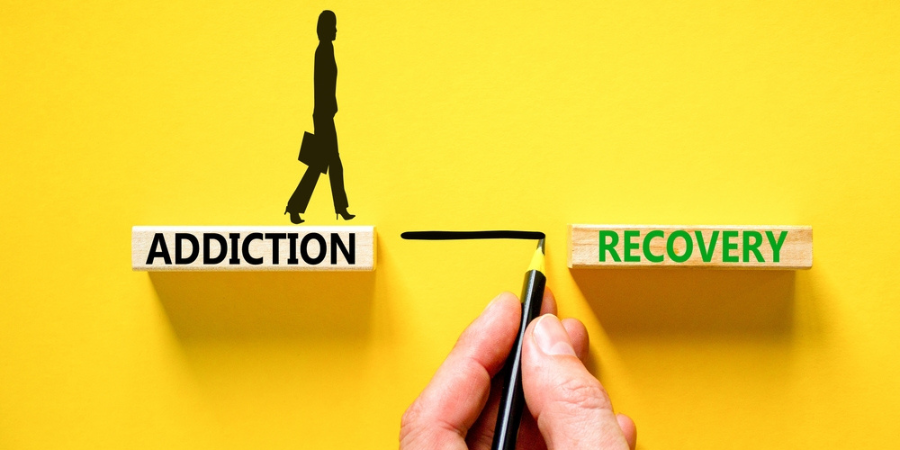
The recovery journey typically involves several stages: acknowledgment, detoxification, rehabilitation, and maintenance. Each phase presents unique challenges, but understanding this progression helps set realistic expectations and prepare for obstacles ahead.
The Science Behind Addiction and Recovery
Substances and addictive behaviors hijack the brain’s reward system, flooding it with dopamine and creating powerful associations between the substance and pleasure. Over time, the brain adapts, requiring more of the substance to achieve the same effect—a phenomenon known as tolerance. When substance use stops, withdrawal symptoms emerge as the brain struggles to regain balance.
Recovery works by allowing the brain to heal while simultaneously building new neural pathways associated with healthy behaviors. This neuroplasticity—the brain’s ability to reorganize itself—is the foundation of successful addiction recovery. Research shows that with proper treatment and support, the brain can recover much of its normal function, though the timeline varies based on substance type, duration of use, and individual factors.
Essential Steps for Successful Addiction Recovery
1. Acknowledge the Problem and Seek Help
The first step in any recovery journey is honest self-assessment. Denial is addiction’s most powerful ally, keeping people trapped in destructive patterns. Acknowledging that you need help isn’t weakness—it’s the courageous first step toward transformation.
Professional assessment can help determine the severity of addiction and recommend appropriate treatment levels. Many people benefit from residential treatment programs, while others succeed with outpatient therapy or support groups. For guidance on mental health resources and support systems, organizations like SAMHSA provide 24/7 confidential assistance.
2. Complete Medical Detoxification Safely
Detoxification is the process of clearing substances from your body while managing withdrawal symptoms. Depending on the substance, withdrawal can range from uncomfortable to life-threatening, making medical supervision essential for safety and comfort.
Professional detox facilities provide medications to ease symptoms, monitor vital signs, and prevent complications. Attempting detox alone—especially from alcohol or benzodiazepines—can be dangerous. Medical professionals can administer appropriate medications and intervene if serious complications arise.
3. Engage in Comprehensive Therapy

Therapy addresses the psychological aspects of addiction recovery, helping you understand triggers, develop coping skills, and resolve underlying issues that contribute to substance use. Evidence-based approaches include:
Cognitive Behavioral Therapy (CBT) helps identify and change negative thought patterns that lead to substance use. By recognizing triggers and developing alternative responses, you build resilience against relapse.
Dialectical Behavior Therapy (DBT) teaches emotional regulation, distress tolerance, and interpersonal effectiveness—skills crucial for maintaining sobriety when facing life’s challenges.
Motivational Interviewing strengthens your personal commitment to change by exploring your values and goals, helping you find internal motivation for recovery.
Group Therapy provides peer support, reduces isolation, and allows you to learn from others’ experiences while sharing your own journey.
4. Build a Strong Support Network
Recovery cannot happen in isolation. Surrounding yourself with supportive, understanding people dramatically increases your chances of success. This network might include:
- 12-Step Programs like Alcoholics Anonymous or Narcotics Anonymous offer structured support through meetings, sponsorship, and community connection
- Family and Friends who understand your recovery goals and commit to supporting your journey
- Recovery Coaches who provide personalized guidance and accountability
- Sober Living Communities that offer structured, substance-free environments during early recovery
5. Develop Healthy Coping Mechanisms
Addiction often develops as a maladaptive coping strategy for stress, trauma, or emotional pain. Sustainable recovery requires replacing substance use with healthier alternatives:
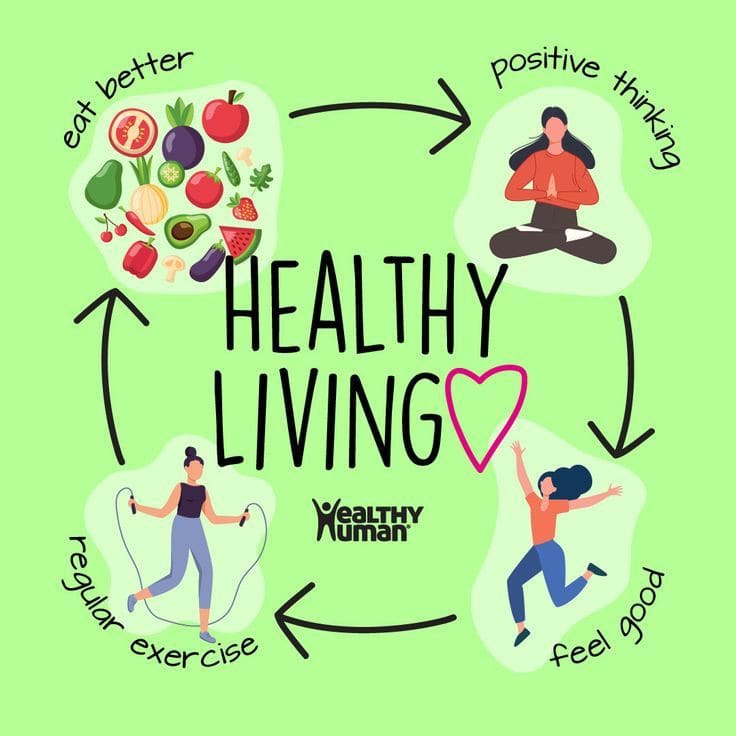
Physical Exercise releases endorphins, improves mood, and provides structure. Even moderate activity like walking or yoga can significantly reduce cravings and anxiety.
Mindfulness and Meditation help you observe thoughts and feelings without judgment, reducing their power over your behavior. Regular practice strengthens self-awareness and emotional regulation.
Creative Expression through art, music, or writing provides healthy outlets for processing emotions and experiences.
Purposeful Activities like volunteering, education, or career development create meaning and self-worth beyond substance use.
6. Address Co-Occurring Mental Health Conditions
Many people struggling with addiction also experience depression, anxiety, PTSD, or other mental health conditions. Integrated treatment that addresses both conditions simultaneously produces better outcomes than treating them separately.
If you suspect underlying mental health issues, seek evaluation from a qualified professional. Proper diagnosis and treatment can remove significant barriers to recovery and improve overall quality of life.
Common Challenges in Addiction Recovery and How to Overcome Them
Managing Cravings and Triggers
Cravings are intense urges to use substances, often triggered by people, places, emotions, or situations associated with past use. Effective strategies include:
- Identifying triggers through journaling and self-reflection
- Avoiding high-risk situations especially during early recovery
- Using the HALT method (checking if you’re Hungry, Angry, Lonely, or Tired) to identify physical and emotional needs
- Practicing urge surfing—observing cravings without acting on them, knowing they will pass
Preventing and Managing Relapse
Relapse is common but not inevitable. Viewing it as part of the learning process rather than failure helps maintain motivation. Warning signs include:
- Isolation and withdrawal from support systems
- Romanticizing past substance use
- Neglecting self-care and healthy routines
- Experiencing increased stress without seeking help
If relapse occurs, immediately reconnect with your support network, reassess your recovery plan, and identify what triggered the setback. Each challenge provides valuable information for strengthening your recovery.
Rebuilding Relationships and Trust
Addiction damages relationships, and rebuilding trust takes time and consistent action. Be patient with loved ones who may remain skeptical. Demonstrate change through sustained sobriety, honest communication, and reliable behavior. Family therapy can help repair relationships and establish healthy boundaries.
What Are the First Steps Someone Should Take When Starting Addiction Recovery?
Beginning addiction recovery starts with honest self-assessment and reaching out for help. Contact a healthcare provider, addiction specialist, or helpline to discuss treatment options appropriate for your situation. Medical evaluation determines whether supervised detox is necessary. Simultaneously, start building your support network by researching therapy options, support groups, and sober living resources in your area. Remember that asking for help demonstrates strength, not weakness.
How Long Does Addiction Recovery Take?
Addiction recovery is a lifelong journey rather than a destination with a fixed timeline. Initial treatment programs typically last 30 to 90 days, but maintaining sobriety requires ongoing commitment. The brain continues healing for months or years after stopping substance use. Most experts recommend at least one year of active recovery work—attending meetings, therapy, and support groups—before considering yourself stable. However, many people in long-term recovery continue engaging with support communities indefinitely because they find value in the connection and growth.
Can Someone Recover from Addiction Without Professional Help?
While some people achieve sobriety independently, professional help significantly increases success rates and safety. Medical supervision during detox prevents potentially fatal complications. Therapy addresses underlying issues and teaches essential coping skills. Support groups provide community and accountability. Attempting recovery alone is particularly dangerous for alcohol, benzodiazepine, or opioid addiction due to severe withdrawal risks. Even if you’re hesitant about formal treatment, start with free resources like 12-step meetings or helplines to build a foundation for success.
What Should Family Members Do to Support Someone in Addiction Recovery?
Family support plays a crucial role in addiction recovery success. Educate yourself about addiction as a disease rather than a moral failing. Set healthy boundaries that support recovery without enabling destructive behavior. Attend family therapy or support groups like Al-Anon to process your own experiences. Celebrate recovery milestones while remaining vigilant for warning signs of relapse. Practice patience—recovery involves setbacks and requires time. Avoid judgment and criticism, instead offering encouragement and consistent support. Remember to prioritize your own mental health and wellbeing throughout the process.
The Path Forward: Embracing Long-Term Recovery
Addiction recovery transforms lives in profound ways. Beyond achieving sobriety, people in recovery often experience improved relationships, better physical health, enhanced career opportunities, and deeper sense of purpose. The skills developed during recovery—emotional regulation, honest communication, resilience—serve you throughout life.
Recovery is not about returning to who you were before addiction—it’s about becoming who you were always meant to be. Each day of sobriety is a victory worth celebrating. The journey will challenge you, but the rewards of freedom, authenticity, and genuine connection make every effort worthwhile.
If you’re struggling with addiction, know that recovery is possible. Millions of people have walked this path before you and emerged stronger, healthier, and more fulfilled. Take the first step today by reaching out for help. Your new life is waiting.