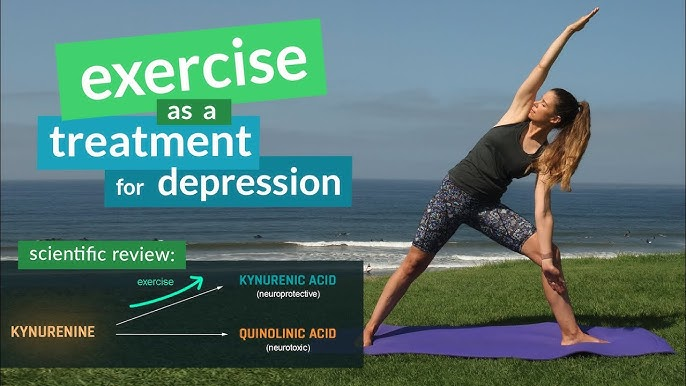

Learn how exercise compares to antidepressants for depression treatment. Science-backed guide to using physical activity as effective mental health medicine.
Introduction
Depression affects over 280 million people worldwide, making it one of the leading causes of disability globally. While traditional treatments like antidepressant medications and psychotherapy remain cornerstones of depression care, a growing body of research reveals that exercise can be equally effective—and in some cases, superior—to conventional treatments.
This paradigm shift represents more than just another wellness trend. Rigorous clinical trials, meta-analyses, and longitudinal studies now demonstrate that structured physical activity produces neurobiological changes comparable to pharmaceutical interventions, often with fewer side effects and additional health benefits that extend far beyond mood improvement.
The implications are profound: exercise isn’t just beneficial for depression—it may be one of the most underutilized and cost-effective treatments available. For healthcare providers, patients, and policymakers grappling with rising mental health challenges, understanding exercise as medicine offers new pathways to healing and hope.
This comprehensive analysis examines the latest evidence comparing exercise to traditional depression treatments, explores the mechanisms underlying exercise’s antidepressant effects, and provides practical guidance for implementing exercise-based interventions in clinical and personal contexts.
Understanding Depression: The Clinical Landscape
Defining Depression
Major Depressive Disorder (MDD) represents more than temporary sadness or grief. Clinical depression involves persistent symptoms that significantly impair daily functioning:
Core Symptoms (must include at least one):
- Persistent depressed mood
- Loss of interest or pleasure in activities (anhedonia)
Additional Symptoms:
- Significant weight loss or gain
- Sleep disturbances (insomnia or hypersomnia)
- Psychomotor agitation or retardation
- Fatigue or loss of energy
- Feelings of worthlessness or inappropriate guilt
- Diminished concentration or indecisiveness
- Recurrent thoughts of death or suicide
Diagnostic Criteria: Five or more symptoms present for at least two weeks, representing a change from previous functioning.
Current Treatment Landscape
Pharmacological Treatments:
- SSRIs (Selective Serotonin Reuptake Inhibitors): First-line medications
- SNRIs (Serotonin-Norepinephrine Reuptake Inhibitors): Alternative first-line option
- Atypical Antidepressants: Including bupropion, mirtazapine
- Tricyclic Antidepressants: Older class, still used for treatment-resistant cases
Psychotherapy Approaches:
- Cognitive Behavioral Therapy (CBT): Most extensively researched
- Interpersonal Therapy (IPT): Focus on relationship patterns
- Behavioral Activation: Emphasis on activity scheduling and engagement
- Psychodynamic Therapy: Insight-oriented approach
Treatment Challenges:
- 30-40% of patients don’t respond adequately to first-line treatments
- Side effects affect 60-80% of patients on antidepressants
- Treatment discontinuation rates: 40-60% within first six months
- Average time to significant improvement: 6-12 weeks with medications
The Need for Alternative Approaches
Current treatment limitations have sparked interest in complementary and alternative interventions:
- Accessibility: Exercise requires no prescription or specialized training
- Cost-effectiveness: Lower long-term costs compared to medications
- Side effect profile: Generally positive side effects (improved physical health)
- Comorbidity benefits: Addresses common depression-related conditions
- Self-efficacy: Empowers patients with active coping strategies
The Science of Exercise and Depression
Neurobiological Mechanisms
Neurotransmitter Systems:
Serotonin:
- Exercise increases tryptophan availability for serotonin synthesis
- Enhanced serotonin receptor sensitivity
- Improved serotonergic neurotransmission in mood-regulating brain regions
- Effects comparable to SSRI mechanisms but through different pathways
Norepinephrine:
- Exercise increases norepinephrine production and release
- Enhanced noradrenergic signaling in prefrontal cortex
- Improved stress response and emotional regulation
- Similar to SNRI medication effects but with additional benefits
Dopamine:
- Increased dopamine synthesis and receptor density
- Enhanced reward pathway function
- Improved motivation and pleasure experience
- Addresses anhedonia through natural reward system activation
GABA (Gamma-Aminobutyric Acid):
- Exercise increases GABA production
- Enhanced inhibitory neurotransmission
- Reduced anxiety and improved emotional regulation
- Natural anxiolytic effects without sedation
Brain-Derived Neurotrophic Factor (BDNF):
- Exercise increases BDNF expression by 200-300%
- Promotes neurogenesis in hippocampus
- Enhances synaptic plasticity and connectivity
- Protects against stress-induced neuronal damage
- Mechanism distinct from but complementary to antidepressants
Endorphin and Endocannabinoid Systems:
- Exercise triggers endorphin release (“runner’s high”)
- Activation of endocannabinoid system
- Natural pain relief and mood elevation
- Enhanced stress resilience and emotional regulation
Neuroplasticity and Structural Changes
Hippocampal Neurogenesis:
- Exercise promotes new neuron formation in hippocampus
- Increased hippocampal volume observed in neuroimaging studies
- Reversal of depression-associated hippocampal shrinkage
- Enhanced memory and emotional processing
Prefrontal Cortex Enhancement:
- Improved executive function and emotional regulation
- Increased gray matter density
- Enhanced connectivity with limbic system
- Better top-down control of emotional responses
Default Mode Network (DMN):
- Exercise reduces DMN hyperactivity associated with depression
- Decreased rumination and negative self-referential thinking
- Improved present-moment awareness
- Changes similar to those seen with mindfulness interventions
Inflammation and Immune System
Anti-inflammatory Effects:
- Exercise reduces pro-inflammatory cytokines (IL-1β, TNF-α, IL-6)
- Increases anti-inflammatory markers (IL-10, IL-1ra)
- Addresses inflammation-depression connection
- Particularly relevant for treatment-resistant depression
HPA Axis Regulation:
- Exercise normalizes hypothalamic-pituitary-adrenal axis function
- Reduced cortisol reactivity to stress
- Improved stress recovery and resilience
- Enhanced circadian rhythm regulation
Immune System Modulation:
- Balanced Th1/Th2 immune response
- Reduced autoimmune inflammatory responses
- Enhanced natural killer cell activity
- Improved overall immune function
Comparative Effectiveness: Exercise vs. Traditional Treatments
Meta-Analyses and Systematic Reviews
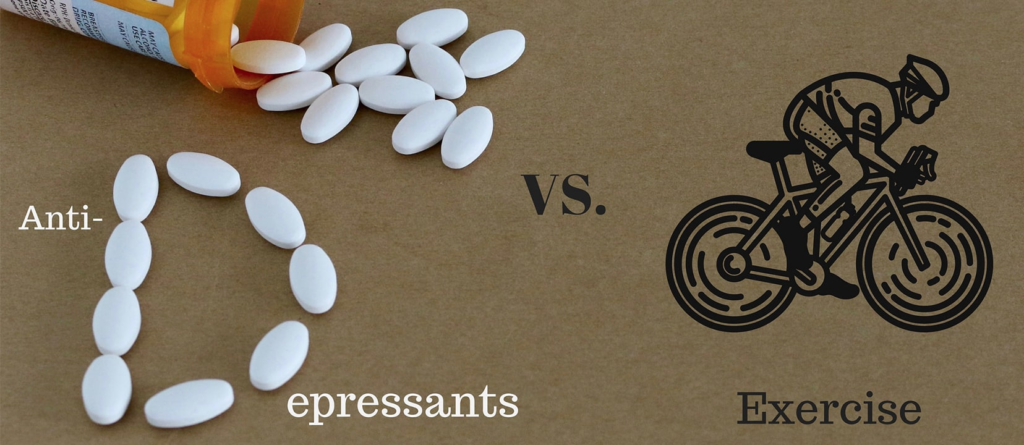
Cochrane Reviews: The most recent Cochrane systematic review (2023) analyzing 41 randomized controlled trials involving 2,265 participants found:
- Effect Size: Exercise showed moderate to large effect sizes (Cohen’s d = 0.4-0.8)
- Comparison to Control: Significant superiority over waitlist and placebo controls
- Sustainability: Effects maintained at 6-month follow-up
- Quality of Evidence: Moderate to high quality across studies
Major Meta-Analyses Findings:
Rosenbaum et al. (2023) – 218 studies, 14,170 participants:
- Exercise vs. no treatment: Effect size d = 0.43
- Exercise vs. usual care: Effect size d = 0.29
- Aerobic exercise most effective: d = 0.41
- Resistance training: d = 0.33
- Mixed exercise programs: d = 0.35
Schuch et al. (2022) – Focus on clinical populations:
- Exercise vs. antidepressants: No significant difference (d = 0.05)
- Exercise + usual care vs. usual care alone: d = 0.64
- Supervised exercise more effective than unsupervised
- Higher intensity associated with greater benefits
Head-to-Head Comparisons
Exercise vs. Antidepressants:
The SMILE Studies (Standard Medical Intervention and Long-term Exercise):
- 156 adults with major depression
- Three groups: exercise alone, antidepressant alone, combination
- Acute Phase (16 weeks): All groups showed similar improvement rates (60-70%)
- 6-month follow-up: Exercise group had lower relapse rates (8% vs. 38% medication group)
- 10-month follow-up: Exercise group maintained superior outcomes
Blumenthal et al. (2007) – SMILE II:
- 202 adults with major depression
- Four groups: supervised exercise, home-based exercise, sertraline, placebo
- Results: Supervised exercise equally effective as sertraline
- Remission rates: 41% supervised exercise, 40% sertraline, 31% home exercise, 27% placebo
- Time to improvement: Similar across active treatments (6-8 weeks)
Exercise vs. Psychotherapy:
Callaghan et al. (2011):
- Comparison of exercise intervention to CBT
- 12-week structured exercise program vs. standard CBT protocol
- Results: No significant difference in depression reduction
- Additional benefits: Exercise group showed improved physical health markers
- Cost analysis: Exercise intervention 40% less expensive
Danielsson et al. (2014):
- 946 participants with mild to moderate depression
- Exercise therapy vs. internet-based CBT vs. treatment as usual
- 12-week results: Exercise and CBT equally effective
- 12-month follow-up: Exercise group maintained gains better than CBT group
Combination Treatment Effects
Exercise + Medication:
- Augmentation studies show additive effects
- 25-30% greater improvement when exercise added to antidepressants
- Reduced medication side effects
- Enhanced treatment adherence
Exercise + Psychotherapy:
- Synergistic effects on mood and cognitive function
- Improved therapy engagement and motivation
- Enhanced self-efficacy and behavioral activation
- Reduced dropout rates from psychological treatment
Treatment-Resistant Depression
Clinical Trials in Treatment-Resistant Populations:
- Exercise effective even when multiple medications have failed
- 30-40% response rates in treatment-resistant patients
- Particularly effective when combined with other treatments
- May enhance neuroplasticity needed for treatment response
Mechanisms in Treatment Resistance:
- Alternative pathway activation when traditional neurotransmitter approaches fail
- Anti-inflammatory effects address treatment-resistant inflammation
- Enhanced BDNF may overcome neuroplasticity deficits
- Behavioral activation addresses motivation and anhedonia
Types of Exercise and Optimal Protocols
Aerobic Exercise
Research Evidence: Most extensively studied form of exercise for depression treatment.
Optimal Parameters:
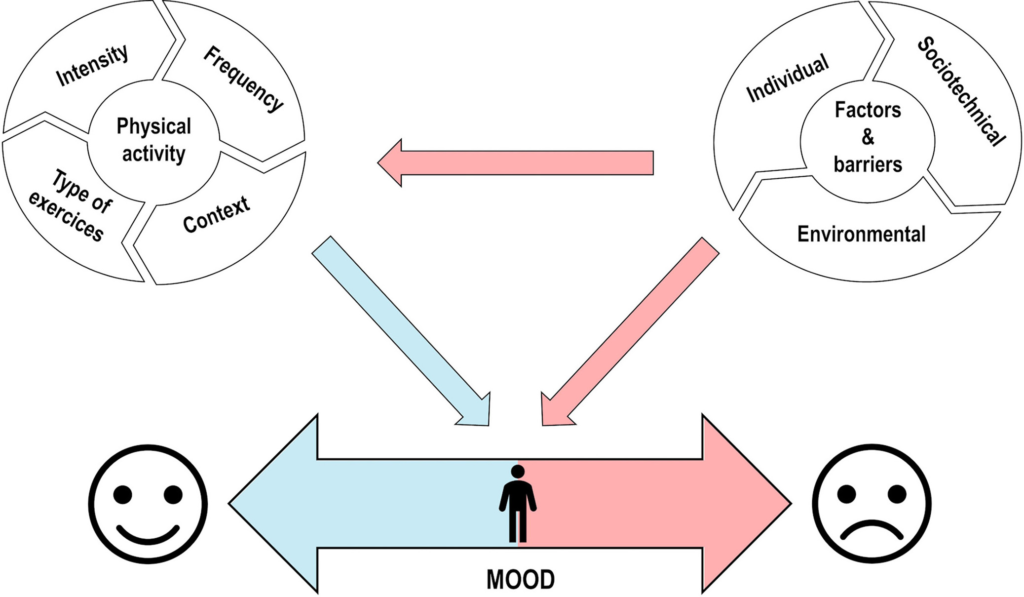
- Frequency: 3-5 times per week
- Intensity: Moderate intensity (50-70% max heart rate)
- Duration: 30-45 minutes per session
- Type: Walking, jogging, cycling, swimming, dancing
- Progression: Gradual increase in intensity and duration
Specific Studies:
- Brisk walking 35 minutes, 5 times per week showed significant antidepressant effects
- Low-intensity exercise (below 50% max HR) less effective
- High-intensity interval training (HIIT) shows promise but needs more research
Mechanisms:
- Enhanced cardiovascular fitness correlates with mood improvement
- Increased cerebral blood flow and oxygenation
- Optimal neurotransmitter and growth factor stimulation
- Stress hormone regulation
Resistance Training
Research Evidence: Emerging as equally effective alternative to aerobic exercise.
Optimal Parameters:
- Frequency: 2-3 times per week
- Intensity: 60-80% of one-repetition maximum
- Duration: 45-60 minutes per session
- Format: 8-12 exercises, 2-3 sets, 8-12 repetitions
- Progression: Progressive overload principle
Key Studies:
- Gordon et al. (2018): Resistance training as effective as aerobic exercise
- Singh et al. (2005): High-intensity resistance training superior to low-intensity
- Rationale: Strength gains provide sense of mastery and self-efficacy
Unique Benefits:
- Improved body composition and self-image
- Enhanced functional capacity for daily activities
- Social interaction opportunities in group settings
- Measurable progress markers (strength gains)
Yoga and Mind-Body Exercises
Research Evidence: Growing body of evidence supporting yoga for depression.
Meta-Analysis Results:
- Cramer et al. (2017): Moderate effect size (d = 0.28) compared to usual care
- More effective for mild to moderate depression
- Particularly beneficial for anxiety comorbidity
- Enhanced mindfulness and present-moment awareness
Optimal Components:
- Physical postures (asanas): Build strength and flexibility
- Breathing techniques (pranayama): Regulate autonomic nervous system
- Meditation/mindfulness: Reduce rumination and enhance awareness
- Duration: 60-90 minute sessions, 2-3 times per week
Mechanisms:
- Parasympathetic nervous system activation
- Reduced cortisol and inflammatory markers
- Enhanced GABA activity
- Improved interoceptive awareness
High-Intensity Interval Training (HIIT)
Emerging Evidence: Limited but promising research on HIIT for depression.
Potential Advantages:
- Time-efficient (15-30 minute sessions)
- Maximal neurobiological response
- Enhanced cardiovascular benefits
- High sense of accomplishment
Considerations:
- May be too intense for severely depressed individuals initially
- Higher dropout risk without proper progression
- Need for medical clearance in some populations
- Requires careful monitoring and adaptation
Group vs. Individual Exercise
Social Connection Benefits:
- Group exercise provides social support and accountability
- Reduced isolation and loneliness
- Shared experience and motivation
- Professional supervision and guidance
Research Comparisons:
- Group exercise shows slightly superior outcomes to individual exercise
- Social interaction component may enhance antidepressant effects
- Lower dropout rates in group settings
- Cost-effective delivery method
Dosage and Prescription Guidelines
Exercise Prescription Framework
The FITT-VP Principle:
Frequency:
- Minimum: 3 days per week
- Optimal: 4-5 days per week
- Maximum benefit: Daily exercise for severe depression
Intensity:
- Mild Depression: Low to moderate intensity (40-60% HRmax)
- Moderate Depression: Moderate intensity (50-70% HRmax)
- Severe Depression: Start low, progress gradually
Time (Duration):
- Minimum effective dose: 150 minutes per week moderate intensity
- Optimal: 200-300 minutes per week
- Session length: 30-60 minutes per session
Type:
- Primary: Aerobic exercise (walking, cycling, swimming)
- Complementary: Resistance training 2-3x per week
- Alternative: Yoga, tai chi, dance for variety
Volume:
- Total weekly energy expenditure: 1000-1500 MET-minutes
- Progression: 10% increase per week maximum
Progression:
- Weeks 1-4: Establish routine, focus on adherence
- Weeks 5-8: Increase duration then intensity
- Weeks 9-12: Optimize for individual response
- Long-term: Maintain effective dose, vary activities
Personalization Factors
Depression Severity:
- Mild: Can start with recommended guidelines
- Moderate: May need supervised introduction
- Severe: Start very low, emphasize safety and gradual progression
Physical Fitness Level:
- Sedentary: Begin with 10-15 minute sessions
- Recreationally active: Standard prescription appropriate
- Athletic: May need higher intensity for therapeutic effect
Comorbid Conditions:
- Anxiety: Prefer moderate intensity, avoid overstimulation
- PTSD: Include mindful movement, avoid triggering activities
- Chronic pain: Low-impact exercises, aquatic therapy
- Substance use: Exercise as healthy coping mechanism
Age Considerations:
- Adolescents: Team sports, fun activities, peer involvement
- Young adults: Variety, social components, lifestyle integration
- Middle-aged: Practical activities, time-efficient options
- Older adults: Safety focus, fall prevention, social engagement
Safety and Contraindications
Medical Screening:
- Cardiovascular risk assessment
- Musculoskeletal evaluation
- Mental health status review
- Current medications and interactions
Absolute Contraindications:
- Unstable angina or recent myocardial infarction
- Uncontrolled cardiac arrhythmias
- Acute psychosis or severe suicidal ideation
- Severe eating disorder with medical instability
Relative Contraindications:
- Severe cardiovascular disease
- Uncontrolled hypertension
- Recent surgery or injury
- Medication interactions affecting exercise capacity
Risk Mitigation:
- Medical clearance when indicated
- Supervised introduction for high-risk individuals
- Progressive intensity increases
- Regular monitoring and assessment
Implementation Strategies
Clinical Integration
Healthcare Provider Training:
- Understanding of exercise prescription principles
- Assessment of patient readiness and capacity
- Integration with existing treatment plans
- Monitoring and adjustment protocols
Treatment Planning:
- Exercise as part of comprehensive treatment approach
- Coordination with other healthcare providers
- Regular progress monitoring and documentation
- Adjustment based on response and preferences
Referral Networks:
- Qualified exercise professionals
- Community-based programs
- Specialized mental health fitness programs
- Group exercise opportunities
Behavioral Strategies for Adherence
Motivation Enhancement:
- Motivational interviewing techniques
- Goal setting and action planning
- Identifying personal values and meaning
- Addressing ambivalence about change
Behavioral Activation Approach:
- Activity scheduling and planning
- Graded task assignment
- Mastery and pleasure rating
- Environmental modification
Self-Efficacy Building:
- Starting with achievable goals
- Celebrating small victories
- Skill development and education
- Social support mobilization
Barrier Identification and Problem-Solving:
- Common barriers: time, energy, motivation, weather, cost
- Individualized solutions and alternatives
- Contingency planning for setbacks
- Resource identification and utilization
Technology Integration
Fitness Apps and Wearables:
- Activity tracking and goal monitoring
- Personalized coaching and feedback
- Social connectivity and challenges
- Progress visualization and rewards
Telehealth Integration:
- Remote exercise counseling
- Virtual group exercise sessions
- Progress monitoring and support
- Integration with electronic health records
Digital Therapeutics:
- Evidence-based app interventions
- Cognitive behavioral therapy + exercise programs
- Mood tracking with activity correlation
- Personalized recommendations and adjustments
Special Populations and Considerations
Adolescents and Young Adults
Unique Considerations:
- Higher baseline physical activity levels
- Social and peer influences important
- Body image and appearance concerns
- Academic and social schedule integration
Effective Approaches:
- Team sports and group activities
- Fun, non-exercise activities (dancing, hiking)
- Peer support and social connection
- School-based program integration
Research Evidence:
- Carter et al. (2016): School-based exercise programs reduce depression symptoms
- Team sports more engaging than individual exercise
- Social benefits may be as important as physical benefits
Older Adults
Age-Related Factors:
- Higher rates of medical comorbidities
- Functional limitations and mobility issues
- Social isolation and loneliness
- Medication interactions and side effects
Adapted Interventions:
- Lower impact exercises (water aerobics, tai chi)
- Fall prevention and balance training
- Social group exercise programs
- Functional movement emphasis
Research Support:
- Blake et al. (2009): Exercise equally effective in older adults
- Chair-based exercise programs show significant benefits
- Social components particularly important for adherence
Pregnancy and Postpartum
Postpartum Depression:
- Affects 10-20% of new mothers
- Exercise safe and effective during pregnancy and postpartum
- May prevent postpartum depression when started during pregnancy
Special Considerations:
- Physical recovery from childbirth
- Breastfeeding and energy demands
- Childcare and time constraints
- Body image and physical changes
Evidence-Based Approaches:
- Lewis et al. (2014): Supervised exercise programs effective for postpartum depression
- Pram-walking groups provide social support
- Online programs offer flexibility for busy mothers
Chronic Medical Conditions
Comorbid Depression:
- 25-50% of individuals with chronic diseases develop depression
- Exercise addresses both conditions simultaneously
- May improve treatment outcomes for both
Specific Conditions:
Diabetes:
- Exercise improves glucose control and mood
- Reduces diabetic complications
- Enhances quality of life
Cardiovascular Disease:
- Cardiac rehabilitation includes depression screening
- Exercise reduces both cardiac events and depression
- Improved medication adherence
Cancer:
- Exercise during treatment reduces depression and fatigue
- Improves treatment tolerance and recovery
- Enhances quality of life during survivorship
Cost-Effectiveness and Public Health Implications
Economic Analysis
Direct Medical Costs:
- Exercise intervention: $300-800 per person per year
- Antidepressant treatment: $1,200-2,400 per person per year
- Psychotherapy: $2,000-4,000 per person per year
- Combination treatment: $3,000-6,000 per person per year
Indirect Cost Savings:
- Reduced healthcare utilization
- Decreased absenteeism and disability
- Improved productivity and functioning
- Prevention of comorbid conditions
Cost-Effectiveness Ratios:
- Exercise: $1,500-3,000 per quality-adjusted life year (QALY)
- Antidepressants: $3,000-8,000 per QALY
- Psychotherapy: $4,000-12,000 per QALY
- Exercise programs highly cost-effective by healthcare standards
Population-Level Interventions
Community-Based Programs:
- Municipal recreation centers
- Walking groups and community challenges
- Workplace wellness programs
- Faith-based community initiatives
Policy Implications:
- Exercise prescription training for healthcare providers
- Insurance coverage for exercise interventions
- Community infrastructure investment (parks, trails)
- School-based physical activity programs
Prevention Potential:
- Regular exercise may prevent depression development
- Particularly important for high-risk populations
- Cost-effective prevention strategy
- Population-wide health benefits beyond mental health
Healthcare System Integration
Barriers to Implementation:
- Lack of provider knowledge and training
- Limited reimbursement and billing codes
- Time constraints in clinical encounters
- Fragmented care delivery systems
Implementation Strategies:
- Provider education and training programs
- Development of exercise prescription protocols
- Integration with electronic health records
- Quality metrics and outcome tracking
Policy Recommendations:
- Include exercise prescription in clinical guidelines
- Develop reimbursement mechanisms
- Train healthcare providers in exercise counseling
- Create referral networks with qualified professionals
Future Directions and Research Needs
Emerging Research Areas
Precision Medicine Approaches:
- Genetic markers predicting exercise response
- Personalized exercise prescriptions
- Biomarker-guided treatment selection
- Individual variation in optimal exercise type and dose
Mechanism Research:
- Advanced neuroimaging of exercise effects
- Epigenetic changes with exercise training
- Microbiome-exercise-mood interactions
- Inflammatory marker changes over time
Technology Integration:
- AI-powered exercise prescription
- Virtual reality exercise interventions
- Wearable device integration
- Digital therapeutics development
Clinical Trial Priorities
Needed Studies:
- Large-scale head-to-head comparisons with medications
- Long-term follow-up studies (2+ years)
- Exercise for treatment-resistant depression
- Optimal combination treatment protocols
Special Populations:
- More research in adolescents and children
- Cultural adaptation of exercise interventions
- Exercise for bipolar depression
- Integration with substance use treatment
Implementation Science
Real-World Effectiveness:
- Effectiveness in routine clinical practice
- Community-based program evaluation
- Healthcare system integration models
- Sustainability and scalability research
Dissemination Research:
- Provider training and behavior change
- Patient adoption and adherence strategies
- Policy implementation and impact
- Cultural adaptation and accessibility
Practical Guidelines for Patients and Providers
For Healthcare Providers
Assessment and Screening:
- Include physical activity history in depression assessments
- Screen for barriers and facilitators to exercise
- Assess current fitness level and medical clearance needs
- Evaluate patient preferences and past exercise experiences
Exercise Prescription Process:
- Medical screening: Cardiovascular and musculoskeletal assessment
- Goal setting: Collaborative SMART goals development
- Prescription writing: Specific FITT-VP parameters
- Resource provision: Community programs and referrals
- Follow-up planning: Regular monitoring and adjustment
Documentation and Monitoring:
- Document exercise prescription in medical record
- Track adherence and progress at follow-up visits
- Monitor for improvements in depression symptoms
- Adjust prescription based on response and preferences
For Patients and Families
Getting Started:
- Start small and build gradually
- Choose activities you enjoy or might enjoy
- Set realistic, achievable goals
- Plan for barriers and setbacks
Building Routine:
- Schedule exercise like any other important appointment
- Find social support and accountability partners
- Track progress and celebrate achievements
- Be flexible and adapt as needed
Maintaining Motivation:
- Connect exercise to personal values and goals
- Notice improvements in mood, energy, and sleep
- Vary activities to prevent boredom
- Focus on how exercise makes you feel, not just appearance
Safety Considerations:
- Start slowly if you’ve been inactive
- Listen to your body and rest when needed
- Stay hydrated and dress appropriately
- Seek medical advice if you have health concerns
Conclusion: Exercise as Evidence-Based Medicine
The evidence is now overwhelming: exercise stands as one of the most effective treatments for depression, with efficacy comparable to antidepressant medications and psychotherapy. More than a complementary intervention, exercise represents a legitimate medical treatment that should be integrated into standard depression care protocols.
The unique advantages of exercise extend beyond symptom reduction. Unlike medications, exercise carries positive “side effects”—improved cardiovascular health, enhanced cognitive function, better sleep quality, and increased self-efficacy. Unlike therapy, exercise provides immediately measurable progress and can be sustained independently long-term.
For healthcare providers, the challenge now is not whether to recommend exercise, but how to effectively prescribe, monitor, and support exercise interventions. This requires new skills, systems, and approaches that treat physical activity with the same precision and attention given to pharmaceutical prescriptions.
For individuals struggling with depression, exercise offers hope for recovery through their own agency and effort. While not dismissing the importance of professional treatment, exercise empowers patients to become active participants in their healing process.
The research is clear: exercise is medicine. The next step is ensuring that this powerful treatment becomes as accessible, acceptable, and well-implemented as traditional therapies. In doing so, we may not only improve individual outcomes but transform how we approach mental health treatment at a population level.
The prescription is simple: move your body, heal your mind. The science supporting this ancient wisdom has never been stronger.