
Discover how climate change spreads dengue, malaria, and vector-borne diseases to new regions. Essential prevention strategies and critical health implications.
Introduction
Climate change represents one of the greatest public health threats of the 21st century, with rising global temperatures fundamentally altering disease patterns worldwide. Among the most alarming consequences is the geographic expansion of vector-borne diseases—illnesses transmitted by mosquitoes, ticks, and other disease-carrying organisms that thrive in warming climates. Diseases once confined to tropical regions, including dengue fever, malaria, Zika virus, and Lyme disease, are now appearing in areas previously too cold for these vectors to survive. Understanding how climate change drives disease spread and implementing powerful protection strategies becomes increasingly critical as warming accelerates and disease boundaries shift northward.
The Climate-Disease Connection
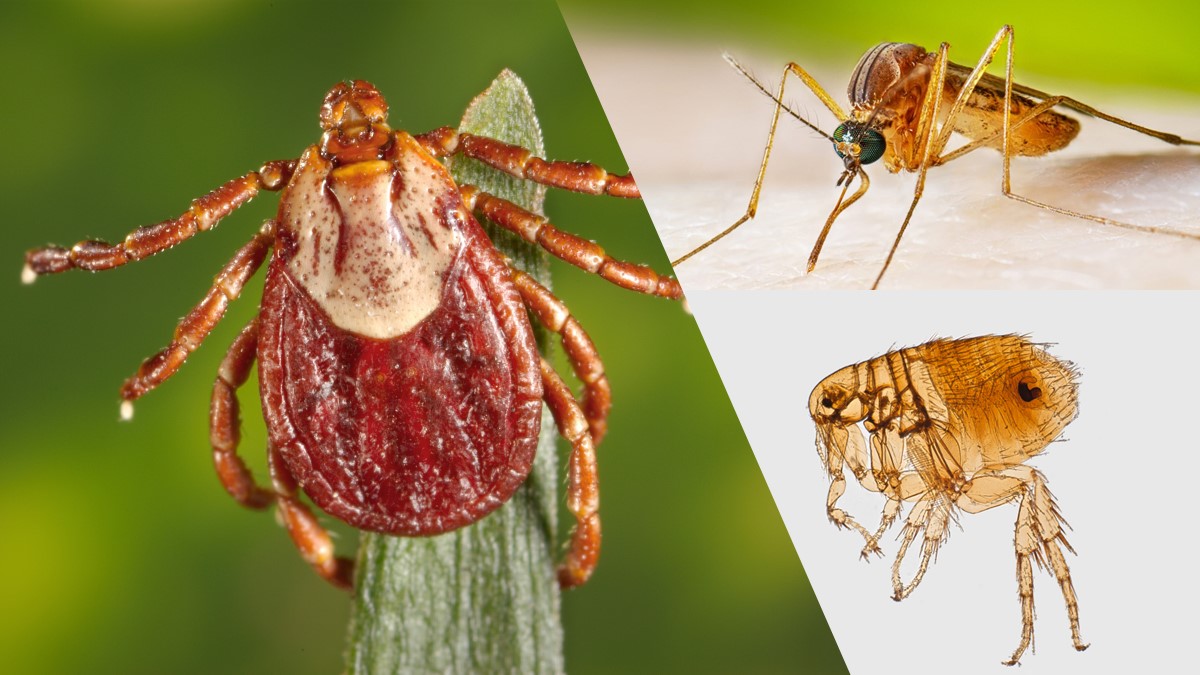
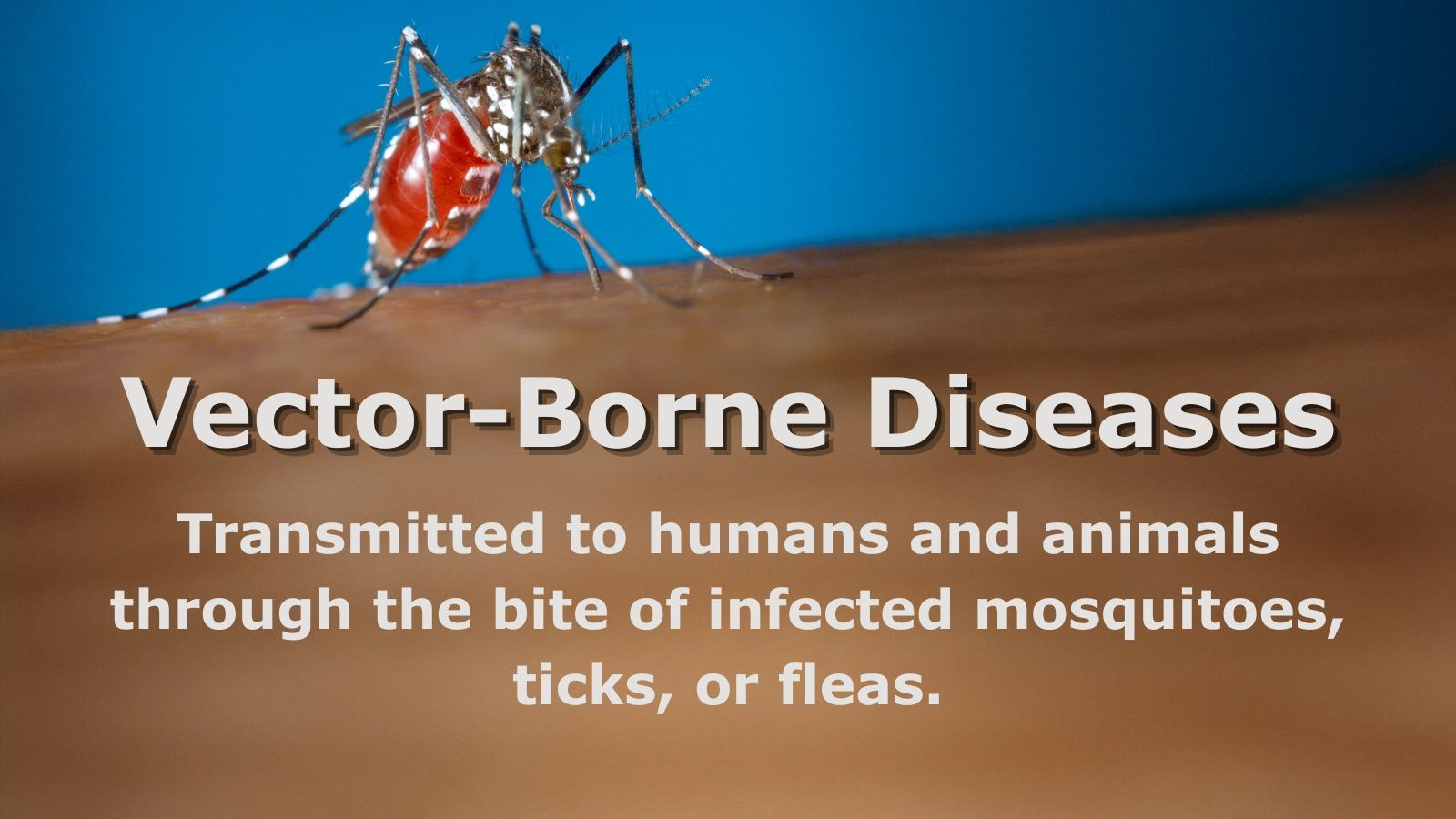
Vector-borne diseases account for more than 17 percent of all infectious diseases globally, causing over 700,000 deaths annually according to the World Health Organization. These diseases depend on living organisms—vectors—to transmit pathogens from one host to another. Climate fundamentally controls where these vectors can survive, reproduce, and transmit disease.
Temperature, precipitation, humidity, and other climate factors directly influence vector biology in several critical ways. Warmer temperatures accelerate mosquito development from egg to adult, increase mosquito reproduction rates, extend the transmission season in temperate regions, expand geographic ranges northward and to higher elevations, and accelerate pathogen development within vectors. Changing rainfall patterns create new breeding habitats through increased standing water or disrupt ecosystems in ways that favor disease transmission.
These climate-driven changes create a perfect storm for disease expansion. Regions with no historical exposure to diseases like dengue or malaria now face emerging threats as warming temperatures allow disease vectors to colonize new territories. Simultaneously, established endemic areas experience intensified transmission with longer seasons and higher disease burdens.
Major Vector-Borne Diseases Expanding Due to Climate Change
Dengue Fever
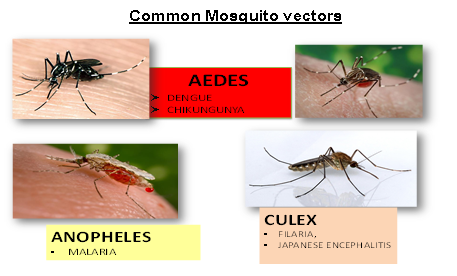
Dengue, transmitted primarily by Aedes aegypti and Aedes albopictus mosquitoes, represents the fastest-growing mosquito-borne viral disease globally. Over the past 50 years, dengue incidence has increased 30-fold, now affecting more than 129 countries with approximately 390 million infections annually.
Climate change drives dengue expansion through multiple mechanisms. Rising minimum temperatures allow Aedes mosquitoes to survive winters in previously unsuitable regions. Warmer temperatures speed up viral replication within mosquitoes, shortening the time from mosquito infection to transmission capability. Extended warm seasons prolong transmission periods. Increased rainfall and flooding create breeding sites in urban environments where these container-breeding mosquitoes thrive.
Dengue has now appeared in southern United States, southern Europe (including France, Croatia, and Spain), and is expanding into higher elevations in South America and Asia. Previously dengue-free regions now report local transmission rather than only imported cases from travelers.
Symptoms: Dengue causes high fever, severe headache, pain behind eyes, joint and muscle pain, rash, and mild bleeding. Severe dengue (dengue hemorrhagic fever) can be fatal, causing plasma leakage, severe bleeding, and organ impairment.
Malaria
Malaria, transmitted by Anopheles mosquitoes, causes approximately 229 million cases and 409,000 deaths annually, primarily in Africa. While overall malaria deaths have declined due to control efforts, climate change threatens to reverse progress by expanding suitable malaria transmission zones.
Temperature increases make highland areas of Africa, Asia, and South America newly suitable for malaria transmission, threatening populations with no immunity or healthcare infrastructure for the disease. Warmer temperatures in sub-Saharan Africa extend transmission seasons and intensify transmission in endemic areas. Changing rainfall patterns alter mosquito breeding habitat availability, sometimes increasing and sometimes decreasing malaria risk depending on local conditions.
Models predict climate change could expose an additional 1 billion people to malaria risk by the end of this century if warming continues unabated. Highland populations in Kenya, Ethiopia, Rwanda, and other African countries face particular vulnerability as rising temperatures push malaria into previously malaria-free mountains.
Symptoms: Malaria causes fever, chills, headache, nausea, vomiting, and fatigue occurring in cycles. Without treatment, malaria can progress to severe disease causing cerebral malaria, respiratory distress, organ failure, and death, particularly in children and pregnant women.
Zika Virus
Zika virus, transmitted by the same Aedes mosquitoes that spread dengue, emerged as a global threat during the 2015-2016 outbreak in the Americas. The virus causes mild symptoms in most people but can cause devastating birth defects (microcephaly) when pregnant women are infected.
Warming temperatures expand Aedes mosquito range northward into the United States and Europe, creating conditions for Zika transmission in new regions. The same climate factors driving dengue expansion apply to Zika, threatening future outbreaks in currently low-risk areas as temperatures rise.
Lyme Disease
Lyme disease, transmitted by blacklegged ticks (Ixodes species), is the most common vector-borne disease in the United States and Europe. Climate warming extends tick active seasons, expands geographic distribution northward and to higher elevations, and allows ticks to survive milder winters that previously limited populations.
Lyme disease cases in the United States have more than tripled since the 1990s, with geographic expansion into previously unaffected regions. Similar patterns appear in Europe and Canada as warming temperatures create suitable tick habitat.
Symptoms: Early Lyme disease causes characteristic bullseye rash (erythema migrans), fever, headache, and fatigue. Untreated Lyme can progress to joint pain, neurological problems, and cardiac complications.
Other Emerging Threats
West Nile Virus: Mosquito-borne virus expanding northward in North America and Europe with warming temperatures.
Chikungunya: Painful mosquito-borne disease spreading from Africa and Asia to the Americas and Europe.
Leishmaniasis: Sandfly-transmitted parasitic disease expanding northward in Europe and the Americas.
Chagas Disease: Kissing bug-transmitted disease potentially expanding with warming in the Americas.
Why Climate Change Creates Perfect Conditions for Disease Spread
Understanding the mechanisms behind climate-driven disease expansion helps explain why these threats are intensifying.
Temperature Effects on Vector Biology: Most disease vectors are cold-blooded organisms whose biology is directly controlled by environmental temperature. Warmer temperatures increase metabolic rates, accelerate development, and boost reproduction. For mosquitoes, every 1°C increase in temperature can shorten the time from egg to adult by several days, dramatically increasing population growth rates.
Higher temperatures also accelerate pathogen development within vectors. For malaria, the parasite requires approximately 26 days to develop inside mosquitoes at 20°C but only 13 days at 25°C. This means more mosquitoes become infectious before dying, significantly amplifying transmission potential.
Geographic Range Expansion: As minimum winter temperatures rise, regions previously too cold for vector survival become suitable habitat. This is particularly evident in temperate zones where winter cold historically prevented tropical and subtropical vectors from establishing permanent populations. Now, these barriers are weakening, allowing disease vectors to colonize new territories.
Seasonal Extension: In regions where vectors already exist but disease transmission is seasonal, warming extends the transmission season. Mosquitoes emerge earlier in spring and remain active later in fall, providing additional months for disease transmission annually.
Ecosystem Disruption: Climate change disrupts ecosystems in complex ways that often favor disease vectors. Changes in predator populations, vegetation patterns, and water availability can shift competitive balances toward disease-carrying species. Extreme weather events like floods and droughts create population fluctuations and habitat changes that sometimes increase disease risk.
Human Behavioral Changes: As temperatures rise, people spend more time outdoors during hours when mosquitoes are active, increasing exposure. Changes in water storage practices during droughts create mosquito breeding sites. Climate refugees and displaced populations moving to new regions encounter diseases they lack immunity to while stressing healthcare systems.
Vulnerable Populations and Regions
Climate change impacts on vector-borne diseases disproportionately affect certain populations and regions.
Tropical and Subtropical Regions: Areas already endemic for vector-borne diseases experience intensified transmission with longer seasons and higher disease burdens. Similar to how existing health infrastructure struggles with diseases like hepatitis in resource-limited settings, vector-borne disease intensification strains already overstretched healthcare systems.
Highland Populations: Communities in mountainous regions of Africa, Asia, and South America face newly introduced diseases as warming pushes transmission zones upward in elevation. These populations lack immunity and healthcare infrastructure to handle emerging threats.
Temperate Zone Expansions: Southern United States, southern Europe, and similar regions face colonization by tropical disease vectors, introducing diseases like dengue and Zika to populations with no historical exposure or public health experience managing these threats.
Vulnerable Populations: Children, elderly, pregnant women, and immunocompromised individuals face higher risks from vector-borne diseases. Poverty amplifies vulnerability through inadequate housing that allows vector entry, lack of air conditioning increasing outdoor exposure, limited access to healthcare, and residing in areas with poor environmental management creating breeding sites.
Powerful Protection and Prevention Strategies
While climate change presents daunting challenges, effective personal and community-level strategies can substantially reduce vector-borne disease risk.
Personal Protection Measures
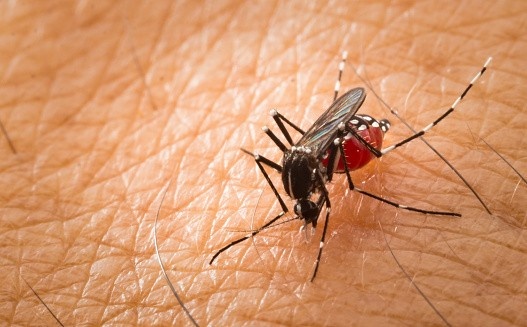
Mosquito Bite Prevention:
- Use EPA-registered insect repellents containing DEET, picaridin, IR3535, or oil of lemon eucalyptus
- Wear long-sleeved shirts and long pants when outdoors during peak mosquito activity
- Treat clothing with permethrin for additional protection
- Use mosquito netting over beds in endemic areas
- Install window and door screens to prevent indoor mosquito entry
- Use air conditioning when available to keep mosquitoes out
Tick Prevention:
- Walk in center of trails avoiding tall grass and brush
- Use EPA-registered tick repellents
- Wear light-colored clothing to spot ticks easily
- Perform thorough tick checks after outdoor activities
- Shower within two hours of coming indoors to wash off unattached ticks
- Tumble dry clothes on high heat to kill remaining ticks
Environmental Management:
- Eliminate standing water around homes (flower pots, gutters, tire swings, buckets)
- Change water in pet bowls, birdbaths, and fountains at least weekly
- Keep swimming pools chlorinated and properly maintained
- Repair screens with holes or tears
- Maintain yard landscaping to reduce tick habitat
Community and Public Health Interventions
Effective vector-borne disease control requires coordinated public health responses including surveillance systems monitoring vector populations and disease cases, source reduction eliminating breeding sites through environmental management, targeted insecticide application using integrated pest management approaches, public education campaigns, and healthcare system preparedness for diagnosis and treatment of emerging diseases.
Travel Precautions
When traveling to areas with vector-borne disease risks, visit travel health clinics 4-6 weeks before departure for vaccines and preventive medications, take antimalarial medications as prescribed for malaria-endemic destinations, use insect repellent and protective clothing consistently, and stay in accommodations with air conditioning and screens. Understanding travel-related disease risks parallels the importance of recognizing other travel health concerns similar to awareness about hantavirus in certain environments.
The Role of Healthcare Systems and Policy
Addressing climate-driven vector-borne disease expansion requires coordinated healthcare and policy responses including enhanced disease surveillance in newly at-risk regions, healthcare provider education about recognizing diseases previously uncommon in their areas, research funding for vaccines and treatments, climate adaptation strategies in public health planning, and ultimately, aggressive climate change mitigation to slow warming and limit disease expansion.
Maintaining overall health resilience through proper nutrition, regular exercise, adequate sleep, and stress management supports immune function, helping your body fight infections if exposed.
Frequently Asked Questions
Can climate change be reversed to stop disease spread?
While immediate reversal isn’t possible, aggressive climate mitigation can slow warming and limit disease expansion. Even with current warming, adaptation strategies and vector control can reduce disease burden. Every fraction of a degree of warming prevented means fewer people exposed to vector-borne disease risks.
Are vaccines available for these diseases?
Malaria vaccines are in limited use but not highly effective. Dengue vaccine exists but is recommended only for people with previous dengue infection. No vaccines are available for Zika, chikungunya, or West Nile virus. Lyme vaccine was previously available but is no longer marketed, though new vaccines are in development.
Will northern countries like Canada and northern Europe face malaria?
While warming creates theoretical conditions for malaria transmission in temperate regions, actual establishment depends on multiple factors including vector presence, pathogen introduction, human behavior, and public health capacity. Brief summer transmission is possible, but widespread endemic malaria in northern countries remains unlikely due to robust public health infrastructure and behavioral factors limiting transmission.
How can I know if vector-borne diseases are a risk in my area?
Check with local public health departments, which track disease cases and vector surveillance. The CDC provides maps of disease risk areas for travelers. As climate changes, previously safe regions may develop risks, making awareness increasingly important.
Do all mosquitoes carry disease?
No, only certain mosquito species transmit specific diseases, and only mosquitoes that have bitten infected hosts carry pathogens. However, since you cannot tell which mosquitoes are infected, protection against all mosquito bites in endemic areas is advisable.
Can mental health be affected by climate change and disease concerns?
Yes, climate anxiety and worry about emerging disease threats can impact mental wellbeing. Focusing on controllable actions like personal protection measures and community engagement helps manage anxiety while taking concrete steps to reduce risk.
What should I do if I develop symptoms after potential vector exposure?
Seek medical care promptly, informing healthcare providers about potential vector exposure and any travel history. Early diagnosis and treatment significantly improve outcomes for most vector-borne diseases.
Moving Forward in a Warming World
Climate change-driven expansion of vector-borne diseases represents a serious and growing global health threat. As temperatures rise, diseases once confined to tropical regions spread into new territories, threatening populations without immunity, healthcare infrastructure, or experience managing these conditions.
However, this sobering reality doesn’t mean helplessness. Understanding how climate drives disease spread, implementing effective personal protection, supporting community-level control efforts, and advocating for climate action and public health preparedness all contribute to reducing risk and protecting vulnerable populations.
Stay informed about emerging disease risks in your region, practice consistent vector bite prevention, support evidence-based public health measures, and recognize that individual actions matter both in personal protection and in the broader fight against climate change.
The intersection of climate change and infectious disease represents one of the defining public health challenges of our time. Meeting this challenge requires awareness, action, and determination to protect human health in our rapidly changing world.