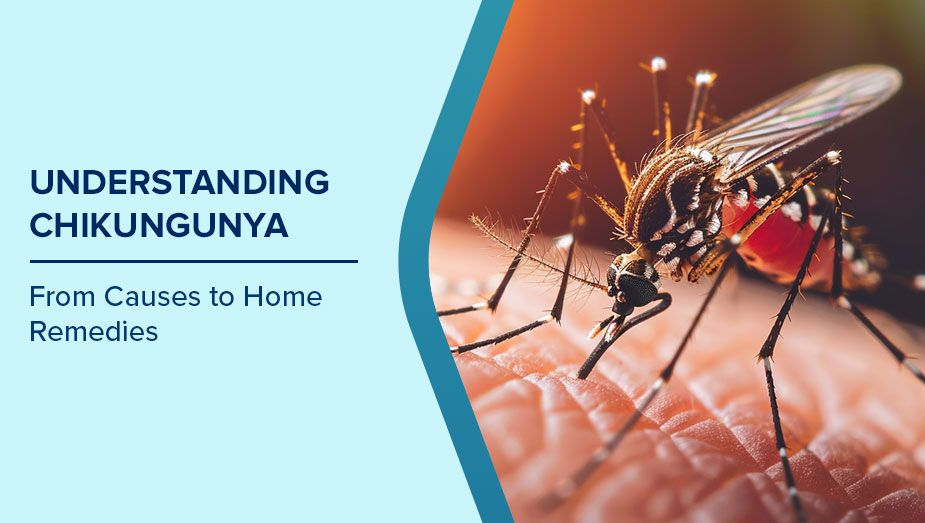

Unmask the truth about chikungunya: Learn how to spot symptoms early, access the best treatments, and apply powerful prevention strategies. Stay protected against this mosquito-borne threat.
Introduction
Chikungunya fever has emerged as one of the most debilitating mosquito-borne diseases affecting millions worldwide, causing excruciating joint pain that can persist for months or even years. This viral infection, once confined to tropical regions of Africa and Asia, has rapidly expanded its geographic reach, now threatening populations across the Americas, Europe, and beyond. Understanding chikungunya is no longer optional—it’s essential knowledge that could protect you and your loved ones from months of suffering.
The name “chikungunya” derives from the Kimakonde language of Tanzania, meaning “to become contorted,” aptly describing the severe joint pain that forces patients into hunched positions. Despite being identified over 60 years ago, chikungunya has exploded into global prominence over the past two decades, with major outbreaks affecting millions and overwhelming healthcare systems from the Caribbean to India.
This comprehensive guide exposes everything you need to know about chikungunya: recognizing symptoms early, understanding treatment options, and implementing proven prevention strategies that actually work. Whether you live in an endemic area, plan to travel to affected regions, or simply want to stay informed about emerging health threats, this article provides critical, life-changing information.
Understanding Chikungunya: The Virus Behind the Pain
Chikungunya is caused by the chikungunya virus (CHIKV), an alphavirus transmitted to humans through the bites of infected Aedes mosquitoes, primarily Aedes aegypti and Aedes albopictus. These same mosquito species transmit other dangerous diseases including dengue fever, Zika virus, and yellow fever, making them among the deadliest insects on Earth.
The virus replicates rapidly in mosquitoes and maintains high concentrations in human blood during the acute phase of illness, facilitating efficient transmission. Unlike malaria-carrying mosquitoes that feed primarily at night, Aedes mosquitoes are aggressive daytime biters, attacking throughout daylight hours with peak activity during early morning and late afternoon. This daytime feeding behavior makes prevention particularly challenging, as people go about normal daily activities when exposure risk peaks.
Chikungunya exists in several genetic lineages that have evolved and spread across different geographic regions. The East/Central/South African lineage, West African lineage, and Asian lineage each exhibit unique characteristics affecting transmissibility and disease severity. A critical mutation in the Asian lineage enabled efficient transmission by Aedes albopictus, the Asian tiger mosquito, facilitating the virus’s dramatic global expansion into temperate regions previously considered safe from chikungunya.
The virus cannot spread directly between humans—mosquitoes serve as obligate vectors carrying the pathogen from infected to susceptible individuals. When a mosquito feeds on a person during the viremic phase (typically the first week of illness when virus concentrations peak in blood), it becomes infected and can subsequently transmit the virus to other people throughout its lifespan. Understanding this transmission cycle reveals where prevention efforts prove most effective.
The Global Spread: From Isolated Outbreaks to Pandemic Threat
Chikungunya was first identified during an outbreak in Tanzania in 1952, remaining largely confined to Africa and sporadic outbreaks in Asia for decades. The situation changed dramatically in 2004 when a massive outbreak erupted in Kenya, subsequently spreading to islands in the Indian Ocean including Réunion, where it infected approximately one-third of the population. This outbreak marked chikungunya’s transformation from a relatively obscure tropical disease to a major global health threat.
The virus reached the Western Hemisphere in 2013 when local transmission was documented in the Caribbean island of Saint Martin. From this foothold, chikungunya spread explosively throughout the Americas, reaching 45 countries and territories within just two years. The Pan American Health Organization reported over 1.7 million suspected chikungunya cases in the Americas during 2014 alone, with particularly severe outbreaks devastating Caribbean nations and Central American countries.
Climate change and global travel have accelerated chikungunya’s geographic expansion. Rising temperatures extend the viable habitat range for Aedes mosquitoes into previously temperate zones. International travel connects distant regions, with infected travelers introducing the virus to areas containing competent mosquito vectors. Local transmission has been documented in European countries including Italy and France, signaling that chikungunya threatens even developed nations with robust healthcare infrastructure.
Currently, chikungunya poses risk across tropical and subtropical regions worldwide. Endemic areas include much of Africa, Southeast Asia, the Indian subcontinent, and scattered locations throughout the Americas. The World Health Organization monitors chikungunya distribution through disease surveillance networks, though many cases likely go unreported in resource-limited settings. No region with Aedes mosquitoes can consider itself immune from potential chikungunya introduction and transmission.
Recognizing Chikungunya: Symptoms That Demand Attention
Chikungunya symptoms typically appear 3-7 days after an infected mosquito bite, though the incubation period can range from 1-12 days. The disease onset is characteristically sudden and dramatic, with patients often able to identify the precise moment illness began. Understanding symptom patterns enables early recognition, appropriate medical care, and implementation of measures preventing transmission to others through mosquito bites.
Acute Phase Symptoms (First Week)
The hallmark symptom of chikungunya is severe polyarthralgia—joint pain affecting multiple joints simultaneously. This pain typically strikes symmetrically, affecting corresponding joints on both sides of the body. Wrists, ankles, fingers, knees, and shoulders suffer most severely, with pain intensity often described as excruciating or incapacitating. Joint swelling frequently accompanies the pain, limiting mobility and forcing many patients into bed rest.
High fever develops rapidly, often spiking to 102-105°F (39-40°C) within hours of symptom onset. The fever may follow a biphasic pattern—dropping after several days before returning. Intense headaches, often concentrated behind the eyes, cause significant discomfort. Many patients experience severe muscle pain (myalgia) throughout the body, compounding joint pain and contributing to overall debilitation.
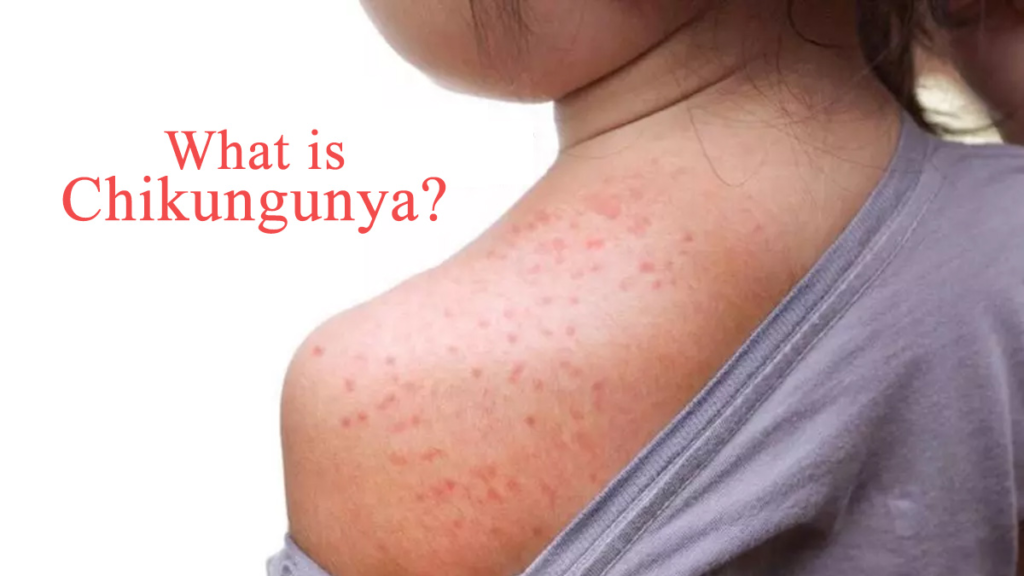
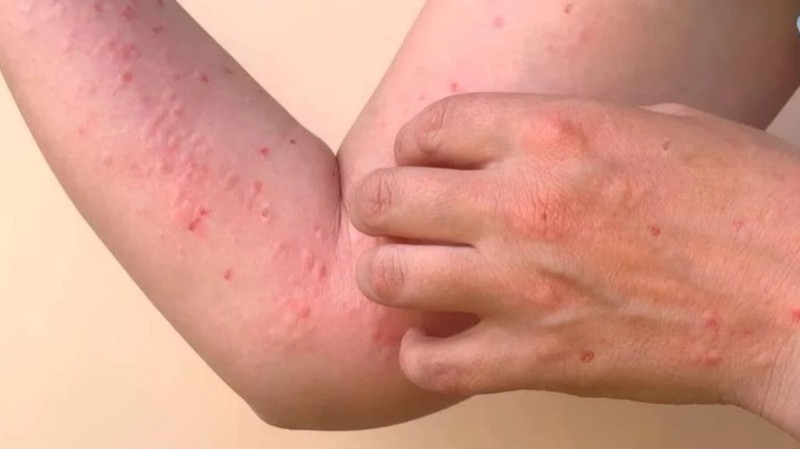
A maculopapular rash appears in 40-50% of patients, typically developing 2-5 days after fever onset. The rash consists of flat or slightly raised red patches spreading from the trunk to the limbs and face. Some patients develop intense itching accompanying the rash. Other common acute symptoms include fatigue, nausea, vomiting, and conjunctivitis (red, irritated eyes).
Subacute and Chronic Phase (Beyond First Week)
While acute symptoms generally resolve within 7-10 days for most patients, a significant proportion experience persistent problems. The subacute phase (lasting 2-3 months) features continued or relapsing joint pain, often with morning stiffness resembling rheumatoid arthritis. Some joints develop persistent swelling and limited range of motion affecting daily activities and quality of life.
Chronic chikungunya, defined as symptoms persisting beyond three months, affects an estimated 30-60% of infected individuals. Chronic arthralgia can continue for months or years after initial infection, with some patients reporting debilitating joint pain years later. The joints most commonly affected in chronic disease are the same initially involved during acute illness. This prolonged suffering causes substantial economic impacts through lost work productivity and ongoing medical care.
Severe fatigue and depression frequently accompany chronic chikungunya, possibly resulting from both persistent inflammation and the psychological toll of enduring chronic pain. Some patients develop other rheumatologic manifestations including tenosynovitis (tendon sheath inflammation) and bursitis. The factors determining why some patients develop chronic disease while others fully recover remain incompletely understood, though age, genetic factors, and underlying health conditions likely play roles.
Atypical and Severe Manifestations
While most chikungunya cases follow the typical pattern described above, atypical manifestations occasionally occur, particularly in vulnerable populations. Neurological complications including encephalitis, meningitis, and Guillain-Barré syndrome have been documented, though they remain rare. These complications primarily affect infants, elderly individuals, and people with underlying medical conditions.
Cardiovascular complications including myocarditis (heart muscle inflammation) can occur in severe cases. Some patients develop ocular manifestations including uveitis and retinitis that can threaten vision. Dermatological complications beyond simple rash include hyperpigmentation, photosensitivity, and vesiculobullous lesions in some patients.
Mother-to-child transmission during delivery has been documented, with newborns developing severe disease characterized by fever, poor feeding, seizures, and bleeding manifestations. Pregnant women should take particular precautions avoiding mosquito exposure in endemic areas. Mortality from chikungunya remains low overall but increases substantially among newborns with perinatal infections and elderly patients with underlying conditions.
Diagnosis: Confirming Chikungunya Infection
Accurate chikungunya diagnosis presents challenges because symptoms overlap significantly with other mosquito-borne diseases, particularly dengue fever and Zika virus. Clinical diagnosis based solely on symptoms proves unreliable, necessitating laboratory confirmation for definitive diagnosis. However, in resource-limited endemic settings, presumptive diagnosis based on clinical presentation and local epidemiology often guides patient management.
Laboratory Testing Methods
Reverse transcription-polymerase chain reaction (RT-PCR) testing detects viral RNA in blood samples, providing the most specific and sensitive diagnostic method during the acute phase. RT-PCR proves most reliable when performed within the first 8 days of illness when viral loads peak. This molecular testing enables rapid confirmation, typically producing results within 24-48 hours in well-equipped laboratories.
Serological testing detects antibodies produced by the immune system in response to chikungunya infection. IgM antibodies appear 5-7 days after symptom onset and persist for weeks to months, providing a longer diagnostic window than molecular testing. IgG antibodies develop subsequently and persist for years, indicating past infection. Serological testing proves particularly useful for patients presenting after the acute viremic phase when RT-PCR sensitivity diminishes.
Virus isolation through cell culture represents the gold standard for chikungunya diagnosis but requires specialized biosafety level 3 facilities and several days for results. This method serves primarily research purposes rather than routine clinical diagnosis. Complete blood count may reveal leukopenia (low white blood cell count) and thrombocytopenia (low platelet count), though these findings lack specificity for chikungunya.
Differential Diagnosis Challenges
Distinguishing chikungunya from dengue fever presents particular difficulty because the diseases share similar symptoms, vectors, and geographic distributions. Both cause high fever, severe headache, joint pain, and rash. However, chikungunya typically produces more severe and persistent arthralgia, while dengue more commonly causes severe bleeding complications and plasma leakage. Some patients develop concurrent infections with both viruses, complicating diagnosis and management.
Zika virus infection also mimics chikungunya, though Zika generally causes milder symptoms. Other conditions requiring consideration in the differential diagnosis include malaria, leptospirosis, rickettsial infections, and acute HIV infection. In returning travelers from endemic areas, chikungunya joins a broad differential that must be systematically evaluated based on exposure history, symptom patterns, and laboratory findings.
Access to diagnostic testing varies dramatically between settings. Advanced laboratories in developed countries offer comprehensive testing panels including molecular and serological assays. Many endemic regions lack reliable diagnostic capabilities, forcing clinicians to diagnose and manage patients based solely on clinical judgment. This diagnostic gap contributes to underreporting and limits epidemiological understanding of true disease burden.
Treatment Approaches: Managing Symptoms and Supporting Recovery
No specific antiviral therapy exists for chikungunya, making treatment purely supportive and symptomatic. This reality frustrates both patients and healthcare providers, as management focuses on minimizing suffering rather than targeting the underlying infection. However, appropriate supportive care significantly impacts patient comfort, functional recovery, and outcomes, particularly for vulnerable populations at risk for severe disease.
Acute Phase Management
Rest forms the foundation of acute chikungunya management. The severe pain and fatigue characterizing acute illness necessitate physical rest, allowing the immune system to combat infection without additional stresses. Patients should avoid strenuous activity during the acute phase, though gentle movement within pain tolerance may prevent joint stiffness.
Pain management poses the primary therapeutic challenge. Acetaminophen (paracetamol) serves as the first-line analgesic, providing fever reduction and mild to moderate pain relief. Patients can safely take regular doses up to 4000mg daily in divided doses. Adequate hydration supports fever management and prevents dehydration from sweating, vomiting, or reduced intake.
Non-steroidal anti-inflammatory drugs (NSAIDs) including ibuprofen and naproxen provide additional pain relief, though these should be avoided until dengue fever has been excluded due to bleeding risk. Once dengue is ruled out through testing or clinical course, NSAIDs often provide better pain control than acetaminophen alone. Some patients require short courses of oral corticosteroids for severe joint inflammation during the acute phase.
Opioid analgesics may be necessary for patients with excruciating pain uncontrolled by other measures, though physicians prescribe these cautiously due to addiction risks and side effects. Topical analgesics and anti-inflammatory preparations may provide localized relief for particularly painful joints. Cold compresses reduce joint inflammation and provide temporary comfort.
Subacute and Chronic Phase Treatment
Managing persistent joint pain requires longer-term strategies extending beyond the acute phase. Regular NSAIDs often prove necessary for controlling chronic inflammation and pain. Methotrexate, a disease-modifying antirheumatic drug, has shown benefit in some patients with persistent inflammatory arthritis unresponsive to NSAIDs. Hydroxychloroquine represents another option for chronic inflammatory manifestations.
Physical therapy plays a crucial role in recovery from chikungunya. Gentle range-of-motion exercises prevent joint contractures and maintain mobility during recovery. As pain decreases, progressive strengthening exercises rebuild muscle strength diminished during the acute illness. Occupational therapy helps patients adapt daily activities to accommodate persistent limitations.
Many patients explore complementary and alternative medicine approaches for chronic symptoms. While rigorous evidence remains limited, some individuals report benefit from acupuncture, massage, and herbal preparations. Patients should discuss any alternative therapies with healthcare providers to ensure safety and avoid interactions with prescribed medications. Psychological support, including counseling and support groups, helps patients cope with chronic pain and associated depression.
Experimental and Investigational Therapies
Several antiviral compounds show promise in laboratory studies against chikungunya virus, though none have completed clinical development. Monoclonal antibodies targeting the virus demonstrated efficacy in animal models and may eventually reach human trials. Various small molecule antivirals are under investigation. Until such therapies complete rigorous testing and regulatory approval, they remain unavailable for routine patient care.
Traditional medicines from regions with long chikungunya experience are being studied for potential therapeutic benefits. Some plant-derived compounds demonstrate antiviral or anti-inflammatory properties in preliminary research. However, efficacy and safety require formal evaluation through controlled clinical trials before recommendations can be made. Patients should approach claims about miracle cures with appropriate skepticism.
Prevention Strategies: Breaking the Transmission Chain
Preventing chikungunya requires comprehensive approaches targeting both mosquito populations and human-mosquito contact. No vaccine is currently available for chikungunya prevention, though several candidates are in various stages of development. Until vaccines become available, prevention relies entirely on environmental management and personal protective measures. These strategies prove most effective when implemented consistently across entire communities rather than by scattered individuals.
Personal Protective Measures
Insect repellent application provides the primary defense against mosquito bites. EPA-registered repellents containing DEET (20-30% concentration), picaridin, IR3535, or oil of lemon eucalyptus offer proven protection. Repellents should be applied to all exposed skin and reapplied according to product instructions—typically every 4-8 hours depending on formulation. When using both sunscreen and repellent, apply sunscreen first followed by repellent.
Protective clothing creates physical barriers preventing mosquito access to skin. Long-sleeved shirts and long pants minimize exposed skin requiring repellent. Light-colored, loose-fitting clothing proves most effective, as mosquitoes can bite through tight fabric and are attracted to dark colors. Treating clothing and gear with permethrin provides additional protection, with treatment remaining effective through multiple washings.
Indoor protection requires mosquito-proofing living spaces. Air conditioning and well-maintained window and door screens exclude mosquitoes from homes. When screens are inadequate or absent, bed nets treated with insecticide provide protection during daytime rest periods. Portable fans create air currents that impede mosquito flight, providing some protection in areas without air conditioning. Spatial repellent devices including vaporizer mats and coils offer additional indoor protection.
Timing outdoor activities to avoid peak mosquito feeding hours reduces exposure, though this proves challenging since Aedes mosquitoes remain active throughout daylight. When outdoor activities cannot be avoided during high-risk periods, combining repellent use, protective clothing, and staying in screened or air-conditioned areas when possible minimizes bite risk.
Environmental Control Measures
Mosquito breeding site elimination proves extraordinarily effective for chikungunya prevention. Aedes mosquitoes breed in small containers of standing water around homes and communities. A single bottle cap filled with water can produce dozens of mosquitoes. Weekly source reduction—emptying, covering, or disposing of water-holding containers—dramatically reduces mosquito populations.
Target containers include flower vases, plant pot saucers, pet water dishes, outdoor toys, discarded tires, buckets, and any items collecting rainwater. Gutters should be maintained to prevent water accumulation. Swimming pools, ornamental ponds, and bird baths require regular water changes or treatment. Rainwater collection systems need tight-fitting covers preventing mosquito access. Eliminating breeding sites within and around homes provides protection not only for your household but for the entire neighborhood.
Community-wide environmental management multiplies individual efforts. Organized cleanup campaigns engaging entire communities achieve broader impacts than scattered individual actions. Proper solid waste management prevents accumulation of discarded containers that become mosquito breeding sites. Public education campaigns raising awareness about breeding site elimination mobilize community participation in control efforts.
Chemical and Biological Control
Targeted insecticide application controls adult mosquitoes during outbreaks. Indoor residual spraying applies long-lasting insecticides to interior walls where mosquitoes rest. Outdoor space spraying using truck-mounted or aerial equipment reduces adult mosquito populations temporarily. These interventions prove most effective when implemented early during outbreaks as part of integrated vector management programs coordinated by public health authorities.
Larvicides applied to water sources that cannot be eliminated kill mosquito larvae before they mature into biting adults. Bacterial larvicides using Bacillus thuringiensis israelensis (Bti) or Bacillus sphaericus provide environmentally safe options for treating standing water. Larvicidal fish introduced into ornamental ponds consume mosquito larvae. Insect growth regulators prevent larval development without broadly toxic effects.
Novel control approaches including genetically modified or Wolbachia-infected mosquitoes show promise for chikungunya prevention. Male mosquitoes genetically modified for sterility reduce population reproduction when released in large numbers. Mosquitoes infected with Wolbachia bacteria exhibit reduced capacity to transmit chikungunya and other arboviruses. Several countries are piloting these innovative approaches, though widespread implementation faces regulatory and public acceptance challenges.
Travel Considerations: Staying Safe in Endemic Areas
International travelers face elevated chikungunya risk when visiting endemic regions. Unlike local residents who may have acquired immunity through previous infections, travelers lack protective antibodies making them fully susceptible to infection. Pre-travel preparation, vigilant prevention during travel, and appropriate post-travel monitoring reduce risks and enable prompt diagnosis if infection occurs.
Pre-Travel Preparation
Travelers should research chikungunya risk at their specific destinations. The Centers for Disease Control and Prevention maintains current travel health notices regarding disease outbreaks, including chikungunya transmission areas. Travelers can consult travel medicine specialists 4-6 weeks before departure for personalized risk assessment and recommendations. While no chikungunya vaccine exists for pre-travel administration, specialists can recommend optimal protective strategies.
Packing appropriate prevention supplies ensures readiness for vector protection. Travelers should bring sufficient EPA-registered insect repellent for the entire trip, as products available in some destinations may prove less effective. Permethrin-treated clothing provides excellent protection worth the preparation effort. Travelers anticipating accommodations without reliable screening or air conditioning should pack bed nets for sleeping protection.
Understanding the intersection between chikungunya and other travel health risks enables comprehensive preparation. The same mosquitoes transmitting chikungunya also spread dengue, Zika, and yellow fever. Travelers to yellow fever endemic areas should receive yellow fever vaccination. Malaria risk may coexist in some regions, requiring different prevention strategies targeting nighttime-biting Anopheles mosquitoes. A comprehensive travel medicine consultation addresses all relevant risks.
During Travel Precautions
Consistent application of personal protective measures throughout travel provides optimal protection. Morning and late afternoon represent peak risk periods requiring particular vigilance. However, Aedes mosquitoes bite throughout daylight hours, necessitating continuous protection during waking hours outdoors. Travelers should reapply repellent regularly, especially after swimming or sweating profusely.
Accommodation selection impacts mosquito exposure risk. Air-conditioned hotels with well-maintained screens offer substantially better protection than budget lodging lacking these amenities. When adequate facilities are unavailable, travelers must rely more heavily on repellents, treated bed nets, and protective clothing. Even brief outdoor exposures—walking between buildings, outdoor dining, sightseeing—create infection opportunities requiring preventive measures.
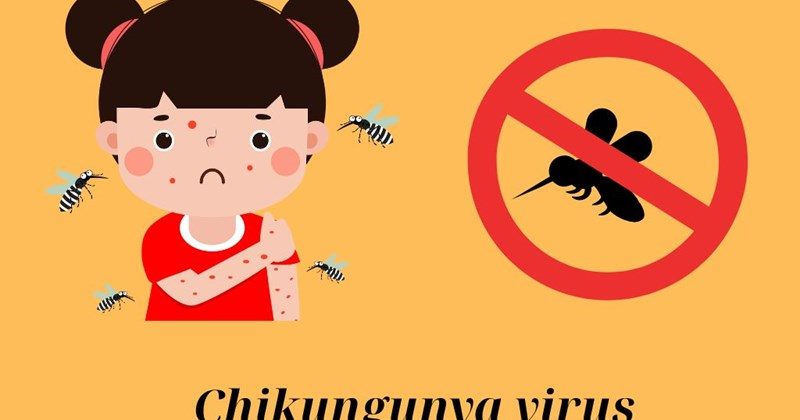
Awareness of local outbreak situations allows travelers to adjust activities or itineraries avoiding high-transmission areas. Local health authorities may issue advisories or implement control measures during outbreaks. Travelers should remain informed through hotel staff, tour operators, and checking CDC travel health notices. If chikungunya outbreaks are occurring at destinations, travelers may consider postponing non-essential travel or selecting alternative destinations.
Post-Travel Monitoring
Travelers should monitor their health for 2 weeks after returning from chikungunya-endemic areas. Fever, severe joint pain, or other symptoms consistent with chikungunya warrant prompt medical evaluation. Travelers must inform healthcare providers about recent travel history, as physicians in non-endemic areas may not routinely consider chikungunya in their differential diagnosis without this critical information.
If symptoms develop, travelers should avoid mosquito exposure during the first week of illness to prevent contributing to local transmission. The theoretical risk of introducing chikungunya into non-endemic areas through infected travelers exists wherever competent mosquito vectors are present. Using repellent and remaining indoors breaks potential transmission chains even when feeling ill.
Travelers returning from chikungunya-endemic areas should not donate blood for 4 weeks after return or after symptom resolution if illness occurred. Though rare, blood transfusion transmission of chikungunya has been documented. This precautionary waiting period prevents accidental transmission through the blood supply.
Special Populations: Unique Considerations and Heightened Risks
Certain populations face elevated risks for severe chikungunya or require modified prevention and management approaches. Healthcare providers must consider these special circumstances when counseling patients and developing treatment plans. Family members and caregivers of high-risk individuals should understand unique vulnerabilities and implement enhanced protective measures.
Pregnant Women and Newborns
Pregnant women do not experience increased susceptibility to chikungunya infection or severe disease compared to the general population. However, vertical transmission from mother to infant during childbirth poses serious risks for newborns. Intrapartum transmission (during delivery) occurs in 49% of women viremic at the time of delivery, with infected newborns developing severe disease characterized by fever, poor feeding, irritability, and potential neurological complications.
Pregnant women in endemic areas should implement rigorous mosquito bite prevention throughout pregnancy, with particular vigilance near delivery. Some repellent ingredients are safe during pregnancy—DEET, picaridin, and IR3535 have been used without documented adverse effects. Pregnant women should consult healthcare providers about optimal repellent selection and use. In outbreak situations, pregnant women may consider avoiding travel to high-transmission areas when possible.
Newborns infected perinatally require close monitoring and supportive care. Severe manifestations including encephalopathy, hemorrhagic complications, and multiorgan failure have been documented in infected infants. Pediatric critical care may be necessary. Breastfeeding appears safe and should be continued even if the mother has chikungunya, as the benefits of breastfeeding outweigh theoretical transmission risks.
Elderly Individuals
People over 65 years face increased risks for severe acute disease and chronic complications from chikungunya. Age-related immune system changes may contribute to more severe inflammation and prolonged symptoms. Elderly patients more commonly develop atypical manifestations including neurological and cardiovascular complications. Pre-existing conditions including arthritis, diabetes, and cardiovascular disease complicate both acute illness and recovery.
Elderly individuals require more aggressive symptom management and closer monitoring during acute illness. Careful medication dosing accounting for age-related changes in drug metabolism prevents adverse effects. Physical therapy and rehabilitation services prove particularly important for elderly patients, who may struggle more with functional recovery. Family support and assistance with daily activities during recovery greatly benefit elderly patients.
Chronic chikungunya symptoms impact elderly individuals more severely, potentially causing loss of independence and reduced quality of life. Depression and social isolation frequently complicate recovery. Healthcare providers should screen for these psychosocial complications and provide appropriate interventions. Enhanced prevention measures protecting elderly individuals from initial infection avoid these serious consequences.
Immunocompromised Patients
Patients with weakened immune systems from HIV/AIDS, cancer treatment, organ transplantation, or immunosuppressive medications may experience altered disease courses. Some immunocompromised individuals develop prolonged viremia, remaining infectious longer than immunocompetent patients. Others may experience unusually severe disease or atypical manifestations. Limited data exists regarding chikungunya in these populations, necessitating individualized clinical management.
Immunocompromised patients should implement enhanced mosquito bite prevention in endemic areas. Healthcare providers must carefully weigh risks and benefits when prescribing immunosuppressive therapies like corticosteroids for symptom management, as these may prolong viral replication. Closer monitoring for complications and longer follow-up periods prove appropriate for these vulnerable patients.
Individuals with pre-existing rheumatologic conditions like rheumatoid arthritis may experience disease flares triggered by chikungunya infection. Distinguishing between chikungunya-related joint pain and underlying arthritis exacerbations can prove challenging. These patients may require rheumatology consultation for optimal management during and after acute infection.
The Future of Chikungunya Control: Emerging Solutions
Despite decades of research, no licensed vaccine or specific antiviral therapy exists for chikungunya. However, encouraging progress across multiple fronts offers hope for improved prevention and treatment options in the coming years. Understanding developing technologies helps contextualize current prevention imperatives while anticipating future tools that may transform chikungunya control.
Vaccine Development
Several chikungunya vaccine candidates are progressing through clinical development. A live-attenuated vaccine candidate showed promising safety and immunogenicity in phase 2 trials, with phase 3 studies planned. Virus-like particle vaccines that cannot replicate but induce immune responses are under investigation. Inactivated whole virus vaccines and recombinant protein vaccines represent additional approaches being pursued.
The ideal chikungunya vaccine would provide long-lasting immunity with a single dose, prove safe for all populations including pregnant women and immunocompromised individuals, and demonstrate affordability for endemic populations. Achieving all these goals simultaneously poses challenges, though vaccines meeting several criteria may become available within the next 5-10 years. Prioritizing vaccine access for endemic populations rather than primarily protecting travelers represents an important equity consideration.
Vaccine development faces regulatory challenges determining appropriate endpoints for efficacy trials. Conducting large efficacy studies requires substantial disease transmission at trial sites, which may not align with outbreak patterns. Alternative approaches including controlled human infection studies and immunologic correlates of protection may accelerate vaccine licensure. Global coordination through organizations like the World Health Organization facilitates vaccine development and deployment planning.
Antiviral Therapeutics
Multiple compounds demonstrate anti-chikungunya activity in laboratory studies, though translating promising in vitro results into safe, effective human therapies requires extensive development. Compounds targeting viral entry, replication, or assembly represent potential intervention points. Repurposing existing approved drugs for chikungunya treatment could accelerate therapeutic availability if effective candidates are identified.
Monoclonal antibody therapy shows particular promise, with several candidates demonstrating protection in animal models. These antibodies could potentially prevent disease when administered shortly after exposure or reduce severity when given during early illness. The high cost of antibody production poses challenges for use in resource-limited endemic settings unless innovative financing mechanisms enable access.
Immune-modulating therapies addressing the inflammatory basis of chronic chikungunya symptoms may improve long-term outcomes even without directly targeting the virus. Better understanding of chronic disease mechanisms will guide therapeutic development. Large-scale natural history studies tracking patients through acute and chronic phases provide crucial data informing treatment development.
Living With Chikungunya: Coping Strategies for Chronic Sufferers
For the substantial minority of patients developing chronic chikungunya, life changes dramatically as persistent pain and disability become daily realities. Learning to manage chronic symptoms, maintain function, and preserve quality of life despite ongoing challenges requires comprehensive approaches addressing physical, psychological, and social dimensions of chronic illness.
Pain Management Strategies
Developing sustainable long-term pain management strategies proves essential for chronic chikungunya patients. Regular NSAIDs provide baseline control for many patients, though prolonged use requires monitoring for gastrointestinal and cardiovascular side effects. Some patients benefit from low-dose tricyclic antidepressants or gabapentinoids, medications that modulate pain perception through effects on the nervous system.
Non-pharmacological pain management complements medication approaches. Physical therapy maintains joint mobility and builds supporting muscle strength. Hydrotherapy using warm water exercises reduces pain while enabling movement. Massage therapy provides temporary relief for some patients. Heat or cold application to painful joints offers comfort. Transcutaneous electrical nerve stimulation (TENS) units may benefit certain individuals.
Mind-body approaches including meditation, guided imagery, and cognitive-behavioral therapy help patients develop skills for living with chronic pain. These techniques do not eliminate pain but change patients’ relationships with discomfort, reducing suffering and improving coping. Pain rehabilitation programs offering comprehensive multidisciplinary care demonstrate better outcomes than medication-only approaches for many chronic pain conditions, with potential applicability to chronic chikungunya.
Maintaining Function and Independence
Chronic joint pain and stiffness threaten functional independence, making previously simple tasks challenging or impossible. Occupational therapy assessment identifies problematic activities and provides adaptive strategies or assistive devices enabling continued participation. Joint protection techniques minimize stress on painful joints during daily activities. Energy conservation strategies help patients accomplish important activities despite fatigue.
Workplace accommodations enable many chronic chikungunya patients to continue employment despite limitations. Flexible schedules, modified duties, ergonomic workstations, and telecommunication options may all prove helpful. Patients should know their rights under disability laws including the Americans with Disabilities Act. Social workers or vocational rehabilitation counselors can assist patients navigating accommodation requests and disability benefits if necessary.
Social connections provide crucial support during chronic illness but may require conscious effort to maintain. Chronic pain and fatigue reduce energy for social engagement, while friends and family may struggle understanding invisible disabilities. Patient support groups—whether in-person or online—connect individuals with shared experiences. Maintaining hobbies and interests adapted to current abilities preserves identity beyond illness.
Psychological Wellbeing
Depression and anxiety commonly accompany chronic pain conditions including long-term chikungunya. Psychological distress stems from multiple sources: the pain itself, loss of function and independence, uncertainty about the future, and social isolation. Screening for mental health symptoms should be routine in chronic chikungunya management, with appropriate treatment when problems are identified.
Counseling or psychotherapy helps patients process the grief, frustration, and lifestyle changes accompanying chronic illness. Cognitive-behavioral therapy specifically addresses thought patterns and behaviors that worsen pain and suffering. Some patients benefit from antidepressant medications, which simultaneously treat depression and provide analgesic effects through mechanisms separate from mood improvement.
Finding meaning and maintaining hope despite ongoing challenges profoundly impacts psychological wellbeing. Some patients report personal growth, deeper relationships, or shifted priorities emerging from their illness experience. Spiritual practices provide comfort and perspective for many individuals. Mental health represents an integral component of comprehensive chronic disease management deserving equal attention alongside physical symptoms.
Frequently Asked Questions About Chikungunya

- Can you get chikungunya more than once?
Chikungunya infection typically provides lifelong immunity, making repeat infections extremely rare. Once you have recovered from chikungunya caused by one strain, your immune system produces antibodies that provide strong protection against future infections with the same or closely related strains. While multiple chikungunya strains exist, cross-protective immunity appears robust across viral lineages. The very rare documented cases of suspected reinfection may represent initial infection with one strain followed years later by infection with a divergent strain, though this remains controversial. For practical purposes, previous chikungunya infection should be considered protective against future disease.
2. How do you differentiate chikungunya from dengue fever?
Distinguishing chikungunya from dengue based on symptoms alone proves challenging since both cause fever, headache, joint pain, and rash. However, several features suggest one disease over the other. Chikungunya typically causes more severe and persistent joint pain, often debilitating, while dengue more commonly features severe bone pain (giving dengue the historical name “breakbone fever”). Dengue more frequently causes severe bleeding complications, low platelet counts, and plasma leakage, which are uncommon in chikungunya. However, symptom overlap makes definitive differentiation impossible without laboratory testing. Concurrent infections with both viruses can occur, further complicating clinical diagnosis.
3, Is there a vaccine available for chikungunya?
Currently, no vaccine is licensed and commercially available for chikungunya prevention. However, several vaccine candidates are progressing through clinical trials, with some showing promising results in phase 2 studies. The most advanced candidates include live-attenuated vaccines that use weakened virus strains and virus-like particle vaccines that stimulate immunity without containing infectious virus. Researchers expect that one or more chikungunya vaccines may receive regulatory approval within the next several years. Until vaccines become available, prevention relies entirely on avoiding mosquito bites through repellents, protective clothing, and environmental control measures.
4. What is the difference between chikungunya and Zika virus?
Both chikungunya and Zika virus infections are transmitted by Aedes mosquitoes, but they differ in clinical impact and long-term consequences. Chikungunya is notorious for causing severe, often chronic, joint pain that can last for months or years, whereas Zika generally causes a milder illness with rash, fever, and conjunctivitis. The greatest concern with Zika virus is its link to birth defects, particularly microcephaly, when infection occurs during pregnancy. Unlike chikungunya, Zika infections are also associated with higher risks of neurological complications such as Guillain-Barré syndrome.
5. Can chikungunya be fatal?
Chikungunya is rarely fatal, with mortality rates under 0.5%. Most deaths occur among newborns, the elderly, or people with serious pre-existing conditions like diabetes, hypertension, or heart disease. While death is uncommon, the long-term disability from chronic joint pain and fatigue makes chikungunya a serious public health challenge despite its low fatality rate.
6. How long does it take to recover from chikungunya?
Recovery timelines vary significantly. Most people improve within 7–10 days, but many experience ongoing joint pain and fatigue that can last for weeks, months, or even years. About 30–60% of patients report chronic joint issues beyond three months. Early rest, proper hydration, and medical support improve recovery outcomes, but full healing depends on individual health status, age, and immune response.
7. Can chikungunya spread directly from person to person?
No, chikungunya cannot be spread directly between people. Transmission occurs exclusively through the bite of an infected mosquito. The only exception is mother-to-child transmission during childbirth. For this reason, reducing mosquito exposure—especially during the first week of illness when viral load is high—is essential to prevent onward spread.
Final Thoughts
Chikungunya may not often kill, but it can cripple lives with long-lasting pain and disability. With no vaccine or cure available yet, prevention through mosquito control and personal protection is the most effective defense.
By staying informed, eliminating mosquito breeding sites, and adopting safe practices, you can protect yourself, your family, and your community from the painful grip of chikungunya.