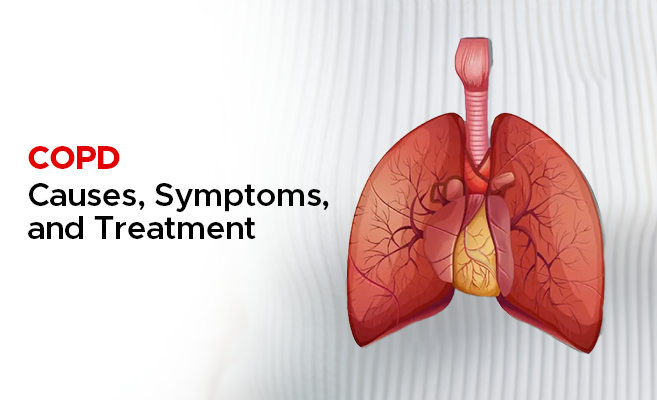

Explore the causes, symptoms, and proven strategies to manage chronic respiratory diseases like asthma and COPD. Learn actionable, expert-backed tips to improve breathing health and daily life with this full guide.
Introduction: Why Chronic Respiratory Diseases Matter
Chronic respiratory diseases (CRDs) like asthma and chronic obstructive pulmonary disease (COPD) affect millions of people worldwide and are among the leading causes of long-term disability and reduced quality of life. World Health Organization These lifelong conditions compromise breathing — the most basic human function — and require ongoing care to prevent debilitating flare-ups and complications.
In this comprehensive guide, we break down the differences between asthma and COPD, explore key symptoms and triggers, and provide evidence-based approaches to managing these conditions for better daily health and long-term wellbeing.
Asthma: A Chronic Inflammatory Condition
Asthma is a long-term respiratory disease characterized by inflammation and narrowing of the airways, which leads to recurring episodes of coughing, wheezing, chest tightness, and shortness of breath.
How Asthma Works
During an asthma episode, bronchial tubes become swollen and sensitive, narrowing the airway and making it hard for air to pass through. For many, symptoms can vary in frequency and intensity — sometimes triggered by allergens, pollution, exercise, or even cold air.
Common Triggers
- Tobacco smoke and second-hand smoke
- Air pollution and particulate matter
- Allergens like dust mites, pollen, pet dander
- Respiratory infections
- Exercise or cold temperatures
Managing or avoiding these triggers is a crucial part of asthma control.
COPD: The Progressive Lung Disease
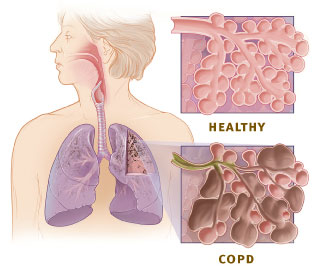
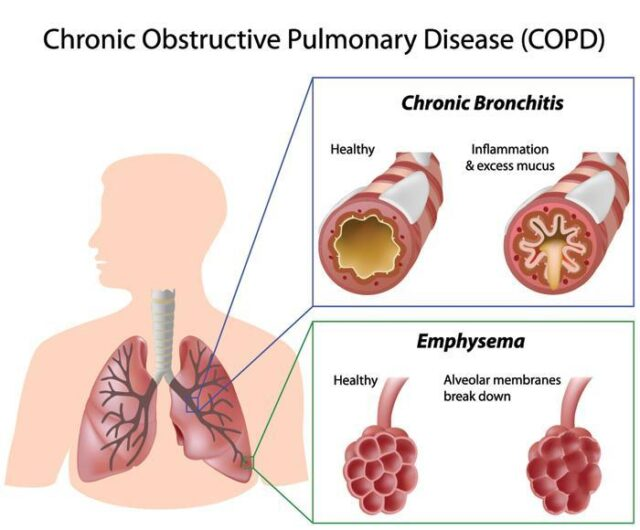
Chronic obstructive pulmonary disease (COPD) includes conditions such as chronic bronchitis and emphysema, marked by irreversible airflow limitation. Smoking is the #1 risk factor, but pollution and long-term lung irritants also play major roles.
Key Symptoms of COPD
- Persistent cough with mucus
- Breathlessness, especially during activity
- Frequent respiratory infections
- Reduced ability to conduct normal physical activities
COPD often develops gradually in people over age 40, especially those with a history of smoking, prolonged air pollution exposure, or repetitive lung infections.
Asthma vs. COPD: Key Differences
| Feature | Asthma | COPD |
|---|---|---|
| Cause | Inflammation & hyperresponsiveness | Long-term exposure to irritants |
| Airflow | Mostly reversible with treatment | Mostly irreversible |
| Primary Age | Often starts in childhood | Usually develops in adulthood |
| Progression | Variable | Gradual and progressive |
These distinctions help clinicians tailor treatment plans and long-term care strategies for each condition.
Effective Management Strategies
1. Lifestyle & Environmental Adjustments
Reducing exposure to smoke and indoor/outdoor pollutants is essential for both asthma and COPD management. Effective strategies include quitting smoking, avoiding second-hand smoke, and improving indoor air quality through ventilation and air purifiers.
2. Medications and Breathing Support
For asthma, inhaled corticosteroids and bronchodilators help keep airways open and reduce inflammation. For COPD, long-acting bronchodilators and combined inhaler therapies help prevent exacerbations and ease breathing.
In some cases of moderate-to-severe COPD with inflammation markers, biologic agents are being introduced for symptom control.
3. Smoking Cessation Programs
Given that smoking is a dominant risk factor — especially for COPD — joining cessation support groups or programs dramatically slows disease progression and improves life expectancy.
4. Regular Vaccinations & Health Checkups
Vaccinations for influenza, pneumococcal disease, and other respiratory infections reduce the risk of severe exacerbations — especially in COPD patients. Regular spirometry tests and lung function monitoring help track disease progression and timely adjustments to treatment plans.
FAQs: Quick Answers for Chronic Respiratory Conditions
Q1: Can asthma be cured?
No — asthma is a chronic condition. However, proper medication, trigger avoidance, and an asthma action plan can control symptoms and help you live actively.
Q2: How is COPD diagnosed?
COPD is diagnosed through lung function tests like spirometry, which measure airflow limitations and capacity.
Q3: Are asthma and COPD related?
Yes — people with long-term asthma have an increased risk of developing COPD later in life due to ongoing airway inflammation.
Q4: What lifestyle changes help most?
Quitting smoking, using medications as prescribed, managing weight and nutrition, and avoiding air pollutants significantly improve quality of life.
Q5: Can children with asthma grow out of it?
Some children experience reduced symptoms over time, but asthma often persists into adulthood. Consistent care and trigger management are key.
Conclusion: Stay Proactive for Better Breathing Health
Asthma and COPD are serious chronic respiratory diseases that require ongoing care, lifestyle adjustments, and medical management. While neither condition can be cured outright, effective strategies — from trigger avoidance to medication adherence — empower individuals to breathe easier and live fuller, healthier lives.