
Uncover alarming pesticide health risks linked to cancer, allergies, and neurological disorders. Learn exposure sources, protection strategies, and essential actions to safeguard your family’s health.
Introduction
Pesticide health risks represent one of the most underestimated threats to public wellness, silently affecting millions through food consumption, environmental exposure, and occupational contact. These chemical compounds designed to eliminate pests also attack human health, creating links to allergies, various cancers, neurological disorders, and developmental problems. This comprehensive investigation exposes the dangerous connections between pesticide exposure and serious health conditions while providing essential strategies to minimize your family’s risk.
Understanding Pesticide Health Risks: What You’re Really Being Exposed To
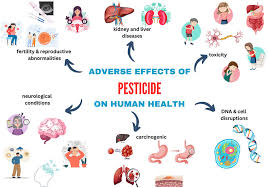
Pesticides encompass a broad category of chemical substances designed to kill, repel, or control pests including insects, weeds, fungi, and rodents. Common types include insecticides (targeting insects), herbicides (targeting weeds), fungicides (targeting fungi), and rodenticides (targeting rodents). While manufacturers claim these chemicals pose minimal risk when used properly, mounting scientific evidence reveals alarming pesticide health risks even at levels previously considered safe.
Modern agriculture relies heavily on pesticide application, with over 5 billion pounds used annually in the United States alone. These chemicals don’t remain confined to fields—they contaminate water supplies, drift into residential areas, persist in soil for years, and accumulate in food chains, ultimately reaching human bodies through multiple pathways.
According to the Centers for Disease Control and Prevention, biomonitoring studies detect pesticide residues in nearly every American tested, demonstrating widespread exposure regardless of lifestyle or location. This ubiquitous contamination creates chronic low-level exposure patterns with insidious long-term health consequences.
The mechanisms through which pesticides harm human health vary by chemical class but commonly involve endocrine disruption, neurotoxicity, oxidative stress, DNA damage, and immune system interference. Understanding these pathways helps explain the diverse health problems associated with pesticide exposure.
Pesticide-Induced Allergies: The Rising Epidemic
The connection between pesticide health risks and allergic conditions has strengthened as allergy rates continue climbing globally. Pesticide exposure contributes to both the development of new allergies and the exacerbation of existing allergic conditions through several mechanisms.
Immune System Disruption and Sensitization
Pesticides alter immune system function, increasing susceptibility to allergic reactions. Many pesticides act as immunotoxins, disrupting the balance between different immune cell types and promoting inflammatory responses characteristic of allergies. This dysregulation primes the immune system to overreact to normally harmless substances like pollen, foods, and environmental proteins.
Children exposed to pesticides during critical developmental windows show higher rates of asthma, eczema, food allergies, and allergic rhinitis. Studies demonstrate that prenatal pesticide exposure increases childhood allergy risk by 30-60%, with effects persisting into adolescence and adulthood.
Direct Allergic Reactions to Pesticide Chemicals
Some individuals develop direct allergic reactions to pesticide compounds themselves, experiencing respiratory symptoms, skin reactions, or systemic responses upon exposure. Agricultural workers, landscapers, and people living near treated fields face elevated risks of pesticide-specific allergies manifesting as contact dermatitis, respiratory distress, or anaphylactic reactions in severe cases.
Organophosphate and pyrethroid pesticides commonly trigger allergic responses, causing symptoms ranging from mild skin irritation to severe breathing difficulties. These reactions often go undiagnosed as pesticide-related, attributed instead to environmental allergies or idiopathic conditions.
The Hygiene Hypothesis and Chemical Exposure
Pesticides may contribute to rising allergy rates through mechanisms related to the hygiene hypothesis—the theory that reduced microbial exposure increases allergy risk. Pesticides kill beneficial soil and gut bacteria, disrupting microbiome development crucial for proper immune regulation. This microbial disruption, combined with direct immune effects, creates a perfect storm for allergy development.
The Cancer Connection: Pesticide Health Risks and Malignancy
Perhaps the most alarming pesticide health risks involve cancer development. Decades of research have established links between pesticide exposure and multiple cancer types, though industry continues challenging these findings. The evidence, however, grows increasingly undeniable as studies accumulate and affected individuals share their stories.
Non-Hodgkin Lymphoma and Glyphosate
Glyphosate, the world’s most widely used herbicide (brand name Roundup), faces mounting scrutiny for causing non-Hodgkin lymphoma (NHL). The International Agency for Research on Cancer classified glyphosate as “probably carcinogenic to humans” based on evidence from animal studies and limited human data.
Subsequent research strengthened this connection. Agricultural workers with heavy glyphosate exposure show NHL rates 41% higher than unexposed populations. Thousands of lawsuits from cancer patients who used Roundup have resulted in billions in settlements, with juries repeatedly finding the pesticide caused plaintiffs’ cancers.
The mechanism involves DNA damage, oxidative stress, and disruption of cellular repair processes. Glyphosate exposure interferes with metabolic pathways, creating conditions favorable for cancerous transformation of lymphatic cells.
Childhood Leukemia and Pesticide Exposure
Children exposed to pesticides face elevated leukemia risks, particularly acute lymphoblastic leukemia (ALL)—the most common childhood cancer. Research shows that residential pesticide use during pregnancy or early childhood increases leukemia risk by 47-60%. Even seemingly minor exposures like household bug sprays and lawn treatments contribute to this risk.
The developing immune systems and rapid cell division characteristic of childhood create heightened vulnerability to pesticide-induced DNA damage. Children lack fully developed detoxification mechanisms, allowing pesticides to persist longer in their systems and cause more extensive harm.
Prostate, Breast, and Other Hormone-Related Cancers
Many pesticides function as endocrine disruptors, mimicking or blocking hormones that regulate cellular growth and development. This endocrine disruption drives hormone-related cancers including prostate, breast, ovarian, and testicular cancers.
Farmers and agricultural workers show elevated rates of prostate cancer linked to organophosphate and organochlorine pesticide exposure. Women with higher pesticide exposure through occupation or residential proximity to agricultural areas demonstrate increased breast cancer risks. The mechanisms involve estrogen pathway disruption, increased cellular proliferation, and impaired tumor suppressor function.
For comprehensive information on cancer prevention strategies, visit Chiid Health’s disease prevention guide.
Neurological Disorders: How Pesticides Attack the Brain
Pesticide health risks extend dramatically into neurological territory, affecting brain development, function, and long-term neurological health across the lifespan.
Parkinson’s Disease and Pesticide Exposure
The link between pesticide exposure and Parkinson’s disease represents one of the most robust connections in environmental neurology. Studies consistently demonstrate that people with occupational or residential pesticide exposure face 60-80% increased Parkinson’s risk compared to unexposed populations.
Organophosphates, organochlorines, and paraquat—a herbicide banned in many countries but still used in the United States—show particularly strong associations with Parkinson’s development. These chemicals damage dopamine-producing neurons in the substantia nigra, the brain region affected by Parkinson’s disease.
Veterans exposed to Agent Orange (containing the herbicide 2,4-D) during the Vietnam War show dramatically elevated Parkinson’s rates, providing tragic real-world evidence of pesticide neurotoxicity. The disease often develops decades after exposure, making causal connections difficult to establish but no less real.
Cognitive Decline and Dementia
Chronic pesticide exposure accelerates cognitive decline and increases dementia risk. Agricultural workers exposed to pesticides throughout careers show poorer performance on cognitive tests and higher dementia rates than non-exposed populations. The effects appear dose-dependent—greater cumulative exposure correlates with more severe cognitive impairment.
Pesticides interfere with neurotransmitter function, cause oxidative damage to brain tissue, disrupt mitochondrial energy production in neurons, and promote neuroinflammation—all processes implicated in dementia development. These mechanisms create cumulative brain damage that manifests as memory loss, executive dysfunction, and eventual dementia.
Developmental Neurotoxicity in Children

Perhaps the most concerning pesticide health risks involve impacts on developing brains. Prenatal and early childhood pesticide exposure causes measurable reductions in IQ, increased ADHD rates, impaired executive function, and autism spectrum disorder risks.
Studies tracking children from birth reveal that higher maternal pesticide exposure during pregnancy predicts lower IQ scores at age 7, with effects persisting into adolescence. Each tenfold increase in prenatal pesticide metabolite levels associates with 1.4-point IQ reductions and 2.6 times higher odds of pervasive developmental disorder diagnosis.
The developing brain’s vulnerability stems from rapid growth, incomplete blood-brain barrier, and immature detoxification systems. Pesticide exposure during critical neurodevelopmental windows can cause permanent alterations in brain structure and function, affecting children throughout their lives.
Acute Neurotoxicity and Organophosphate Poisoning
Beyond chronic effects, acute pesticide poisoning causes immediate neurological emergencies. Organophosphate insecticides inhibit acetylcholinesterase, causing excessive acetylcholine accumulation that overstimulates the nervous system. This produces symptoms ranging from headaches and dizziness to seizures, respiratory failure, and death in severe cases.
Agricultural workers, particularly in developing countries with less stringent safety regulations, experience frequent acute poisoning episodes. Even non-fatal poisoning events can cause lasting neurological damage, creating cognitive deficits and psychiatric symptoms that persist years after exposure.
Sources of Pesticide Exposure: How You’re Contaminated
Understanding exposure pathways enables targeted risk reduction. Pesticide health risks stem from multiple sources affecting diverse populations.
Food Contamination
Dietary intake represents the primary pesticide exposure route for most people. Conventionally grown produce contains pesticide residues, with certain fruits and vegetables showing consistently high contamination. The Environmental Working Group’s annual “Dirty Dozen” list identifies produce with highest pesticide loads: strawberries, spinach, kale, grapes, peaches, nectarines, apples, peppers, cherries, tomatoes, celery, and potatoes typically contain multiple pesticide residues.
Even after washing, many pesticides persist because they’re absorbed into plant tissues during growth. Some pesticides used as systemic treatments move throughout the entire plant, making them impossible to remove through washing or peeling.
Animal products also concentrate pesticides through bioaccumulation. Pesticides stored in animal fat tissues accumulate up food chains, with dairy products, meat, and fatty fish containing higher levels than plant foods.
Residential and Occupational Exposure
Home and garden pesticide use creates direct exposure through application and contact with treated surfaces. Products marketed for household use—ant sprays, roach killers, weed treatments, mosquito repellents—contain neurotoxic chemicals that contaminate indoor air and surfaces.
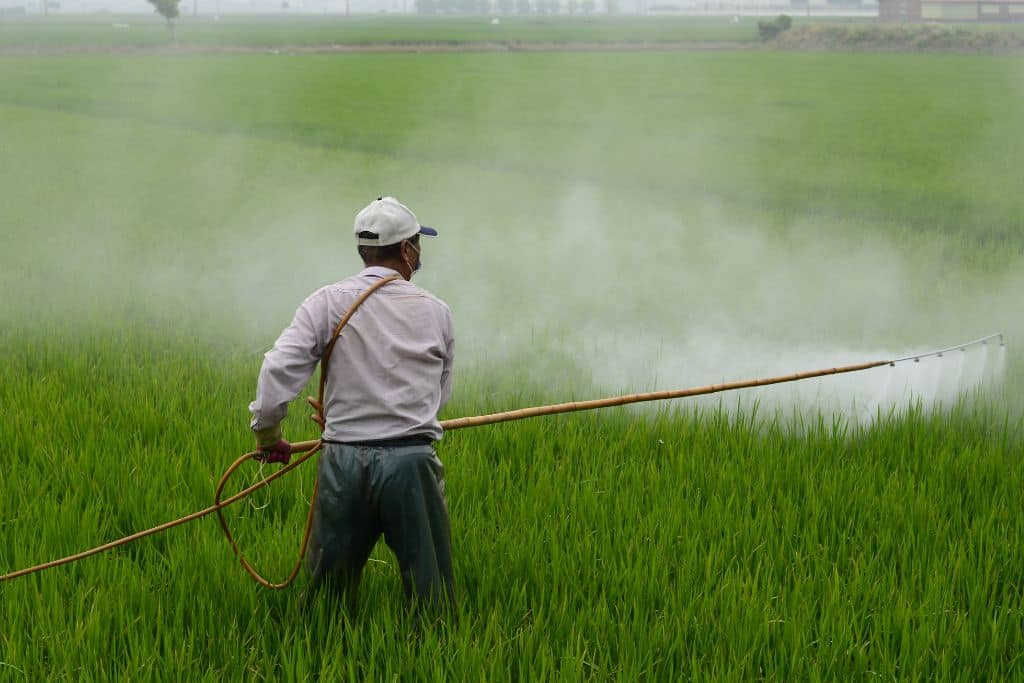
Agricultural workers, landscapers, pest control operators, and their families face occupational pesticide health risks through direct contact during application and indirect exposure via contaminated clothing and equipment brought home. Children of agricultural workers show elevated pesticide metabolite levels even when they don’t work in fields themselves.
Environmental Contamination
Pesticides contaminate drinking water through agricultural runoff and leaching into groundwater. Rural communities relying on well water face particular risks, with wells frequently containing detectable pesticide levels. Urban water supplies, while typically treated, may still contain pesticide residues below regulatory limits but potentially harmful with chronic exposure.
Air quality near agricultural areas deteriorates during application seasons as pesticides drift from target fields. People living within a mile of treated fields experience measurable pesticide exposure through inhalation and dermal contact with contaminated dust.
For strategies on managing environmental health factors, explore resources at Chiid Health’s healthy living section.
Are Organic Foods Really Safer From Pesticide Health Risks?
Yes, organic foods contain significantly fewer pesticide residues than conventionally grown produce and virtually eliminate exposure to synthetic pesticides. Research consistently demonstrates that people consuming organic diets show pesticide metabolite levels 70-90% lower than those eating conventional foods. Organic farming prohibits synthetic pesticide use, relying instead on natural pest management strategies including crop rotation, beneficial insects, and organic-approved substances. While organic produce occasionally contains pesticide residues from environmental contamination or organic-approved treatments, levels remain dramatically lower than conventional agriculture. Studies show that switching to an organic diet reduces measurable pesticide exposure within days. For families concerned about pesticide health risks, prioritizing organic versions of high-pesticide produce (the Dirty Dozen) provides substantial protection while managing costs. Organic certification offers the best assurance of minimized pesticide exposure through diet.
Can Washing Fruits and Vegetables Remove All Pesticides?
No, washing removes only surface pesticides and cannot eliminate pesticides absorbed into plant tissues during growth. Systemic pesticides—applied to soil or injected into plants—move throughout the entire plant structure, making them impossible to wash away. Research shows that washing with water removes approximately 20-50% of surface residues, with specialized produce washes or vinegar solutions slightly improving effectiveness. However, many modern pesticides penetrate outer layers, remaining in flesh even after thorough washing and peeling. While washing still reduces pesticide health risks and removes dirt, bacteria, and surface contaminants, it provides incomplete protection. The most effective strategy combines thorough washing with strategic organic purchasing for high-contamination produce. Peeling removes some pesticides concentrated in skins but also eliminates beneficial nutrients, creating tradeoffs. For maximum pesticide reduction, choose organic versions of produce known to contain high residues rather than relying on washing alone.
Are Pesticide Health Risks Greater for Children Than Adults?
Yes, children face dramatically elevated pesticide health risks compared to adults due to biological vulnerabilities and behavioral factors. Pound for pound, children breathe more air, drink more water, and eat more food than adults, increasing dose-relative-to-body-weight exposure. Their developing organ systems—particularly brains and immune systems—show heightened sensitivity to chemical disruption during critical growth windows. Children’s detoxification systems are immature, processing and eliminating pesticides less efficiently than adults, allowing chemicals to persist longer and cause more damage. Behaviorally, children play on treated lawns, put objects in mouths, and engage in hand-to-mouth behaviors increasing dermal and ingestion exposure. Research demonstrates that identical pesticide exposures produce more severe health consequences in children than adults. Prenatal exposure creates greatest vulnerability, with impacts on brain development, immune function, and cancer risk lasting lifetimes. Parents should prioritize pesticide reduction strategies protecting children: organic foods, chemical-free homes, and avoiding residential pesticide applications.
What Should I Do If I Suspect Pesticide Exposure Is Affecting My Health?
If you suspect pesticide-related health problems, consult a healthcare provider experienced in environmental medicine or toxicology. Document your symptoms, exposure history, and timing relationships between exposure and symptom onset. Request biomonitoring tests measuring pesticide metabolites in urine or blood to confirm exposure, though negative tests don’t rule out past exposure or health effects. Keep records of all pesticide products used in your home, workplace, or surrounding areas, including active ingredients. Eliminate ongoing exposures immediately by stopping personal pesticide use, switching to organic foods, and installing water filters. Report suspected pesticide illness to state pesticide regulatory agencies and poison control centers. For occupational exposures, file workers’ compensation claims and request workplace exposure assessments. Consider consulting attorneys specializing in toxic exposure cases if significant health harm occurred. Join support networks connecting pesticide-affected individuals. Document everything—symptoms, exposures, medical visits—as this information proves crucial for diagnosis, treatment, and potential legal actions.
Essential Protection Strategies Against Pesticide Health Risks
While complete pesticide avoidance remains impossible in modern society, strategic actions substantially reduce exposure and associated health risks.
Choose Organic When Possible
Prioritize organic versions of produce known to contain high pesticide residues. If budget constraints prevent all-organic purchasing, focus on organic options for the Dirty Dozen while accepting conventional versions of the Clean Fifteen—produce with lowest pesticide contamination including avocados, sweet corn, pineapple, onions, and papaya.
Eliminate Residential Pesticide Use
Stop using chemical pesticides in homes, gardens, and lawns. Integrated pest management using non-chemical approaches—physical barriers, beneficial insects, habitat modification, and targeted non-toxic treatments—effectively controls pests without pesticide health risks. Many pest problems resolve through improved sanitation and structural repairs eliminating pest access.
Filter Drinking Water
Install quality water filters certified to remove pesticides and agricultural chemicals. Reverse osmosis systems provide comprehensive contaminant removal, though activated carbon filters also reduce many pesticides. Regular filter replacement maintains effectiveness.
Support Organic and Sustainable Agriculture
Consumer demand drives agricultural practices. Purchasing organic products, supporting local farmers using sustainable methods, and advocating for pesticide reduction policies gradually shifts food systems toward safer production methods benefiting everyone.
Protect Vulnerable Populations
Pregnant women, infants, and children require extra protection from pesticide health risks. Use organic baby foods, avoid pesticide exposure during pregnancy, and create chemical-free zones in homes where children play and sleep. For comprehensive family health guidance, visit Chiid Health’s preventive care resources.
Advocate for Policy Changes
Support legislation strengthening pesticide regulations, protecting agricultural workers, establishing pesticide-free buffer zones around schools and homes, and accelerating transitions to organic farming. Collective advocacy creates systemic changes that individual actions alone cannot achieve.
The Path Forward: Reducing Pesticide Health Risks for Future Generations
Pesticide health risks represent a largely preventable public health crisis requiring awareness, action, and advocacy. The links between pesticide exposure and allergies, cancers, neurological disorders, and developmental problems are clear and concerning. While agriculture faces legitimate pest control challenges, solutions exist that don’t sacrifice human health for productivity.
Your choices matter—every organic purchase, every avoided pesticide application, every conversation raising awareness contributes to cultural shifts toward safer practices. The stakes are particularly high for children whose developing bodies face disproportionate harm and who inherit the environmental legacy we create.
Start today with simple steps: choose organic produce, eliminate home pesticides, filter water, and share information with others. These actions protect your family while contributing to broader change. Pesticide health risks are real, but so is your power to reduce them.
Your health and your family’s future depend on the choices you make today. Choose wisely, act decisively, and advocate persistently for a less toxic world.