
Discover the powerful mouth-body connection. Learn how gum disease & tooth decay increase your risk of heart disease, diabetes, dementia & more. Protect your health.
Introduction: Your Mouth Is More Than a Smile

We often think of a healthy mouth as simply having a bright smile and fresh breath. However, your oral health is far more significant—it’s a critical gateway to your entire body’s well-being. A growing body of compelling and sometimes alarming evidence reveals that the state of your teeth and gums has profound implications for your cardiovascular system, metabolic health, brain function, and more. Conditions like gum disease (periodontitis) and untreated cavities are not isolated problems; they are chronic infections that can fuel systemic inflammation and allow harmful bacteria to enter your bloodstream, potentially affecting organs far from your mouth. This article delves deep into the powerful mouth-body connection, explaining the science behind how oral health impacts general health and providing actionable steps to protect both.
The Oral-Systemic Link: Why Your Mouth Matters to Your Whole Body
The concept that oral health is connected to overall health is supported by decades of research and is endorsed by major health authorities like the U.S. Surgeon General and the American Dental Association (ADA). Your mouth is home to a complex ecosystem of bacteria, known as the oral microbiome. When balanced, these bacteria coexist harmlessly. However, poor oral hygiene allows harmful bacteria to thrive, leading to plaque buildup, gum inflammation (gingivitis), and eventually periodontitis—a severe infection that damages the soft tissue and bone supporting your teeth.
This oral infection creates a direct pathway for trouble in two key ways:
- Systemic Inflammation: Chronic gum disease is a source of persistent, low-grade inflammation. The body releases inflammatory markers (like C-reactive protein) into the bloodstream, which can contribute to inflammation in other parts of the body. This systemic inflammation is a known driver of many chronic diseases.
- Bacterial Translocation: The inflamed, bleeding gum tissue provides an easy entry point for oral bacteria to enter the circulatory system. Once in the blood, these bacteria can travel to distant organs, potentially causing new infections or exacerbating existing problems.
Understanding these mechanisms helps explain the specific links between oral health and major systemic conditions.
How Poor Oral Health Impacts Major Body Systems
1. Cardiovascular Disease: The Heart of the Matter
The link between gum disease and heart health is one of the most studied connections.
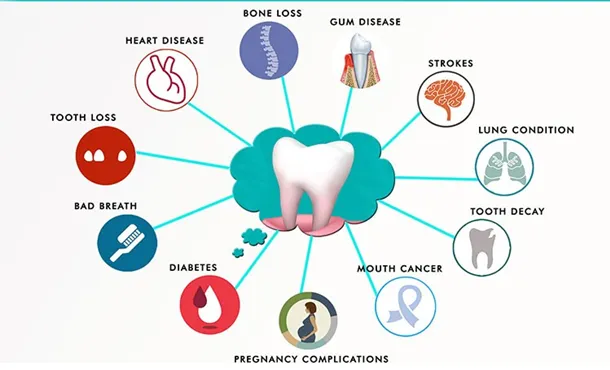
- Evidence: People with periodontal disease have a significantly higher risk of developing heart disease and suffering from strokes. Researchers believe that oral bacteria in the bloodstream can contribute to the formation of arterial plaques (atherosclerosis) and cause inflammation in blood vessels.
- Key Mechanism: The inflammation from periodontitis may increase the overall inflammatory burden on the cardiovascular system, while bacteria like Porphyromonas gingivalis have been found in arterial plaques.
2. Diabetes: A Dangerous Two-Way Street
The relationship between diabetes and gum disease is strongly bidirectional, meaning each condition makes the other worse.
- Diabetes → Gum Disease: High blood sugar impairs the body’s ability to fight infection, making individuals with diabetes more susceptible to severe and rapid-onset periodontal disease.
- Gum Disease → Diabetes: The chronic inflammation from periodontitis can increase insulin resistance, making blood sugar levels more difficult to control. Treating gum disease has been shown to help improve glycemic control in people with diabetes.
3. Pregnancy and Reproductive Health
Oral health is crucial for expectant mothers and their babies. Hormonal changes during pregnancy can increase the risk of “pregnancy gingivitis.”
- Risks: More seriously, severe gum disease has been associated with an increased risk of adverse outcomes, including preterm birth, low birth weight, and preeclampsia. It’s believed that oral bacteria and inflammatory chemicals can reach the uterine environment.
- Action: Professional dental care is safe and highly recommended during pregnancy to protect both maternal and fetal health.
4. Respiratory Health
The mouth is the entry point to the respiratory tract. Bacteria from infected teeth and gums can be aspirated (inhaled) into the lungs.
- Impact: This can lead to respiratory infections, pneumonia, and may exacerbate conditions like chronic obstructive pulmonary disease (COPD), particularly in vulnerable populations such as the elderly.
5. Cognitive Decline and Dementia
Emerging research points to a concerning link between oral health and brain health.
- Findings: Chronic periodontal disease has been associated with an increased risk of cognitive decline and Alzheimer’s disease. Specific oral pathogens have been found in the brains of Alzheimer’s patients.
- Proposed Mechanism: The systemic inflammation from gum disease may promote neuroinflammation, while bacteria may travel to the brain via the bloodstream or cranial nerves.
6. Rheumatoid Arthritis (RA) and Other Inflammatory Conditions
Both periodontitis and RA are chronic inflammatory diseases. The bacteria Porphyromonas gingivalis can produce an enzyme that may worsen autoimmune inflammation, suggesting a shared pathway between oral infection and joint disease. Other conditions like lupus and Sjögren’s syndrome also commonly present with oral symptoms like ulcers and severe dry mouth, which further increases the risk of tooth decay and gum disease.
Table 1: Summary of Key Oral-Systemic Health Connections
| Systemic Condition | Nature of the Link to Oral Health | Key Proposed Mechanisms |
|---|---|---|
| Cardiovascular Disease | Strong association with increased risk of heart attack and stroke. | Systemic inflammation; bacterial spread contributing to atherosclerosis. |
| Diabetes | Powerful bidirectional relationship; each worsens the other. | Inflammation increases insulin resistance; high blood sugar worsens infection. |
| Adverse Pregnancy Outcomes | Association with preterm birth and low birth weight. | Oral bacteria/inflammatory markers reaching the placenta. |
| Respiratory Infections | Increased risk of pneumonia, especially in hospitalized patients. | Aspiration of oral pathogens into the lungs. |
| Alzheimer’s Disease | Emerging association with increased risk and progression. | Oral bacteria/brain inflammation (neuroinflammation). |
| Rheumatoid Arthritis | Strong association; shared inflammatory pathology. | Oral bacteria may trigger or worsen autoimmune inflammation. |
Beyond Disease: The Broader Impact of Oral Health
The consequences of poor oral health extend beyond physical disease:
- Mental Health: There is a powerful bidirectional link between oral and mental health. Dental disease can cause pain, embarrassment, and social anxiety, deepening mental health challenges. Conversely, conditions like depression and anxiety can make it harder to maintain daily oral hygiene and seek dental care. This creates a difficult cycle to break. For a deeper look at this specific relationship, explore our article on mental health and dentistry.
- Nutrition and Quality of Life: Tooth loss and oral pain can make chewing difficult, leading individuals to choose softer, often less nutritious foods. This can contribute to nutritional deficiencies and a diminished quality of life.
- Economic and Social Costs: Millions of work and school hours are lost each year due to dental problems, representing a significant productivity loss for society.
Protecting Your Health: An Action Plan for Prevention
The good news is that oral diseases are largely preventable. By protecting your mouth, you take a proactive step in safeguarding your systemic health.
- Master the Daily Basics (Non-Negotiable):
- Brush twice daily for two minutes with a fluoride toothpaste.
- Floss daily to remove plaque between teeth, where brushing can’t reach. This is crucial for preventing gum disease at its source.
- Consider an antimicrobial mouthwash for extra protection, as recommended by your dentist.
- Partner with Your Dental Professional:
- Schedule regular check-ups and cleanings (at least every six months, or as recommended). These visits are essential for removing hardened tartar and catching problems early.
- Communicate openly. Always tell your dentist about changes in your overall health, medications, and any concerns. A thorough medical history helps them provide the best care.
- Make Lifestyle Choices That Support a Healthy Mouth:
- Eat a balanced diet low in added sugars. Sugary foods and drinks feed the harmful bacteria that cause cavities and inflammation. Public health measures like a sugar tax aim to reduce this risk at a population level.
- Avoid all forms of tobacco, a major risk factor for gum disease and oral cancer.
- Manage chronic conditions like diabetes with the help of your doctor. Controlling your blood sugar helps protect your gums, and vice-versa.
- Advocate for and Utilize Public Health Measures:
- Support community water fluoridation, a safe and effective public health measure proven to reduce tooth decay.
- Ensure children receive dental sealants on their permanent molars to prevent cavities.
Frequently Asked Questions (FAQs)
Q1: If I have gum disease, does it mean I will definitely get heart disease?
No, it means you have a significantly increased risk. Gum disease is considered a risk factor, similar to high cholesterol or mild hypertension. Not everyone with periodontitis develops heart problems, but controlling oral inflammation is a proactive step you can take to improve your overall risk profile.
Q2: Can improving my oral health reverse damage to my body from conditions like diabetes or heart disease?
While it may not reverse existing damage like arterial plaques, it can dramatically improve disease management and reduce future risk. For people with diabetes, treating gum disease is proven to help lower HbA1c levels (a measure of blood sugar control). Reducing chronic oral inflammation lowers the systemic inflammatory burden, which benefits your entire body.
Q3: I have a chronic condition like rheumatoid arthritis or diabetes. Should I see my dentist more often?
Yes, absolutely. Individuals with systemic conditions that have oral connections often benefit from more frequent dental monitoring, such as cleanings every 3-4 months instead of every 6. This allows for closer management and early intervention. Always ensure your dentist and physician are communicating about your care.
Q4: Are electric toothbrushes and water flossers significantly better for systemic health?
Their primary advantage is in their ability to improve plaque removal for some users, which directly leads to better gum health. A manual toothbrush used with excellent technique is sufficient, but if an electric brush or water flosser helps you be more consistent and effective, it is a worthwhile investment. The best tool is the one you will use correctly every day.
Q5: How quickly can poor oral health affect the rest of my body?
The effects are typically cumulative and related to chronic, long-term infection and inflammation. However, in cases of severe, acute dental infection (like an abscess), bacteria can spread rapidly and cause serious, even life-threatening systemic infections that require immediate medical attention. This underscores why regular care and addressing problems promptly are so vital.
Conclusion: Your Mouth is a Mirror to Your Health
The science is clear: you cannot be truly healthy without good oral health. Your mouth is not an isolated system but a vital part of your whole body. The links between periodontal disease and conditions like diabetes, heart disease, and adverse pregnancy outcomes are strong enough that major health organizations call for a more integrated approach to care.
By committing to diligent daily oral hygiene, maintaining regular professional dental care, and making healthy lifestyle choices, you are doing far more than preventing cavities. You are actively reducing chronic inflammation, protecting your cardiovascular system, supporting metabolic health, and investing in your long-term well-being. Let this knowledge empower you to prioritize your oral health—it’s one of the most important daily commitments you can make to your overall health.