
Essential cirrhosis guide covering symptoms, causes, stages, and treatment options. Learn critical warning signs, prevention strategies, and expert management tips for liver health protection.
Introduction
Your liver performs over 500 vital functions daily, yet you might not think about this remarkable organ until something goes wrong. Cirrhosis—severe scarring of the liver—represents the final stage of chronic liver damage, where healthy tissue becomes replaced by scar tissue that cannot perform essential functions. While cirrhosis cannot be reversed, early detection and appropriate management can prevent further damage, manage complications, and significantly extend life expectancy. Understanding this condition empowers you to protect your liver before irreversible damage occurs.
What Is Cirrhosis? Understanding Liver Scarring

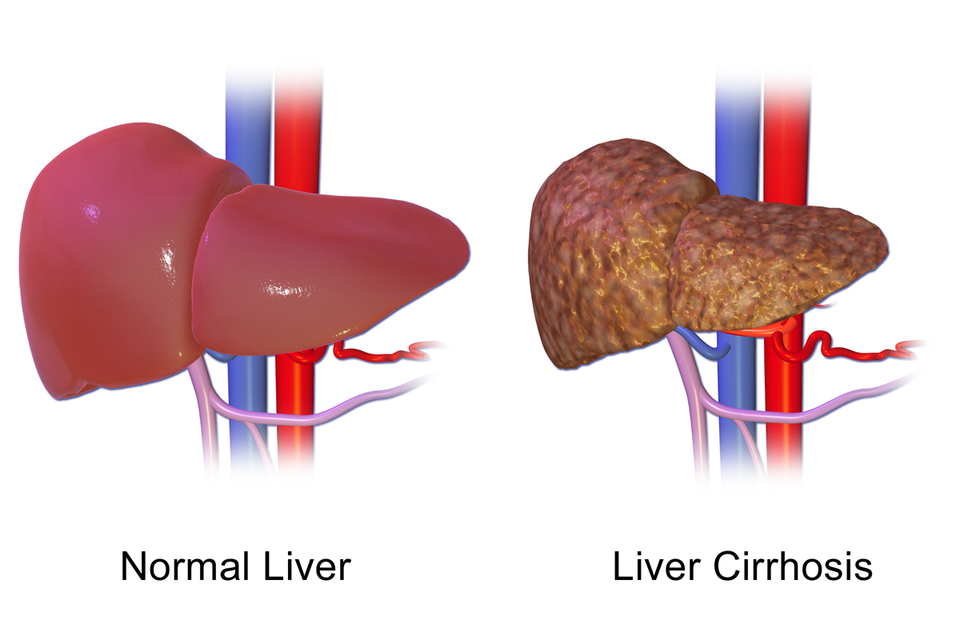
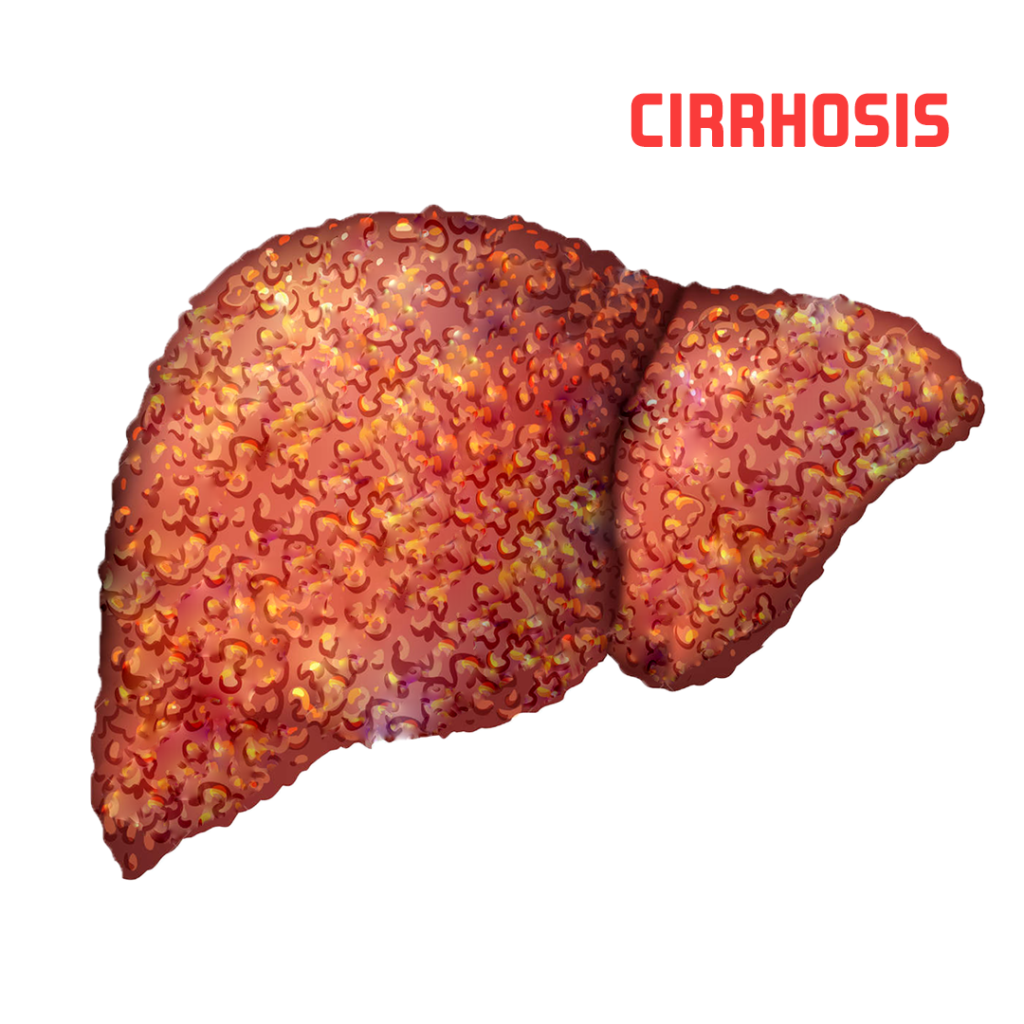
Cirrhosis is progressive, irreversible scarring of the liver resulting from chronic injury over months or years. Each time your liver suffers damage—from alcohol, viruses, toxins, or disease—it attempts to repair itself. During this repair process, scar tissue forms. As damage continues repeatedly, more scar tissue accumulates, making it increasingly difficult for your liver to function normally.
Eventually, extensive scarring disrupts liver architecture and blood flow, preventing this vital organ from filtering toxins, producing proteins necessary for blood clotting, metabolizing medications, and performing countless other critical tasks. Once cirrhosis develops, the damage becomes permanent, though progression can often be slowed or halted with proper intervention.
Understanding Liver Function:
Your liver serves as your body’s primary detoxification center, processing everything you eat, drink, or absorb through your skin. This three-pound organ filters blood coming from your digestive tract, metabolizes nutrients, produces bile for digestion, stores vitamins and minerals, creates proteins for blood clotting, breaks down medications and toxins, and regulates blood sugar levels. When cirrhosis compromises these functions, life-threatening complications can develop.
Recognizing Cirrhosis Symptoms: Early and Advanced Warning Signs
Early Stage (Compensated Cirrhosis):
In early stages, your liver often compensates for damage, and you may experience no symptoms or only vague complaints. This makes cirrhosis particularly dangerous—significant damage may occur before you realize anything is wrong.
When early symptoms appear, they may include:
- Persistent fatigue and weakness affecting daily activities
- Loss of appetite and unintentional weight loss
- Nausea and digestive discomfort
- Mild abdominal pain or discomfort, especially upper right side
- General feeling of unwellness
Advanced Stage (Decompensated Cirrhosis):
As liver function deteriorates, more severe symptoms emerge:
Jaundice: Yellowing of skin and whites of eyes from accumulated bilirubin that your damaged liver cannot process properly.
Ascites: Fluid accumulation in your abdomen, causing swelling, discomfort, and difficulty breathing. This occurs when your liver cannot produce adequate albumin protein and when scarring increases pressure in liver blood vessels.
Edema: Swelling in legs, ankles, and feet from fluid retention.
Easy Bruising and Bleeding: Your liver cannot produce sufficient clotting factors, causing prolonged bleeding from minor cuts, frequent nosebleeds, and easy bruising.
Spider Angiomas: Small, spider-like blood vessels visible under skin, typically on face and upper body.
Itchy Skin: Persistent itching from bile salt accumulation in tissues.
Confusion and Mental Changes (Hepatic Encephalopathy): Toxins normally filtered by your liver accumulate in blood, affecting brain function. Symptoms range from mild confusion and difficulty concentrating to severe disorientation, personality changes, and coma.
Dark Urine and Pale Stools: Color changes reflecting impaired bile processing.
Enlarged Spleen (Splenomegaly): Increased pressure in liver blood vessels causes spleen enlargement.
Similar to recognizing symptoms in blood disorders, identifying cirrhosis warning signs enables timely intervention that can prevent life-threatening complications.
Causes and Risk Factors: What Damages Your Liver?
Chronic Alcohol Abuse:
The leading cause of cirrhosis in many Western countries, excessive alcohol consumption over years causes alcoholic liver disease progressing from fatty liver to alcoholic hepatitis to cirrhosis. The risk increases with amount and duration of drinking, though individual susceptibility varies significantly.
Viral Hepatitis:
Hepatitis B and C: These viral infections cause chronic liver inflammation leading to cirrhosis over decades. Hepatitis C represents a major cirrhosis cause globally, though new antiviral treatments can now cure most infections, preventing progression.
Hepatitis D: Only affects people already infected with hepatitis B, causing more severe liver damage.
Non-Alcoholic Fatty Liver Disease (NAFLD):
The fastest-growing cirrhosis cause, NAFLD affects people who drink little or no alcohol. Fat accumulates in liver cells, causing inflammation and damage. Strongly associated with obesity, diabetes, high cholesterol, and metabolic syndrome. As obesity rates climb, NAFLD-related cirrhosis increases dramatically.
Autoimmune Hepatitis:
Your immune system mistakenly attacks liver cells, causing chronic inflammation and eventual cirrhosis if untreated.
Primary Biliary Cholangitis (PBC):
Autoimmune disease destroying small bile ducts within your liver, causing bile accumulation that damages liver tissue.
Primary Sclerosing Cholangitis (PSC):
Progressive disease causing inflammation and scarring of bile ducts, blocking bile flow and damaging liver tissue. Often associated with inflammatory bowel disease.
Genetic Disorders:
Hemochromatosis: Excessive iron accumulation damaging liver and other organs.
Wilson’s Disease: Abnormal copper accumulation in liver and brain.
Alpha-1 Antitrypsin Deficiency: Genetic disorder causing abnormal protein accumulation in liver cells.
Medications and Toxins:
Long-term use of certain medications, exposure to environmental toxins, and industrial chemicals can cause liver damage. Similar to concerns about pesticide health risks, various toxins threaten liver health.
Other Causes:
Chronic heart failure, bile duct obstruction, parasitic infections, and certain inherited metabolic disorders can lead to cirrhosis.
Diagnosis: How Doctors Detect Cirrhosis
Physical Examination:
Your doctor assesses for jaundice, abdominal swelling, enlarged liver or spleen, spider angiomas, and other physical signs suggesting liver disease.
Blood Tests:
Liver Function Tests: Measure enzymes, proteins, and bilirubin levels indicating liver damage and function.
Complete Blood Count: Detects anemia and low platelet counts common in cirrhosis.
Coagulation Tests: Assess blood clotting ability.
Tests for Hepatitis Viruses: Identify viral infections causing liver damage.
Imaging Studies:
Ultrasound: Non-invasive imaging detecting liver texture changes, nodules, fluid accumulation, and blood flow abnormalities.
CT or MRI Scans: Provide detailed liver images showing scarring, nodules, and complications.
FibroScan (Transient Elastography): Measures liver stiffness, estimating scarring severity without biopsy.
Liver Biopsy:
The definitive diagnostic test involves extracting small liver tissue samples for microscopic examination, confirming cirrhosis diagnosis, determining cause, and assessing damage severity.
Endoscopy:
Examines esophagus and stomach for varices—enlarged, fragile veins that can rupture and cause life-threatening bleeding.
According to the American Liver Foundation, early diagnosis dramatically improves outcomes and quality of life for cirrhosis patients.
Staging Cirrhosis: Child-Pugh Classification
The Child-Pugh score assesses cirrhosis severity using five factors: bilirubin levels, albumin levels, INR (blood clotting), ascites presence, and hepatic encephalopathy. Scores range from 5-15, divided into three classes:
- Class A (5-6 points): Well-compensated disease with best prognosis
- Class B (7-9 points): Significant functional compromise
- Class C (10-15 points): Decompensated disease with poor prognosis without transplantation
The MELD score (Model for End-Stage Liver Disease) predicts three-month mortality and prioritizes liver transplant candidates.
Treatment Options: Managing Cirrhosis
Treating Underlying Causes:
Alcohol Cessation: Absolutely critical for alcoholic cirrhosis. Complete abstinence can significantly slow progression and improve survival. Similar to addressing addiction recovery, professional support increases success rates.
Antiviral Therapy: Modern medications cure hepatitis C in over 95% of cases, preventing further liver damage. Hepatitis B treatments suppress viral replication.
Immune Suppression: Corticosteroids or immunosuppressive drugs control autoimmune hepatitis and PBC.
Weight Loss and Diabetes Management: For NAFLD-related cirrhosis, losing 7-10% of body weight through diet and exercise can reduce liver fat and inflammation. Maintaining proper nutrition supports liver health.
Managing Complications:
Portal Hypertension: Beta-blockers reduce pressure in portal vein, decreasing variceal bleeding risk.
Ascites: Restricting sodium intake, taking diuretics, and undergoing paracentesis (fluid removal) when necessary.
Hepatic Encephalopathy: Lactulose and rifaximin reduce toxin absorption from intestines, improving mental function.
Variceal Bleeding: Emergency treatment with medications, endoscopic procedures placing bands on bleeding varices, or transjugular intravascular portosystemic shunt (TIPS) procedure.
Infections: Antibiotics treating or preventing spontaneous bacterial peritonitis and other infections common in cirrhosis.
Medications:
Medications must be carefully managed as your damaged liver cannot metabolize drugs normally. Always inform healthcare providers about your cirrhosis diagnosis.
Liver Transplantation:
For advanced cirrhosis not responding to other treatments, liver transplantation offers potential cure. Transplant eligibility depends on disease severity, overall health, and absence of contraindications like active alcohol or drug use. Post-transplant survival rates exceed 85% at five years.
Prevention Strategies: Protecting Your Liver
Limit or Avoid Alcohol:
Even moderate drinking can damage your liver over time. If you have existing liver disease or risk factors, complete abstinence is safest.
Maintain Healthy Weight:
Obesity significantly increases NAFLD risk. Achieve and maintain healthy weight through balanced diet and regular exercise.
Get Vaccinated:
Hepatitis A and B vaccines prevent these infections. No vaccine exists for hepatitis C yet.
Practice Safe Behaviors:
Avoid sharing needles, practice safe sex, and ensure sterile equipment for tattoos or piercings to prevent hepatitis transmission.
Use Medications Carefully:
Take medications only as prescribed, avoid combining drugs with alcohol, and inform doctors about all medications and supplements you use.
Avoid Toxin Exposure:
Limit exposure to environmental toxins and chemicals that can damage your liver.
Regular Health Screenings:
Monitor liver function through regular checkups, especially if you have risk factors. Part of comprehensive preventive care includes liver health assessment.
Manage Chronic Conditions:
Control diabetes, high cholesterol, and metabolic syndrome to prevent NAFLD progression.
Living With Cirrhosis: Quality of Life Strategies
Dietary Modifications:
- Follow low-sodium diet to control fluid retention
- Consume adequate protein from healthy sources (unless instructed otherwise for hepatic encephalopathy)
- Avoid raw or undercooked shellfish due to infection risk
- Take vitamin supplements if deficient
- Eat small, frequent meals to maintain nutrition
Activity and Exercise:
Stay as active as possible within your limitations. Appropriate physical activity maintains muscle mass, reduces fatigue, and improves overall wellbeing.
Avoid Hepatotoxic Substances:
Never take acetaminophen without doctor approval, as it can cause severe liver damage in cirrhosis. Avoid herbal supplements and over-the-counter medications without medical consultation.
Monitor for Complications:
Watch for increased abdominal swelling, confusion, bleeding, fever, or other concerning symptoms requiring immediate medical attention.
Emotional Support:
Living with chronic illness affects mental health. Seek counseling, join support groups, and maintain open communication with loved ones. Mental health support is essential for managing chronic conditions.
Frequently Asked Questions About Cirrhosis

Can cirrhosis be reversed?
Cirrhosis itself cannot be reversed—scar tissue is permanent. However, treating underlying causes can prevent further damage and occasionally allow some improvement in liver function. Early-stage scarring (fibrosis) before true cirrhosis develops may partially reverse with treatment. Once cirrhosis establishes, goals shift to preventing progression, managing complications, and maintaining quality of life. Some patients with well-compensated cirrhosis live many years with proper management.
How long can you live with cirrhosis?
Life expectancy varies dramatically based on cirrhosis stage, cause, complications, and treatment effectiveness. People with compensated cirrhosis (Child-Pugh Class A) often live more than 12 years with proper care. Those with decompensated cirrhosis (Class C) have significantly shorter survival—often less than two years without transplantation. However, successful liver transplantation offers excellent long-term survival. Early diagnosis and strict adherence to treatment recommendations dramatically improve outcomes.
Is cirrhosis painful?
Early cirrhosis typically causes no pain. As disease progresses, some patients experience dull, aching discomfort in the upper right abdomen from liver enlargement. Ascites causes abdominal fullness and discomfort. Complications like variceal bleeding or hepatic encephalopathy can be distressing. Pain severity varies considerably between individuals. Always report new or worsening pain to your healthcare provider.
Can you drink alcohol occasionally with cirrhosis?
No—complete abstinence from alcohol is absolutely critical for anyone with cirrhosis, regardless of the underlying cause. Even small amounts of alcohol accelerate liver damage and increase mortality risk dramatically. Alcohol worsens all cirrhosis complications, reduces treatment effectiveness, disqualifies you from liver transplantation, and significantly shortens life expectancy. If you struggle with alcohol cessation, seek professional help immediately through addiction programs.
What foods should I avoid with cirrhosis?
Avoid or strictly limit sodium to control fluid retention—aim for less than 2,000mg daily. Avoid raw or undercooked shellfish and seafood due to infection risk. Limit protein intake only if you have hepatic encephalopathy (your doctor will advise). Avoid alcohol completely. Be cautious with grapefruit, which affects medication metabolism. Avoid processed foods high in sodium, saturated fats, and added sugars. Focus on fresh fruits, vegetables, whole grains, lean proteins, and healthy fats supporting liver health.
Take Action for Your Liver Health Today
Cirrhosis represents serious, life-threatening disease, but knowledge empowers prevention and management. Whether you’re concerned about developing cirrhosis or managing existing disease, the actions you take today profoundly impact tomorrow’s outcomes. Protecting your liver through healthy lifestyle choices, treating underlying conditions, avoiding alcohol and toxins, and maintaining regular medical care offers your best defense against this devastating condition.
Don’t ignore warning signs or dismiss seemingly minor symptoms. Early detection makes all the difference in preserving liver function and preventing life-threatening complications. If you have cirrhosis risk factors or concerning symptoms, schedule an evaluation with your healthcare provider immediately. Your liver quietly works tirelessly every day—give it the attention and care it deserves.
With proper management, many cirrhosis patients maintain good quality of life for years. Stay informed, follow medical recommendations, avoid harmful substances, nourish your body well, and maintain hope. Medical advances continue improving cirrhosis outcomes, and transplantation offers new life when necessary. Take charge of your liver health today for a healthier tomorrow.