
Complete colitis guide covering symptoms, types, causes, and effective treatments. Discover proven relief strategies for ulcerative colitis, microscopic colitis, and IBD management tips.
Introduction
Living with persistent abdominal pain, urgent bathroom trips, and unpredictable digestive symptoms can feel overwhelming and isolating. Colitis—inflammation of the colon—affects millions of people worldwide, disrupting daily life, work, relationships, and overall wellbeing. Yet with proper understanding, accurate diagnosis, and comprehensive treatment approaches, many people with colitis achieve significant symptom relief and maintain excellent quality of life. This guide empowers you with knowledge to recognize colitis, seek appropriate care, and take control of your digestive health.
What Is Colitis? Understanding Colon Inflammation
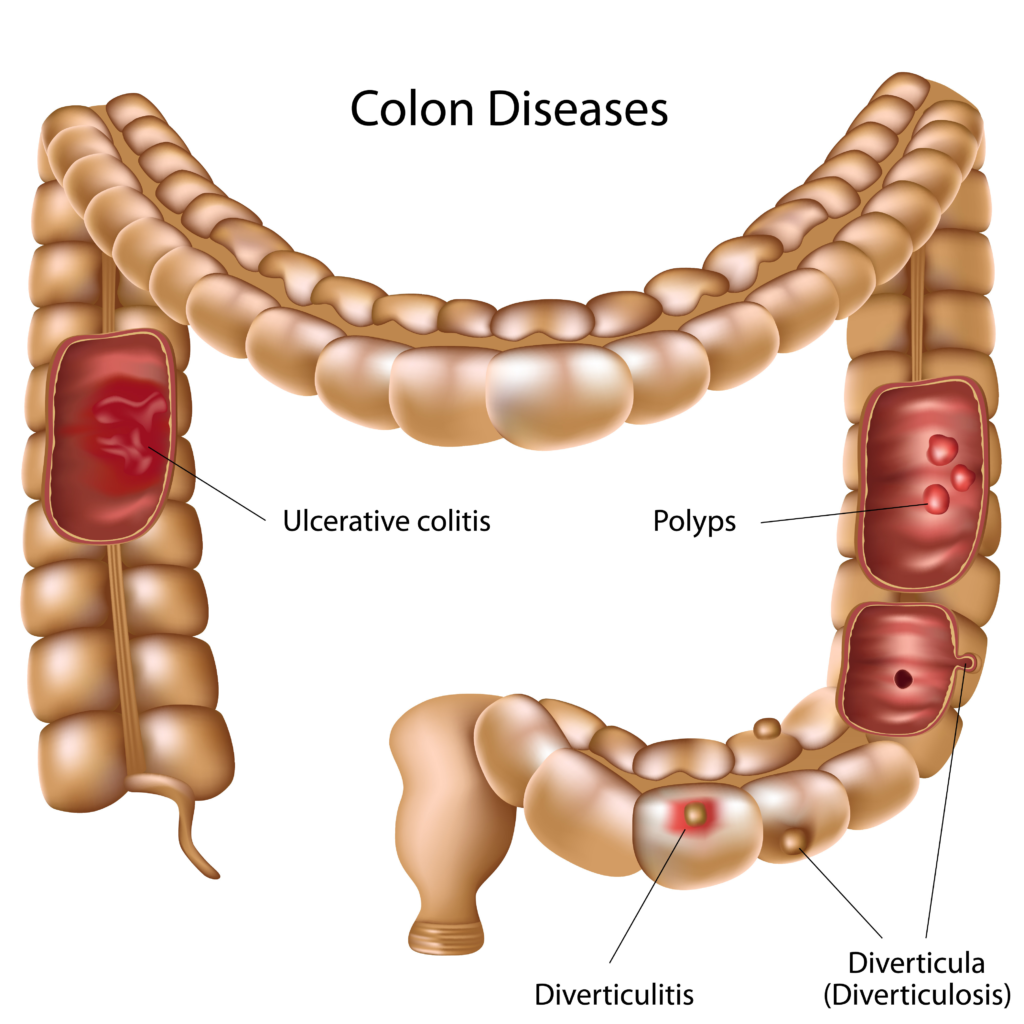
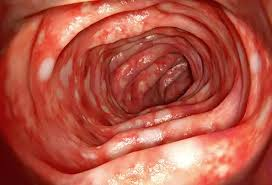
Colitis refers to inflammation of the colon (large intestine), causing a range of uncomfortable digestive symptoms. Your colon absorbs water and nutrients from digested food while forming waste for elimination. When inflammation develops in the colon lining, this process becomes disrupted, leading to diarrhea, abdominal pain, urgency, and other distressing symptoms.
Several distinct types of colitis exist, each with different causes, characteristics, and treatment approaches:
Ulcerative Colitis (UC):
A chronic inflammatory bowel disease (IBD) causing long-lasting inflammation and ulcers in the colon and rectum lining. Unlike other colitis types, UC always affects the rectum and may extend continuously through varying portions of the colon. This autoimmune condition involves your immune system mistakenly attacking colon tissue.
Crohn’s Colitis:
While Crohn’s disease can affect any part of the digestive tract, when it specifically involves the colon, it’s called Crohn’s colitis. Unlike ulcerative colitis’s continuous inflammation, Crohn’s creates patchy areas of inflammation with healthy tissue between affected regions.
Microscopic Colitis:
Causes chronic watery diarrhea despite normal-appearing colon tissue during colonoscopy. Only microscopic examination reveals inflammation. Two subtypes exist: collagenous colitis (thickened collagen layer under colon lining) and lymphocytic colitis (increased white blood cells in colon lining).
Ischemic Colitis:
Occurs when blood flow to part of your colon becomes reduced, causing inflammation and injury. Most common in older adults with vascular problems or those taking certain medications.
Infectious Colitis:
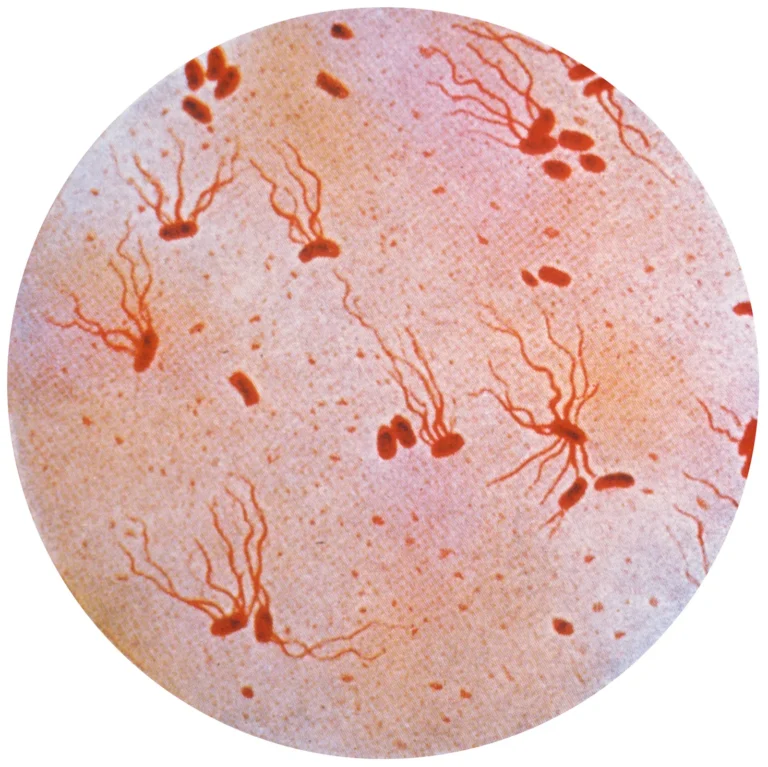
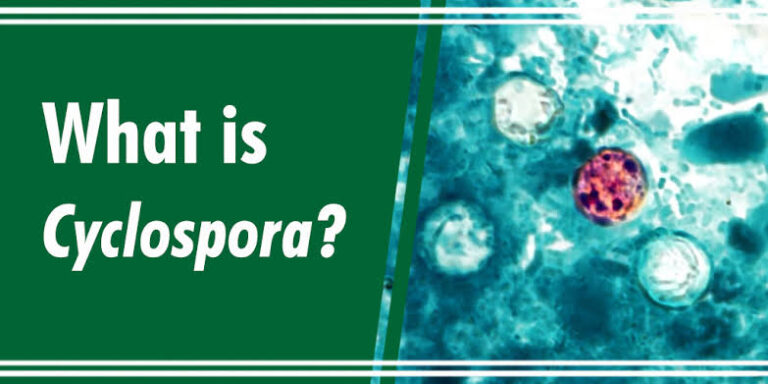
Results from bacterial, viral, or parasitic infections causing temporary colon inflammation. Common culprits include E. coli, Salmonella, Shigella, C. difficile, and Campylobacter.
Allergic Colitis:
Primarily affects infants, occurring when immune systems react to proteins in formula or breast milk, causing colon inflammation.
Recognizing Colitis Symptoms: Warning Signs to Watch
Colitis symptoms vary depending on type and severity, but common manifestations include:
Primary Symptoms:
Diarrhea: Frequent, loose, or watery bowel movements—the hallmark symptom of most colitis types. In ulcerative colitis, diarrhea often contains blood or mucus.
Abdominal Pain and Cramping: Ranging from mild discomfort to severe cramping, typically in the lower abdomen. Pain often occurs before bowel movements and may temporarily improve after.
Urgency: Sudden, intense need to have a bowel movement, sometimes with difficulty making it to the bathroom in time. This symptom significantly impacts quality of life and daily activities.
Blood in Stool: Visible bright red blood mixed with stool or coating it, particularly common in ulcerative colitis. Sometimes blood appears as dark, tarry stools indicating bleeding higher in the digestive tract.
Mucus in Stool: Thick, jelly-like substance passed with bowel movements.
Tenesmus: Persistent feeling of incomplete bowel evacuation despite having just gone, causing frequent bathroom trips.
Additional Symptoms:
- Fever, particularly during disease flares
- Fatigue and weakness affecting daily energy levels
- Unintentional weight loss from reduced appetite and nutrient malabsorption
- Loss of appetite and nausea
- Dehydration from fluid loss through diarrhea
- Abdominal bloating and gas
Extra-Intestinal Manifestations:
Some people with inflammatory bowel disease experience symptoms beyond the digestive system:
- Joint pain and arthritis
- Eye inflammation (uveitis, episcleritis)
- Skin conditions (erythema nodosum, pyoderma gangrenosum)
- Mouth ulcers
- Liver problems
Similar to recognizing symptoms in chronic respiratory diseases, identifying colitis warning signs enables prompt diagnosis and treatment initiation.
Causes and Risk Factors: Why Colitis Develops
Ulcerative Colitis and Crohn’s Disease Causes:
The exact cause of inflammatory bowel disease remains unclear, but research points to interaction between genetic predisposition, immune system dysfunction, and environmental triggers:
Genetics: Family history significantly increases risk. Having a first-degree relative with IBD raises your likelihood of developing the condition.
Immune System Dysfunction: In IBD, your immune system abnormally attacks the digestive tract lining, causing chronic inflammation. Whether this represents autoimmunity or inappropriate response to gut bacteria remains debated.
Environmental Factors: Diet, stress, smoking, and certain infections may trigger or worsen IBD in genetically susceptible individuals. Similar to how environmental pollutants affect health, multiple environmental factors influence IBD development.
Gut Microbiome: Alterations in intestinal bacteria composition may contribute to IBD development and disease activity.
Risk Factors:
- Age: Most commonly diagnosed before 30, though can occur at any age
- Ethnicity: Higher rates in Caucasians and people of Ashkenazi Jewish descent
- Geography: More common in developed countries and northern climates
- Smoking: Increases Crohn’s disease risk but paradoxically may protect against ulcerative colitis (though smoking’s overall health harm far outweighs any benefit)
- Diet high in processed foods and refined sugars
Infectious Colitis Causes:
Contaminated food or water, antibiotic use disrupting gut bacteria (C. difficile), and person-to-person transmission spread infectious organisms causing temporary colitis.
Ischemic Colitis Risk Factors:
Advanced age, atherosclerosis, low blood pressure, blood clotting disorders, vasculitis, certain medications, and conditions affecting blood flow increase ischemic colitis risk.
Diagnosis: How Doctors Identify Colitis
Medical History and Physical Examination:
Your doctor discusses symptom patterns, duration, severity, family history, and potential triggers. Physical examination assesses abdominal tenderness, distension, and other signs of inflammation.
Laboratory Tests:
Blood Tests: Detect anemia, inflammation markers (elevated C-reactive protein and erythrocyte sedimentation rate), and nutritional deficiencies.
Stool Tests: Identify infections, detect blood not visible to naked eye, and measure calprotectin—a protein indicating intestinal inflammation.
Imaging Studies:
CT Scan or MRI: Visualize colon and surrounding structures, detecting inflammation, complications, or abnormalities.
Colonoscopy:
The gold standard diagnostic procedure involves inserting a flexible tube with camera through your rectum to examine the entire colon. Your doctor can:
- Visualize inflammation, ulcers, and bleeding directly
- Take tissue samples (biopsies) for microscopic examination
- Differentiate between colitis types based on inflammation patterns
- Assess disease extent and severity
Flexible Sigmoidoscopy: Examines only the lower colon when full colonoscopy isn’t necessary or feasible.
Capsule Endoscopy: For suspected Crohn’s disease, swallowing a pill-sized camera captures images throughout the digestive tract.
According to the Crohn’s & Colitis Foundation, accurate diagnosis differentiating between colitis types is essential for effective treatment planning.
Treatment Options: Managing Colitis Effectively
Medications for Inflammatory Bowel Disease:

Aminosalicylates (5-ASAs): Anti-inflammatory drugs like mesalamine and sulfasalazine reduce colon inflammation, particularly effective for mild to moderate ulcerative colitis.
Corticosteroids: Powerful anti-inflammatory medications (prednisone, budesonide) quickly reduce inflammation during severe flares but aren’t suitable for long-term use due to significant side effects.
Immunomodulators: Drugs like azathioprine, 6-mercaptopurine, and methotrexate suppress immune system activity causing inflammation. Take weeks to months to achieve full effect.
Biologics: Targeted therapies blocking specific inflammatory pathways:
- TNF inhibitors (infliximab, adalimumab, golimumab)
- Integrin inhibitors (vedolizumab)
- Interleukin inhibitors (ustekinumab)
These powerful medications achieve remission in many patients who don’t respond to conventional therapy.
JAK Inhibitors: Newer oral medications (tofacitinib) blocking enzymes involved in inflammation.
Antibiotics: Treat infectious colitis or complications like abscesses.
Antidiarrheal Medications: Used cautiously to reduce diarrhea frequency, avoiding them during severe flares when they might worsen symptoms.
Pain Relievers: Acetaminophen for pain; NSAIDs like ibuprofen may worsen symptoms and should be avoided.
Treating Specific Colitis Types:
Ischemic Colitis: Usually resolves with supportive care including IV fluids, bowel rest, and treating underlying vascular problems. Severe cases may require surgery.
Infectious Colitis: Antibiotics for bacterial infections, antiparasitics for parasites, or supportive care for viral infections.
Microscopic Colitis: Often responds to antidiarrheal medications, bismuth subsalicylate, or budesonide.
Surgical Treatment:
When medications fail or complications develop, surgery may become necessary:
Proctocolectomy with Ileostomy: Removing entire colon and rectum, creating an opening (stoma) for waste elimination into external bag.
Proctocolectomy with Ileal Pouch-Anal Anastomosis (J-pouch): Removing colon and rectum but creating internal pouch from small intestine connected to anus, allowing relatively normal bowel movements without external bag.
Surgery cures ulcerative colitis since removing diseased colon eliminates the problem, though adjustments to life without a colon require adaptation.
Dietary and Lifestyle Management: Supporting Gut Health
Nutrition Strategies:
While diet doesn’t cause IBD, certain foods may trigger symptoms. Maintaining proper nutrition for health remains crucial:
During Flares:
- Low-residue diet reducing fiber intake temporarily
- Avoid raw fruits, vegetables, whole grains, nuts, and seeds
- Choose well-cooked, easily digestible foods
- Stay hydrated with water, clear broths, and electrolyte drinks
During Remission:
- Gradually reintroduce fiber-rich foods
- Maintain balanced diet with adequate protein, healthy fats, and complex carbohydrates
- Identify and avoid personal trigger foods through food diary
- Consider working with registered dietitian specializing in IBD
Lifestyle Modifications:
Stress Management: While stress doesn’t cause colitis, it can trigger flares and worsen symptoms. Implement stress reduction strategies including meditation, yoga, deep breathing, or counseling.
Regular Exercise: Physical activity reduces inflammation, improves mood, maintains bone health, and supports overall wellbeing. Choose appropriate workout routines matching your fitness level.
Adequate Sleep: Quality rest supports immune function and reduces inflammation.
Smoking Cessation: Critical for Crohn’s disease patients, as smoking significantly worsens disease course and treatment response.
Hydration: Drink plenty of fluids, especially during diarrhea episodes, to prevent dehydration.
Living With Colitis: Quality of Life Strategies
Flare Management:
Learn to recognize early warning signs of flares and communicate promptly with your healthcare team. Have action plans for managing symptoms and knowing when to seek emergency care.
Medication Adherence:
Take medications exactly as prescribed, even during remission. Stopping medications prematurely often triggers flares.
Regular Monitoring:
Attend scheduled appointments, complete recommended blood work and stool tests, and undergo periodic colonoscopies to monitor disease activity and detect complications early.
Emotional Support:
Living with chronic illness affects mental health. Join support groups, maintain open communication with loved ones, and seek professional counseling when needed. Mental health support is essential for managing chronic conditions.
Practical Considerations:
- Identify bathroom locations when traveling or attending events
- Carry emergency supplies (medications, wipes, change of clothes)
- Communicate needs to employers or schools
- Consider medical alert identification
Frequently Asked Questions About Colitis
Is colitis the same as irritable bowel syndrome (IBS)?
No, colitis and IBS are completely different conditions. Colitis involves actual inflammation and damage to colon lining visible during colonoscopy and confirmed through biopsies. IBS is a functional disorder affecting how the bowel works without causing visible inflammation or tissue damage. While both cause similar symptoms like abdominal pain and altered bowel habits, colitis is more serious, requiring different treatments. IBS doesn’t increase cancer risk or cause complications, whereas untreated colitis can lead to serious problems.
Can colitis be cured?
Infectious colitis typically resolves completely with treatment. However, ulcerative colitis and Crohn’s disease are chronic conditions without current cures. Many patients achieve long-term remission with symptoms controlled through medication and lifestyle management. Surgical removal of the entire colon cures ulcerative colitis but requires significant lifestyle adjustments. Microscopic colitis often responds well to treatment, with some people experiencing spontaneous remission. Research continues seeking cures for inflammatory bowel diseases.
Does colitis increase colon cancer risk?
Yes, having ulcerative colitis or Crohn’s colitis increases colorectal cancer risk, particularly with extensive disease involving large portions of colon and longer disease duration. Risk increases significantly after 8-10 years with active inflammation. However, keeping inflammation well-controlled with medications and undergoing regular surveillance colonoscopies dramatically reduces this risk. Most IBD patients never develop cancer. Follow recommended screening schedules based on your specific situation.
What foods should I avoid with colitis?
Trigger foods vary individually, but common culprits include high-fiber foods during flares, dairy products (if lactose intolerant), spicy foods, caffeine, alcohol, carbonated beverages, fatty or fried foods, and raw fruits and vegetables. During remission, most people tolerate broader diets. Keep a food diary identifying personal triggers. Rather than unnecessarily restricting foods, work with healthcare providers to maintain balanced, nutritious diet while avoiding specific problematic items.
Can stress cause colitis?
Stress doesn’t cause colitis but can trigger symptom flares in people with existing inflammatory bowel disease. The gut-brain connection is powerful, with emotional stress affecting digestive function and inflammation levels. Managing stress through relaxation techniques, exercise, adequate sleep, and counseling helps control symptoms and may reduce flare frequency. Addressing mental health is as important as treating physical symptoms for optimal IBD management.
Take Control of Your Digestive Health Today
Living with colitis presents challenges, but countless people successfully manage their condition and maintain fulfilling lives through proper treatment, lifestyle modifications, and proactive self-care. Understanding your specific colitis type, recognizing symptoms, adhering to treatment plans, and making informed dietary and lifestyle choices empowers you to minimize symptoms and maximize quality of life.
Don’t suffer in silence or dismiss persistent digestive symptoms as normal. Early diagnosis and treatment prevent complications and preserve long-term colon health. If you’re experiencing ongoing abdominal pain, diarrhea, blood in stools, or other concerning symptoms, schedule an evaluation with your healthcare provider or gastroenterologist.
Medical advances continue improving colitis treatments, with new medications and therapies offering hope for better disease control and potentially cures in the future. Stay informed, work closely with your healthcare team, connect with support communities, and maintain optimism about managing your condition successfully.
Your digestive health significantly impacts overall wellbeing. Take action today to protect your colon, manage symptoms effectively, and reclaim control over your life. With proper care and commitment, you can conquer colitis and thrive.