


Complete guide to adenovirus outbreaks spreading globally in 2024-2025. Learn symptoms, transmission, treatment, and prevention strategies for this common but potentially serious respiratory illness affecting children and adults worldwide.
Introduction
Adenovirus outbreaks are surging across multiple continents, with Finland reporting 129 hospitalizations including 6 deaths between February-June 2024, China documenting over 4,400 pediatric cases in early 2024 with infection rates spiking to 23.86%, and India recording over 12,000 confirmed cases with 150 deaths in 2023. These alarming statistics reveal a significant public health challenge demanding urgent attention. While adenovirus typically causes mild cold-like symptoms, recent outbreaks demonstrate this common pathogen can produce severe complications, particularly affecting children, military personnel, immunocompromised individuals, and those in congregate settings.
Understanding Adenovirus: The Basics
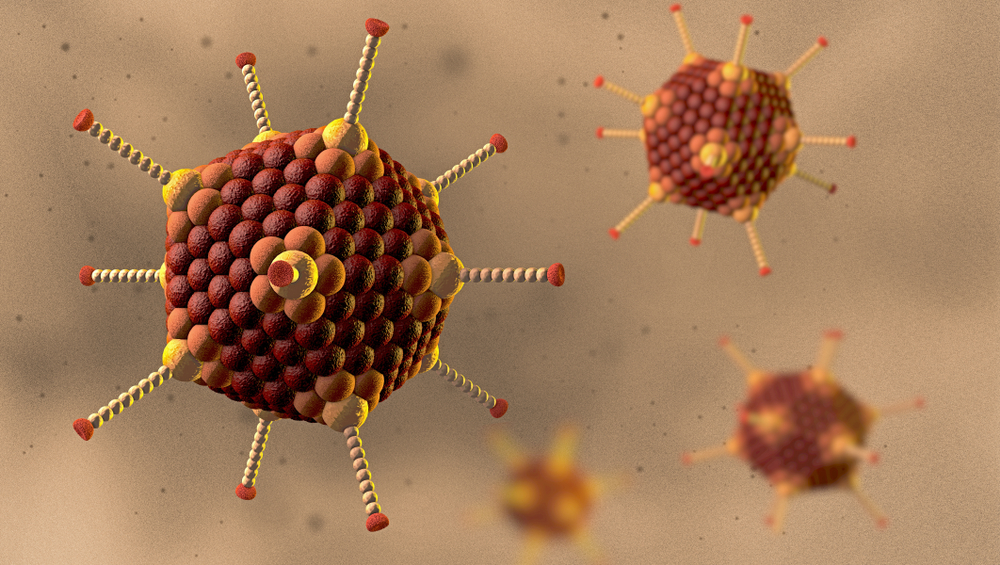
Adenoviruses comprise a genetically diverse group of double-stranded DNA viruses causing various illnesses affecting the respiratory tract, eyes, gastrointestinal system, and urinary tract. At least 88 serotypes of adenovirus are described, classified into seven species (A-G), with about half producing clinical syndromes. These infections show worldwide distribution and occur throughout the year, though outbreaks most commonly emerge during late winter, spring, and early summer.
Adenoviruses usually cause respiratory illnesses or conjunctivitis, with infections occurring year-round without specific seasonal peaks like influenza. Most infections in healthy individuals remain mild and self-limited, resolving without medical intervention. However, certain populations face elevated risks for severe disease requiring hospitalization or intensive care.
Recent Global Outbreak Patterns
Finland’s Severe Military Outbreak
During February-June 2024, Finland experienced an adenovirus outbreak with unusually severe clinical presentation, particularly affecting military conscripts. Of 129 hospitalized patients, 30 required intensive care, 10 needed ECMO treatment (extracorporeal membrane oxygenation for severe respiratory failure), and six died. Analysis revealed 89.8% were type 7 infections, with all sequenced samples identified as subtype 7d. The outbreak primarily affected young, previously healthy military conscripts living in close quarters—conditions facilitating rapid transmission.
China’s Pediatric Surge
Southern China documented dramatic adenovirus increases among children with acute respiratory illness. Monthly infection frequencies remained below 0.9% through July 2023, then surged to 10.81% in January 2024 and 10.75% in February 2024. The outbreak peaked during the third to fifth weeks of 2024, with the highest recorded ratio of 23.86% on January 29, 2024. Analysis showed HAdV-B3 accounted for 96% of typed samples, demonstrating clear predominance of this particularly virulent strain.
India’s Devastating Impact
West Bengal, India experienced over 12,000 confirmed pediatric cases and 150 related deaths in early 2023, highlighting adenovirus’s potential severity in densely populated regions with limited healthcare infrastructure. Outbreaks have been reported in densely populated regions with poor hygiene, with notable surges across South Asia.
United States University Outbreaks
Multiple U.S. universities reported significant adenovirus outbreaks during 2022-2024. One South Carolina university identified 195 students with adenovirus type 4 infections during January-May 2022, while a large Midwestern university detected an outbreak including critical infections during Fall 2022. These outbreaks demonstrate adenovirus’s capacity for rapid spread in congregate living environments like dormitories.
Clinical Symptoms and Presentations
Adenovirus infections present with diverse symptoms depending on affected body systems and viral strain. The incubation period ranges from 2-14 days, averaging 4-9 days.
Respiratory Manifestations
Common Cold Syndrome: Rhinitis, pharyngitis, mild malaise without fever, often with conjunctivitis—the most frequent presentation.
Acute Respiratory Disease: Fever lasting 2-12 days accompanied by malaise, myalgia, cough, and rales. Types 3, 4, and 7 commonly cause acute respiratory disease, particularly severe in military recruits and institutional settings.
Severe Pneumonia: Adenovirus B14 causes severe and sometimes fatal pneumonia in those with chronic lung disease but also affects healthy young adults. Lower respiratory tract infections may include bronchiolitis or pneumonia requiring hospitalization.
Eye Infections
Pharyngoconjunctival Fever: Manifested by fever, malaise, conjunctivitis (often unilateral), mild pharyngitis, and cervical adenitis.
Epidemic Keratoconjunctivitis: Highly transmissible person-to-person, causing bilateral conjunctival redness, pain, tearing, and enlarged preauricular lymph nodes. Keratitis may lead to subepithelial opacities affecting vision.
Gastrointestinal and Other Manifestations
Adenovirus causes gastroenteritis with diarrhea, vomiting, and fever, particularly in young children. Other presentations include acute hemorrhagic cystitis in children, genitourinary ulcers, and rarely, severe complications like myocarditis or encephalitis in immunocompromised individuals.
High-Risk Populations
Children and Infants
Adenoviruses are responsible for approximately 2-7% of childhood viral respiratory infections. Young children prove particularly vulnerable due to frequent hand-to-mouth contact, close contact in daycare settings, and developing immune systems.
Military Personnel
Military recruits face elevated adenovirus risk due to close living quarters, shared facilities, and stress associated with basic training. Adenovirus types 4 and 7 historically caused significant outbreaks in military populations before vaccine implementation.
Immunocompromised Individuals
Patients with weakened immune systems—including transplant recipients, cancer patients undergoing chemotherapy, and HIV/AIDS patients—face substantially elevated risks for severe, disseminated adenovirus infections with higher mortality rates.
Congregate Settings
Schools, universities, nursing homes, prisons, and hospitals create environments facilitating rapid adenovirus spread through close contact and shared surfaces.
Transmission Mechanisms

Adenovirus spreads through multiple routes including respiratory droplets from coughing or sneezing, direct contact with infected individuals, touching contaminated surfaces then touching eyes, nose, or mouth, fecal-oral transmission particularly in daycare settings, and waterborne transmission in inadequately chlorinated pools.
The virus demonstrates remarkable environmental stability, surviving on surfaces for extended periods and resisting many common disinfectants. This durability contributes to transmission efficiency in healthcare and institutional settings.
Frequently Asked Questions About Adenovirus
Is adenovirus more dangerous than COVID-19?
No, this characterization is inaccurate. While adenovirus can cause serious illness, COVID-19 demonstrated far greater pandemic impact, mortality, and transmission efficiency. Adenovirus typically causes mild, self-limited infections in healthy individuals. COVID-19 caused millions of deaths globally, overwhelmed healthcare systems, and required unprecedented public health interventions. However, for specific high-risk populations—particularly immunocompromised individuals—adenovirus can indeed cause severe disease. The key difference is population-level impact: COVID-19 posed universal threat requiring global response, while adenovirus primarily affects vulnerable populations or outbreak settings. Both deserve appropriate respect and prevention measures, but equating their danger levels misrepresents epidemiological reality.
How can I tell if I have adenovirus versus common cold or flu?
Distinguishing adenovirus from other respiratory viruses based solely on symptoms proves challenging since presentations overlap significantly. Common features suggesting adenovirus include prominent conjunctivitis (pink eye) accompanying respiratory symptoms, prolonged fever lasting over a week, particularly severe sore throat with exudates resembling strep throat, and gastrointestinal symptoms combined with respiratory illness. However, definitive diagnosis requires laboratory testing through PCR or viral culture. Most healthy individuals don’t need specific adenovirus testing since treatment remains supportive regardless. Testing becomes important in outbreak settings, immunocompromised patients, or severe cases requiring hospitalization to guide infection control and prognosis.
What treatments are available for adenovirus infections?
No specific antiviral medications target adenovirus in immunocompetent individuals. Treatment remains supportive, focusing on symptom management including rest and adequate fluid intake, acetaminophen or ibuprofen for fever and pain relief, saline nasal drops or humidifiers for congestion, and throat lozenges for pharyngitis. Most healthy individuals recover within 5-10 days without complications. For immunocompromised patients with severe infections, physicians may consider cidofovir—an antiviral showing some efficacy in case reports and small studies, though not FDA-approved specifically for adenovirus. Research continues exploring therapeutic options including newer antivirals and immunoglobulin preparations.
How long am I contagious with adenovirus?
Adenovirus shedding and contagiousness extend considerably longer than many other respiratory viruses. Infected individuals typically remain contagious throughout the symptomatic period, which may last 3-10 days for respiratory infections. However, viral shedding can persist for weeks to months after symptom resolution, particularly in children and immunocompromised individuals. Some people shed virus intermittently for months without symptoms, creating asymptomatic transmission risks. This prolonged shedding complicates outbreak control and explains why adenovirus circulates year-round. Maintain precautions including handwashing and avoiding close contact with vulnerable individuals even after feeling better, particularly if working with children or immunocompromised populations.
Can I get vaccinated against adenovirus?
Currently, adenovirus vaccines exist only for military use in the United States. The military administers oral vaccines against types 4 and 7—the strains most commonly causing severe respiratory disease in recruits. These vaccines received FDA approval specifically for military populations ages 17-50 years living in congregate settings. No adenovirus vaccines are available for civilian populations despite ongoing research. Prevention for civilians relies on hygiene measures, environmental cleaning, and infection control practices rather than immunization. Some research explores broader adenovirus vaccines that might protect against multiple serotypes, but these remain investigational.
Prevention Strategies
Personal Protective Measures
Frequent handwashing with soap and water for at least 20 seconds, avoiding touching eyes, nose, and mouth with unwashed hands, covering coughs and sneezes with tissues or elbows, avoiding close contact with sick individuals, and staying home when ill prevents transmission.
Environmental Controls
Regular cleaning and disinfection of frequently touched surfaces using EPA-registered disinfectants effective against adenovirus (listed on EPA List G), proper chlorination of pools and recreational water facilities, and improved ventilation in congregate settings reduces environmental viral loads.
Outbreak Management
When outbreaks occur, implement enhanced surveillance and case identification, cohort infected individuals away from vulnerable populations, temporarily close affected facilities when appropriate, communicate transparently with affected communities, and reinforce prevention measures throughout the institution.
Learn more about comprehensive disease prevention strategies through our guide to preventing noncommunicable diseases and vaccine safety monitoring systems.
When to Seek Medical Attention
Most adenovirus infections resolve without medical intervention. However, seek medical evaluation if experiencing difficulty breathing or shortness of breath, persistent high fever exceeding 104°F (40°C), severe headache or stiff neck, symptoms lasting beyond 10 days or worsening after initial improvement, signs of dehydration including decreased urination or severe eye pain and vision changes. Immunocompromised individuals should contact healthcare providers early in illness due to elevated complication risks.
Conclusion: Vigilance Without Panic
Recent adenovirus outbreaks across multiple continents underscore this pathogen’s capacity for causing significant disease, particularly in vulnerable populations and congregate settings. However, characterizing adenovirus as “more dangerous than COVID-19” misrepresents epidemiological evidence and creates unnecessary alarm. Most infections remain mild and self-limited in healthy individuals.
The appropriate response involves informed vigilance: understanding transmission mechanisms, practicing consistent hygiene, recognizing concerning symptoms, and seeking medical care when appropriate. Healthcare systems and institutions must maintain robust surveillance detecting outbreaks early, implement evidence-based infection control measures, and communicate transparently with affected communities.
For parents, educators, military leaders, and healthcare providers, awareness of adenovirus’s potential severity—particularly emerging strains like type 7d causing unusual disease patterns—enables proactive prevention and rapid response. Public health authorities should strengthen adenovirus surveillance, particularly in high-risk settings, while research continues exploring therapeutic options and broader vaccine development. Through combination of personal responsibility, institutional preparedness, and public health vigilance, we can effectively mitigate adenovirus impact while maintaining appropriate perspective on its actual risks.