

The dental amalgam debate is explosive. Is mercury in “silver fillings” safe? We analyze FDA & ADA science vs. risks. Get facts on safety, alternatives & removal.
Introduction
For over 150 years, a tiny, silver-colored filling has sat quietly in hundreds of millions of mouths worldwide, yet it remains one of the most contentious subjects in modern healthcare. The dental amalgam debate—centered on the use of mercury in “silver fillings”—is a complex clash of long-standing clinical practice, environmental science, patient safety, and deep-seated fear. Is it a safe, durable, and affordable cornerstone of restorative dentistry, or a hidden source of chronic mercury exposure? This article cuts through the noise, separating decades of scientific research from widespread misinformation to give you the facts you need for your health.
What Is Dental Amalgam? A Centuries-Old Solution

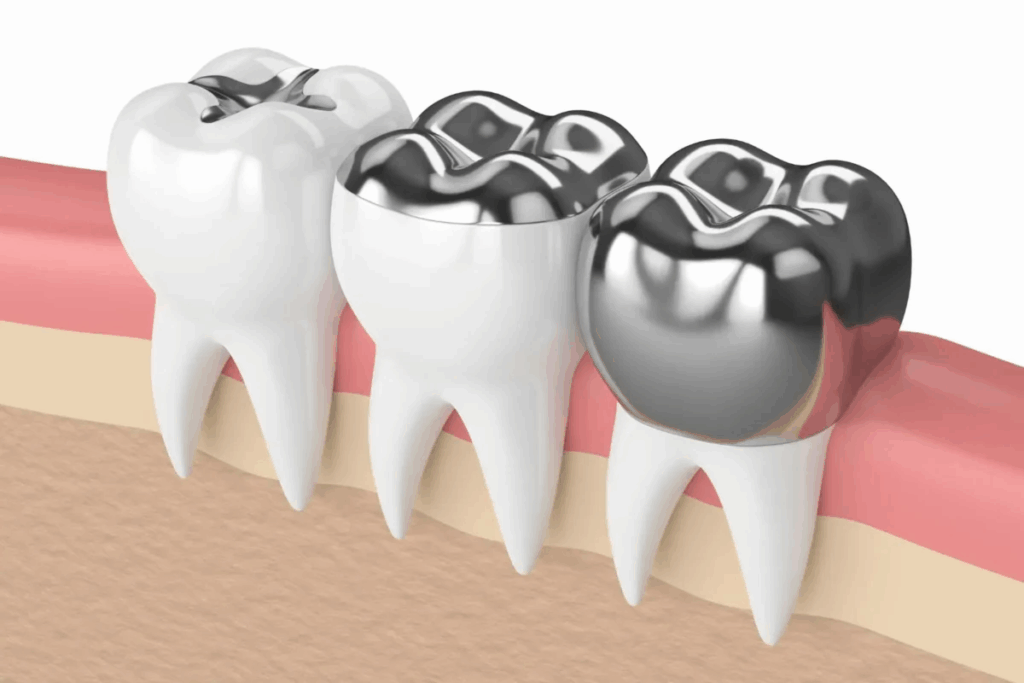
Dental amalgam is a restorative material made by mixing liquid (elemental) mercury with a powdered alloy of silver, tin, and copper. This combination creates a malleable putty that hardens into a solid, durable filling, ideal for restoring teeth, particularly in the high-pressure environment of the back molars. Mercury, which makes up about 50% of the mixture by weight, is essential—its unique chemistry binds the metals together to form a strong, long-lasting restoration.
Its history is long and global, with evidence of use dating back to 659 A.D. in China. It became a mainstay in Western dentistry in the 19th century because it was more affordable and easier to use than gold, revolutionizing dental care by making it accessible to more people. Despite its longevity, the presence of mercury, a known neurotoxin, has fueled a controversy that has simmered for just as long.
The Heart of the Debate: Weighing the Evidence
The debate fundamentally asks: Do the benefits of this durable, cost-effective material outweigh the potential risks of having a source of mercury in the body?
The Case for Amalgam: Endorsed by Major Health Authorities
Leading dental and public health organizations globally maintain that dental amalgam is a safe and effective material for the general population. Organizations like the U.S. Food and Drug Administration (FDA), the American Dental Association (ADA), and the World Health Organization (WHO) base this position on extensive scientific reviews spanning decades.
- Proven Durability and Cost-Effectiveness: Amalgam fillings are renowned for their strength and longevity, often lasting 10 to 15 years or more, which is generally longer than composite (tooth-colored) resin fillings. They are also typically the least expensive restorative option, making them important for public health accessibility.
- Low-Level, Managed Exposure: It is established that amalgam fillings release minute amounts of mercury vapor, especially during chewing. However, authoritative reviews conclude that the amount absorbed is well below thresholds associated with harm for most people. For instance, the ADA notes that exposure from fillings is significantly lower than the safety limits set by environmental agencies.
- A History of Safe Use: With over a century of use in hundreds of millions of patients, supporters argue there is no validated scientific link between amalgam fillings and systemic diseases like Alzheimer’s, autism, or multiple sclerosis.
The Case Against Amalgam: Precaution and Environmental Concern
Critics, including various patient advocacy groups and some dental professionals, argue for a precautionary approach, citing ongoing concerns.
- Mercury Is Inherently Toxic: The core argument is that placing a known neurotoxin in the body, however stabilized, is an unnecessary risk. Groups like the International Academy of Oral Medicine and Toxicology (IAOMT) cite studies suggesting amalgam is a significant source of mercury exposure, with levels in some individuals potentially exceeding safety guidelines.
- Vulnerable Populations: Even regulatory bodies that deem amalgam safe for the general population advise caution for specific groups. The FDA now explicitly recommends against its use in pregnant and nursing women, children under six (especially those with developing neurological systems), and people with kidney impairments or known mercury allergies.
- Environmental Impact: This is a less debated, but critical, point. Amalgam waste from dental offices contributes to environmental mercury pollution. In response, the U.S. and other countries have implemented rules requiring dental practices to use amalgam separators to dramatically reduce mercury release into wastewater.
- Aesthetic and Structural Drawbacks: From a purely dental perspective, amalgam doesn’t bond to the tooth; it requires removing more healthy tooth structure to create a mechanical lock, which can weaken the tooth over time. Its metallic appearance is also a significant aesthetic drawback for many patients.
Comparison of Dental Filling Options: Amalgam vs. Composite
| Feature | Dental Amalgam | Composite Resin (Tooth-Colored) |
|---|---|---|
| Primary Components | Mercury, Silver, Tin, Copper | Plastic resin and glass particles |
| Appearance | Silver/Grey, very noticeable | Color-matched to tooth, virtually invisible |
| Average Longevity | 10-15+ years | 5-10 years |
| Cost | Least expensive option | More expensive |
| Tooth Preparation | Requires more removal of healthy tooth structure | Requires less removal; bonds directly to tooth |
| Placement Time | Faster to place | Longer process (layering and curing) |
| Key Health Stance | Considered safe for most by FDA/ADA, but not for high-risk groups | Considered safe; no mercury content |
Navigating Your Choices: Key Questions Answered
FAQs: Navigating Your Dental Choices
1. Should I have my old amalgam fillings removed?
The nearly unanimous advice from major health authorities is no, not if they are in good condition. The FDA, ADA, and Oral Health Foundation all warn that removal of intact amalgam fillings causes unnecessary loss of healthy tooth structure and results in a temporary increase in mercury exposure during the drilling process. Removal is only considered medically necessary if the filling is failing, there is decay underneath, or in the rare case of a confirmed allergic reaction.
2. What are the safe alternatives to amalgam?
The most common alternative is composite resin, a tooth-colored material that bonds directly to the tooth. Other options include glass ionomer cements, porcelain, and gold. Each has its own pros and cons regarding durability, cost, and aesthetics. You can discuss the best choice for your specific tooth, location, and budget with your dentist. For parents considering options for their children, understanding the full landscape of children’s oral care basics is crucial for making informed long-term decisions.
3. Is the environmental concern a reason to choose an alternative?
The environmental impact of mercury is a valid global concern and a primary reason behind international agreements like the Minamata Convention, which seeks to reduce mercury pollution. Modern dental practices use amalgam separators to capture waste, drastically mitigating this issue. While this may not be the deciding factor for an individual filling, it is a significant part of the broader policy debate driving the gradual phase-down of amalgam use worldwide.
The Verdict: A Personal Decision Informed by Science

The “amalgam debate” does not have a single, simple winner. The weight of scientific evidence from major global institutions supports the safety and utility of amalgam for the general population. Yet, legitimate concerns about mercury toxicity, especially for vulnerable groups, and environmental sustainability are pushing dentistry toward mercury-free alternatives.
Ultimately, the choice is a personal one made in partnership with your dentist. It involves balancing factors like:
- The tooth’s location and size of the cavity
- Your health status (pregnancy, allergies, kidney function)
- Aesthetic preferences
- Cost considerations
- Your personal comfort level with the materials
The debate has ensured that patients are more informed than ever. By understanding both the enduring strengths and the real concerns surrounding dental amalgam, you can move beyond fear and make a confident, evidence-based decision for your oral and overall health. For the most current and personalized guidance, always consult with your dental professional and refer to authoritative sources like the U.S. Food and Drug Administration’s patient resources on dental amalgam.