
Understand how phytomedicine is revolutionizing prostate cancer treatment. With evidence-based insights on curcumin, green tea, pomegranate, and natural compounds offering hope to patients seeking complementary therapeutic options.
Introduction
Prostate cancer remains one of the most prevalent malignancies affecting men worldwide, with one in five American men receiving this diagnosis during their lifetime. While conventional treatments like radiation, chemotherapy, and surgery have proven effective, they often come with debilitating side effects that significantly impact quality of life. This reality has sparked growing interest in phytomedicine, a plant-based therapeutic approaches that offer promising alternatives and complementary options for prostate cancer management.
Understanding Phytomedicine’s Role in Modern Oncology
Phytomedicine refers to the use of plant-derived compounds and extracts for therapeutic purposes. These natural substances have been integral to traditional healing systems for centuries, and modern scientific research is now validating many of their anticancer properties. Many isolated phytochemicals and plant extracts demonstrate safety profiles and diverse healing properties, with varying levels of anti-prostate cancer activities that work by interfering with pathways responsible for tumor proliferation, metabolism, angiogenesis, invasion, and metastasis.
The appeal of phytomedicine lies in its multifaceted approach. Unlike conventional treatments that often target a single pathway, plant-based compounds typically affect multiple cellular mechanisms simultaneously, making them particularly valuable in combating complex diseases like prostate cancer.
The Science Behind Plant-Based Cancer Treatment
How Phytochemicals Target Cancer Cells
Phytochemicals inhibit tumor cell growth and proliferation by interfering with components in pathways responsible for enhanced proliferation, metabolism, angiogenesis, invasion, and metastasis in prostate cells while upregulating mechanisms of cell death and cell cycle arrest. This multi-pronged attack makes them especially valuable in treating aggressive or treatment-resistant forms of prostate cancer.
Research indicates that certain plant compounds can modulate key cellular processes including:
- Cell cycle regulation and growth arrest
- Apoptosis (programmed cell death) induction
- Inhibition of angiogenesis (blood vessel formation that feeds tumors)
- Reduction of metastatic potential
- Modulation of inflammatory responses
- Androgen receptor pathway interference
The Challenge of Androgen-Resistant Prostate Cancer
While existing treatment is efficient for localized prostate cancer responsive to androgen, androgen-resistant and metastatic forms remain challenging to treat, with conventional radiation and chemotherapies associated with severe side effects and exorbitant costs. This is where phytomedicine shows particular promise, offering mechanisms that may overcome resistance to traditional hormone therapies.
Curcumin: The Golden Compound from Turmeric
Molecular Mechanisms of Action
Curcumin, the vibrant yellow polyphenol extracted from turmeric (Curcuma longa), has emerged as one of the most extensively studied phytochemicals in prostate cancer research. Curcumin possesses antiproliferative and proapoptotic properties, with research examining its effects across multiple in vitro and in vivo studies.
Curcumin interferes with prostate cancer proliferation and metastasis development through down-regulation of androgen receptor and epidermal growth factor receptor, while also inducing cell cycle arrest and regulating inflammatory response through inhibition of pro-inflammatory mediators and the NF-κB signaling pathway.
Clinical Evidence and Research Findings
Recent systematic reviews have revealed impressive results. Curcumin modulated key pathways including PI3K/Akt/mTOR in eight studies, NF-κB in seven studies, androgen receptor signaling in six studies, and apoptosis-related regulators in thirteen studies. This widespread pathway modulation demonstrates curcumin’s versatility as a therapeutic agent.
The compound works by targeting multiple cellular mechanisms simultaneously:
Cell Cycle Control: Curcumin down-regulates cyclin D1 expression through both transcriptional and post-transcriptional mechanisms, causing cell cycle arrest in the G1/S phase by up-regulating expression of cyclin-dependent kinase inhibitors p16, p21, and p27 while inhibiting cyclin E and cyclin D1 expression.
Metabolic Modulation: Curcumin modulates metabolic energy pathways, increasing glycolytic reserve while reducing oxidative phosphorylation, and affects lipid pathways through regulation of key enzymes and proteins.
Anti-inflammatory Action: Curcumin inhibits nuclear transcription factor-κB activation through suppression of IκBα proteasomal degradation, thereby preventing nuclear translocation of the p65 subunit.
Practical Considerations and Dosing
For those considering curcumin supplementation, understanding proper dosing is crucial. Clinical studies have safely administered doses up to 8,000 mg daily with minimal toxicity. However, curcumin faces bioavailability challenges. The use of piperine to inhibit hepatic and intestinal glucuronidation has been shown to increase the bioavailability of free curcumin by 2,000% in humans.
The recommended starting dose is typically one-half teaspoon per day of turmeric powder, though concentrated supplements may offer better bioavailability. Always consult with healthcare providers before beginning supplementation, especially if taking blood thinners or diabetes medications.
Synergistic Combinations: When Two Compounds Are Better Than One
Curcumin and Ursolic Acid
One of the most exciting developments in phytomedicine research involves compound combinations. Combinations of ursolic acid found in apple peels and curcumin found in turmeric synergistically reduced tumor volume and weight in mice with implanted prostate tumors, while modulating metabolism of critical amino acids and cell signaling pathways.
This synergistic approach represents a paradigm shift in natural cancer treatment. Rather than relying on single compounds, researchers are discovering that certain plant-based substances work exponentially better together.
The Silybin-Selenium Connection
Network meta-analysis suggests that utilizing silybin either alone or in combination with selenium enhances therapeutic effects, with the combined therapy showing 74% effectiveness for reducing serum PSA levels, while silybin alone demonstrated 84.6% effectiveness for decreasing serum IGF-1 levels.
Silybin, derived from milk thistle, targets insulin-like growth factor pathways that play crucial roles in prostate cancer progression. When combined with selenium, an essential trace mineral with antioxidant properties, the therapeutic potential increases significantly.
Green Tea: Beyond the Morning Beverage
Green tea contains powerful polyphenols called catechins, with epigallocatechin gallate (EGCG) being the most studied for its anticancer properties. Green tea has plant-based compounds called polyphenols that may have an influence on tumors, though one Chinese study suggested drinking significant amounts might help lower chances of prostate cancer developing.
The mechanisms through which green tea catechins work include:
- Inhibition of tumor cell proliferation
- Induction of apoptosis in cancer cells
- Reduction of inflammation
- Inhibition of angiogenesis
- Modulation of hormone metabolism
While green tea shows promise in laboratory settings, clinical evidence remains mixed, highlighting the importance of realistic expectations and continued research.
Pomegranate: Ancient Fruit, Modern Medicine
Pomegranate has captured scientific attention for its unique phytochemical profile. In rodent studies, pomegranate demonstrated positive effects in reducing cancer cell growth in mice, with studies on human cells showing similar promise, leading researchers to recommend more studies on pomegranate extract for therapeutic use.
The fruit’s high concentration of ellagitannins and punicalagins may slow PSA doubling time—a critical marker of prostate cancer progression. Drinking pomegranate juice or consuming the whole fruit as part of a balanced diet offers antioxidant benefits without harm when enjoyed in moderation.
Lycopene: The Tomato Connection
Lycopene, the powerful antioxidant responsible for the red color in tomatoes, has long been associated with prostate health. Lycopene is a powerful antioxidant found abundantly in cooked tomatoes, with some studies showing that people who eat diets high in tomatoes and other lycopene-rich fruits have lower cancer rates, and some researchers believing it may slow prostate tumor growth.
The heat processing of tomatoes actually increases lycopene bioavailability, making tomato sauce and paste particularly beneficial. Combining tomatoes with healthy fats further enhances absorption, as lycopene is fat-soluble.
Chinese Herbal Medicine: Targeting the Androgen Receptor
Chinese herbal medicine has shown good potential in prostate cancer treatment, particularly by targeting the androgen receptor which plays a critical role in disease development and progression, with interventions shown to inhibit AR activity thereby delaying disease progression.
Traditional Chinese medicine offers several advantages including improvement of quality of life, amelioration of clinical symptoms, and prolongation of survival, providing new directions for patients who develop castration-resistant disease and drug resistance.
Complementary Mind-Body Approaches
While phytochemicals address cancer at the molecular level, mind-body practices support overall wellbeing during treatment.
Yoga for Treatment Side Effects
Scientific evidence indicates that yoga can help with fatigue resulting from cancer treatment, with one study finding that men being treated for prostate cancer who took twice-weekly yoga classes reported fewer sexual side effects and urinary problems than those who didn’t do yoga.
Meditation and Stress Management
Cancer diagnosis and treatment create significant psychological stress. Meditation, mindfulness practices, and other stress-reduction techniques can help patients cope with anxiety, improve sleep quality, and enhance overall quality of life during treatment.
Safety Considerations and Medical Oversight
Critical Warnings
Some complementary or alternative treatments for prostate cancer may be harmful when used with standard cancer treatments, making it essential to check with doctors before using any natural supplement to ensure it doesn’t mix badly with regular cancer treatment.
Potential Interactions and Side Effects
Specific concerns include:
Curcumin: May increase bleeding risk when combined with blood thinners; can lower blood sugar, requiring caution with diabetes medications; may cause allergic skin reactions in some individuals.
Green Tea Extract: High doses may cause liver toxicity; can interact with certain chemotherapy drugs.
Pomegranate: May interact with blood pressure and cholesterol medications.
Always maintain open communication with your oncology team about any supplements or complementary approaches you’re considering.
Integrating Phytomedicine into Your Treatment Plan
Working with Healthcare Providers
The key to successful integration of phytomedicine lies in collaboration with conventional medical care. Your oncologist should guide your primary treatment regimen using proven cancer therapies, while complementary approaches support overall health and potentially enhance treatment outcomes.
What to Discuss with Your Doctor
Before incorporating phytomedicine:
- Inform your healthcare team about all supplements and herbs you’re taking or considering
- Discuss potential interactions with current medications
- Ask about appropriate dosing and timing
- Request guidance on reputable supplement sources
- Establish monitoring protocols to assess effectiveness
Evidence-Based Selection
Not all phytomedicines have equal evidence supporting their use. Prioritize compounds with robust preclinical and clinical data, such as curcumin, which has been extensively studied in both laboratory and human trials.
The Future of Phytomedicine in Prostate Cancer Care
Nanoformulation Technologies
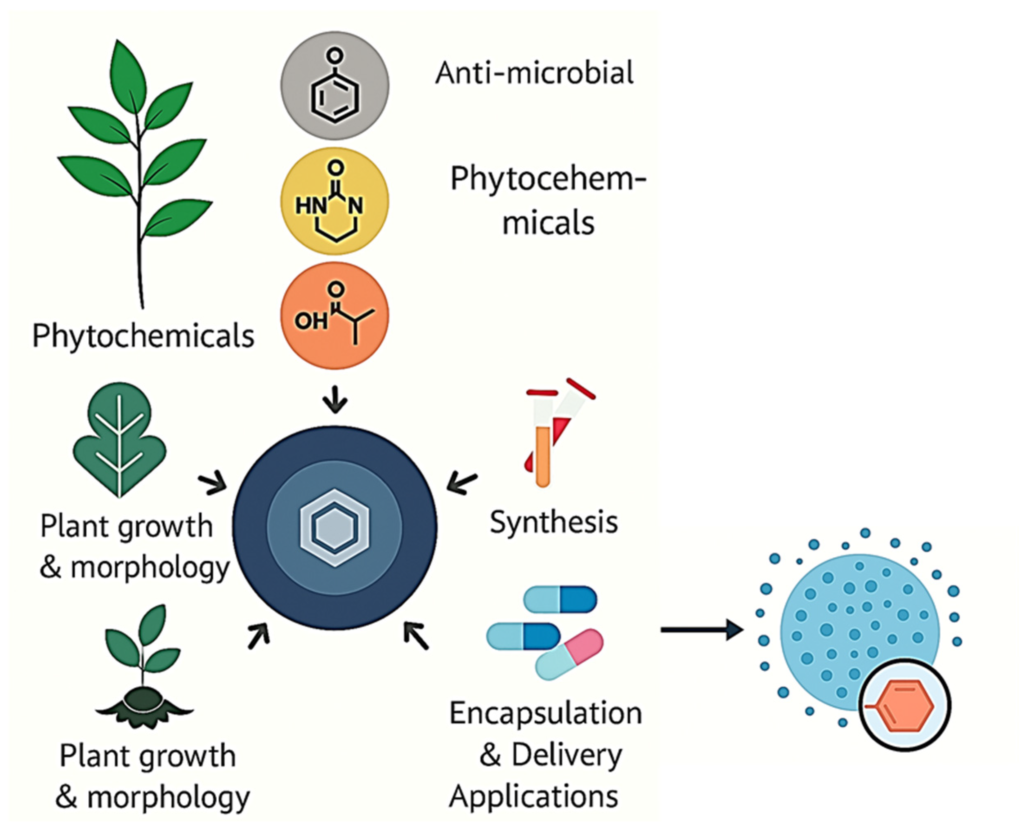
Major efforts to improve curcumin pharmacokinetics involve development of nanoformulations incorporating liposomes, cyclodextrins, polymers and other unique delivery systems, with curcumin-based nanoparticle formulations potentially circumventing poor oral absorption issues and improving deposition into tumor tissue.
These advanced delivery systems represent the next generation of phytomedicine, combining ancient wisdom with cutting-edge technology to maximize therapeutic potential while minimizing side effects.
Personalized Phytomedicine Approaches
As our understanding of cancer genetics and metabolism deepens, the future may hold personalized phytomedicine protocols tailored to individual patient profiles, tumor characteristics, and treatment responses.
Clinical Trial Expansion
More rigorous clinical trials are needed to establish optimal dosing, treatment duration, and effectiveness across different prostate cancer stages and types. Patients interested in contributing to this research should ask their oncologists about available clinical trials involving phytomedicines.
Lifestyle Factors: The Foundation of Cancer Prevention
While phytomedicines offer therapeutic potential, lifestyle modifications remain fundamental to prostate cancer prevention and management:
Dietary Patterns: Adopt a plant-rich diet emphasizing colorful fruits and vegetables, whole grains, legumes, and healthy fats while limiting red meat, processed foods, and refined sugars.
Physical Activity: Regular exercise has been consistently linked to better cancer outcomes, improved treatment tolerance, and enhanced quality of life.
Weight Management: Maintaining healthy body weight reduces inflammation and may slow cancer progression.
Stress Reduction: Chronic stress impacts immune function and overall health; prioritize stress management techniques.
Frequently Asked Questions
Can phytomedicine replace conventional prostate cancer treatment?
No, phytomedicines should not replace proven conventional treatments like surgery, radiation, or chemotherapy. There is insufficient evidence to support the use of complementary and alternative medicines for treatment of prostate cancer patients outside of clinical trials. Instead, consider phytomedicine as complementary support that may enhance conventional treatment outcomes when used under medical supervision.
How long does it take to see results from phytomedicine?
Unlike pharmaceutical drugs with rapid, targeted effects, phytomedicines typically work gradually through multiple mechanisms. Most clinical studies evaluate effects over several months. Consistency and patience are essential, as are regular monitoring and communication with your healthcare team to assess progress.
Are natural supplements always safe?
“Natural” does not automatically mean safe. Plant compounds can be potent biological agents with potential side effects and drug interactions. If you’ve been diagnosed with prostate cancer, listen to your conventional medical doctor who will guide your treatment regimen using the latest proven cancer therapies, and always check with your doctor before using any natural supplement.
What’s the most promising phytomedicine for prostate cancer?
Curcumin, a turmeric-derived polyphenol, has been extensively reported to possess antiproliferative and proapoptotic properties, making it one of the most studied and promising compounds. However, individual responses vary, and combination approaches may offer superior benefits compared to single compounds.
Should I take supplements during chemotherapy?
This requires careful discussion with your oncologist. Some supplements may interfere with chemotherapy effectiveness or increase side effects, while others might be beneficial. Timing and dosing are critical factors that must be professionally managed.
Can diet alone provide therapeutic amounts of phytochemicals?
While a plant-rich diet provides foundational benefits, achieving therapeutic concentrations of specific compounds like curcumin through food alone is challenging. Supplements may be necessary to reach doses used in clinical studies, though they should complement, not replace, healthy dietary patterns.
Is phytomedicine covered by insurance?
Most insurance plans do not cover complementary and alternative medicine approaches, including phytomedicine supplements. However, if incorporated into clinical trials or prescribed as part of integrative oncology programs, some aspects may be covered. Check with your insurance provider for specific coverage details.
Taking Action: Steps Forward
For men diagnosed with prostate cancer or those seeking preventive strategies:
- Prioritize conventional medical care: Establish care with a qualified oncologist and follow evidence-based treatment protocols.
- Research reputable sources: Seek information from peer-reviewed scientific journals, cancer research institutions, and integrative oncology programs rather than commercial supplement websites.
- Communicate openly: Maintain transparent dialogue with your healthcare team about all complementary approaches you’re considering or using.
- Start with diet: Before jumping to supplements, optimize your diet to include phytochemical-rich foods naturally.
- Choose quality supplements: If supplements are appropriate, select products from reputable manufacturers with third-party testing and quality verification.
- Monitor and adjust: Work with your healthcare providers to monitor PSA levels, symptoms, and overall health markers, adjusting approaches as needed.
- Stay informed: Cancer research evolves rapidly; stay current with emerging evidence while maintaining healthy skepticism about exaggerated claims.
Conclusion
Phytomedicine represents a bridge between ancient healing traditions and modern oncology. While these natural compounds should not replace proven conventional treatments, they offer valuable complementary options that may enhance treatment outcomes, reduce side effects, and improve quality of life for prostate cancer patients.
Many phytochemicals simultaneously target multiple cellular pathways, providing a comprehensive approach to cancer management that aligns with our growing understanding of cancer as a complex, multi-factorial disease. As research continues to validate and refine our understanding of these plant-based medicines, they will likely play an increasingly important role in integrative cancer care.
The key lies in evidence-based selection, medical supervision, and realistic expectations. Phytomedicine works best when integrated thoughtfully into comprehensive treatment plans that honor both conventional medicine’s proven effectiveness and nature’s therapeutic potential.
For those navigating a prostate cancer diagnosis, phytomedicine offers not just potential therapeutic benefits, but also a sense of empowerment—the ability to actively participate in one’s healing journey while supporting the body’s natural defenses. This holistic approach, combining the best of conventional medicine with carefully selected natural therapies, represents the future of truly integrative cancer care