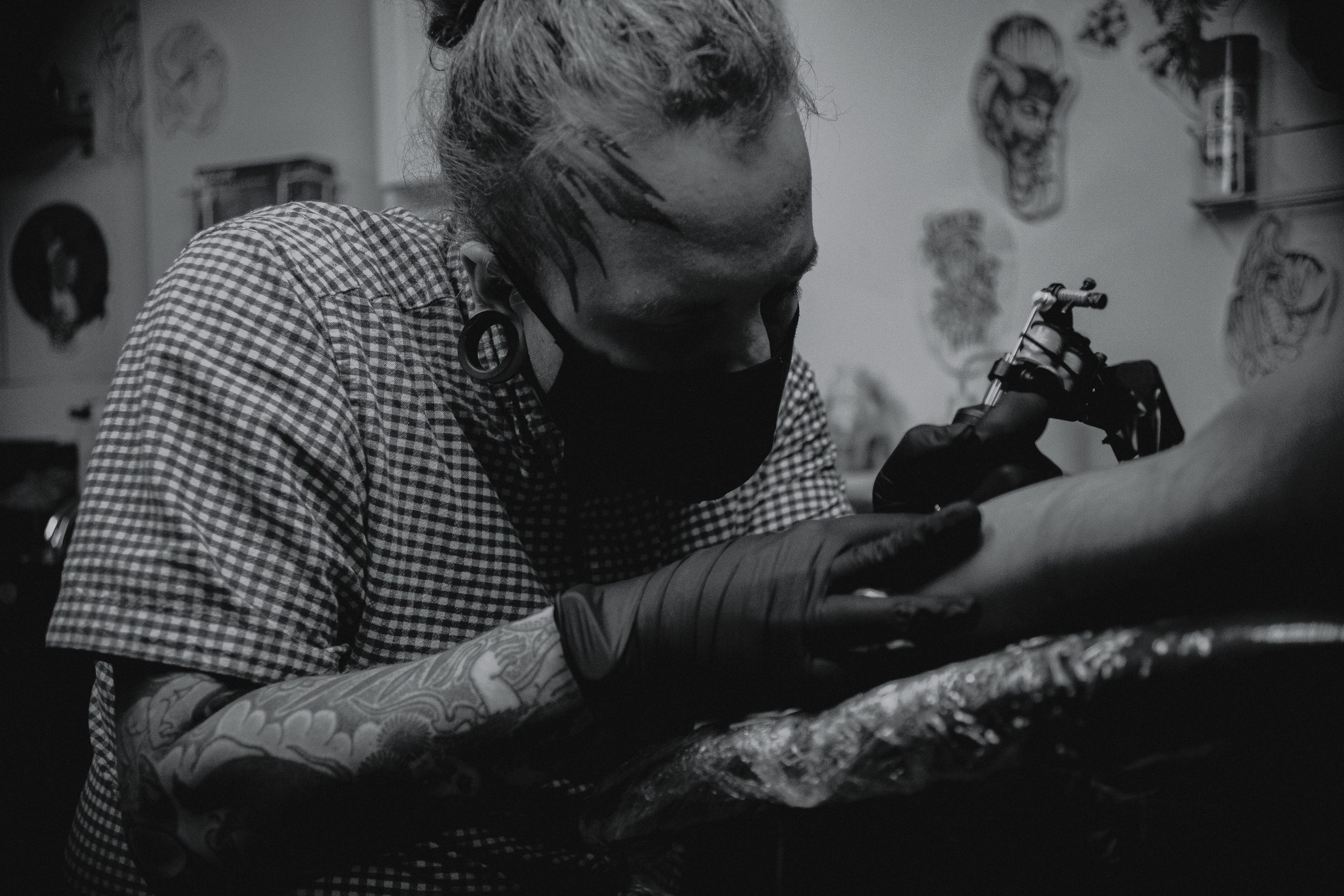

Getting a tattoo is a significant decision that combines art, self-expression, and permanent body modification. Whether you’re considering your first tattoo or adding to your collection, understanding the process, aftercare, and cultural significance can help ensure you make choices you’ll be happy with for years to come.
Introduction
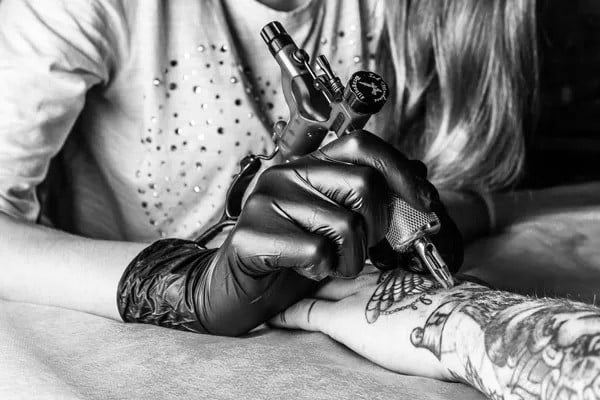
Tattoos are created by inserting ink beneath the skin’s surface using needles. The ink particles are too large for the body to remove completely, resulting in permanent designs. Modern tattoo machines use electromagnetic coils to drive needles up and down at a rate of 50 to 3,000 times per minute, depositing ink in the dermis which is the second layer of the skin.
The History of Tattoos
Tattooing has been practiced across cultures for thousands of years:
- Evidence of tattoos has been found on mummies dating back to 3370 BCE
- In Polynesian cultures, tattoos (tatau) represented social status and spiritual beliefs
- Japanese traditional tattooing (irezumi) dates back to the Jomon period (10,000 BCE)
- Western tattooing gained popularity through sailors and later through the counterculture movements of the 20th century
Today, tattoos have evolved from markers of social status or rebellion to mainstream art forms embraced by people from all walks of life.
Popular Tattoo Styles and Designs
Modern tattooing encompasses numerous artistic styles:
- Traditional/Old School
Bold black outlines, limited color palette, and classic imagery like anchors, roses, and swallows.
- Neo-Traditional
Similar to traditional but with a broader color palette and more detailed imagery.
- Realistic
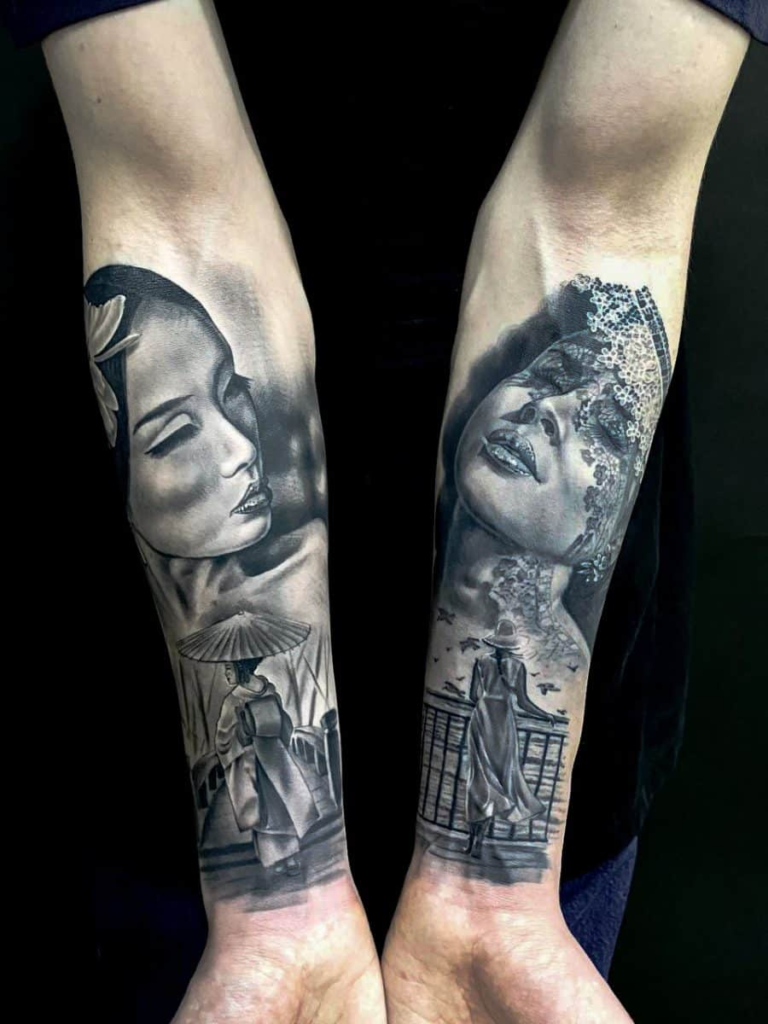
Detailed designs that mimic photographs or realistic imagery, often portraiture.
- Watercolor
Mimics the flowing, colorful appearance of watercolor paintings, often with minimal outlines.
- Blackwork
Uses solid black ink to create bold designs, often geometric or tribal-inspired.
- Japanese (Irezumi)
Traditional Japanese imagery like koi fish, dragons, and cherry blossoms in a distinctive style.
- Minimalist
Simple line work, small designs, and negative space.
- Tribal
Bold black patterns inspired by indigenous tattooing traditions from Polynesia, Micronesia, and other cultures.
Finding the Right Tattoo Artist for Your Vision
The relationship between you and your tattoo artist is crucial to achieving the design you want:
- Research thoroughly: Look at portfolios on social media, websites, and in studios.
- Consider specialization: Choose an artist who excels in the style you want.
- Check credentials: Ensure they have proper licensing and follow health regulations.
- Schedule a consultation: Discuss your ideas, get a feel for their personality, and ensure communication is clear.
- Trust their artistic input: Experienced artists know what designs work best on skin and can help refine your ideas.
Preparing for Your Tattoo Session: What to Expect
Proper preparation helps ensure the best tattooing experience:
- Stay hydrated and well-fed: Drink plenty of water in the days leading up to your appointment and eat a substantial meal before going in.
- Avoid alcohol and blood thinners: Both can increase bleeding during tattooing.
- Get enough sleep: Being well-rested helps your body handle the stress of tattooing.
- Wear appropriate clothing: Choose items that allow easy access to the area being tattooed.
- Bring entertainment: Sessions can last hours, so bring headphones, a book, or something to pass the time.
- Plan for payment: Most artists accept cash, and many now take cards. Don’t forget to include a tip (typically 15-20%).
The Tattooing Process: Step by Step
Understanding what happens during a tattoo session can help ease anxiety:
- Design finalization: The artist will show you the final design and make any last adjustments.
- Area preparation: The skin is cleaned and shaved, and a stencil is applied.
- Stencil approval: You’ll approve the placement and size before tattooing begins.
- The tattoo process: The artist uses a tattoo machine to insert ink into your skin.
- Breaks as needed: You or the artist might need periodic breaks, especially for longer sessions.
- Cleaning and wrapping: Once complete, the artist will clean the area and apply a protective covering.
Understanding Tattoo Pain and How to Manage It
Pain levels vary based on location, your pain tolerance, and the tattoo style:
- Less painful areas: Outer shoulders, outer thighs, and forearms
- Moderately painful areas: Inner forearms, calves, and upper/lower back
- More painful areas: Ribs, sternum, neck, hands, feet, and joints
Pain management tips:
- Use numbing creams (with artist approval)
- Practice deep breathing techniques
- Stay distracted with conversation or entertainment
- Take breaks when needed
Aftercare: Ensuring Proper Healing
Proper aftercare is crucial for the longevity and appearance of your tattoo:
Immediate Aftercare (First 3-5 Days)
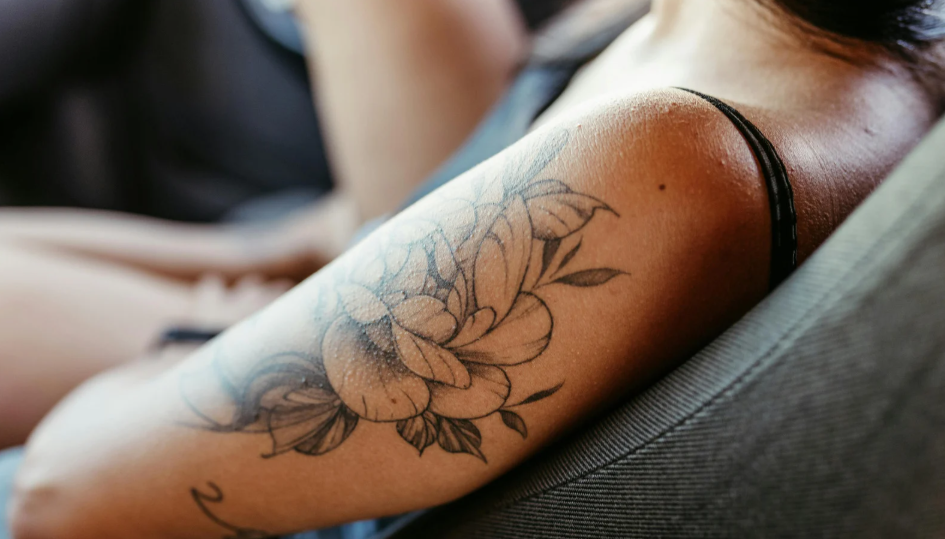
- Keep the bandage on for the time recommended by your artist (typically 2-24 hours)
- Wash gently with fragrance-free soap and warm water
- Apply a thin layer of recommended tattoo-specific aftercare product
- Avoid soaking in water (no baths, pools, hot tubs)
- Wear loose clothing to avoid friction
Ongoing Care (Weeks 1-4)
- Continue washing and moisturizing 2-3 times daily
- Avoid direct sunlight on the tattoo
- Don’t pick at scabs or flaking skin
- Avoid strenuous activities that cause excessive sweating in the first week
Long-Term Care
- Use sunscreen (SPF 30+) on tattooed areas when exposed to sun
- Keep skin moisturized to maintain vibrancy
- Touch-ups may be needed after several years
Potential Risks and Complications
While tattooing is generally safe when performed by professional artists in clean environments, it’s important to understand the potential risks and complications that can occur. Being informed helps you recognize warning signs early and take appropriate action if needed.
Infection Risks
Infections are among the most common complications and can range from mild to severe:
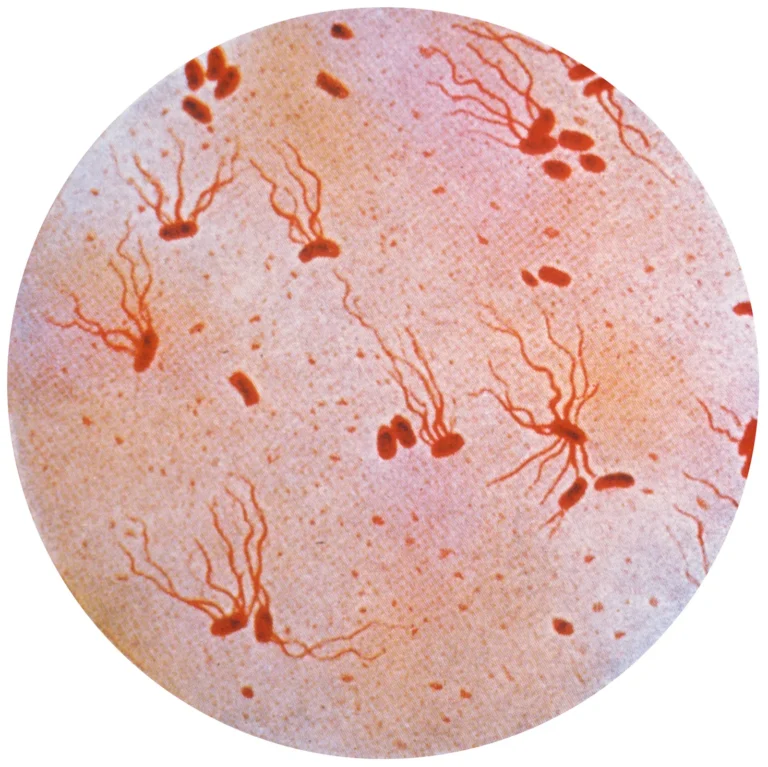
- Bacterial infections: Can occur when non-sterile equipment is used or proper aftercare isn’t followed
- Warning signs: Excessive redness, swelling that worsens after 2-3 days, unusual warmth, pus discharge, red streaking from the tattoo, fever
- Serious infections: In rare cases, infections like MRSA (Methicillin-resistant Staphylococcus aureus) can develop, requiring medical intervention
- Bloodborne infections: Extremely rare when visiting licensed artists, but theoretically possible are hepatitis B, hepatitis C, or HIV from contaminated equipment
Allergic Reactions
Your body may react to components in tattoo ink:
- Acute allergic reactions: Rashes, hives, or excessive swelling immediately after tattooing
- Delayed reactions: Can develop years after getting tattooed
- Ink sensitivities: Red ink is most commonly associated with allergic reactions, followed by yellow and green
- Chronic reactions: Some people develop persistent itching, swelling, or scaling at the tattoo site
- UV sensitivity: Some inks, particularly yellow, can cause heightened sensitivity to sunlight
Skin Complications
The tattooing process and healing can lead to various skin issues:
- Keloid formation: Raised, thickened scars that extend beyond the original tattoo lines
- Hypertrophic scarring: Raised scars that remain within the boundaries of the original wound
- Granulomas: Inflamed tissue nodules that form around tattoo ink particles
- Lichenoid reactions: Itchy, purple-tinted patches that develop in response to ink
- Photosensitivity: Some tattoos, especially black ones, can become raised or irritated when exposed to sunlight
MRI Complications
Tattoo ink can occasionally interact with medical procedures:
- Pulling sensation: Some metallic compounds in tattoo pigments can react to the magnetic field in an MRI
- Heating sensation: Tattoo pigments can sometimes heat up during an MRI procedure
- Image interference: In rare cases, tattoos can create “artifacts” or shadows on imaging results
- Preventive measures: Always inform medical professionals about your tattoos before undergoing such procedures
Long-term Health Considerations
Research on long-term effects is still evolving:
- Lymph node impact: Tattoo ink particles can migrate to lymph nodes over time
- Toxicity concerns: Some older or low-quality inks may contain heavy metals or potentially harmful compounds
- Skin changes with aging: As skin changes with age, tattoos may blur, fade, or distort
- Sun damage acceleration: Tattooed skin may be more susceptible to UV damage in some cases
Psychological Impacts
Mental and emotional risks should also be considered:
- Tattoo regret: Studies suggest up to 25% of people with tattoos experience some regret
- Identity changes: As personal values evolve, tattoo symbolism may no longer resonate
- Social stigma: Despite increasing acceptance, visible tattoos can still face discrimination in certain contexts
- Addiction potential: Some individuals develop “tattoo addiction,” compulsively adding more without careful consideration
Preventing Complications
Taking these precautions significantly reduces your risk of complications:
- Research artists thoroughly: Check portfolios, read reviews, and verify licensing
- Visit the studio beforehand: Ensure it’s clean, uses single-use needles, and follows proper sterilization procedures
- Avoid DIY or “scratchers”: Amateur tattoos significantly increase all health risks
- Disclose medical conditions: Tell your artist about allergies, skin conditions, immune disorders, or medications
- Follow aftercare instructions precisely: Most complications occur due to improper aftercare
- Seek medical attention promptly: Don’t wait if you notice signs of infection or unusual reactions
When to See a Doctor
Consult a healthcare provider immediately if you experience:
- Fever or chills after getting tattooed
- Pus or foul-smelling discharge from the tattoo
- Red streaks extending from the tattoo site
- Extreme pain, swelling, or tenderness
- Tattoo area that feels hot to the touch
- Rash or hives that spread beyond the tattoo
- Hard, raised tissue developing in or around the tattoo
Taking these warning signs seriously can prevent minor complications from becoming serious health concerns.
The Cost of Tattoos
Tattoo pricing varies widely based on:
- Artist experience and reputation: Well-known artists command higher rates
- Geographical location: Urban areas typically have higher prices
- Design complexity: Detailed work takes more time and skill
- Size and placement: Larger tattoos and difficult placements cost more
Most artists charge either by the hour ($100-300/hour) or by the piece. Always remember:
- Good tattoos aren’t cheap, and cheap tattoos aren’t good
- Include a 15-20% tip for your artist
- Budget for potential touch-ups
Tattoo Removal
If you change your mind, removal options include:
- Laser removal: Most effective method, requires multiple sessions
- Surgical excision: For smaller tattoos, involves cutting out tattooed skin
- Dermabrasion: Sanding down skin layers to remove ink
All removal methods:
- Are more expensive than getting the tattoo
- Can be painful
- May not completely remove all ink
- Can leave scarring
Tattoos in the Workplace: Changing Perceptions
While professional attitudes toward tattoos are evolving:
- Many corporate environments have relaxed policies regarding visible tattoos
- Some industries (healthcare, law, finance) may still have restrictions
- Consider placement if you work in a conservative field
- Hand, neck, and face tattoos (often called “job stoppers”) still face the most stigma
Tattoos and Health Considerations
Certain health conditions may affect your ability to get tattooed safely:
- Compromised immune systems: Increased infection risk
- Blood disorders: May affect healing and increase complications
- Skin conditions: Psoriasis, eczema, etc. can affect how ink takes and heals
- Pregnancy: Most reputable artists won’t tattoo pregnant women
- Diabetes: May impact healing process
Always consult with healthcare providers if you have underlying conditions.
Cultural Significance and Appropriation
Tattoos hold deep cultural meaning in many societies:
- Māori tā moko: Traditional facial tattoos with specific genealogical significance
- Samoan pe’a: Traditional male tattoos covering the lower body
- Thai sak yant: Sacred geometric designs with spiritual protection properties
When selecting designs with cultural elements:
- Research their origins and meanings
- Consider whether using these symbols respects their cultural context
- Consult with artists knowledgeable about the tradition
- Avoid reducing sacred or significant symbols to purely aesthetic choices
Frequently Asked Question (FAQs)
Before committing, ask yourself:
- Why do I want this specific design?
- Will I still appreciate this design years from now?
- How might this tattoo affect my professional opportunities?
- Can I afford to have this done by a quality artist?
- Am I prepared for the maintenance and potential touch-ups?
- How does this design fit with my existing or planned future tattoos?
Conclusion: Making an Informed Decision
Tattoos are a powerful form of self-expression and art that have been part of human culture for millennia. By understanding the process, finding the right artist, and committing to proper aftercare, you can ensure your tattoo experience is positive and results in artwork you’ll be proud to wear for a lifetime. Remember that thoughtful planning and research are the foundations of tattoo satisfaction, whether you’re getting your first piece or adding to an extensive collection.