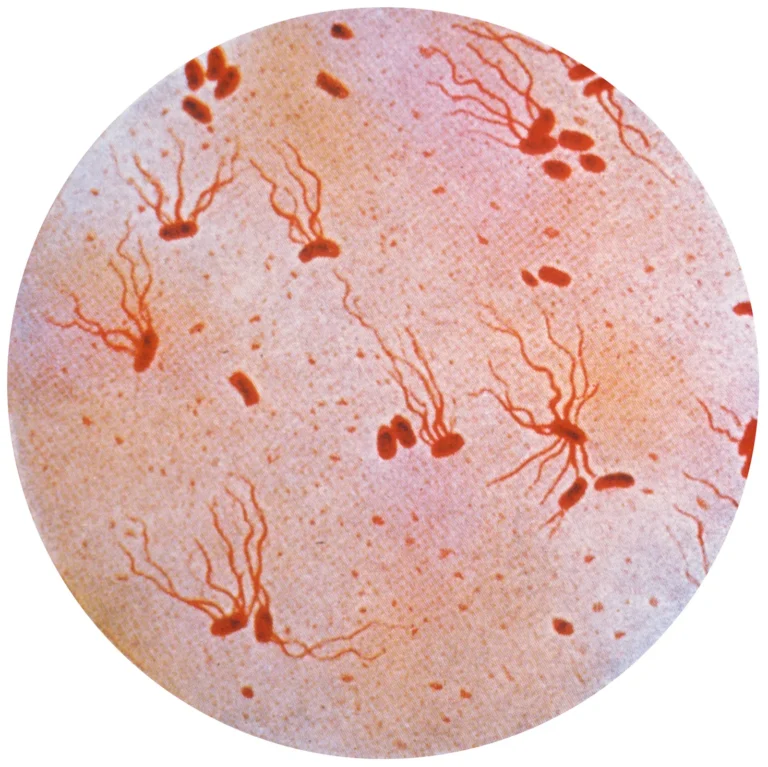


Discover the causes, symptoms, diagnosis, and prevention strategies for Rift Valley Fever, a deadly mosquito-borne disease affecting both humans and animals. Learn how timely awareness and control measures can save lives and protect communities.
Introduction

Rift Valley Fever (RVF) is one of the most feared zoonotic diseases in Africa, the Arabian Peninsula, and increasingly, new territories worldwide. This mosquito-borne viral infection is caused by the Rift Valley Fever virus (RVFV), it poses serious health threats to both humans and animals, especially livestock such as sheep, cattle, and goats. With its potential to cause large-scale outbreaks, RVF has drawn global attention as a re-emerging infectious disease with devastating socio-economic and public health implications.
In this comprehensive guide, we will explore the origins, symptoms, transmission, diagnosis, and prevention of Rift Valley Fever, helping you understand how to stay protected and support global efforts to control its spread.
What is Rift Valley Fever?
Rift Valley Fever is an acute viral disease caused by the Rift Valley Fever virus, a member of the Phlebovirus genus that primarily affects animals but can also infect humans, with most human infections resulting from contact with the blood or organs of infected animals. The disease emerged into scientific awareness in 1931 when researchers investigated mysterious deaths and spontaneous abortions sweeping through sheep populations in Kenya’s Rift Valley region. Since that initial discovery, the virus has expanded its geographical reach, triggering devastating outbreaks that combine agricultural catastrophe with public health emergencies.
The causative agent belongs to the Phlebovirus genus, a family of viruses transmitted primarily through mosquito vectors. Unlike many diseases that remain confined to specific regions, Rift Valley Fever demonstrates alarming potential for geographical expansion. The year 2000 marked a pivotal moment when outbreaks occurred in Saudi Arabia and Yemen, representing the first time the disease appeared outside Africa, signaling the pathogen’s capacity to breach traditional boundaries and threaten new populations.
Recent surveillance data paints a concerning picture of the disease’s trajectory. Between 2010 and 2024, researchers documented 67 RVF outbreaks across Uganda, Rwanda, Kenya, Tanzania, Burundi, and South Sudan, impacting both animal and human populations with confirmed cases and fatalities. This persistent pattern demonstrates that Rift Valley Fever represents not merely an isolated threat but an ongoing challenge requiring sustained vigilance and coordinated response mechanisms.
Historical Background of Rift Valley Fever
The disease was first identified in 1931 during an outbreak among sheep in Kenya’s Rift Valley. Since then, RVF outbreaks have been reported in various African nations and parts of the Arabian Peninsula. According to the World Health Organization (WHO), major outbreaks have occurred in countries like Kenya, Somalia, Tanzania, South Africa, Egypt, and Saudi Arabia, often following heavy rainfall and flooding, which favor mosquito breeding.
In recent years, climate change and globalization have raised concerns about the potential spread of RVF to new regions, including parts of Europe and Asia.
Causes and Transmission
RVF is caused by a virus transmitted primarily through mosquito bites, particularly from the Aedes and Culex species. Transmission can also occur through:
- Direct contact with the blood or organs of infected animals during slaughtering or veterinary procedures.
- Inhalation of aerosols containing the virus during laboratory handling or animal processing.
- Consumption of raw or unpasteurized milk from infected animals.
Human-to-human transmission is extremely rare, but controlling mosquito populations remains key to preventing outbreaks.
Symptoms of Rift Valley Fever in Humans
Rift Valley Fever symptoms usually appear 2 to 6 days after infection. Most cases are mild, but some can become severe. The symptoms include:
Mild Form
- Fever and chills
- Headache and muscle pain
- Fatigue and weakness
- Nausea or vomiting
Severe Forms
- Ocular Form: Causes vision problems, including retinal lesions that can lead to partial or total blindness.
- Encephalitic Form: Involves brain inflammation, confusion, seizures, and in some cases, long-term neurological damage.
- Hemorrhagic Form: The most severe and often fatal, causing internal bleeding, jaundice, and blood in vomit or stool.
The fatality rate for severe cases can range from 10% to 50%, depending on the outbreak’s intensity and the quality of healthcare available.
Rift Valley Fever in Animals
In livestock, RVF leads to:
- High mortality in newborn animals, especially lambs and calves.
- Mass abortions among pregnant livestock.
- Loss of meat, milk, and trade income, severely affecting rural economies.
During outbreaks, the economic damage can be devastating. According to the Food and Agriculture Organization (FAO), RVF can disrupt international livestock trade and threaten food security in affected regions.
Diagnosis of Rift Valley Fever
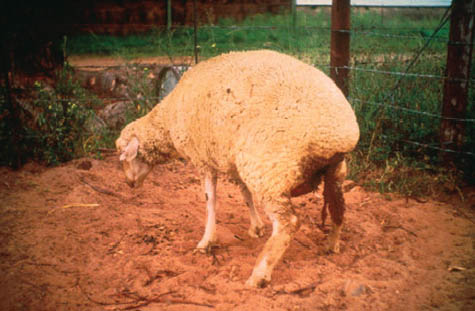
Diagnosing RVF requires laboratory testing since its early symptoms resemble other diseases such as malaria or dengue. Common diagnostic methods include:
- RT-PCR (Reverse Transcription Polymerase Chain Reaction) to detect viral RNA.
- ELISA (Enzyme-Linked Immunosorbent Assay) for detecting antibodies.
- Virus isolation tests in specialized labs.
Because the virus poses biosafety risks, diagnostic procedures should only be conducted in high-containment laboratories (BSL-3 or higher).
Prevention and Control Strategies
While there is no specific antiviral treatment for RVF, prevention remains the most effective defense. Here are key strategies:
1. Vaccination of Animals
Vaccinating livestock is the cornerstone of RVF prevention. However, vaccines must be used cautiously, as some live vaccines can cause abortions in pregnant animals.
2. Mosquito Control
- Eliminate stagnant water sources.
- Use insect repellents and bed nets.
- Employ community-level mosquito surveillance and control programs.
3. Public Awareness
Educating farmers, veterinarians, and communities about RVF transmission is crucial to reducing risk.
4. Safe Animal Handling Practices
- Avoid contact with animal blood or organs.
- Wear protective gloves and masks when slaughtering animals.
- Boil or pasteurize milk before consumption.
5. Monitoring and Early Warning Systems
Linking meteorological data with mosquito surveillance helps predict and prevent outbreaks. Regional collaboration between countries in East and West Africa has significantly improved outbreak preparedness.
Treatment and Management
Currently, no licensed antiviral drug exists for RVF. Treatment focuses on supportive care, including hydration, pain management, and monitoring for complications. In severe cases, hospitalization is necessary to manage bleeding and organ failure.
Impact of Rift Valley Fever on Public Health and Economy
RVF outbreaks not only endanger lives but also devastate economies dependent on livestock. During the 2006–2007 Kenya outbreak, more than 1,000 human cases and 300 deaths were reported, alongside enormous losses in the livestock sector. Export bans, reduced meat production, and decreased milk supply led to significant economic setbacks for local communities.
Moreover, healthcare systems in affected regions often become overwhelmed, highlighting the need for stronger surveillance and rapid response systems.
Global and Regional Response Efforts
International organizations such as the World Health Organization (WHO), Centers for Disease Control and Prevention (CDC), and Food and Agriculture Organization (FAO) have collaborated to strengthen regional surveillance and public health interventions.
For detailed guidance, visit WHO’s resource on Rift Valley Fever.
Internally, you can also learn more about related zoonotic diseases and health education efforts on Chiid Health, which offers insights into various infectious diseases and prevention strategies.
How to Protect Yourself and Your Community
- Stay informed about RVF outbreaks in your area.
- Avoid handling sick or dead animals without protective gear.
- Use mosquito repellents and sleep under treated nets.
- Support local health campaigns focused on disease control.
Community cooperation and awareness remain the strongest tools for preventing the next outbreak.
Frequently Asked Questions (FAQs)
1. Can Rift Valley Fever spread from person to person?
No. There is no evidence of human-to-human transmission. Infection usually occurs through mosquito bites or direct contact with infected animals.
2. Is there a vaccine for humans?
Currently, there is no approved human vaccine for RVF, though research is ongoing.
3. How can communities prepare for an outbreak?
Communities can prepare by monitoring rainfall patterns, reporting livestock illnesses early, and implementing mosquito control programs.
4. What should farmers do if their livestock show signs of RVF?
Farmers should report immediately to veterinary authorities and avoid slaughtering or selling affected animals to prevent further spread.
5. Can Rift Valley Fever affect pets?
RVF primarily affects livestock; domestic pets such as dogs and cats are rarely infected.
Conclusion
Rift Valley Fever is a serious but preventable disease. Through vaccination of livestock, community education, and improved surveillance, the threat of future outbreaks can be greatly reduced. Governments and individuals must work together to promote safe farming practices, vector control, and timely outbreak response.
Raising awareness and investing in public health systems remain the surest ways to safeguard lives and livelihoods from this deadly virus.