
Learn science-backed sleep hygiene habits to improve sleep quality, boost mood and focus, and reduce disease risk. Practical tips, a 7-day reset, and when to seek help.
Slug: sleep-hygiene-better-sleep-wellbeing
Introduction
Sleep is a biological necessity, not a luxury. It restores the brain and body, stabilizes mood, powers the immune system, and supports metabolism, memory, and learning. Yet many adults consistently sleep less than they need, often because of irregular routines, late-night screens, work demands, or stress. The consequence is more than daytime sleepiness; chronic insufficient or poor-quality sleep raises the risk of obesity, diabetes, cardiovascular disease, depression, accidents, and reduced work performance.
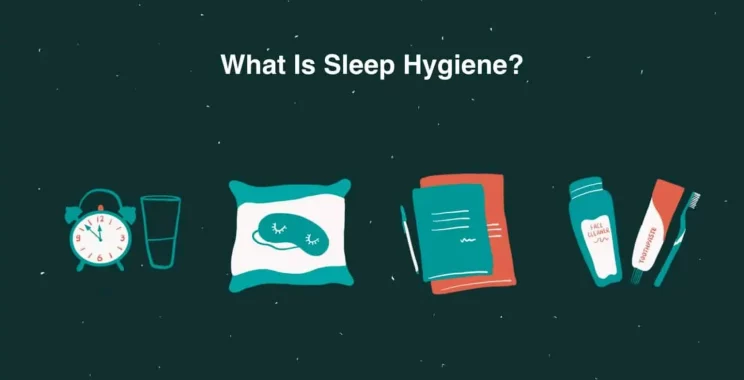
“Sleep hygiene” refers to daily behaviors and environmental conditions that promote healthy, restorative sleep. Unlike quick fixes, strong sleep hygiene practices are simple habits that compound over time. This guide explains why sleep matters, how much you need, the science behind sleep, common barriers, and practical steps to build a reliable sleep routine for better overall well-being.
Why Sleep Matters

Quality sleep improves nearly every system in the body:
- Cognitive health: Sleep supports attention, learning, decision-making, creativity, and memory consolidation. During deep sleep, the brain strengthens neural connections formed during the day; during REM sleep, it integrates emotions and experiences.
- Metabolic and endocrine function: Sleep regulates appetite hormones. Insufficient sleep elevates ghrelin (hunger) and lowers leptin (satiety), driving cravings for energy-dense foods. It also impairs insulin sensitivity, increasing diabetes risk.
- Cardiovascular health: Regular, deep sleep lowers sympathetic nervous system activity and blood pressure, reduces inflammation, and supports vascular repair.
- Immune function: During sleep, the immune system releases cytokines and antibodies that defend against infection and promote recovery. Short sleep duration is associated with higher rates of respiratory infections.
- Mental health: Healthy sleep buffers stress, stabilizes mood, and lowers the risk of anxiety and depression. Chronic insomnia often co-occurs with mood disorders and can worsen their course.
- Pain regulation and injury recovery: Adequate sleep reduces pain perception and supports tissue repair, which is why athletes track sleep as closely as training.
How Much Sleep Do You Need?
Guidelines vary by age and life stage. Most healthy adults require 7–9 hours of sleep per night. A practical way to judge adequacy is by daytime function: you should wake without an alarm most days, feel alert through the afternoon, and maintain stable mood and focus.
Typical nightly targets:
- School-age children: 9–12 hours
- Teens: 8–10 hours
- Adults 18–64: 7–9 hours
- Adults 65+: 7–8 hours
Pregnancy, illness, heavy training, or shift work may increase needs temporarily.
The Science of Sleep: What Governs When You Feel Tired
Two systems coordinate sleep:
- Circadian rhythm: An internal 24-hour clock synchronized by light and darkness. Morning light exposure advances this clock and anchors wakefulness; dim evening light allows melatonin release, promoting sleepiness.
- Sleep homeostasis: The longer you are awake, the more sleep pressure builds, driven in part by adenosine accumulation in the brain. Sleep dissipates this pressure.
Sleep occurs in cycles of non-REM (stages N1, N2, N3/deep sleep) and REM sleep, each with distinct roles. Deep sleep is especially restorative for body repair and memory consolidation; REM supports emotional processing and creativity. Adults pass through four to six cycles per night, each about 90 minutes.
Signs Your Sleep Hygiene Needs Work
- Taking longer than 30 minutes to fall asleep or waking frequently
- Regularly feeling unrefreshed or needing long naps
- Heavy reliance on caffeine to function
- Daytime sleepiness while driving or in meetings
- Irregular bed and wake times
- Snoring, gasping, or observed breathing pauses during sleep
- Restless or painful legs at night
- Morning headaches or dry mouth
Persistent symptoms warrant a conversation with a healthcare professional; treatable sleep disorders are common and often overlooked.
Common Barriers to Healthy Sleep
- Irregular schedules, late-night work, or shift rotations
- Evening exposure to bright light and screens that suppress melatonin
- Caffeine, nicotine, and alcohol close to bedtime
- Heavy meals, spicy foods, or excess fluids late in the evening
- Sedentary days with little daylight exposure
- Stress, worry, or rumination at night
- Uncomfortable sleep environment: heat, noise, light, or an unsupportive mattress
- Medical conditions such as pain, reflux, frequent urination, anxiety, depression, or sleep apnea
The Sleep Hygiene Toolkit: Evidence-Informed Habits
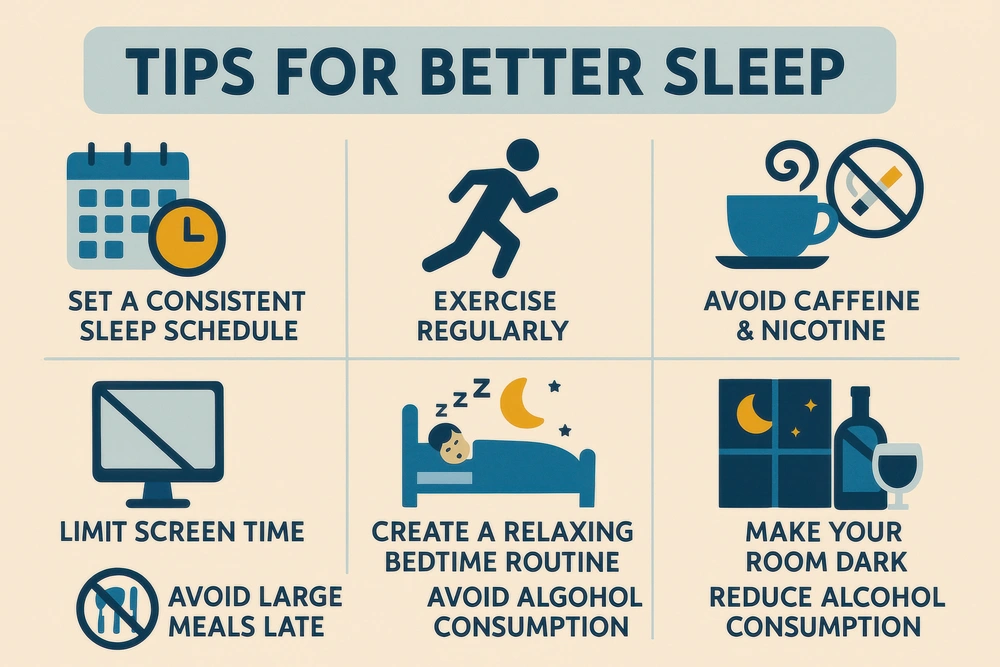
- Keep a consistent schedule
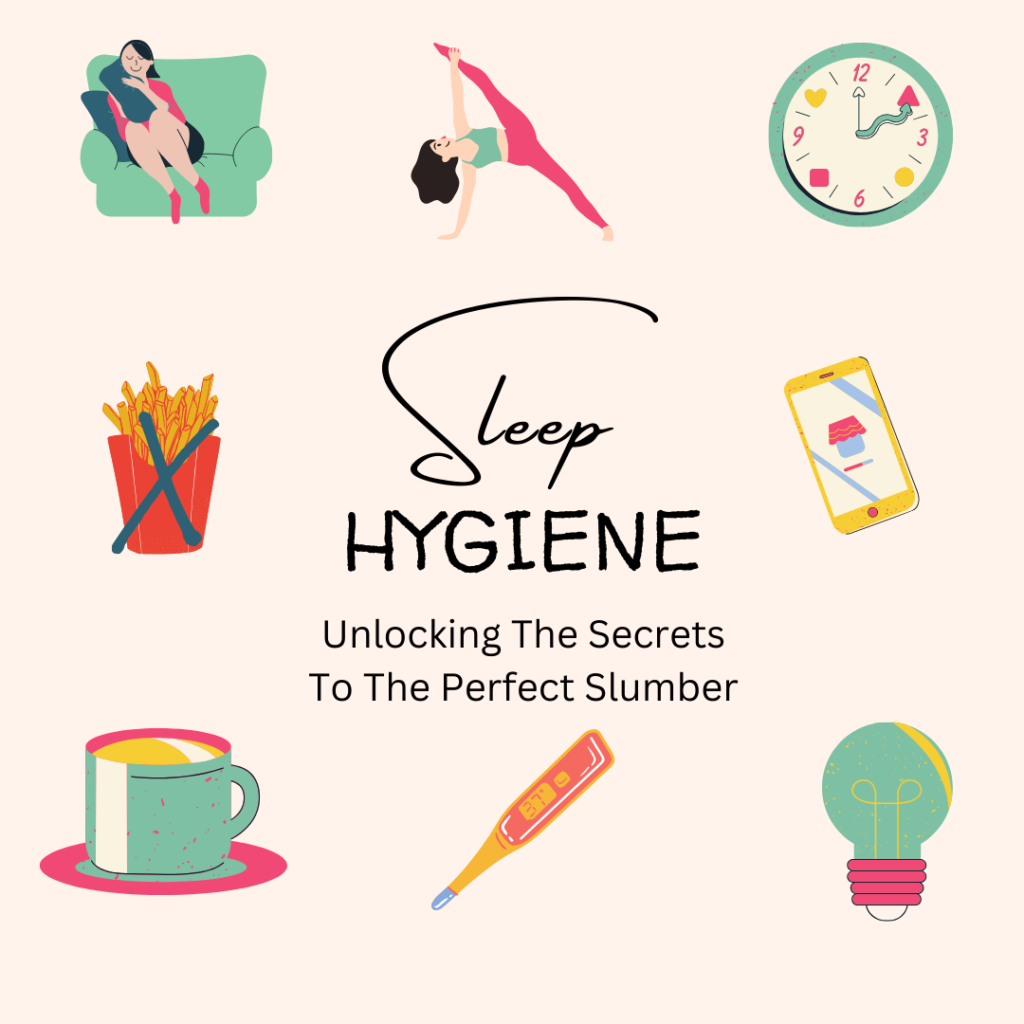
Choose a realistic sleep window and stick to it daily, including weekends. Anchor your wake time first; build bedtime backward to ensure 7–9 hours in bed. - Get morning light, dim evening light
Spend 10–30 minutes outside in early daylight to set your circadian clock. After sunset, lower household lights and reduce screen brightness. If you must use screens, enable night-mode or blue-light-reduction features. - Create a wind-down routine
Dedicate the final 30–60 minutes before bed to quiet activities: reading printed material, light stretching, a warm shower, gentle breathing, or journaling. Keep routines predictable so your brain associates them with sleep onset. - Optimize the sleep environment
Aim for a cool room (generally 17–19°C/63–66°F for most people), minimal noise and light, and a comfortable mattress and pillow. Consider blackout curtains, a white-noise machine or fan, and removing blinking electronics. - Be smart with caffeine, nicotine, and alcohol
Caffeine’s half-life averages 5–7 hours; many people sleep better if they avoid caffeine after midday. Nicotine is a stimulant and disrupts sleep architecture. Alcohol may hasten sleep onset but fragments sleep later in the night and reduces REM; limit intake and finish drinking several hours before bed. - Time meals and fluids
Large meals close to bedtime can cause reflux or discomfort. Finish heavy dinners 3–4 hours before bed. If you are thirsty at night, sip rather than chug to reduce awakenings to urinate. - Move during the day
Regular physical activity improves sleep quality and deep sleep. Time intense workouts earlier if late-evening sessions leave you wired; gentle stretching or yoga at night is usually fine. - Manage stress proactively
Try a brief nightly practice: write a to-do list for tomorrow, note three gratitudes, or use a 5–10 minute breathing exercise (for example, inhale 4 seconds, exhale 6 seconds) to reduce sympathetic activation. If rumination is persistent, cognitive behavioral therapy for insomnia (CBT-I) is the gold-standard, non-drug treatment. - Use naps strategically
Short “power naps” of 10–20 minutes can restore alertness. Avoid napping after mid-afternoon and keep naps brief to protect nighttime sleep. - Reserve the bed for sleep and intimacy
Train your brain to associate bed with sleep. If you cannot fall asleep within about 20–30 minutes, get up, do a quiet activity in dim light, and return to bed when sleepy. - Evaluate medications and supplements
Some prescriptions and over-the-counter products (decongestants, some antidepressants, steroids) can impair sleep; review with your clinician. Melatonin can be helpful for circadian issues (jet lag, shift work), but it is not a sedative and is best used in low doses and proper timing.
Special Considerations
Shift workers
- Keep a stable schedule when possible.
- Use bright light during work and wear sunglasses on your commute home to reduce morning light exposure.
- Sleep in a dark, cool room with blackout curtains or an eye mask; employ white noise to block daytime sounds.
- Strategic caffeine early in the shift only; avoid after the midpoint.
- Consider a brief nap before the night shift and a short “anchor” sleep period even on days off.
New parents and caregivers
- Nap when the baby naps, even if brief.
- Share nighttime duties when possible.
- Prioritize a wind-down routine to fall asleep faster when opportunities arise.
Students
- Maintain consistent wake times, even during exam periods.
- Avoid all-nighters; performance, memory consolidation, and mood suffer.
- Limit evening energy drinks and late heavy meals.
Older adults
- Sensitivity to caffeine and nocturia often increase with age.
- Expose yourself to morning light, maintain daytime activity, and address pain or medical issues that interrupt sleep.
- If you frequently doze during the day, evaluate nighttime sleep quality and medications with your clinician.
When to Seek Medical Help
Consult a healthcare professional if you experience any of the following:
- Insomnia (difficulty initiating or maintaining sleep) at least three nights per week for three months despite good sleep hygiene
- Loud snoring, choking, or observed breathing pauses (possible obstructive sleep apnea)
- Excessive daytime sleepiness, falling asleep in unsafe situations
- Restless legs, unpleasant urges to move legs at night, or leg jerks that disrupt sleep
- Persistent nightmares, sleepwalking, or acting out dreams
- Chronic pain, reflux, depression, or anxiety disrupting sleep
Treatments may include CBT-I, treatment of underlying conditions, sleep studies for apnea, or tailored medical therapies.
Myths and Facts
Myth: You can catch up on all lost sleep over the weekend.
Fact: Weekend sleeping-in only partially repays sleep debt and can shift your body clock, making Sunday night harder. Consistency works better.
Myth: Snoring is harmless.
Fact: Snoring can signal obstructive sleep apnea, particularly if accompanied by daytime sleepiness, witnessed apneas, or morning headaches.
Myth: Alcohol helps you sleep.
Fact: Alcohol may make you drowsy but fragments sleep and reduces REM, leaving you less restored.
Myth: Everyone needs exactly eight hours.
Fact: Sleep needs vary. Most adults need 7–9 hours; judge by daytime function and mood.
Myth: Watching TV in bed helps you relax.
Fact: Bright light and engaging content delay sleep and associate the bed with wakefulness.
A Simple 7-Day Sleep Reset
Day 1: Set a fixed wake time and commit to it for the next week. Get 15–30 minutes of morning light.
Day 2: Remove screens from the bedroom. Charge devices outside or use do-not-disturb.
Day 3: Establish a 45-minute wind-down routine. Choose quiet activities and repeat nightly.
Day 4: Audit caffeine. Stop after midday; track changes in sleep latency and awakenings.
Day 5: Optimize the bedroom: cool temperature, blackout curtains, white noise, comfortable bedding.
Day 6: Add daytime movement: a brisk 30-minute walk or moderate workout.
Day 7: Review your week. Keep what worked; adjust what didn’t. If persistent problems remain, consider a sleep diary and discuss with a clinician.
Conclusion
Good sleep is one of the most effective, affordable health interventions available. By aligning your schedule with your circadian rhythm, limiting late-day stimulants and light, developing a reliable wind-down routine, and optimizing your sleep environment, you can improve sleep depth and continuity. The payoff is broad: clearer thinking, steadier mood, stronger immunity, better metabolic health, and a lower risk of chronic disease. Make sleep a protected, consistent priority and your overall well-being will follow.