
Explore the latest in RSV vaccine developments in the U.S. — from approvals and effectiveness to recommendations, safety, and uptake challenges. Stay informed about this trending health topic in 2025.
Introduction
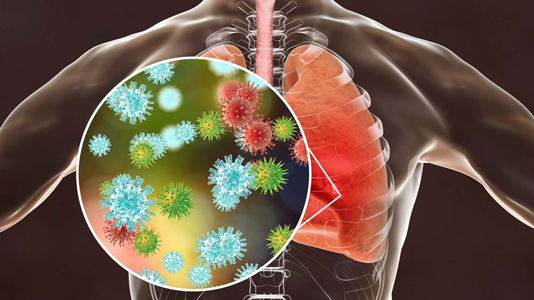
Respiratory Syncytial Virus (RSV) has long been a major cause of respiratory illness, especially among infants, older adults, and people with weakened immunity. In recent years, the availability of RSV vaccines and monoclonal antibody interventions has sparked a notable uptick in public interest—reflected in Google Trends—particularly in the United States. As of 2025, the trending term “RSV vaccine” signals rising awareness, discussion, and perhaps confusion in the general population.
In this article, we dive deep into:
- What RSV is, and why it matters
- The history of RSV vaccine development
- Current approved RSV vaccines and monoclonal antibodies
- Effectiveness, safety, and real-world data
- Who should get vaccinated, when, and under what conditions
- Barriers to adoption and uptake in the U.S.
- Public health implications and future directions
By the end, you’ll have a clear, evidence-based understanding of the RSV vaccine landscape
Understanding RSV and Its Public Health Burden
What Is RSV?
Respiratory Syncytial Virus (RSV) is a common, highly contagious virus that infects the respiratory tract. For most healthy children and adults, RSV causes mild, cold-like symptoms. However, in vulnerable populations—premature infants, infants under 6 months, older adults, and immunocompromised individuals—RSV can progress to serious lower respiratory tract infections, including:
- Bronchiolitis
- Pneumonia
- Hospitalizations, especially in infants and older adults
Seasonal RSV epidemics generally occur in the fall and winter months in many regions of the U.S. The virus is transmitted via respiratory droplets and surface contamination.
The Burden in the U.S.
- RSV is estimated to cause 58,000–80,000 hospitalizations among children under 5 each year. (American Medical Association)
- Among adults age 60+, the disease burden is substantial, with many hospitalizations and increased morbidity. (American Medical Association)
- Recent studies report that RSV vaccine uptake among eligible older adults in the U.S. remains relatively low: only about 16.4% of all eligible adults had received the RSV vaccine in the period from August 2023 to February 2025. (PMC)
- Yet, data suggest promising effectiveness: a large case-control study involving 787,822 patients demonstrated ~75% vaccine effectiveness (VE) among adults aged 60+ against RSV-associated acute respiratory infection, urgent care visits, or hospitalization. (JAMA Network)
The combination of new vaccine availability, clinical data, and lagging uptake helps explain why “RSV vaccine” is trending in online searches in the U.S.
The Journey of RSV Vaccine Development
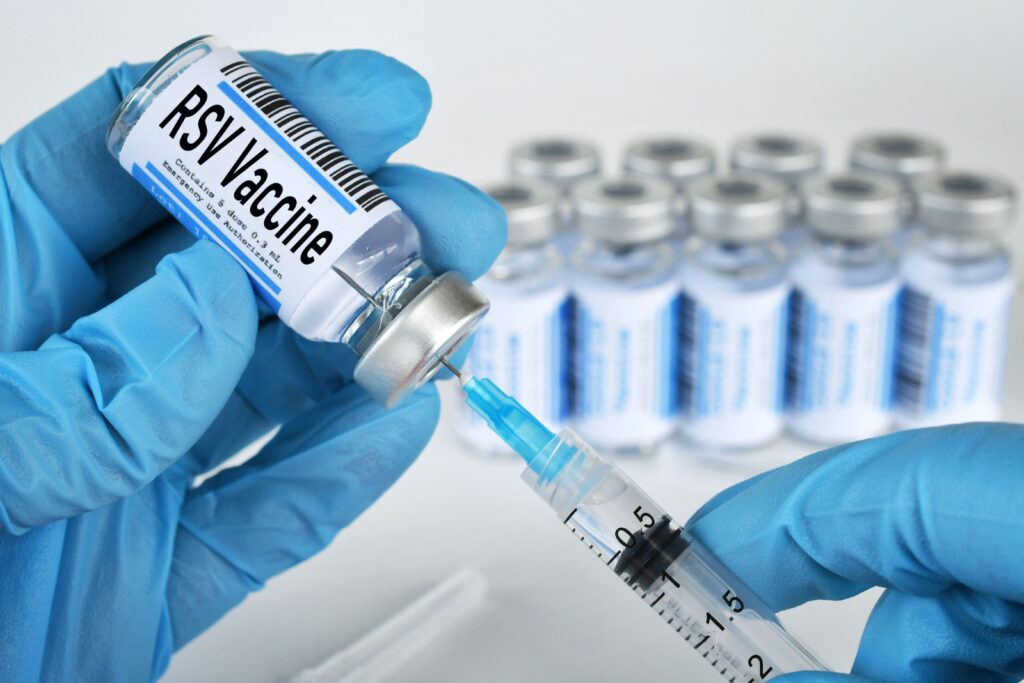
For decades, RSV vaccine development was fraught with challenges. In the 1960s, early trials of inactivated RSV vaccines led to vaccine-enhanced respiratory disease in children—which caused serious outcomes—leading to a long hiatus in vaccine research.
More recently, breakthroughs in structural biology (especially stabilizing the prefusion (PreF) form of the F protein) revitalized the field, leading to new candidates showing robust immunogenicity and safety in trials.
Key developments:
- Prefusion-stabilized F protein designs (RSVPreF) improved neutralizing antibody response. (Nature)
- Multiple vaccine platforms (protein subunit, mRNA) gained traction. (Wikipedia)
- Approval of adult vaccines (e.g., Arexvy, Abrysvo) followed successful phase III trials. (Wikipedia)
- Monoclonal antibodies (e.g., nirsevimab / Beyfortus) for infants provide passive immunization. (Wikipedia)
This evolving landscape is central to why the public is now actively searching about RSV vaccines.
Approved RSV Vaccines & Monoclonal Antibodies in the U.S.
Adult Vaccines
As of 2025, RSV immunization strategies in the U.S. include:
- Arexvy (GSK): A prefusion F subunit vaccine approved for prevention of lower respiratory tract disease in individuals 60+ and in 50–59 at increased risk. (arexvyhcp.com)
- Abrysvo (Pfizer): Approved for adults 60+, and also authorized for maternal immunization to protect newborns. (CDC)
- mResvia (Moderna): An mRNA-based RSVPreF vaccine approved for older adults. (Wikipedia)
These vaccines are typically administered in a single dose, and recommendations vary by age group and risk status. (CDC)
Infant / Maternal Strategies
- Maternal Vaccination: Abrysvo is given in pregnancy (weeks 32–36) to generate antibodies passed to the fetus. (CDC)
- Infant Monoclonal Antibody: Nirsevimab (Beyfortus) is given to newborns and infants. A single dose is recommended for infants under 8 months entering RSV season; a second dose may be considered for high-risk infants in second season. (superiorhealthplan.com)
- Note: In most cases, infants do not require both maternal vaccine + nirsevimab. (mimeridian.com)
These combined strategies represent a paradigm shift in RSV prevention across the lifespan.
Effectiveness, Safety, and Real-World Findings
Vaccine Effectiveness (VE)
- The 2025 case-control study mentioned above showed ~75.1% effectiveness in adults 60+ against RSV-associated respiratory illness and hospitalizations. (JAMA Network)
- In immunocompromised populations, VE was somewhat lower (e.g. ~67% in 60–74, ~73% in ≥75). (JAMA Network)
- Animal models and mathematical projections suggest that prefusion F vaccines could reduce hospitalizations and deaths significantly when widely used. (Nature)
These data confirm that RSV vaccines are not merely theoretical — they are effective in clinical use.
Safety and Adverse Events
- The above study also assessed safety: among millions of vaccine recipients, no elevated risk of immune thrombocytopenic purpura (ITP) was detected. (JAMA Network)
- However, a small increase in Guillain–Barré syndrome (GBS) was observed: ~5.2 cases per million doses for RSVPreF3+AS01 and ~18.2 cases per million for RSVPreF. (JAMA Network)
- Arexvy’s safety profile warns of a postmarketing observational increased risk of GBS in the 42 days following administration. (arexvyhcp.com)
While these risks are minor relative to benefits, the possibility of rare side effects means clinicians should inform patients and monitor post-vaccination.
Uptake and Barriers
- Despite the availability of vaccines, uptake remains low among older U.S. adults. (PMC)
- Barriers include:
- Lack of awareness or knowledge
- Confusion over eligibility
- Trust and vaccine hesitancy
- Limited provider recommendation or infrastructure
- Timing (vaccines are best administered just before RSV season) (mimeridian.com)
- Among veterans, uptake declined from 2023–2025. (pulmonologyadvisor.com)
Improving public education, clinician engagement, and delivery infrastructure is critical.
Who Should Get the RSV Vaccine — and When?
U.S. Recommendations (2025)
According to the CDC:
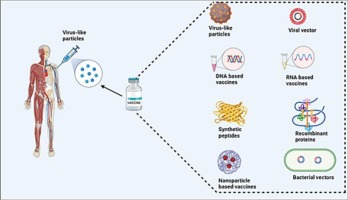
- All adults age 75+ should receive RSV vaccination. (CDC)
- Adults 50–74 with increased risk for severe RSV disease (e.g. chronic lung disease, cardiovascular disease, immunocompromise) are also recommended. (CDC)
- For pregnant individuals, Abrysvo is given between weeks 32–36 during September to January. (mimeridian.com)
- For infants, nirsevimab (Beyfortus) is recommended during or before first RSV season; and in some second-season high-risk infants. (CDC)
- RSV vaccine administration is a single-dose, once-in-a-lifetime (for adults). (mimeridian.com)
The optimal timing is late summer to early fall, before the peak RSV circulation. (mimeridian.com)
Special Considerations & Contraindications
- Individuals who have already received the vaccine should not get another dose in the same season. (mimeridian.com)
- Severe allergy to vaccine components is a contraindication. (arexvyhcp.com)
- For pregnant women at risk for preterm birth, benefits and risks must be weighed. Some vaccines’ trials have flagged potential concerns (e.g. preterm births). (Wikipedia)
Healthcare providers should counsel patients individually based on age, comorbidities, and timing.
Public Health & Policy Implications
Impact Projections
- Modeling studies suggest that widescale immunization, particularly in older adults and pregnant women, could prevent many hospitalizations and deaths, lowering societal and economic burden. (Nature)
- Early data from the U.S. 2024–25 season hint at drops in infant hospitalizations correlating with vaccine and antibody uptake. (The Guardian)
Equity & Access
- Disparities exist in vaccine coverage by race, socioeconomic status, rural/urban location, and insurance status. (CDC)
- Ensuring broad access—especially in underserved communities—will be critical for maximizing public health gains.
Communication & Trust
- Messaging needs to be clear, evidence-based, and culturally sensitive.
- Provider recommendation is a strong driver of vaccine uptake; training and incentives for clinicians may help.
- Monitoring adverse events via surveillance systems helps maintain public trust.
Future Directions & Research
- Continued real-world effectiveness studies across different populations.
- Post-marketing surveillance for rare adverse events (e.g. GBS).
- Vaccine formulations targeting broader age groups or different epidemiologic profiles.
- Cost-effectiveness analyses comparing vaccine vs treatment vs prophylactic strategies.
- Understanding optimal strategies for combining maternal vaccination, infant monoclonal antibodies, and adult immunization.
Conclusion
The RSV vaccine is more than just a trending term on Google—it’s a transformative development in respiratory virus prevention. With robust clinical trials and early real-world data showing substantial effectiveness and manageable safety profiles, RSV immunization is entering standard practice in the U.S. for older adults, pregnant women, and infants.
Despite its promise, uptake among eligible adults remains modest. Overcoming barriers through public education, clinical advocacy, equitable access, and continued research is essential. As more people become informed and vaccinated, the public health impact could be profound—reducing hospitalizations, saving lives, and lessening the burden of RSV seasons on the health system.
For U.S. readers, now is a key moment to pay attention: talk to your healthcare provider about RSV vaccination, especially if you’re 75+, 50–74 with chronic disease, pregnant, or a caregiver of a newborn. Ongoing vigilance, research, and outreach will determine how fully this promising vaccine fulfills its potential.