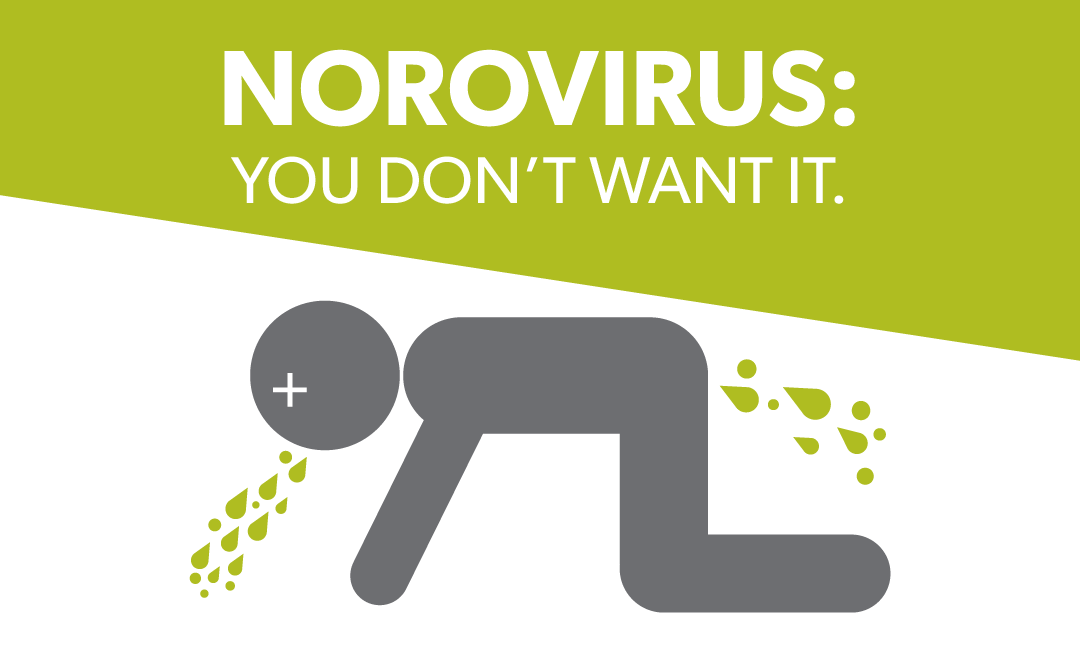

Norovirus is a highly contagious virus that causes gastroenteritis, leading to sudden nausea, vomiting, diarrhea, and stomach pain. It spreads through contaminated food, water, surfaces, and close contact. While there is no specific treatment, hydration and rest are essential. Prevention involves handwashing, disinfecting surfaces, and avoiding food preparation when sick.
Norovirus is one of the most common causes of acute gastroenteritis globally, often referred to as the “stomach flu” (though it is not related to influenza). It spreads rapidly in communities, leading to outbreaks in schools, hospitals, nursing homes, cruise ships, and restaurants. Known for its ability to survive on surfaces for long periods and resist many disinfectants, norovirus presents significant public health challenges.
This article provides a comprehensive overview of norovirus, including its causes, symptoms, treatment, prevention strategies, and global impact. By the end, you will understand why health professionals are so concerned about this highly contagious virus and what you can do to protect yourself and others.
What is Norovirus?
Norovirus is a highly contagious virus that causes acute gastroenteritis, an inflammation of the stomach and intestines. First identified in Norwalk, Ohio, in 1968 (hence sometimes called Norwalk virus), norovirus is responsible for both sporadic cases and widespread outbreaks of gastrointestinal illness.
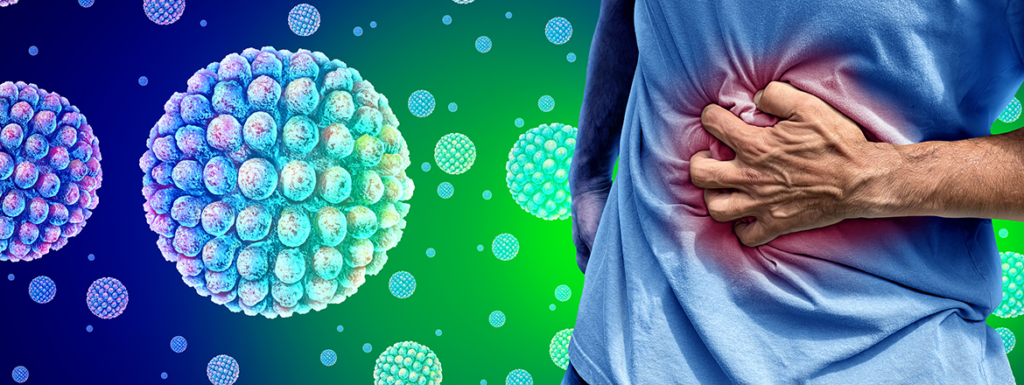
Belonging to the Caliciviridae family, noroviruses are non-enveloped, single-stranded RNA viruses. They are classified into genogroups (GI, GII, GIV) with multiple strains, making immunity short-lived and reinfections common.
How Norovirus Spreads
Norovirus transmission occurs primarily through:
- Person-to-person contact – Close interaction with infected individuals (e.g., caregivers, family members).
- Contaminated food and water – Shellfish, fresh produce, and prepared foods are common sources.
- Surface contamination – Touching contaminated surfaces and then touching the mouth.
- Aerosolized particles – Tiny droplets from vomiting can contaminate air and surfaces.
Its infectious dose is extremely low—fewer than 20 virus particles can cause illness, making outbreaks difficult to control.
Symptoms of Norovirus Infection
Symptoms usually appear 12–48 hours after exposure and last 1–3 days. The most common include:
- Nausea
- Vomiting (more common in children)
- Diarrhea (more common in adults)
- Abdominal pain or cramps
- Low-grade fever
- Headache and body aches
- Dehydration (due to fluid loss)
Most people recover without complications, but in vulnerable populations such as young children, older adults, and immunocompromised individuals, dehydration can be severe and require medical intervention.
Norovirus vs. Food Poisoning and Influenza
Norovirus is often mistaken for other illnesses:
- Food poisoning – Caused by bacteria like Salmonella or E. coli; symptoms overlap, but bacterial infections may last longer and often involve high fever.
- Influenza (flu) – Primarily a respiratory illness with cough, sore throat, and fatigue. Norovirus, by contrast, mainly affects the digestive system.
Risk Factors
Anyone can get norovirus, but certain groups face higher risks:
- Children under 5 – Prone to severe dehydration.
- Older adults – Reduced immune response makes recovery slower.
- Healthcare workers and caregivers – Frequent exposure increases infection likelihood.
- People in closed environments – Schools, hospitals, cruise ships, and military barracks.
Diagnosis
Norovirus is typically diagnosed clinically based on symptoms and outbreak context. Laboratory testing is available, including:
- RT-PCR (Reverse Transcription Polymerase Chain Reaction) – The gold standard for detecting viral RNA.
- ELISA tests – Detect viral antigens but less sensitive.
Because symptoms resemble other gastrointestinal infections, lab confirmation is mainly used during outbreak investigations rather than routine cases.
Treatment of Norovirus
There is no specific antiviral treatment for norovirus. Management focuses on relieving symptoms and preventing dehydration:
- Hydration – Oral rehydration solutions (ORS) or clear fluids to replace lost electrolytes.
- Rest – Allowing the body to recover.
- Medications – Over-the-counter remedies for fever or pain (acetaminophen or ibuprofen). Anti-diarrheal drugs are generally not recommended unless prescribed by a doctor.
Severe dehydration may require intravenous (IV) fluids in a hospital setting.
Complications
While most cases resolve within a few days, complications can arise:
- Severe dehydration – Especially dangerous in infants and the elderly.
- Hospitalization – Required in extreme cases.
- Death – Rare, but possible among vulnerable populations.
Globally, norovirus causes approximately 200,000 deaths annually, mostly in low- and middle-income countries where access to healthcare and clean water is limited.
Prevention Strategies
Preventing norovirus requires strict hygiene practices, as vaccines are not yet widely available.
Personal Hygiene
- Wash hands with soap and water (alcohol-based sanitizers are less effective).
- Avoid preparing food while sick and for at least 48 hours after recovery.
Food Safety
- Wash fruits and vegetables thoroughly.
- Cook shellfish to safe temperatures.
- Discard any food suspected of contamination.
Environmental Cleaning
- Disinfect surfaces with chlorine bleach-based solutions.
- Wash contaminated clothing and linens promptly at high temperatures.
Public Health Measures
- Rapid outbreak response in schools, hospitals, and care homes.
- Quarantine and isolation when necessary.
Norovirus Outbreaks Around the World
Norovirus is a leading cause of foodborne illness globally. Some notable outbreaks include:
- Cruise ships – The confined environment makes spread rapid and widespread.
- Nursing homes and hospitals – Vulnerable populations face higher risks.
- Restaurants and catering services – Improper food handling often leads to mass infections.
According to the CDC, norovirus causes 19–21 million illnesses annually in the United States, leading to approximately 465,000 emergency room visits and 900 deaths.
Norovirus in Children
Children are particularly vulnerable to norovirus due to weaker immune systems and higher risk of dehydration. Symptoms can progress quickly, and parents should watch for signs of dehydration such as:
- Decreased urination
- Dry mouth and throat
- Sunken eyes
- Unusual sleepiness or fussiness
Pediatricians often recommend oral rehydration solutions and careful monitoring.
Norovirus and Immunity
Infection with norovirus provides only short-term immunity. Because multiple strains exist, reinfections are common. Scientists are working on developing vaccines, with promising results in clinical trials, but none are yet available to the general public.
Future Research and Vaccines
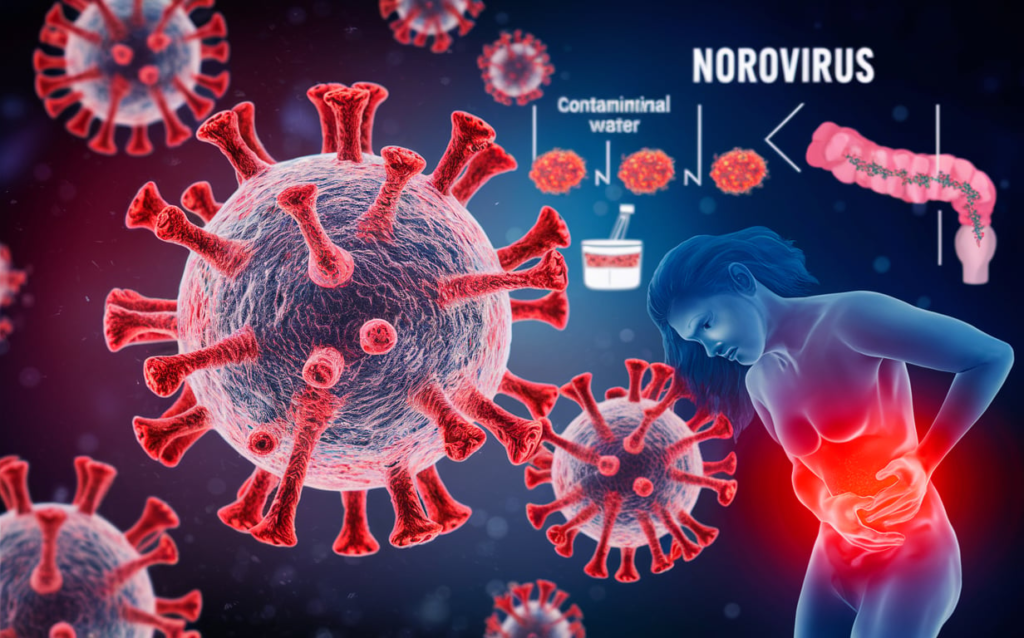
Research into norovirus vaccines has accelerated in recent years. Some key developments:
- VLP-based vaccines (Virus-Like Particles) – Designed to stimulate immunity without causing illness.
- Clinical trials – Early studies show partial protection, especially against severe symptoms.
- Challenges – Strain diversity and short-term immunity make vaccine development complex.
If successful, vaccines could drastically reduce global disease burden, particularly in developing countries.
Key Takeaways
- Norovirus is a highly contagious virus causing gastroenteritis worldwide.
- It spreads through contaminated food, water, surfaces, and close contact.
- Symptoms include vomiting, diarrhea, nausea, abdominal pain, and dehydration.
- There is no specific treatment—hydration and rest are the mainstays of care.
- Prevention focuses on hygiene, food safety, and disinfection.
- Vulnerable populations include young children, the elderly, and immunocompromised individuals.
- Vaccine research is ongoing but not yet widely available.
Conclusion
Norovirus is a persistent global health challenge, responsible for millions of infections each year. Its ease of transmission, short immunity, and resilience in the environment make it one of the most formidable viral pathogens causing gastroenteritis. While most cases resolve quickly, the virus poses serious risks for vulnerable populations.
Prevention through strict hygiene, food safety, and outbreak control measures remains the most effective defense. With ongoing vaccine research, there is hope for a more comprehensive solution in the future.