
Discover how microRNA revolutionizes drug response in cancer treatment. Learn about breakthrough therapeutic strategies, mechanisms of drug resistance, and the future of personalized medicine through these powerful tiny molecules.
Introduction
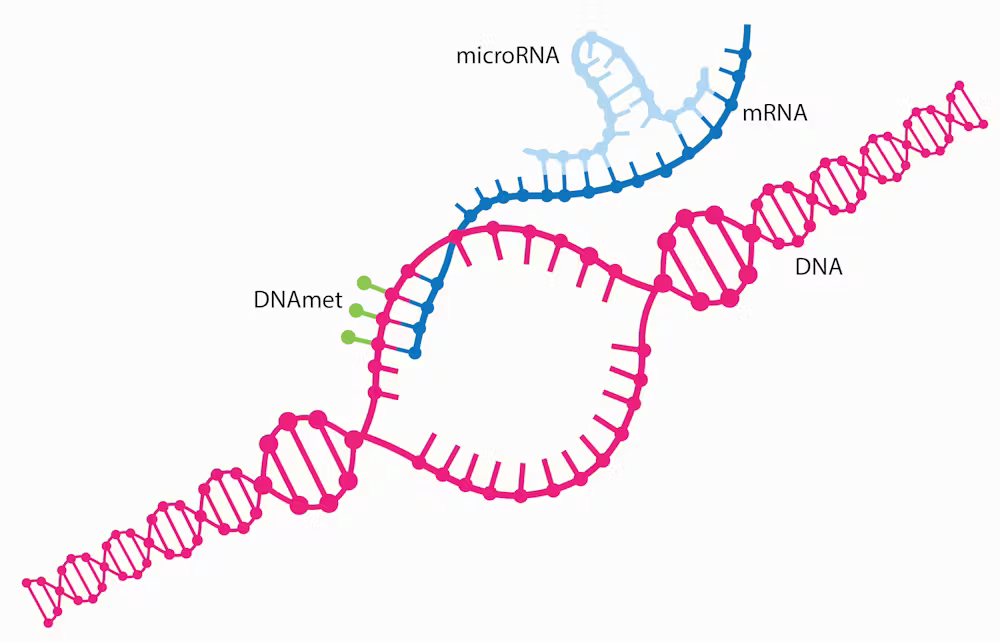
The landscape of modern medicine is witnessing an extraordinary transformation through the discovery and understanding of microRNA (miRNA) and its profound influence on drug response. These microscopic molecular regulators, measuring merely 18-26 nucleotides in length, have emerged as game-changers in therapeutic outcomes, particularly in cancer treatment where drug resistance remains a devastating challenge for millions of patients worldwide.
The 2024 Nobel Prize in Physiology or Medicine recognized the groundbreaking discovery of microRNA, validating decades of research that unveiled how these tiny molecules orchestrate gene expression with remarkable precision. Understanding the role of microRNA in drug response has become essential for developing more effective treatments, predicting therapeutic outcomes, and ultimately saving lives through personalized medicine approaches.
What Are MicroRNAs and Why Do They Matter?
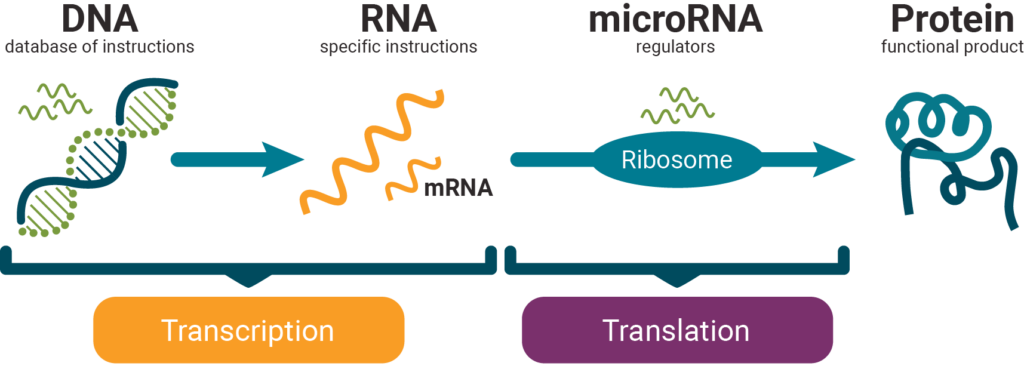
MicroRNAs represent a sophisticated class of non-coding RNA molecules that function as master regulators of gene expression. Unlike messenger RNA (mRNA) that carries genetic instructions for protein synthesis, microRNAs serve as molecular switches that can turn genes on or off by binding to their target messenger RNAs.
The biological significance of microRNAs extends far beyond basic cellular functions. These regulatory molecules control approximately 60% of all human protein-coding genes, making them indispensable for maintaining cellular health, controlling development, and responding to environmental stresses even including exposure to therapeutic drugs.
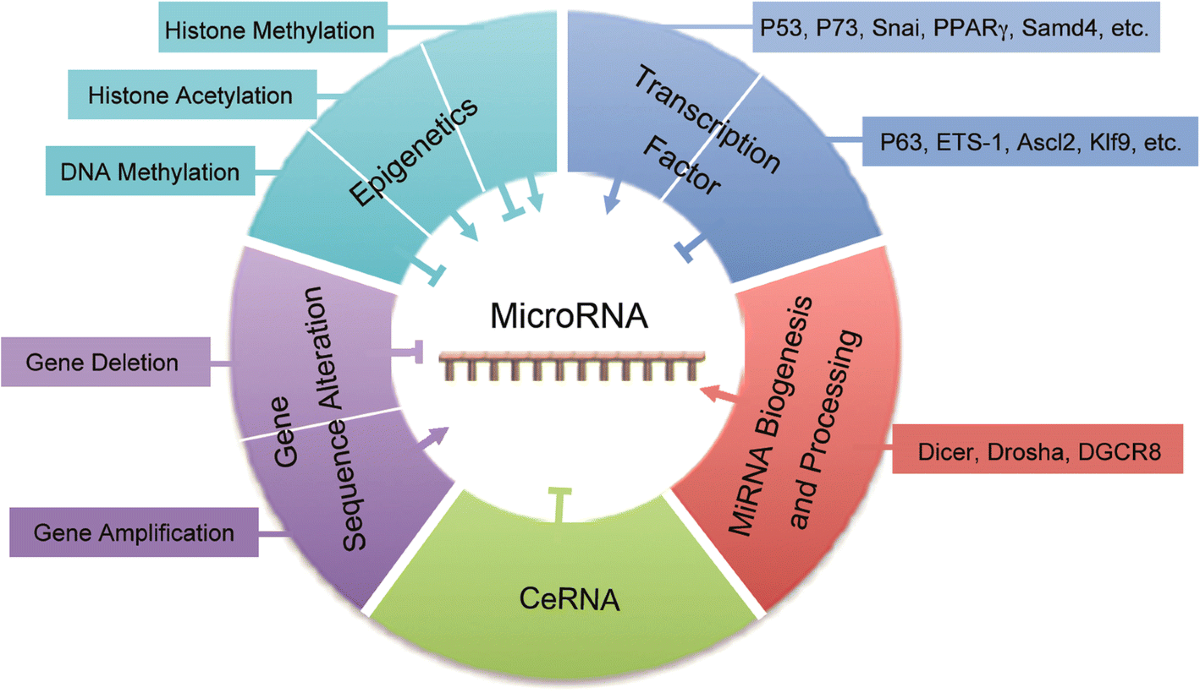
When cells encounter chemotherapy or targeted therapies, microRNAs rapidly adjust gene expression patterns to help cells survive the chemical assault. This adaptive response, while beneficial for normal cells, can unfortunately enable cancer cells to develop resistance mechanisms that render treatments ineffective.
The Critical Connection Between MicroRNA and Drug Resistance
Drug resistance represents one of the most formidable obstacles in cancer treatment, contributing to treatment failure in over 90% of patients with metastatic cancers. The mechanisms underlying drug resistance are complex and multifaceted, but recent research has illuminated the central role that microRNAs play in this devastating phenomenon.
How MicroRNAs Drive Chemotherapy Resistance
Cancer cells employ microRNAs as sophisticated tools to evade the lethal effects of chemotherapy through several ingenious mechanisms:
Regulation of Drug Efflux Pumps: Specific microRNAs control the expression of ATP-binding cassette (ABC) transporters, which function as molecular pumps that expel chemotherapy drugs from cancer cells before they can inflict damage. When certain microRNAs are downregulated, these pumps become overactive, reducing intracellular drug concentrations and diminishing treatment efficacy.
Modulation of Apoptosis Pathways: MicroRNAs exert powerful control over programmed cell death pathways. Oncogenic microRNAs can suppress pro-apoptotic genes like PTEN, PDCD4, and TP53, allowing cancer cells to survive chemotherapy that would normally trigger cell death. Conversely, tumor suppressor microRNAs that promote apoptosis are frequently silenced in resistant cancers.
DNA Repair Enhancement: Cancer cells utilize microRNAs to upregulate DNA repair machinery, enabling rapid fixing of chemotherapy-induced DNA damage. This accelerated repair capability allows malignant cells to survive and proliferate despite genotoxic stress from treatment.
Cell Cycle Manipulation: MicroRNAs can alter cell cycle progression, pushing cancer cells into quiescent states where they become less vulnerable to cell cycle-specific chemotherapy agents. This dormancy strategy represents a particularly insidious form of drug resistance.
Specific MicroRNA Families and Drug Response
Research has identified several microRNA families with profound impacts on therapeutic outcomes:
The miR-15a/16 Family: These tumor suppressor microRNAs are frequently deleted or downregulated in various cancers. Their loss correlates with resistance to multiple drug classes, including proteasome inhibitors and alkylating agents. Recent clinical trials have explored modified versions of miR-15a as therapeutic agents, showing promising results in restoring drug sensitivity.
The miR-21 Oncogene: Often called the “oncomiR,” miR-21 is consistently upregulated across numerous cancer types and promotes resistance to chemotherapy, radiation, and targeted therapies. By suppressing tumor suppressors like PTEN and TIMP3, miR-21 activates survival pathways that shield cancer cells from treatment.
The miR-34 Family: These microRNAs function under the control of the p53 tumor suppressor pathway and regulate genes involved in cell cycle arrest and apoptosis. Loss of miR-34 expression enables cancer cells to escape growth control and evade drug-induced death.
The miR-200 Family: Critical regulators of epithelial-mesenchymal transition (EMT), the miR-200 family influences cancer cell plasticity and metastatic potential. Their dysregulation contributes to resistance against both conventional and targeted therapies.
Breakthrough Therapeutic Strategies Targeting MicroRNA
The recognition that microRNAs orchestrate drug response has catalyzed innovative therapeutic approaches designed to restore treatment sensitivity and overcome resistance mechanisms.
MicroRNA Replacement Therapy
For cancers where tumor suppressor microRNAs are lost or silenced, replacement therapy offers a rational therapeutic strategy. Scientists have developed modified microRNA mimics that can be delivered to cancer cells to restore normal regulatory functions.
Modified 5-fluorouracil (5-FU) conjugated with miR-15a represents a pioneering example of this approach. Clinical trial results from 2025 demonstrated that this modified microRNA was well-tolerated and showed biological activity in patients with relapsed/refractory acute myeloid leukemia, achieving disease stabilization where conventional approaches had failed.
Similarly, gemcitabine-modified miR-15a has demonstrated remarkable efficacy in pancreatic cancer models, both delivering chemotherapy directly to cancer cells while simultaneously restoring tumor suppressor activity. This dual-action approach represents a paradigm shift in cancer therapeutics.
MicroRNA Inhibition Strategies
When oncogenic microRNAs drive drug resistance and tumor progression, therapeutic inhibition becomes the logical intervention. Anti-microRNA oligonucleotides, often called “antagomiRs,” can selectively block overactive microRNAs.
These inhibitors work by binding complementary sequences on target microRNAs, preventing them from suppressing their gene targets. Early clinical trials with anti-miR-122 for hepatitis C infection validated this approach, and similar strategies are now being explored for cancer treatment.
Combination Approaches
Perhaps the most promising strategy involves combining microRNA-based therapies with conventional treatments. By modulating microRNA expression patterns, clinicians can potentially resensitize resistant cancers to standard chemotherapy regimens.
For instance, inhibiting drug resistance-associated microRNAs before administering chemotherapy could restore sensitivity in previously resistant tumors. This strategic sequencing of treatments represents a sophisticated application of microRNA biology to clinical practice.
MicroRNA as Predictive Biomarkers for Treatment Response
Beyond their role as therapeutic targets, microRNAs serve as powerful predictive biomarkers that can guide treatment selection and forecast therapeutic outcomes before initiating therapy.
Circulating MicroRNAs in Liquid Biopsies
One of the most exciting developments in precision oncology involves detecting microRNAs circulating in blood plasma. These cell-free microRNAs provide a non-invasive window into tumor biology and treatment response.
Studies have demonstrated that specific microRNA signatures in plasma can predict which patients will respond to particular therapies with remarkable accuracy. This capability enables personalized treatment selection, sparing patients from ineffective therapies and their associated toxicities.
Recent research examining plasma microRNAs in vaccine trials demonstrated that baseline microRNA profiles could identify patients who would generate insufficient antibody responses, illustrating how these molecules can predict therapeutic efficacy across diverse treatment modalities.
Tissue-Based MicroRNA Profiling
Analysis of microRNA expression patterns in tumor biopsies provides comprehensive insights into the molecular characteristics driving drug resistance. Multi-microRNA signatures outperform single-gene biomarkers in predicting treatment outcomes.
For example, pancreatic cancer patients with specific microRNA expression patterns show differential responses to gemcitabine-based chemotherapy. Similarly, multiple myeloma patients exhibit distinct microRNA profiles that correlate with resistance to proteasome inhibitors, steroids, and immunomodulatory drugs.
Monitoring Treatment Response
Beyond prediction, microRNAs serve as dynamic monitoring biomarkers that enable continuous assessment of treatment efficacy. Changes in microRNA levels during therapy can indicate emerging resistance before radiographic progression becomes evident, allowing timely treatment modifications.
This real-time monitoring capability represents a significant advancement over traditional imaging-based response assessments, potentially improving outcomes through earlier intervention when resistance emerges.
The Tumor Microenvironment and MicroRNA-Mediated Drug Resistance
Cancer cells do not exist in isolation but inhabit complex microenvironments containing immune cells, fibroblasts, blood vessels, and extracellular matrix components. This tumor microenvironment profoundly influences drug response, and microRNAs serve as key mediators of communication between cancer cells and their surroundings.
Hypoxia and MicroRNA Regulation
Many solid tumors contain regions of severe oxygen deprivation (hypoxia), which dramatically alters microRNA expression patterns. Hypoxia-induced microRNAs promote cancer cell survival, angiogenesis, and metabolic adaptation, all contributing to drug resistance.
Under hypoxic conditions, specific microRNAs become upregulated and facilitate tumor progression by regulating pathways controlled by hypoxia-inducible factors. These adaptations enable cancer cells to withstand the stress of chemotherapy while maintaining proliferative capacity.
Immune Cell Communication
MicroRNAs secreted by cancer cells can be taken up by immune cells in the tumor microenvironment, reprogramming their function to support tumor growth rather than attacking malignant cells. This microRNA-mediated immune suppression contributes to resistance against immunotherapies.
Conversely, immune cells release microRNAs that influence cancer cell behavior, creating a bidirectional communication network that shapes therapeutic responses. Understanding these interactions opens new avenues for combination immunotherapy approaches.
Stromal Cell Interactions
Cancer-associated fibroblasts and other stromal cells release microRNAs that can confer drug resistance to neighboring cancer cells. This paracrine signaling creates “sanctuaries” within tumors where cancer cells are protected from therapeutic agents.
Targeting microRNA-mediated crosstalk between cancer and stromal cells represents an innovative strategy to dismantle the protective tumor microenvironment and restore treatment sensitivity.
Clinical Applications and Real-World Impact
The translation of microRNA research into clinical practice is accelerating, with several applications already demonstrating measurable benefits for patients.
Precision Medicine and Treatment Selection
Comprehensive microRNA profiling enables sophisticated treatment algorithms that match patients to therapies most likely to benefit them. This precision medicine approach maximizes efficacy while minimizing unnecessary toxicity from ineffective treatments.
Healthcare systems implementing microRNA-based treatment selection have reported improved response rates and progression-free survival compared to conventional empirical treatment approaches. As these technologies become more accessible, they promise to transform standard care across oncology.
Drug Development and Clinical Trials
Pharmaceutical companies are increasingly incorporating microRNA biomarkers into clinical trial designs to identify patient populations most likely to benefit from investigational agents. This stratification approach accelerates drug development by enriching trials with responders.
Additionally, microRNA-based therapeutics themselves are entering clinical pipelines, with multiple candidates in various stages of development for cancers, cardiovascular diseases, and metabolic disorders.
Overcoming Resistance in Advanced Disease
For patients with cancers that have become resistant to multiple therapies, microRNA-targeted approaches offer hope where few options remain. By understanding the specific microRNA alterations driving resistance in individual patients, oncologists can design rational combination strategies to overcome these mechanisms.
Case reports and small clinical series have documented dramatic responses in heavily pretreated patients when microRNA-modulating strategies are employed, though larger controlled trials are needed to definitively establish efficacy.
Challenges and Future Directions
Despite remarkable progress, significant challenges must be addressed to fully realize the therapeutic potential of microRNA-based approaches to drug response.
Delivery and Specificity
Delivering microRNA therapeutics specifically to cancer cells while avoiding healthy tissues remains technically challenging. Current delivery vehicles, including lipid nanoparticles and conjugated carriers, show promise but require further optimization to achieve ideal pharmacokinetic profiles.
Tissue-specific targeting strategies that exploit unique cancer cell surface markers could enhance specificity and reduce off-target effects that have limited early clinical trials.
Toxicity and Off-Target Effects
Because individual microRNAs regulate hundreds of target genes, therapeutic modulation can produce unintended consequences. Comprehensive preclinical testing and careful dose optimization are essential to minimize toxicity while maintaining efficacy.
Modified microRNA variants with enhanced stability and reduced immunogenicity are addressing some early toxicity concerns, with recent clinical data suggesting improved safety profiles compared to unmodified oligonucleotides.
Complexity of Resistance Mechanisms
Cancer cells typically employ multiple overlapping resistance mechanisms, and targeting single microRNAs may prove insufficient to overcome multifaceted resistance. Future approaches will likely require combination strategies that simultaneously modulate several microRNAs or integrate microRNA targeting with conventional therapies.
Systems biology approaches that model complex regulatory networks could identify optimal multi-target interventions for specific resistance patterns.
Clinical Translation and Accessibility
Converting laboratory discoveries into accessible clinical tools requires substantial investment in clinical trials, regulatory approval processes, and manufacturing infrastructure. Ensuring equitable access to these advanced therapies across diverse healthcare settings presents additional challenges.
Collaborative efforts between academic researchers, pharmaceutical companies, and regulatory agencies are essential to accelerate translation while maintaining rigorous safety standards.
Emerging Technologies and Innovations
The field of microRNA biology and therapeutics continues evolving rapidly, with several exciting technologies on the horizon.
Advanced Delivery Systems
Next-generation delivery platforms, including extracellular vesicle-based carriers and cell-penetrating peptides, promise improved targeting and bioavailability. These biomimetic approaches may overcome limitations of synthetic delivery vehicles by leveraging natural cellular communication pathways.
Chemical Modifications
Novel chemical modifications enhance microRNA stability, potency, and specificity. Modified nucleotides that resist degradation while maintaining target recognition are enabling longer-lasting therapeutic effects with less frequent dosing.
Artificial Intelligence and Machine Learning
Computational approaches are revolutionizing microRNA target prediction and biomarker discovery. Machine learning algorithms can identify complex microRNA signatures predictive of drug response with greater accuracy than traditional statistical methods.
These AI-driven tools are also facilitating drug repositioning by identifying existing medications that modulate therapeutically relevant microRNAs, potentially accelerating clinical implementation.
CRISPR-Based Approaches
Gene editing technologies like CRISPR-Cas9 enable permanent alteration of microRNA expression in cancer cells. While still experimental, these approaches could provide durable responses by fundamentally reprogramming cancer cell biology rather than requiring continuous therapeutic administration.
Why Understanding MicroRNA Drug Response Matters for Patients
For patients confronting cancer and other serious diseases, the expanding knowledge of microRNA biology translates into tangible benefits:
Personalized Treatment Plans: Comprehensive microRNA profiling enables oncologists to select therapies most likely to work for individual patients based on their unique molecular signatures, avoiding trial-and-error approaches that waste precious time.
Reduced Treatment Toxicity: By predicting which patients will respond to specific therapies, microRNA biomarkers spare non-responders from unnecessary toxicity, preserving quality of life and enabling alternative treatment options.
Overcoming Resistance: When cancers develop resistance to initial therapies, understanding the microRNA alterations driving resistance enables rational selection of subsequent treatments or microRNA-targeted interventions to restore sensitivity.
Earlier Detection of Resistance: Monitoring microRNA changes during treatment can identify emerging resistance before radiographic progression, allowing timely treatment modifications that may improve outcomes.
Access to Novel Therapies: Participation in clinical trials testing microRNA-based therapeutics provides access to cutting-edge treatments that may offer benefits when conventional options have been exhausted.
The Path Forward: Integrating MicroRNA Science into Standard Care
The journey from bench to bedside for microRNA-based diagnostics and therapeutics is well underway, but realizing the full potential of this revolutionary technology requires coordinated efforts across multiple stakeholders.
Clinicians must become familiar with microRNA biology and the growing menu of microRNA-based tests entering clinical practice. Educational initiatives are essential to ensure appropriate utilization and interpretation of these sophisticated molecular tools.
Researchers must continue elucidating the complex regulatory networks involving microRNAs, identifying new therapeutic targets, and developing safer, more effective delivery systems. Collaborative research networks that share data and resources will accelerate discovery and translation.
Healthcare systems must invest in the infrastructure needed to implement precision medicine approaches, including molecular profiling capabilities, bioinformatics support, and tumor boards with expertise in genomic and transcriptomic interpretation.
Regulatory agencies must develop appropriate frameworks for evaluating microRNA-based diagnostics and therapeutics, balancing innovation with patient safety while streamlining approval pathways for these novel modalities.
Patients and advocacy groups play crucial roles by supporting research funding, participating in clinical trials, and advocating for access to these advanced diagnostic and therapeutic options.
Frequently Asked Questions About MicroRNA and Drug Response
What exactly are microRNAs and how do they affect how my body responds to medications?
MicroRNAs are tiny molecules inside your cells that control which genes are turned on or off. When you take medication, especially cancer treatments, microRNAs help determine whether the drugs work effectively. Some microRNAs can make cancer cells resistant to treatment by blocking the drug’s effects or helping cancer cells survive. Understanding your microRNA profile can help doctors predict which treatments will work best for you and potentially overcome resistance by targeting specific microRNAs.
Can microRNA testing predict if my cancer will respond to chemotherapy before I start treatment?
Yes, microRNA testing shows tremendous promise as a predictive tool. By analyzing microRNA patterns in your blood or tumor tissue before starting treatment, doctors can identify signatures associated with drug sensitivity or resistance. This information helps select the most appropriate therapy for your specific cancer, potentially improving response rates while avoiding ineffective treatments and their side effects. While not yet standard practice everywhere, microRNA profiling is increasingly available at major cancer centers.
Are there treatments available that specifically target microRNAs?
Several microRNA-targeted therapies are currently in clinical development, with some showing encouraging results in early trials. These include replacement therapies that restore tumor suppressor microRNAs and inhibitor therapies that block cancer-promoting microRNAs. Modified versions of microRNAs conjugated with chemotherapy drugs represent particularly innovative approaches. While no microRNA-based cancer therapy has received full regulatory approval yet, multiple candidates are advancing through clinical trials and may become available in coming years.
How can microRNAs in my blood provide information about my cancer without needing a biopsy?
Cancer cells release microRNAs into the bloodstream, creating a “liquid biopsy” that reflects the molecular characteristics of your tumor. These circulating microRNAs can be detected and analyzed from a simple blood draw, providing information about drug resistance mechanisms, treatment response, and disease progression without invasive tissue sampling. This non-invasive approach enables more frequent monitoring and can detect changes in real-time as your cancer evolves during treatment.
If my cancer develops resistance to treatment, could microRNA therapies help overcome that resistance?
This is one of the most exciting potential applications of microRNA therapeutics. When cancers become resistant to conventional treatments, it’s often because specific microRNAs have changed in ways that protect cancer cells from therapy. By identifying which microRNAs are driving resistance in your particular case, doctors may be able to design combination approaches that include microRNA-targeting agents to restore sensitivity to previously effective treatments. Several clinical trials are specifically investigating this strategy in resistant cancers.
What is the connection between the 2024 Nobel Prize and treatment for my disease?
The 2024 Nobel Prize in Physiology or Medicine recognized the original discovery of microRNA and its fundamental role in gene regulation. This recognition validates decades of research showing that microRNAs are essential controllers of how our cells function. The Nobel Prize highlights the importance of continued research and investment in translating microRNA discoveries into practical treatments. For patients, this prestigious recognition accelerates the development of microRNA-based diagnostics and therapeutics that may significantly improve treatment outcomes.
Conclusion: A Revolutionary Era in Precision Medicine
The role of microRNA in drug response represents far more than an incremental advance in cancer biology, it heralds a fundamental transformation in how we understand, predict, and overcome therapeutic resistance. These remarkable regulatory molecules orchestrate complex networks that determine whether treatments succeed or fail, offering unprecedented opportunities for personalized medicine.
As our understanding deepens and technologies mature, microRNA-based approaches promise to convert currently resistant cancers into treatable diseases. The integration of microRNA profiling into routine clinical practice will enable truly personalized treatment selection, maximizing efficacy while minimizing unnecessary toxicity.
The challenges ahead are substantial, requiring continued innovation in delivery technologies, deeper understanding of regulatory networks, and rigorous clinical validation. However, the potential rewards has dramatically improved survival rates, reduced treatment-related suffering, and ultimately cures for currently incurable diseases which as justify the significant investments in time, resources, and collaborative effort.
For the millions of patients confronting cancer and other serious diseases, the expanding knowledge of microRNA biology offers genuine hope. Each research advance brings us closer to the day when treatment selection is guided by comprehensive molecular understanding rather than empirical trial and error, when resistance can be predicted and preemptively addressed, and when therapies are precisely matched to individual molecular profiles.
The revolutionary power of microRNA in transforming drug response is no longer theoretical, it is becoming clinical reality, one discovery, one clinical trial, and one patient at a time. As we continue unlocking the secrets of these tiny but mighty molecules, we move steadily toward a future where cancer treatment is more effective, less toxic, and ultimately successful for far more patients than is possible with current approaches.
To learn more about cutting-edge cancer research and precision medicine advances, visit the National Cancer Institute and explore their comprehensive resources on molecular oncology and personalized treatment approaches.