
Learn about gastroenteritis, commonly known as the stomach flu. Discover its causes, symptoms, treatments, and prevention strategies. Understand how to protect yourself and loved ones from this highly contagious illness.
Introduction
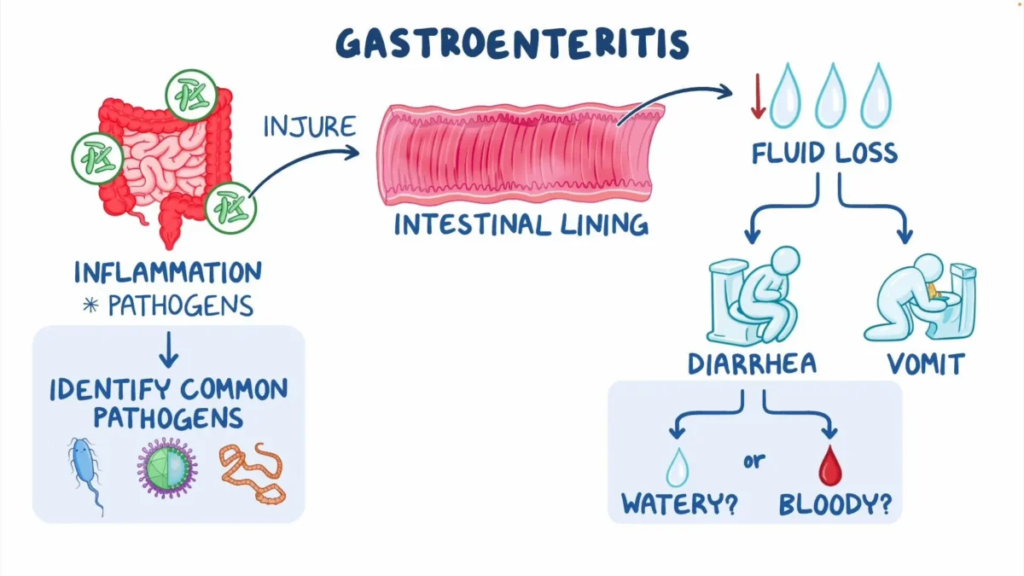
Gastroenteritis, also called the stomach flu, is the inflammation of the stomach and intestines caused by viruses, bacteria, or parasites. It leads to diarrhea, vomiting, abdominal cramps, and fever. While usually self-limiting, severe cases can cause dehydration, especially in children and older adults. Treatment focuses on hydration, rest, and supportive care.:
Gastroenteritis, often referred to as the “stomach flu,” is one of the most common gastrointestinal illnesses worldwide. Characterized by inflammation of the stomach and intestines, it leads to symptoms such as diarrhea, vomiting, abdominal cramps, nausea, and fever. Although it is usually self-limiting, gastroenteritis can cause severe dehydration and complications, particularly in young children, older adults, and individuals with weakened immune systems.
This in-depth article explores gastroenteritis comprehensively — covering its causes, risk factors, symptoms, diagnosis, treatments, prevention strategies, and global impact. By the end, you will understand how to recognize, manage, and prevent this widespread illness.
What is Gastroenteritis?
Gastroenteritis is an acute condition involving inflammation of the stomach and intestines. It disrupts the digestive system, leading to watery diarrhea, nausea, vomiting, fever, and abdominal pain. Despite being called the “stomach flu,” gastroenteritis is unrelated to influenza, which is primarily a respiratory illness.
The severity can range from mild discomfort to life-threatening dehydration. Globally, gastroenteritis accounts for millions of hospitalizations each year, with a significant burden in low- and middle-income countries.
Common Causes of Gastroenteritis
Gastroenteritis can be caused by a variety of infectious agents and, less commonly, non-infectious factors.
1. Viruses
Viral infections are the leading cause of gastroenteritis worldwide.
- Norovirus – The most common cause, responsible for large outbreaks in schools, hospitals, and cruise ships.
- Rotavirus – Primarily affects infants and young children, leading to severe diarrhea and dehydration.
- Adenovirus and Astrovirus – Often affect children, causing diarrhea and fever.
2. Bacteria
Several bacterial pathogens are associated with gastroenteritis:
- Escherichia coli (E. coli) – Some strains produce toxins that lead to watery or bloody diarrhea.
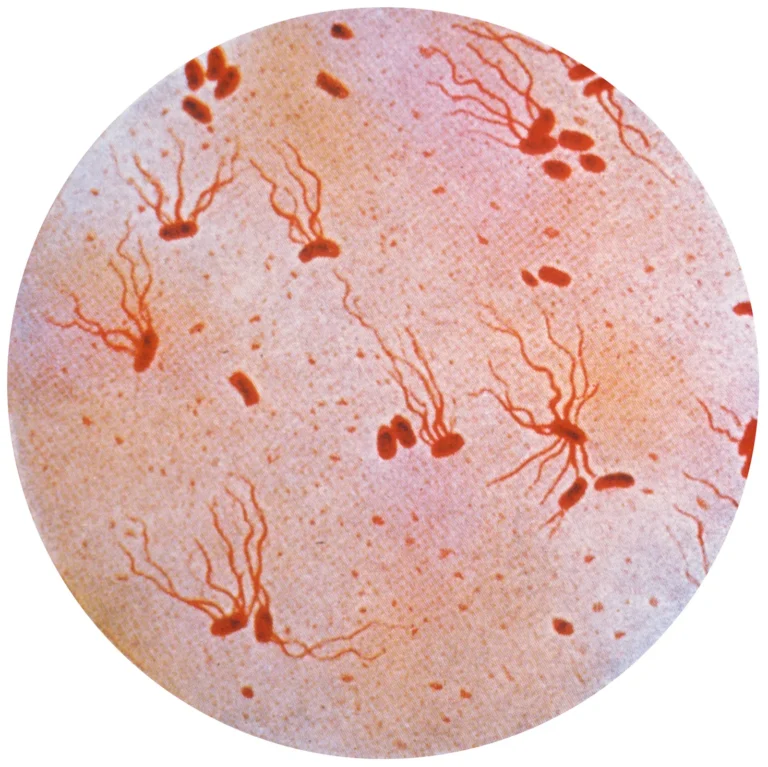
- Salmonella – A common foodborne pathogen linked to undercooked poultry and eggs.
- Campylobacter – Frequently found in raw or undercooked poultry.
- Shigella – Spread through contaminated water and person-to-person contact.
- Vibrio cholerae – Causes cholera, leading to severe watery diarrhea and rapid dehydration.
3. Parasites
Although less common, parasitic infections can cause prolonged gastroenteritis:
- Giardia lamblia – Found in contaminated water sources.
- Entamoeba histolytica – Causes amoebic dysentery, prevalent in developing countries.
- Cryptosporidium – Affects both humans and animals, often linked to contaminated water.
4. Non-Infectious Causes
- Food intolerances – Lactose intolerance or gluten sensitivity can mimic gastroenteritis.
- Medications – Certain antibiotics and NSAIDs may irritate the gastrointestinal tract.
- Toxins and chemicals – Ingesting contaminated food or water with toxins can trigger symptoms.
How Gastroenteritis Spreads
Transmission occurs through various routes:
- Person-to-person contact – Direct contact with infected individuals.
- Contaminated food or water – Improper food handling and unclean water sources.
- Surface contamination – Touching contaminated objects or surfaces.
- Poor hygiene practices – Lack of handwashing after using the toilet or before eating.
Because gastroenteritis-causing pathogens are highly contagious, outbreaks are common in crowded environments such as schools, daycare centers, nursing homes, and cruise ships.
Risk Factors
While anyone can develop gastroenteritis, certain groups are more vulnerable:
- Infants and young children – Due to immature immune systems.
- Older adults – Age-related decline in immunity increases risks.
- Immunocompromised individuals – Weakened immune systems make it harder to fight infections.
- Travelers – Visiting regions with poor sanitation increases the likelihood of exposure to contaminated food and water.
- People in crowded environments – Schools, military camps, and hospitals.
Symptoms of Gastroenteritis

Symptoms usually appear within 12–72 hours after exposure, depending on the causative agent. Common signs include:
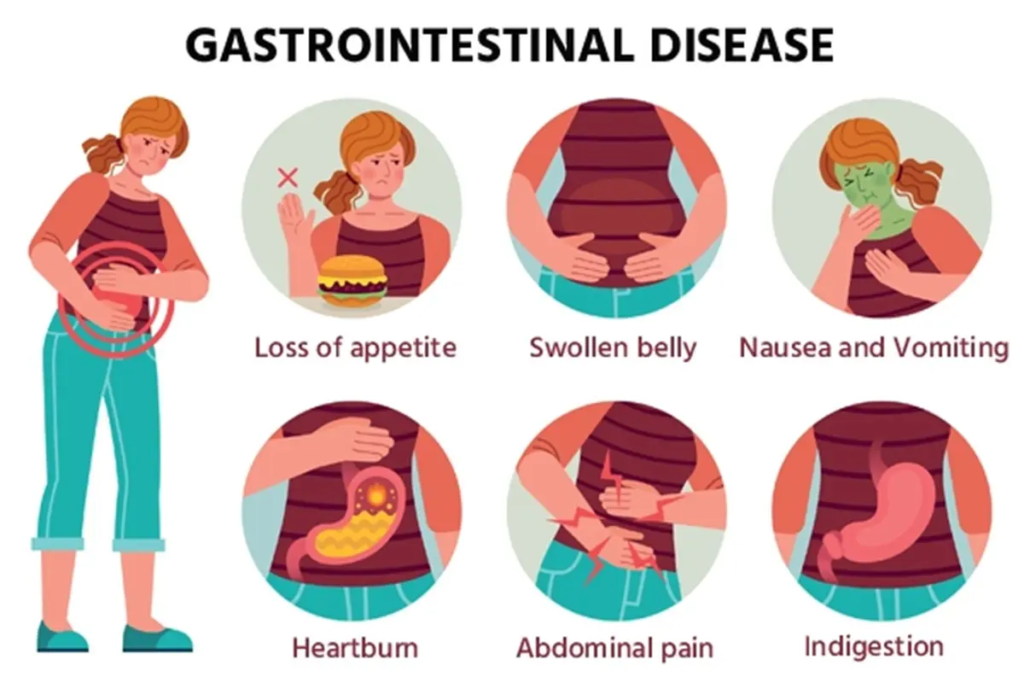
- Watery diarrhea
- Nausea and vomiting
- Abdominal cramps and pain
- Low-grade fever
- Headache and body aches
- Loss of appetite
- Fatigue
In severe cases:
- Bloody stools
- High fever
- Signs of dehydration (dry mouth, sunken eyes, decreased urination, dizziness)
Diagnosis
Diagnosis of gastroenteritis often depends on clinical symptoms and history. However, further testing may be needed:
- Stool tests – Detect viruses, bacteria, or parasites.
- Blood tests – Identify signs of infection or dehydration.
- Rapid antigen detection – For rotavirus and norovirus.
- Culture tests – Isolate bacterial pathogens.
In most cases, routine testing isn’t required unless symptoms are severe or prolonged.
Treatment of Gastroenteritis
The treatment of gastroenteritis focuses on relieving symptoms, preventing complications, and supporting recovery.
1. Hydration
- Oral Rehydration Solutions (ORS) – Contain electrolytes and glucose to replace lost fluids.
- Clear fluids – Water, broths, and diluted juices can help prevent dehydration.
- IV fluids – For severe cases where oral intake isn’t possible.
2. Medications
- Anti-diarrheal drugs – Loperamide may be used cautiously in adults but should be avoided in children.
- Antiemetics – For controlling nausea and vomiting (prescribed by doctors).
- Antibiotics – Only when bacterial infection is confirmed; not effective for viral causes.
3. Nutritional Support
- Bland diet – Bananas, rice, applesauce, and toast (BRAT diet).
- Gradual reintroduction – Slowly add regular foods once symptoms improve.
4. Rest
Adequate rest allows the body to focus on fighting infection and recovering.
Potential Complications
While gastroenteritis often resolves within a few days, complications can occur:
- Severe dehydration – Leading to hospitalization or death if untreated.
- Electrolyte imbalance – Can cause confusion, muscle cramps, and irregular heartbeat.
- Sepsis – Rare but possible in severe bacterial infections.
- Malnutrition – Especially in children with prolonged illness.
Prevention of Gastroenteritis
Preventive strategies can significantly reduce the risk of infection:
Personal Hygiene
- Wash hands thoroughly with soap and water.
- Use hand sanitizers when soap is unavailable.
Food Safety
- Cook meats thoroughly.
- Wash fruits and vegetables before eating.
- Avoid unpasteurized dairy products.
- Drink only clean and safe water.
Environmental Measures
- Disinfect contaminated surfaces.
- Wash linens and clothes exposed to vomit or diarrhea promptly.
Vaccination
- Rotavirus vaccine – Highly effective in reducing rotavirus-related gastroenteritis in infants and young children.
Global Burden of Gastroenteritis
Gastroenteritis is a leading cause of morbidity and mortality worldwide:
- Children under 5 – Account for most gastroenteritis-related deaths, particularly in developing countries.
- WHO estimates – Diarrheal diseases cause approximately 525,000 deaths annually in children under 5.
- Economic impact – High healthcare costs, lost productivity, and economic strain on families and communities.
Gastroenteritis in Children
Children are disproportionately affected due to weaker immune defenses and higher vulnerability to dehydration.
- Rotavirus infections – Historically the most common cause of severe diarrhea in children.
- Signs of dehydration – Reduced urination, lethargy, dry mouth, and absence of tears when crying.
- Parental guidance – Ensure hydration with ORS and seek medical help when symptoms worsen.
Gastroenteritis in Adults
Adults usually recover faster, but risks remain:
- Travelers’ diarrhea – Common in adults visiting regions with inadequate sanitation.
- Compromised immunity – Adults with chronic illnesses or on immunosuppressive therapy face higher risks.
Future Directions in Treatment and Research
Research continues to improve prevention and treatment strategies:
- Vaccine development – Expanding beyond rotavirus to norovirus and other pathogens.
- Improved diagnostics – Faster and more accurate point-of-care tests.
- Global initiatives – Programs aimed at improving water sanitation, food safety, and healthcare access.
Key Takeaways
- Gastroenteritis is inflammation of the stomach and intestines, often caused by viruses, bacteria, or parasites.
- Symptoms include diarrhea, vomiting, abdominal pain, fever, and dehydration.
- Treatment focuses on hydration, rest, and supportive care.
- Preventive measures include handwashing, safe food handling, and vaccination.
- Children and vulnerable populations face the highest risks.
- Global efforts are crucial to reducing the burden of gastroenteritis-related illness and death.
Conclusion
Gastroenteritis remains a major global health issue, causing millions of illnesses annually. While often mild, it can become life-threatening without proper care, especially in vulnerable populations. Preventive strategies such as vaccination, proper hygiene, food safety, and access to clean water are essential in reducing disease burden.
By understanding its causes, treatments, and prevention methods, individuals and communities can minimize the impact of gastroenteritis and protect public health.