
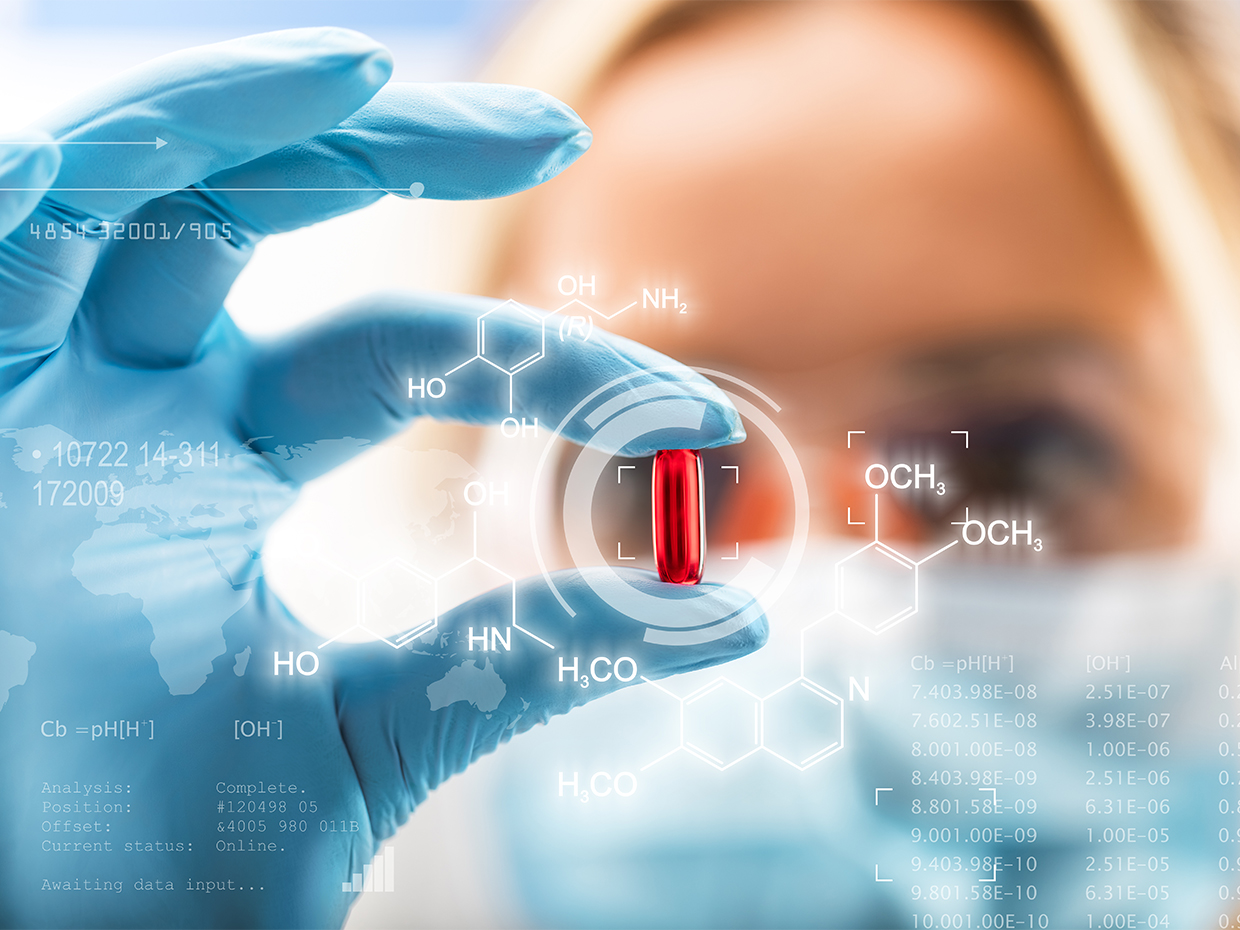

Complete guide to drug development process from discovery to FDA approval. Learn how pharmaceutical companies develop new medicines, clinical trial phases, AI integration, and breakthrough innovations transforming healthcare in 2025.
Introduction
Every medication on pharmacy shelves represents a decade-long odyssey costing billions of dollars with success odds hovering around 10%. The journey from laboratory hypothesis to life-saving medicine involves navigating complex scientific challenges, stringent regulatory requirements, and enormous financial risks. On average, it takes 10-15 years and $2.6 billion to develop one new medicine, including the cost of many failures. Yet despite these daunting statistics, pharmaceutical innovation accelerates—artificial intelligence is expected to power 30% of new drug discoveries by 2025, fundamentally transforming this trillion-dollar industry.
Understanding the Drug Development Landscape
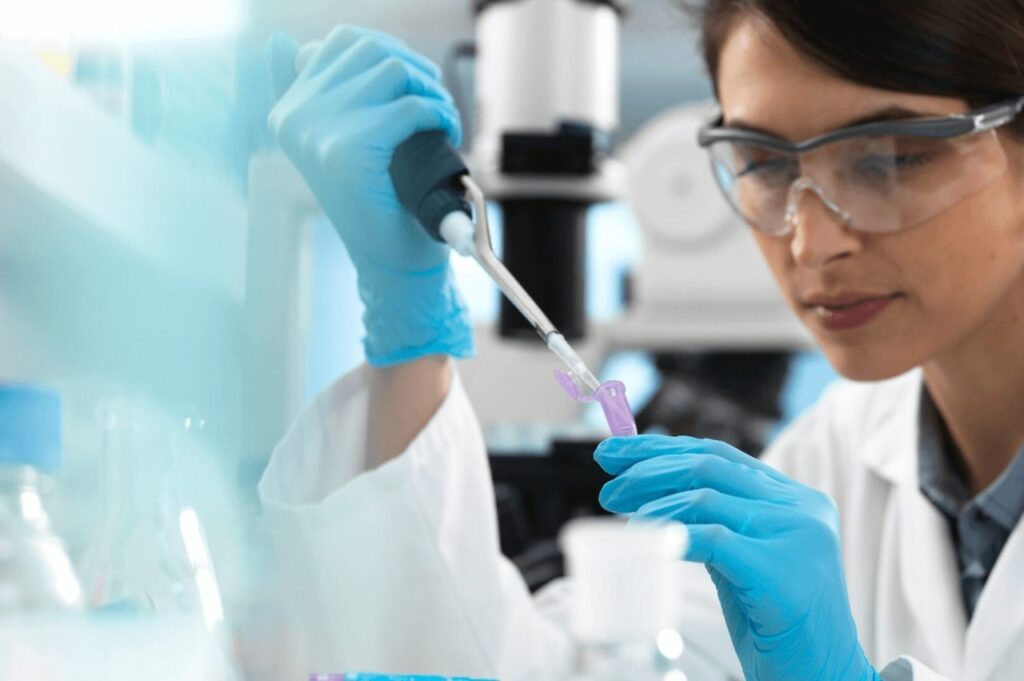
Drug development is the process of bringing a new pharmaceutical drug to the market once a lead compound has been identified through the process of drug discovery. The entire process—from concept through preclinical testing in the laboratory to clinical trial development, including Phase I–III trials—to approved vaccine or drug typically takes more than a decade.
This extended timeline reflects the complexity of ensuring medications are safe and effective before reaching patients. Only about 10% of drugs that enter clinical trials ultimately receive FDA approval, a sobering attrition rate highlighting the difficulty of pharmaceutical innovation. During 2006–2015, the success rate of obtaining approval from Phase I to successful Phase III trials was under 10% on average, and 16% specifically for vaccines.
The Stakes of Pharmaceutical Innovation
Beyond business considerations, drug development addresses pressing healthcare needs critical for public health advancement. Recent global health crises, particularly the COVID-19 pandemic, underscored the importance of rapid, efficient therapeutic solutions. The pharmaceutical industry serves dual purposes: generating returns for investors while developing treatments improving patient outcomes, combating diseases, and addressing emerging health threats.
The Five Critical Phases of Drug Development
Phase 1: Discovery and Target Identification
Drug discovery begins with fundamental research understanding diseases at molecular levels and identifying potential therapeutic targets. Scientists examine biological pathways, genetic factors, and disease mechanisms to pinpoint opportunities for intervention. Candidates for a new drug to treat a disease might, theoretically, include from 5,000 to 10,000 chemical compounds initially evaluated.
Modern Discovery Approaches:
- High-throughput screening evaluating thousands of compounds for biological activity
- Computational modeling predicting drug-target interactions
- Structure-based drug design optimizing molecular fit
- AI and machine learning identifying novel targets from massive datasets
The discovery phase, combined with preclinical development, can take approximately 4-7 years before an Investigational New Drug application filing. During this time, most candidates fail due to toxicity or lack of efficacy, with only 1-2 of every 10,000 tested molecules emerging as viable drugs.
Phase 2: Preclinical Testing
Before any compound can be tested in humans, researchers must conduct preclinical research either in vitro (in test tubes) or in vivo (in animals). The purpose of preclinical research is largely to assess whether a compound has the potential to cause serious harm while examining pharmacodynamics (what the drug does to the body) and pharmacokinetics (what the body does to the drug).
On average, about 250 compounds show sufficient promise for laboratory and animal testing from initial screening. Typically, about ten of these qualify for tests on humans. All preclinical research must comply with the FDA’s good laboratory practice regulations setting standards for data quality, integrity, and reliability.
Key Preclinical Assessments:
- Acute and chronic toxicity studies
- Absorption, distribution, metabolism, and excretion (ADME) profiles
- Pharmaceutical formulation development including stability and bioavailability
- Dosing range determination for human trials
- Genotoxicity and carcinogenicity evaluations
Phase 3: Clinical Trials (Phases I-III)
Clinical trials represent the most expensive, time-consuming phase of drug development, often spanning 8-10 years from first human dose to regulatory submission.
Phase I Trials: These initial studies involve 20-100 healthy volunteers (or patients for cancer drugs) primarily assessing safety, determining safe dosage ranges, and identifying side effects. Phase I establishes maximum tolerated doses and provides preliminary pharmacokinetic data guiding subsequent trials.
Phase II Trials: Enrolling hundreds of patients with the target condition, Phase II trials evaluate drug effectiveness while continuing safety monitoring. These studies employ randomized, controlled designs comparing experimental drugs against placebos or standard treatments. Phase II generates preliminary efficacy data determining whether further development is worthwhile.
Phase III Trials: These pivotal studies involve thousands of patients across multiple sites, definitively establishing efficacy and monitoring adverse reactions. Phase III trials provide comprehensive data supporting regulatory approval, comparing new drugs against existing treatments to demonstrate superiority or non-inferiority. Successful Phase III trials lead to New Drug Application submissions.
Phase 4: FDA Review and Approval
Once an NDA or Biologics License Application is filed, the FDA must act by a set PDUFA date, typically 10 months after filing for standard review or 6 months for priority review granted to drugs addressing serious conditions. During FDA review, multidisciplinary teams including clinical, statistical, pharmacology, and chemistry experts evaluate the complete dossier.
Expedited Pathways: Priority or expedited programs including Fast Track, Breakthrough Therapy, and Accelerated Approval exist to shorten timelines. As of 2024, approximately 66% of approved drugs used one or more expedited designation. These programs enable faster access to treatments for serious conditions while maintaining rigorous safety standards.
If issues arise during review, the FDA issues Complete Response Letters requiring additional data or clarification, potentially adding months or years. However, when satisfied with safety and efficacy evidence, the FDA grants approval to manufacture, market, and distribute drugs in the United States.
Phase 5: Post-Market Surveillance
The journey doesn’t end with approval. Post-marketing surveillance monitors drug performance in the general population, identifying long-term side effects or rare adverse reactions not evident during clinical trials. The FDA conducts routine inspections of manufacturing facilities ensuring regulatory compliance and monitors advertisements and labeling preventing false or misleading claims.
Programs like MedWatch enable healthcare professionals and consumers to report serious problems with medical products, creating ongoing safety monitoring systems protecting public health even after drugs reach the market.
Frequently Asked Questions

Why does drug development take so long and cost so much?
The 10-15 year timeline and $2.6 billion average cost reflect multiple factors: extensive preclinical testing ensuring basic safety before human trials, progressive clinical trial phases involving thousands of patients, rigorous regulatory review protecting public health, high failure rates requiring many failed attempts before one success, and complex manufacturing requiring specialized facilities and quality control. Additionally, development costs include failures—companies must recoup investments in the 90% of candidates that never reach approval through successful products.
How is artificial intelligence changing drug development?
AI is revolutionizing pharmaceutical innovation by raising success odds historically stuck around 10%. By scanning vast datasets, AI pinpoints new therapeutic targets, predicts toxicity early, and optimizes trial design and patient recruitment, reducing costly late-stage failures. Artificial intelligence is expected to power 30% of new drug discoveries by 2025. Big drugmakers are partnering with AI-first startups to tackle declining R&D efficiency. The FDA actively engages, hosting public workshops in 2025 defining how AI integrates into drug and biologic development. In today’s pharmaceutical landscape, a company’s AI strategy is its R&D strategy.
What are expedited approval pathways, and how do they work?
Expedited programs help bring important new drugs to patients more quickly than standard processes. Fast Track designation facilitates development and expedites review for drugs treating serious conditions and filling unmet medical needs. Breakthrough Therapy designation provides intensive FDA guidance for drugs showing substantial improvement over existing therapies. Accelerated Approval allows approval based on surrogate endpoints with post-marketing confirmatory trials. Priority Review shortens FDA review time to 6 months rather than standard 10 months. These pathways maintain safety standards while recognizing that delayed access to breakthrough therapies carries its own risks for patients lacking alternatives.
How do gene therapies and advanced therapies differ from traditional drug development?
Gene therapies and advanced therapies (viral vectors, CAR-T cells, gene-edited cells) often target rare, high-unmet-need diseases with one-time curative intent. The FDA has established special pathways including Regenerative Medicine Advanced Therapy designation to expedite these therapies. Manufacturing is even more complex, involving viral vector supply and cell logistics. Long-term follow-up assesses durability and safety, including insertional oncogenesis risks. Clinical programs often involve small patient numbers in pediatric or rare-disease trials using adaptive designs. The FDA listed dozens of licensed cell and gene therapies as of 2024, reflecting a growing pipeline fundamentally different from small molecule drugs.
What role do patients play in drug development?
Patient involvement has become increasingly central to drug development. Patients participate in clinical trials, providing critical data on safety and efficacy. Patient advocacy groups influence research priorities and funding decisions. Regulatory agencies now require patient-focused drug development, incorporating patient perspectives on meaningful endpoints and acceptable risk-benefit tradeoffs. Digital health technologies enable real-world evidence collection tracking medication performance in everyday settings beyond controlled trials. Patient input shapes everything from trial design to outcome measures, ensuring drug development addresses real-world needs and priorities.
Emerging Trends Transforming Drug Development
Digitalization and Advanced Analytics
Chemistry, Manufacturing, and Controls is being transformed digitally, allowing for data capture, advanced analytics, and decision-making. As pharmaceutical companies integrate digital technologies into CMC processes, they gain real-time insights and more agile workflows across all drug development stages. This improves quality control, regulatory compliance, and accelerates products to market meeting needs for new medicines.
Personalized Medicine and Small-Batch Manufacturing
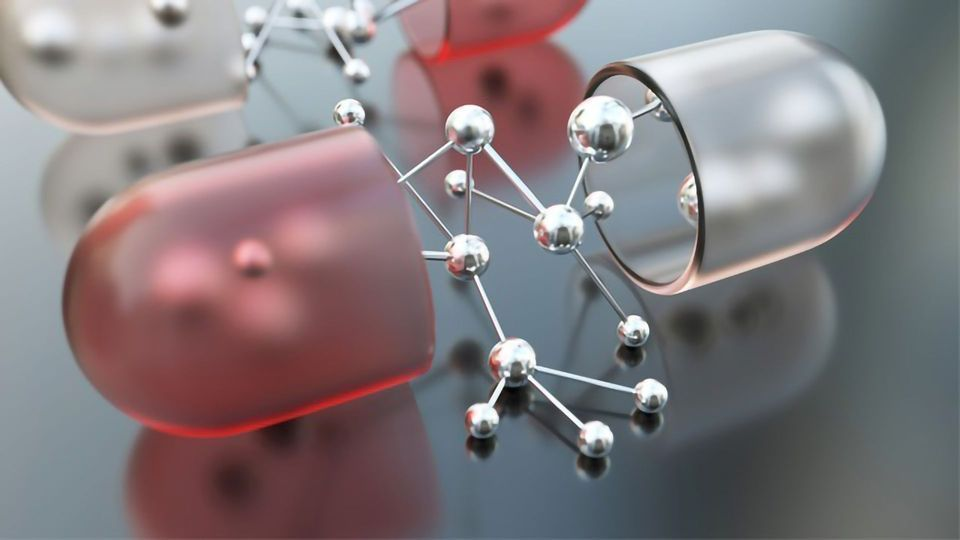
The shift toward personalized medicine is reshaping drug development, increasing demand for smaller, customized production batches tailored to individual needs. Personalized treatments like targeted therapies and gene therapies require unique formulations, prompting pharmaceutical companies to embrace flexible small-batch manufacturing. This approach contrasts sharply with traditional blockbuster drug development focusing on treatments suitable for large patient populations.
Sustainable Pharmaceutical Manufacturing
As environmental regulations intensify, pharmaceutical companies are adopting green and sustainable practices in Chemistry, Manufacturing, and Controls. Green CMC meets environmental standards and consumer expectations for eco-friendly products. Sustainable approaches are becoming industry norms to reduce environmental footprint and prepare for futures where sustainability represents key compliance and marketability components.
The Global Regulatory Landscape
Different countries maintain varying requirements, and navigating this complex regulatory landscape significantly impacts approval processes. While the FDA governs United States approvals, the European Medicines Agency oversees European Union markets, and other nations maintain distinct regulatory frameworks. The International Conference on Harmonisation works toward consensus between regulatory authorities, promoting standardized requirements reducing duplicative testing while maintaining safety standards.
Conclusion
Drug development stands at an inflection point where technological innovation, particularly artificial intelligence, promises to address longstanding challenges of high costs, extended timelines, and frequent failures. The pharmaceutical industry’s ability to deliver breakthrough therapies—from COVID-19 vaccines developed in record time to gene therapies curing previously untreatable genetic diseases—demonstrates remarkable capability when resources and will align.
Yet significant challenges persist. The 90% failure rate demands continued innovation in identifying viable candidates earlier. Manufacturing complexity, particularly for advanced therapies, requires ongoing infrastructure investment. Ensuring equitable access to breakthrough medicines remains an ethical imperative alongside scientific achievement.
For patients awaiting new treatments, families affected by rare diseases, and societies facing emerging health threats, pharmaceutical innovation represents hope materialized through rigorous science, regulatory oversight, and unwavering commitment to improving human health. Understanding this complex journey from laboratory bench to pharmacy shelf illuminates both the remarkable achievements already realized and the tremendous opportunities ahead as drug development enters its most transformative era.