
Introduction
Right now, your body is running a delivery service of staggering scale. Every single second, your heart pumps roughly 25 trillion tiny cells through nearly 60,000 miles of blood vessels, carrying life-sustaining oxygen to every tissue, organ, and cell you have. Those cells are erythrocytes, better known as red blood cells, and they are among the most specialized and fascinating cells in the human body.
Most of us only think about red blood cells when something goes wrong; an anemia diagnosis, a blood test result flagged by the doctor, or an athlete wondering how to improve performance. But understanding how these cells work, what they need to thrive, and what happens when their numbers or quality decline can give you powerful insight into your overall health.
In this post, we’ll cover everything you need to know about erythrocytes: what they are, how they’re made, what they do, how long they live, what can go wrong, and how to keep them healthy. Think of it as a guided tour of one of your body’s most essential systems.
What Are Erythrocytes?
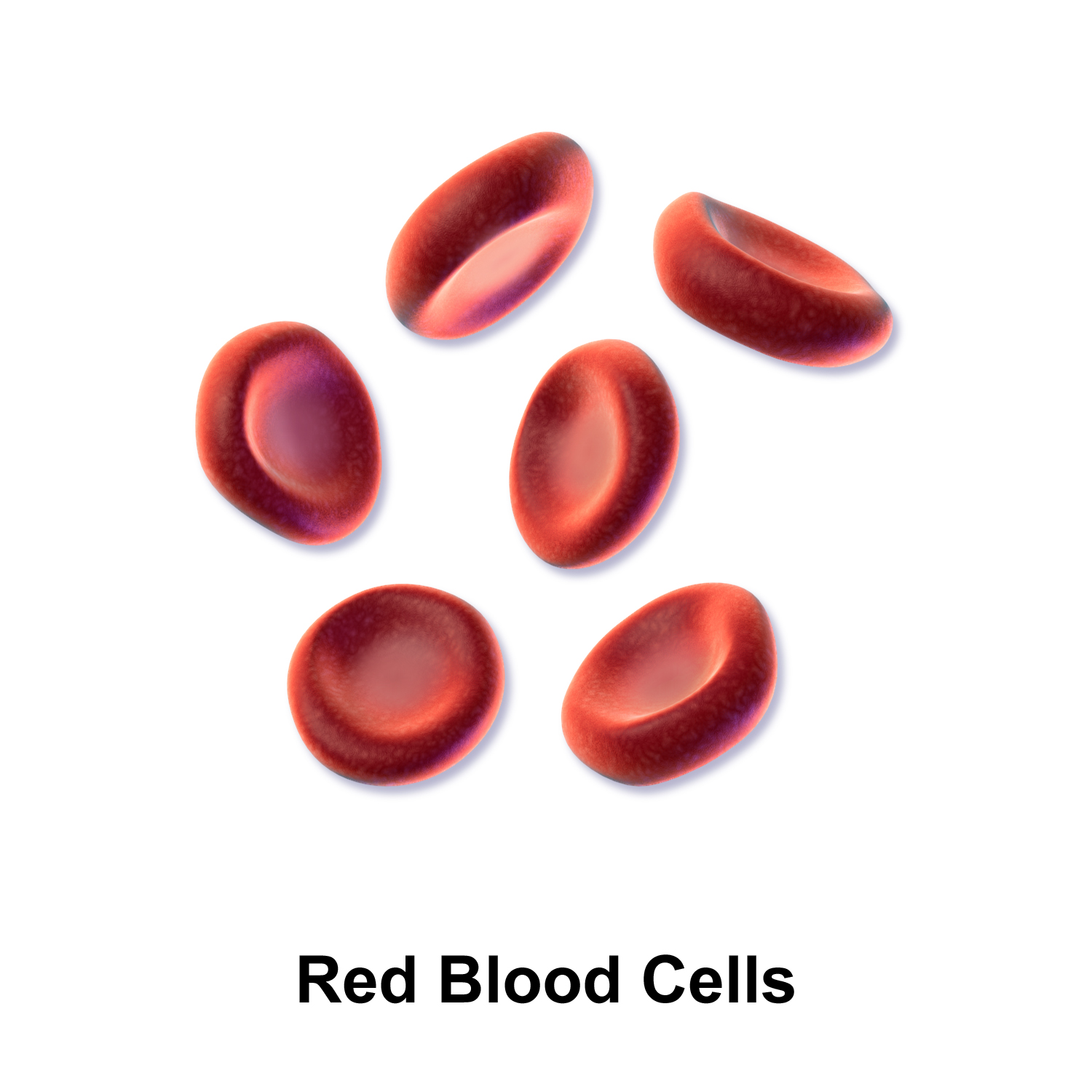
Erythrocytes from the Greek erythros (red) and kytos (cell), are the most abundant cells in human blood. A single drop of blood contains approximately 5 million red blood cells, and a healthy adult body houses somewhere between 20 and 30 trillion of them at any given time.
What makes erythrocytes distinctive is their shape: a biconcave disc, like a donut that hasn’t been punched through. This concave shape maximizes surface area relative to volume, allowing more efficient gas exchange. It also gives the cells enough flexibility to squeeze through the narrowest capillaries, some are barely wider than the cell itself.
Unlike most cells in your body, mature erythrocytes have no nucleus and no mitochondria. They shed these structures during development to make more room for hemoglobin, the iron-containing protein that gives red blood cells their color and carries out their primary job: transporting oxygen.
This structural simplicity is both a strength and a limitation. Red blood cells can’t repair themselves or divide. They have a fixed lifespan of typically 100 to 120 days, after which they’re recycled by the spleen and liver.
How Are Red Blood Cells Made?
The process of red blood cell production is called erythropoiesis, and it takes place primarily in the red bone marrow which is found in the pelvis, sternum, vertebrae, and ends of long bones in adults.
The process begins with a type of stem cell called a hematopoietic stem cell, which gradually differentiates through several intermediate stages, progressively filling with hemoglobin and eventually expelling its nucleus to become a mature erythrocyte. From stem cell to mature red blood cell takes about 7 days.
The Role of Erythropoietin (EPO)
Production is tightly regulated by a hormone called erythropoietin (EPO), produced mainly by the kidneys. When your tissues detect low oxygen levels (whether from altitude, illness, or blood loss) the kidneys release more EPO, signaling the bone marrow to ramp up red blood cell production.
This is why athletes training at altitude experience a natural boost in red blood cell count, and why synthetic EPO has been misused as a performance-enhancing drug in endurance sports. It’s also why people with chronic kidney disease often develop anemia; damaged kidneys can’t produce enough EPO to sustain adequate red blood cell levels.
Nutrients Required for Production
Erythropoiesis demands specific raw materials. The most critical include:
- Iron: a core component of hemoglobin; deficiency is the world’s leading cause of anemia
- Vitamin B12: essential for DNA synthesis during cell division; deficiency causes large, dysfunctional red blood cells
- Folate (Vitamin B9): works alongside B12 in the same pathway
- Vitamin C: enhances iron absorption from plant-based foods
- Copper: supports iron metabolism and hemoglobin synthesis
What Do Erythrocytes Actually Do?
The headline function of red blood cells is oxygen transport, but the full picture is more nuanced.
Oxygen Delivery
Hemoglobin — each red blood cell contains about 270 million molecules of it — binds to oxygen in the lungs, where oxygen concentration is high, and releases it in tissues where oxygen concentration is low. Each hemoglobin molecule can carry four oxygen atoms simultaneously, making this an extraordinarily efficient delivery system.
Carbon Dioxide Removal
On the return trip, erythrocytes help remove carbon dioxide (CO₂), a waste product of cellular metabolism. About 20–25% of CO₂ in the blood is carried by hemoglobin itself; another 70% is transported as bicarbonate ions, a conversion that red blood cells facilitate through an enzyme called carbonic anhydrase. This CO₂ is then exhaled through the lungs.
Acid-Base Balance
Because of their role in CO₂ transport and bicarbonate regulation, red blood cells play a meaningful part in maintaining the pH balance of your blood, a tightly controlled range of 7.35 to 7.45. Even small deviations from this range can impair enzyme function and be life-threatening.
Nitric Oxide Signaling
Emerging research has highlighted another role: red blood cells store and release nitric oxide (NO), a molecule that helps regulate blood vessel dilation and blood flow. A 2022 study in Nature Cardiovascular Research suggested that hemoglobin’s interaction with nitric oxide plays a more dynamic role in cardiovascular regulation than previously understood, an active area of ongoing investigation.
The Red Blood Cell Lifespan: Birth, Circulation, and Recycling
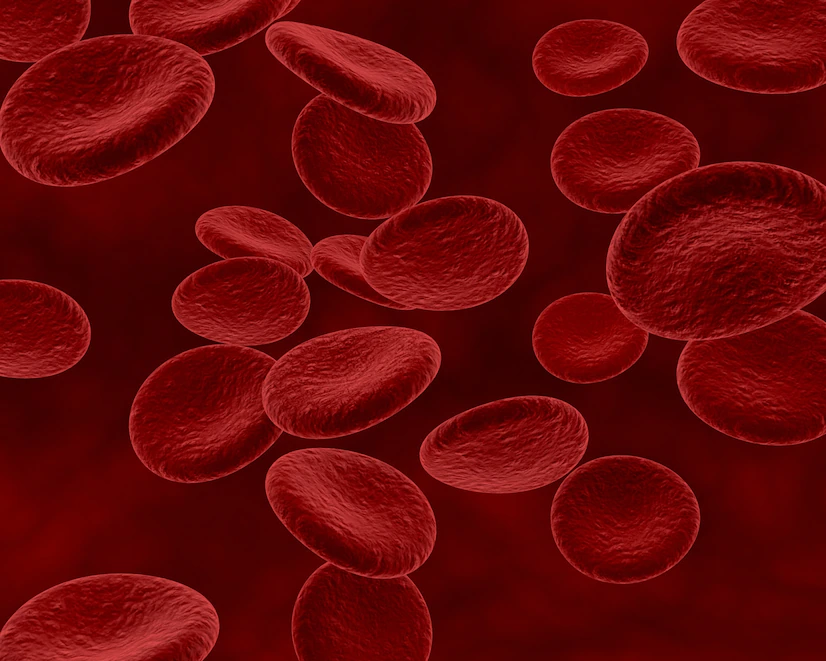
A red blood cell lives approximately 100 to 120 days, a relatively short life for a cell, but one packed with purpose. During that time, a single erythrocyte travels roughly 300 miles through your circulatory system.
As red blood cells age, they become less flexible and are eventually recognized and removed by macrophages (immune cells) in the spleen, liver, and bone marrow, a process called eryptosis or, more broadly, phagocytosis of senescent red cells.
Hemoglobin Recycling
Nothing is wasted. When red blood cells are broken down, their components are meticulously recycled:
- Globin proteins are broken into amino acids and reused
- Heme is converted to biliverdin, then bilirubin: the yellow pigment processed by the liver and excreted in bile (it’s what gives bruises their yellow color as they heal)
- Iron is reclaimed and returned to the bone marrow to make new hemoglobin
The liver’s ability to process bilirubin is why liver disease can cause jaundice, a yellowing of the skin and eyes when bilirubin builds up in the blood.
What Happens When Something Goes Wrong: Common Red Blood Cell Disorders
Red blood cell disorders are among the most common health conditions globally. Understanding them helps you recognize warning signs early.
Anemia
Anemia occurs when there aren’t enough healthy red blood cells or enough hemoglobin to carry adequate oxygen to your body’s tissues. The World Health Organization (WHO) estimates that anemia affects 1.92 billion people worldwide, making it one of the most prevalent nutritional and hematological conditions globally (WHO, 2023).
Common types include:
- Iron-deficiency anemia: the most common type; caused by insufficient iron intake, poor absorption, or blood loss
- Vitamin B12 deficiency anemia (pernicious anemia): often due to poor absorption rather than low intake
- Folate-deficiency anemia: common in pregnancy and with poor dietary intake
- Aplastic anemia: bone marrow fails to produce enough blood cells; a serious, rarer condition
- Anemia of chronic disease: associated with long-term inflammation, kidney disease, or cancer
Symptoms of anemia typically include fatigue, pallor, shortness of breath, dizziness, and cold hands and feet. See [link to post on understanding anemia symptoms] for a deeper dive.
Sickle Cell Disease
Sickle cell disease (SCD) is an inherited condition in which a genetic mutation causes hemoglobin to form abnormal chains. Under low-oxygen conditions, affected red blood cells warp into a rigid, crescent (“sickle”) shape. These cells block blood vessels, cause severe pain episodes (called vaso-occlusive crises), and are destroyed rapidly, leading to chronic anemia.
SCD predominantly affects people of African, Mediterranean, Middle Eastern, and South Asian descent. According to the CDC, approximately 100,000 Americans live with sickle cell disease. Research into gene therapy treatments for SCD has advanced considerably; in December 2023, the FDA approved two gene therapies, Casgevy and Lyfgenia, representing a landmark in the treatment of this condition.
Polycythemia (Too Many Red Blood Cells)
The opposite of anemia, polycythemia involves an overproduction of red blood cells, which thickens the blood and raises the risk of clots, stroke, and heart attack. Polycythemia vera is a rare bone marrow disorder; secondary polycythemia can result from chronic hypoxia (as in sleep apnea or high-altitude living) or EPO misuse.
Thalassemia
Thalassemia is an inherited blood disorder in which the body produces abnormal or insufficient hemoglobin. Severity ranges from mild (thalassemia trait, often symptom-free) to severe (thalassemia major, requiring regular blood transfusions). It is particularly prevalent in Mediterranean, South Asian, Southeast Asian, and African populations.
Reading Your Red Blood Cell Lab Results
If you’ve ever had a complete blood count (CBC), (one of the most commonly ordered lab tests) you’ve already seen erythrocyte data, even if the terminology felt confusing. Here’s what those numbers mean.
Key Red Blood Cell Markers
- RBC count: The actual number of red blood cells per microliter of blood. Normal range: 4.5–5.5 million/µL for men; 4.0–5.0 million/µL for women.
- Hemoglobin (Hgb): The amount of hemoglobin in the blood. Normal: 13.5–17.5 g/dL for men; 12.0–15.5 g/dL for women.
- Hematocrit (Hct): The percentage of blood volume made up of red blood cells. Normal: 41–53% for men; 36–46% for women.
- MCV (Mean Corpuscular Volume): The average size of red blood cells. Low MCV suggests iron deficiency; high MCV suggests B12 or folate deficiency.
- Reticulocyte count: Measures immature red blood cells; a high count suggests the bone marrow is working hard (e.g., after blood loss); a low count may indicate a bone marrow problem.
These numbers together paint a detailed picture of your red blood cell health. Always discuss results with your healthcare provider, context matters enormously in interpreting lab values.
How to Support Healthy Red Blood Cells
The good news is that many factors influencing red blood cell health are within your control.
Eat a Nutrient-Dense Diet
Prioritize foods that provide the building blocks erythropoiesis demands:
- Iron: Red meat, poultry, fish, lentils, tofu, spinach, fortified cereals. Pair plant-based iron sources with vitamin C to enhance absorption.
- Vitamin B12: Animal products (meat, fish, eggs, dairy). Those following vegan diets should supplement or eat B12-fortified foods.
- Folate: Leafy greens, legumes, oranges, fortified grains.
- Copper: Shellfish, nuts, seeds, whole grains.
Stay Hydrated
Blood volume (and therefore red blood cell concentration) is affected by hydration. Dehydration can falsely elevate hematocrit readings and thicken blood, placing strain on the cardiovascular system.
Exercise Regularly
Aerobic exercise stimulates EPO production, supporting healthy red blood cell turnover. Endurance activities like running, cycling, and swimming are particularly effective. High-intensity training at altitude amplifies this effect further.
Avoid Smoking
Smoking dramatically impairs oxygen delivery even when red blood cell counts are normal. Carbon monoxide in cigarette smoke binds to hemoglobin much more tightly than oxygen, effectively “locking” hemoglobin and reducing its oxygen-carrying capacity. See [link to post on smoking and cardiovascular health] for more.
Manage Chronic Conditions
Kidney disease, inflammatory conditions, and autoimmune disorders can all impair erythropoiesis. Working with your doctor to manage these conditions protects your red blood cell health downstream.
Key Takeaways
- Erythrocytes are the most abundant cells in your blood, and their primary job is carrying oxygen from your lungs to every tissue in your body, and helping remove CO₂ on the return trip.
- Red blood cells live about 100–120 days, are produced in the bone marrow, and require adequate iron, B12, and folate to be made properly.
- Anemia (too few or dysfunctional red blood cells) affects nearly 2 billion people globally and is most commonly caused by iron deficiency, but can have many other causes worth investigating.
- A complete blood count (CBC) gives your doctor a detailed snapshot of your red blood cell health; understanding your own results puts you in a better position to have informed conversations with your healthcare team.
- You can support healthy erythrocyte production through a nutrient-rich diet, regular aerobic exercise, adequate hydration, and not smoking.
Closing: Small Cells, Big Impact
Your red blood cells may be invisible to the naked eye, but their impact on how you feel every day is enormous. Energy levels, endurance, mental clarity, and even cardiovascular health are all downstream of how well these tiny cells do their job.
If you’ve been feeling persistently fatigued, short of breath, or just “off,” it’s worth asking your doctor for a complete blood count. It’s one of the simplest, most informative tests in medicine, and the results can open the door to real solutions. In the meantime, eating well, staying active, and staying hydrated are investments that pay dividends in red blood cell health and beyond. For more on blood health, explore our related posts on anemia.