
Discover the amazing health benefits of eggplants, learn foolproof cooking methods to avoid mush, get kid-friendly recipes, and simple tips for growing your own.
Introduction: More Than Just a Purple Vegetable
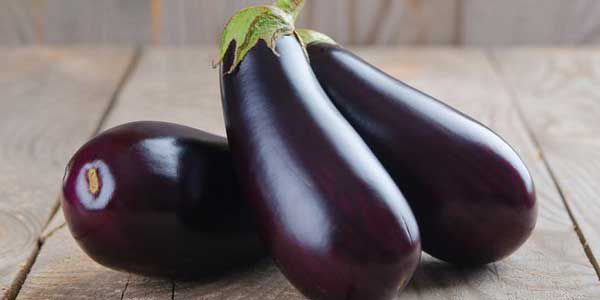
Often overlooked in the produce aisle, the humble eggplant is a nutritional powerhouse and a culinary chameleon waiting to transform your family meals. Far from being bland or boring, this versatile fruit (yes, it’s technically a berry!) boasts an impressive nutrient profile, offers incredible health benefits, and can be cooked in dozens of delicious, kid-friendly ways. Whether you’re looking to boost your family’s fiber intake, find a satisfying meat substitute, or simply add more color to the dinner plate, eggplant is your secret weapon. This comprehensive guide will walk you through everything from its surprising health perks to simple, fail-proof cooking methods and even how to grow your own.
A Deep Dive into Eggplant Nutrition and Health Benefits
Eggplants are a nutrient-dense, low-calorie food, making them an excellent addition to any family’s diet. One cup of raw, cubed eggplant contains approximately 20 calories, 5 grams of carbohydrates, 2.5 to 3 grams of fiber, and less than 1 gram of fat. They are a good source of essential nutrients like manganese, potassium, vitamin K, and vitamin C.
But the real magic lies in its bioactive compounds. Eggplants are packed with powerful antioxidants, particularly anthocyanins—the pigments that give the skin its vibrant purple hue. The primary anthocyanin in eggplant, called nasunin, has been studied for its ability to protect cells from oxidative damage. Here’s how these nutrients translate into tangible health benefits:
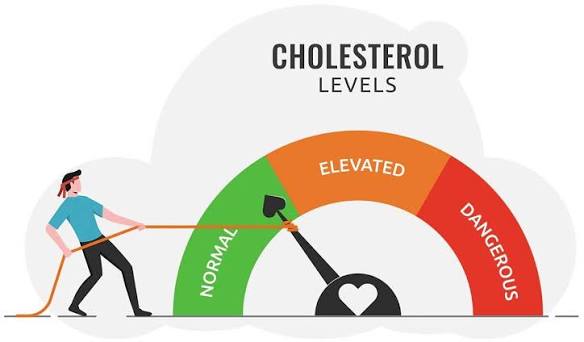
- Promotes Heart Health: The antioxidants in eggplant, including nasunin, help protect against oxidative stress, a key factor in heart disease. Studies suggest these compounds may improve heart function and protect against heart disease, though more human research is needed.
- Supports Blood Sugar Control: Eggplants are high in fiber and polyphenols, which may help reduce blood sugar levels. The fiber slows digestion and sugar absorption, making it a great food for managing energy levels.
- Aids in Weight Management: With high fiber and water content paired with very few calories, eggplants promote feelings of fullness. They can be used as a satisfying, low-calorie replacement for heavier ingredients in many recipes.
- Rich in Cancer-Fighting Compounds: Eggplants contain natural compounds called solasodine rhamnosyl glycosides (SRGs). Laboratory studies have shown that SRGs can trigger the death of cancer cells and may help reduce the recurrence of certain cancers. While eating more fruits and vegetables like eggplant is linked to a lower risk of some cancers, more research is needed on its specific effects in humans.
In the Kitchen: Mastering the Art of Cooking Eggplant
The common complaints about eggplant—that it’s bitter, spongy, or bland—are usually the result of improper preparation. When cooked correctly, it transforms into a creamy, rich, and flavorful ingredient.
Selection and Preparation: Setting Yourself Up for Success
- Choosing the Best: Look for eggplants that are firm, heavy for their size, and have smooth, shiny, taut skin. Avoid those with wrinkles, soft spots, or blemishes. The stem and cap should be bright green.
- To Peel or Not to Peel: The nutrient-rich skin is perfectly edible and helps hold the vegetable together during cooking. For dishes like dips (e.g., baba ganoush), you’ll remove it after roasting, but for most recipes, leave it on.
- The Great Salting Debate: Older, larger eggplants can be bitter due to compounds in their seeds. “Sweating” them with salt draws out this moisture and bitterness. For modern, smaller varieties, this step is often unnecessary. If you prefer to salt: cube or slice the eggplant, sprinkle generously with salt, and let it drain in a colander for 30-60 minutes. Rinse thoroughly and pat very dry before cooking.
Simple, Fail-Proof Cooking Methods
1. Roasting (The Ultimate Method for Flavor):
Roasting at a high temperature caramelizes the natural sugars, creating a deep, sweet, smoky flavor. For cubes: Toss 3cm (1.2-inch) cubes with olive oil, salt, and pepper. Roast at 240°C (450°F) for 20 minutes, flip, then roast for another 10 minutes until caramelized and tender inside. For slices: Brush ½-inch thick slices with oil on both sides, season, and roast at 400°F (204°C) for 30-35 minutes until golden and soft.
2. Grilling:
Brushing slices with oil and grilling over medium-high heat gives a wonderful charred, smoky flavor perfect for salads, sandwiches, or as a side.
3. Sautéing or Frying:
For a richer texture, eggplant can be pan-fried or air-fried. A light coating (like breadcrumbs or a batter) helps it crisp up beautifully. Be mindful of oil absorption; salting first helps reduce this.
Kid-Friendly Recipe Ideas
- “Easy Eggplant Parmigiana”: Use oven-roasted or air-fried slices instead of fried, layer with marinara and cheese, and bake until bubbly.
- “Build-Your-Own Eggplant Tacos”: Use roasted eggplant cubes as a hearty, flavorful filling with all the favorite toppings.
- “Silky Eggplant Dip” (Baba Ganoush): Roast a whole eggplant until collapsed, scoop out the flesh, and blend with tahini, lemon, and garlic for a nutritious snack with pita or veggie sticks.
- “Hidden Veggie Pasta Sauce”: Finely dice and sauté eggplant until soft, then blend it into your favorite tomato-based pasta sauce—it adds body and nutrients without a strong flavor.
Eggplant in the Garden: A Rewarding Project for the Whole Family
Growing eggplant (Solanum melongena) can be a fun and educational project for kids, teaching them where food comes from.
Getting Started
Eggplants are warm-season plants that thrive in heat and full sun. They are typically started from transplants purchased at a nursery.
- When to Plant: Transplant seedlings outdoors only after all danger of frost has passed and soil temperatures are consistently above 50°F (10°C). They require a long, warm growing season.
- Where to Plant: Choose the sunniest spot in your garden (at least 6-8 hours of direct sun). Soil should be fertile and well-drained. Raised beds or large, dark-colored containers are excellent options as they warm up faster.
- How to Plant: Space plants 18 to 24 inches apart. Mix a few inches of compost or aged manure into the planting hole. Stake or cage plants at planting time to support them later when they become heavy with fruit.
Care and Harvesting
- Watering: Keep soil consistently moist but not soggy. Drip irrigation or soaker hoses are ideal. Water stress during flowering can reduce fruit set.
- Feeding: Eggplants are moderate feeders. Apply a balanced, continuous-release fertilizer at planting and again when the first fruits set.
- Harvesting: The perfect time to harvest is when the fruit stops growing and the skin becomes glossy and uniform in color. The flesh should spring back slightly when pressed with a thumbnail. Use pruning shears to cut the fruit from the plant, leaving a short piece of stem attached. Overripe fruit becomes dull, seedy, and bitter.
Table: Popular Eggplant Varieties and Their Best Uses
| Variety | Description | Best Used For |
|---|---|---|
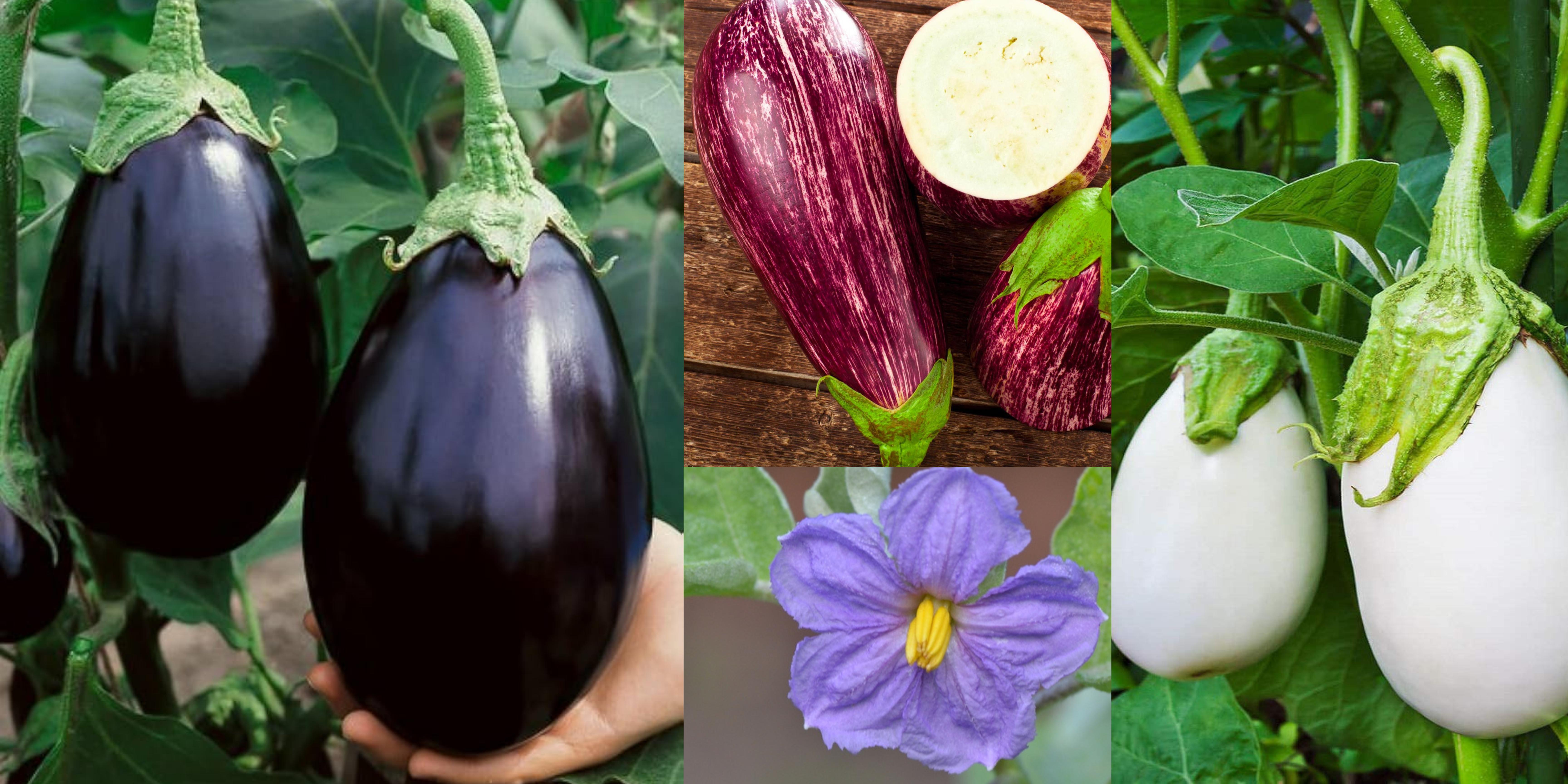
| Classic Globe (e.g., Black Beauty) | The familiar large, teardrop-shaped, deep purple eggplant. | Slicing for Parmesan, roasting in cubes, stuffing. |
| Japanese / Asian (e.g., Ichiban) | Long, slender, thin-skinned with a delicate, sweet flavor. | Quick stir-fries, grilling whole or in slices, pickling. |
| Graffiti / Sicilian | Striated purple and white skin, tender flesh, very few seeds. | Roasting, sautéing, where eye-catching presentation is key. |
| Italian (e.g., Rosa Bianca) | Rounder, lavender and white streaked skin, creamy texture. | Baking, caponata, any dish where a creamy texture is desired. |
| White Egg (e.g., Ghostbuster) | Small, oval, white skin. Historically, this is the type that gave eggplant its name. | Roasting, curiosities in the garden, all-purpose cooking. |
Addressing Common Questions and Concerns
🔍 FAQs: Your Eggplant Questions Answered
Is the solanine in eggplants (a nightshade) harmful?
Eggplants contain trace amounts of solanine, a compound found in nightshade vegetables. For the vast majority of people, the levels are too low to cause any issue, and there is no solid evidence linking it to increased inflammation or arthritis pain. However, if you notice a correlation between eating nightshades and joint discomfort, it’s reasonable to avoid them and consult a healthcare provider.
My cooked eggplant turned out mushy and greasy. What went wrong?
This is typically caused by using too low a temperature or pieces that are too small. Eggplant needs a high heat to quickly caramelize the exterior and “seal” the flesh before it breaks down and absorbs excess oil. Cutting pieces larger (like 3cm / 1.2-inch cubes) and ensuring your oven is fully preheated are the best fixes.
How can I store eggplant to keep it fresh?
Store whole, uncut eggplant in a cool place, ideally in the refrigerator’s crisper drawer. It will keep for about 5-7 days. Once cut, eggplant flesh oxidizes and browns quickly. If you must prepare it ahead, submerge the cut pieces in water with a little lemon juice and refrigerate for no more than a day.
Are there any risks or allergies associated with eggplant?
Allergies to eggplant are rare but possible. Symptoms can include itching or swelling of the lips, mouth, or throat, hives, or nausea. As with any new food, introduce it to children in small amounts and watch for any adverse reactions.
You mention it’s a fruit. Can I use it in sweet dishes?
Absolutely! Its mild, slightly sweet flavor when cooked makes it surprisingly versatile. Try blending roasted eggplant into a chocolate smoothie for added creaminess and nutrients, or look for traditional recipes like eggplant jam or sweet spreads.
Conclusion: Embrace the Versatility of Eggplant
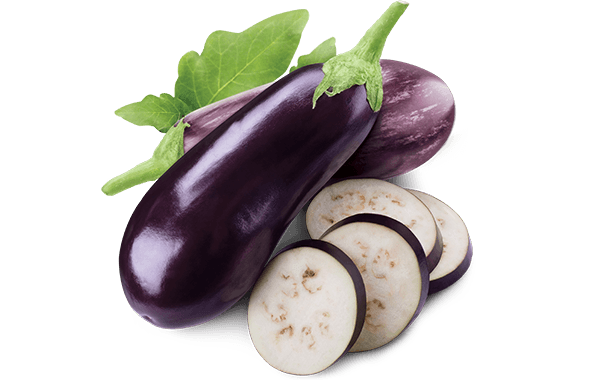
Eggplant is far more than just a spongy purple vegetable. It’s a nutritional ally for your family’s health, a blank canvas for culinary creativity, and a rewarding plant for the home garden. By understanding how to select, prepare, and cook it properly, you can unlock its full potential and discover a world of delicious, healthy meals. So next time you’re at the market, don’t walk past those glossy, purple gems—pick one up and give it a starring role on your dinner table.