
Discover how multidisciplinary teams (MDTs) revolutionize care. Learn the benefits, see real examples, and understand how this collaborative model leads to better health outcomes.
Beyond the Single Doctor: The Rise of a Powerful Collaborative Model

Imagine facing a complex health diagnosis. Instead of navigating a confusing maze of separate specialist appointments, you’re supported by a unified, coordinated team of experts, all working in sync with your personal goals at the center. This is the transformative power of the Multidisciplinary Team (MDT). Far from a mere buzzword, this model represents a fundamental and revolutionary shift in healthcare, dismantling outdated silos to provide truly comprehensive, patient-centered care. For patients, it means better outcomes and a clearer path forward. For healthcare systems, it’s a smarter, more efficient way to tackle our most complex medical challenges. This article explores what MDTs are, why they are so profoundly effective, the challenges they face, and how this collaborative approach is shaping the future of health and wellbeing for everyone.
What Exactly is a Multidisciplinary Team (MDT)?
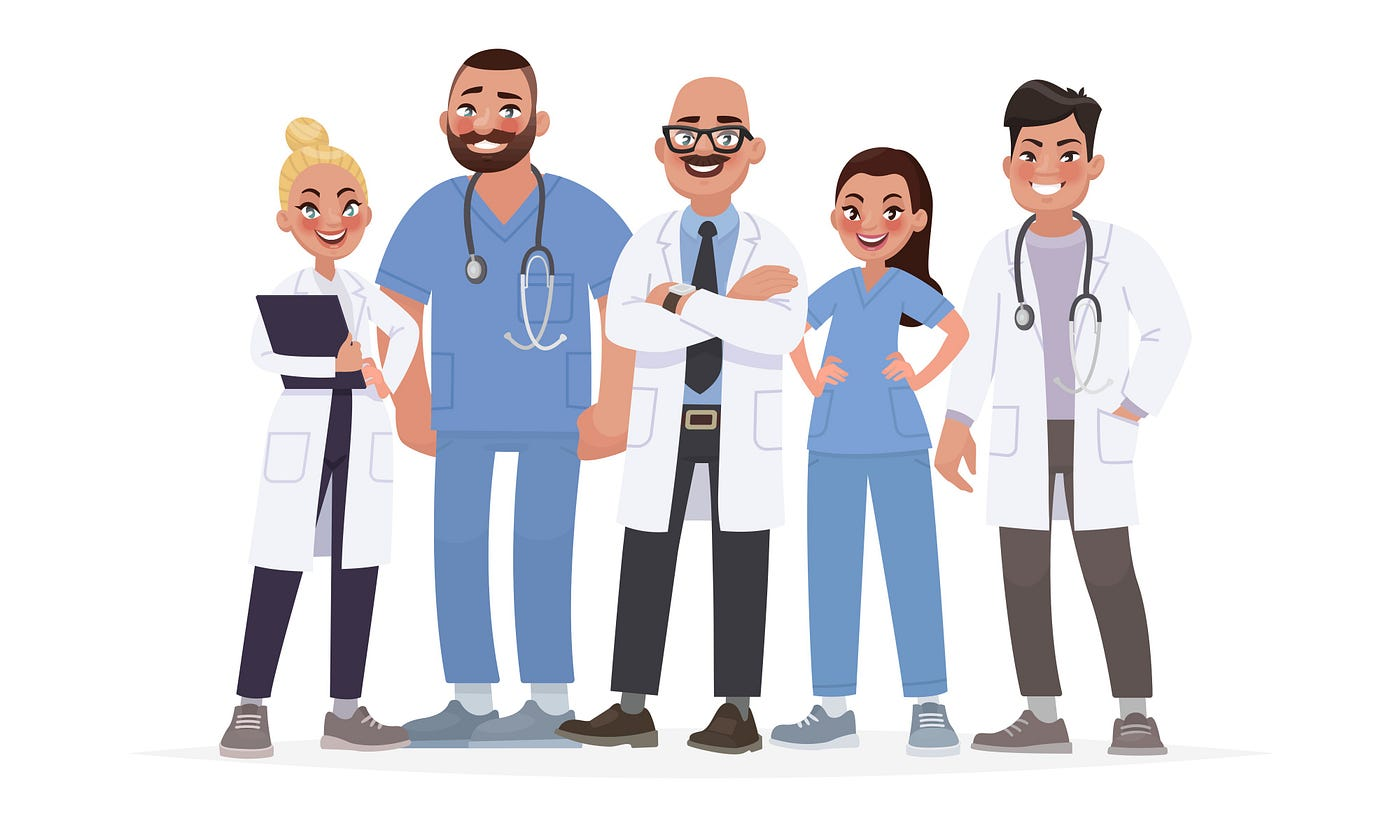
At its core, a Multidisciplinary Team (MDT) is a group of healthcare professionals from different disciplines who come together to provide comprehensive care for a patient. Each member contributes their specialized skills and perspective, creating a holistic support system tailored to the individual’s unique medical, psychological, and social needs.
The key characteristics that define an effective MDT include:
- Diverse Expertise: The team brings together complementary skills from fields like medicine, nursing, therapy, social work, pharmacy, and nutrition.
- Shared Goals: While roles differ, every member is aligned around common objectives for the patient’s health and well-being.
- Collaborative Approach: Care is coordinated through open communication, regular meetings, and consensus-building.
- Patient-Centered Focus: The patient (and often their family) is an integral member of the team. Their values, preferences, and life circumstances actively guide the care plan.
- Coordinated Care: The team works to provide integrated services, ensuring continuity and avoiding gaps or duplication in treatment.
This model stands in contrast to traditional, fragmented care where a patient might independently see multiple specialists who do not communicate. In an MDT, communication flows through a coordinator or in structured meetings, ensuring all pieces of the puzzle fit together.
The MDT in Action: Powerful Examples Across Healthcare
The MDT model is versatile and applied to a wide range of conditions, particularly those that are complex or chronic.
1. Oncology Care (e.g., Lung Cancer)
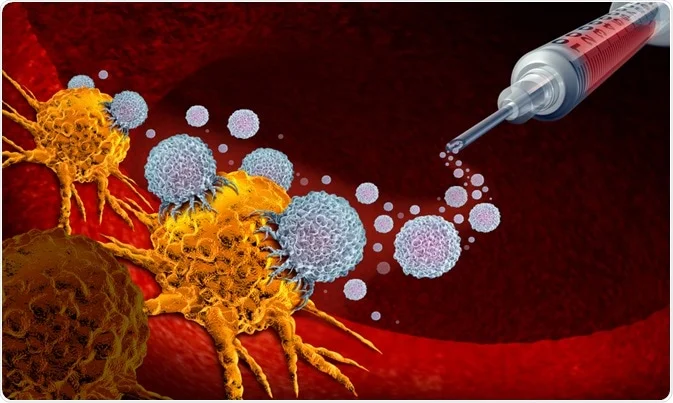
A patient named Jake, diagnosed with lung cancer, might have a team including:
- Oncologist: Oversees chemotherapy.
- Radiation Oncologist: Plans radiation therapy.
- Thoracic Surgeon: Performs surgery if needed.
- Pulmonologist: Manages lung function.
- Nurses: Administer care and provide education.
- Social Worker: Helps with counseling, insurance, and logistics.
- Dietitian & Physical/Occupational Therapists: Address nutritional needs and maintain strength.
This collaborative approach ensures Jake’s treatment attacks the cancer from all angles while supporting his overall quality of life.
2. Mental Health Services
In mental health, MDTs are the standard for comprehensive care. A typical team may include:
- Consultant Psychiatrists for diagnosis and medical treatment.
- Psychiatric Nurses for 24/7 care and therapeutic interventions.
- Clinical Psychologists for specialized psychotherapy.
- Social Workers to address social, emotional, and practical concerns.
- Occupational Therapists to help individuals engage in meaningful daily activities that support recovery.
3. Primary & Chronic Care Management
For managing conditions like diabetes or hypertension in the community, a primary care MDT might involve a General Practitioner (GP), Nurse Practitioner, Pharmacist for medication review, and a Dietitian. This team collaborates on a unified care plan, providing the patient with consistent, reinforced guidance.
Table: MDT Composition in Different Care Settings
| Care Setting | Example Core Team Members | Primary Focus |
|---|---|---|
| Hospital (Surgical/Oncology) | Surgeon, Anesthesiologist, Specialist Nurses, Pharmacist, Physiotherapist | Coordinated acute intervention and in-hospital recovery. |
| Mental Health | Psychiatrist, Psychiatric Nurse, Psychologist, Social Worker, Occupational Therapist | Holistic treatment of mental health conditions, supporting community integration. |
| Primary & Community Care | GP, Nurse, Social Worker, Physiotherapist, Link Worker (for social prescribing) | Managing long-term conditions, prevention, and addressing social determinants of health. |
| Pediatric Care | Pediatrician, Child Psychologist, Speech & Language Therapist, Pediatric Nurse | Addressing developmental, health, and behavioral needs of children. |
The Compelling Benefits: Why the MDT Model Works
Research and real-world implementation consistently show that well-functioning MDTs lead to superior outcomes across the board.
- Improved Patient Outcomes: This is the most significant benefit. MDTs facilitate more accurate diagnoses and more effective, personalized treatment plans. Studies show they reduce mortality, complications, hospital readmissions, and length of stay. For instance, stroke patients cared for by a dedicated MDT are more likely to be alive and independent one year later.
- Enhanced Patient Experience and Satisfaction: Patients report higher satisfaction because they feel heard, informed, and at the center of a cohesive plan. Care is less fragmented and confusing, reducing anxiety and building trust.
- More Efficient and Safer Care: By improving communication, MDTs reduce medical errors, avoid duplicate tests, and streamline workflows. This “well-oiled machine” approach optimizes resource use, saving time and reducing healthcare costs.
- Better Support for Complex Needs: MDTs are exceptionally adept at managing patients with multiple, interconnected conditions (comorbidities) by addressing all aspects of their health simultaneously.
- Higher Staff Satisfaction and Professional Growth: Working in a collaborative environment can reduce burnout. Team members learn from each other, gain respect for different roles, and find more meaning in their work as part of a successful team.
This holistic approach recognizes a fundamental truth we’ve explored before: oral health is deeply connected to overall systemic health. Just as an MDT might manage the oral-systemic link for a diabetic patient, it applies the same interconnected thinking to all aspects of care.
Navigating the Challenges: The Flip Side of Collaboration

Despite its strengths, the MDT model is not without its hurdles. Success requires actively managing these potential pitfalls:
- Communication and Coordination Difficulties: Different professional languages, styles, and hectic schedules can lead to misunderstandings or delays. Regular, structured communication is the antidote.
- Role Confusion and Power Dynamics: Without clear role definition, responsibilities can overlap, leading to conflict. Traditional medical hierarchies can also stifle open input from all team members. Leadership must foster mutual respect and a flat, open culture.
- Resource and Time Intensity: Setting up and maintaining effective MDT meetings requires a significant investment of time and institutional support.
- Risk of Patient Overwhelm: Engaging with numerous professionals can be overwhelming for some patients. The team must coordinate its communication carefully, often using a key worker (like a nurse or social worker) as a main, consistent point of contact for the patient.
When MDTs fail to overcome these challenges, the consequences are serious: fragmented care, patient safety risks, staff frustration, and ultimately, poorer health outcomes.
The Future of Care: Integration, Technology, and Leadership
The future of MDTs lies in deeper integration and smarter support systems.
- Embracing Digital Tools: Shared electronic health records (EHRs), secure messaging platforms, and digital care coordination tools are vital for keeping distributed teams aligned and informed in real-time.
- The Role of Social Prescribing: Modern MDTs increasingly include Social Prescribing Link Workers or Community Connectors. These professionals address non-medical needs—like loneliness, housing, or financial stress—by linking patients to community resources, recognizing that health is shaped by social factors.
- The Critical Role of Collaborative Leadership: Effective MDTs require leaders who foster psychological safety, empower all voices, and focus on shared goals rather than hierarchy. As one healthcare leader noted, creating a true culture of collaboration “is not an event. It’s an ongoing process”.
This leadership mirrors the ethical coordination required in other specialized fields. Just as a patient might be referred to a specific dental specialist for expert care, their overall health journey is now guided by a collaborative team of experts working in concert.
FAQs: Your Questions About Multidisciplinary Teams Answered
How is an MDT different from just seeing several specialists?
The key difference is active coordination. When you see separate specialists independently, they may not communicate with each other. In an MDT, your specialists communicate regularly, share a unified plan, and work toward the same goals together, preventing mixed messages and gaps in your care.
As a patient, how can I tell if my care is being managed by an MDT?
You can ask your primary doctor or specialist: “Is a multidisciplinary team involved in my care?” Signs include having a clear key worker or care coordinator as your main contact, being informed about team meetings where your case is discussed, and receiving a comprehensive, coordinated care plan that addresses different aspects of your health from various providers.
Who leads a multidisciplinary team?
Leadership can vary. Sometimes it’s the physician primarily responsible for the patient’s medical treatment (e.g., an oncologist). In other models, leadership may be shared or rotate. The most important factor is not a single leader’s title, but the presence of effective collaborative leadership that ensures all voices are heard and the team functions smoothly.
What happens if team members disagree on my treatment?
A well-functioning MDT has protocols for this. Disagreements are discussed in team meetings with a focus on evidence and the patient’s best interests. The goal is to reach a consensus. If a major disagreement persists, it may be referred to an ethics committee or a senior clinician for review. The patient’s values and preferences should always be a central part of this discussion.
Can I request a multidisciplinary approach to my care?
Absolutely. You are your own best advocate. If you have a complex condition and feel your care is fragmented, you can ask your current doctor, “Would my case benefit from a multidisciplinary team review?” or “Is it possible to coordinate a meeting with all of my specialists?” While not always feasible for every condition, it is a completely reasonable request.
Conclusion: A Team Sport for Health

The evidence is clear: healthcare at its best is a “team sport”. The multidisciplinary team model moves beyond the legacy of isolated expertise, forging a new standard where collaboration is the engine for healing. For patients, it promises more coherent, compassionate, and effective care. For healthcare systems, it offers a path to greater safety, efficiency, and resilience. While implementing MDTs requires thoughtful effort to overcome challenges of communication and culture, the benefits for outcomes and patient experience are undeniable. As healthcare continues to evolve, the MDT stands not as a passing trend, but as the foundational architecture for the patient-centered, integrated, and holistic care we all deserve.