
Delve into the critical ethical crisis in organ transplantation, from the horrors of illegal harvesting to the promise of lab-grown organs and xenotransplantation. This essential guide separates hope from exploitation.
Introduction
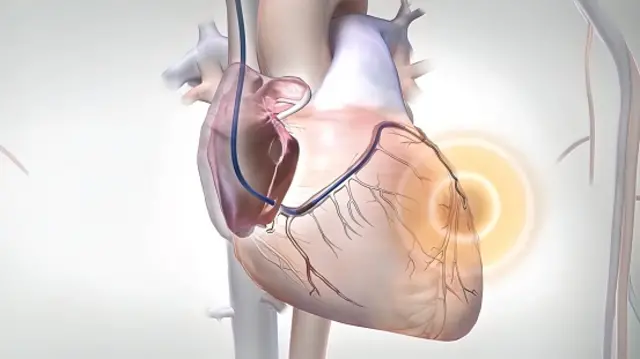
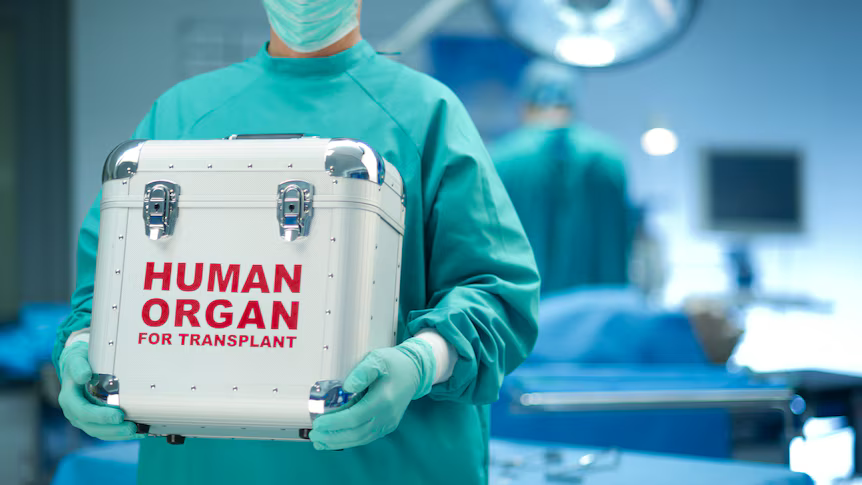
Every day, in hospitals around the globe, a silent, desperate lottery takes place. Patients with failing hearts, kidneys, and livers wait, hoping for a phone call that means life. Meanwhile, a sinister black market thrives in the shadows, preying on this desperation. The field of organ transplantation stands at a stark crossroads—a miraculous, life-saving medical advance mired in one of modern medicine’s most profound ethical crises.
The gap between supply and demand is not just a statistic; it is a chasm of human suffering. This shortage fuels a horrific underground economy of organ harvesting, where the vulnerable are exploited, and the wealthy bypass waiting lists. Yet, on the horizon, scientific breakthroughs like lab-grown tissues and genetically engineered animal organs promise a future where no one has to die waiting, and no one has to be exploited.
This article confronts the brutal ethical realities of the current transplant system and illuminates the pioneering alternatives that could render today’s dilemmas obsolete. We will navigate from the darkness of trafficking to the promise of bioengineering, asking the critical question: How do we save lives without sacrificing our humanity?
Part 1: The Stark Reality – The Organ Shortage and Its Dire Consequences
The core driver of the ethical crisis is a simple, tragic math problem. The need for organs vastly outpaces the supply from deceased and living donors.
- The Waiting List vs. The Death Toll: In the United States alone, over 100,000 people are on the national transplant waiting list. On average, 17 people die each day waiting for an organ. This relentless pressure creates a fertile ground for unethical solutions.
- The Limitations of “Opt-In” Systems: Many countries use an “opt-in” donation system, relying on individual initiative. Even in “opt-out” systems (presumed consent), cultural, religious, and logistical barriers persist. Family refusal at the time of a potential donor’s death remains a significant obstacle.
- The Rise of the Illicit Market: Where legitimate systems fail, illegal networks rise to meet demand. This scarcity creates a brutal economics of life, where a human kidney can command tens of thousands of dollars on the black market.
Part 2: The Ethical Abyss – Exploitation, Trafficking, and Allocation
The shortage forces societies to grapple with seemingly impossible questions about justice, consent, and the value of a human life.
1. The Horror of Organ Trafficking and “Transplant Tourism”
This is the darkest facet of the crisis. As defined by the Declaration of Istanbul, it involves the recruitment, transport, or receipt of people for the purpose of organ removal by coercion or deception.
- The Donor’s Plight: Victims are often impoverished, undocumented, or indebted individuals from developing regions. They may be lied to about the medical risks, offered a paltry sum (much of which is taken by brokers), and left without proper post-operative care. Their “consent” is obtained under conditions of profound economic duress.
- The Recipient’s Risk: Patients engaging in transplant tourism face immense dangers. Organs may not be properly screened for diseases like HIV or hepatitis. Surgical facilities may be substandard, and follow-up care is nonexistent, leading to higher rates of rejection, infection, and death.
2. The Thorny Question of Financial Incentives
To boost supply, some propose regulated financial compensation for living donors or deceased donors’ families. The debate is polarized:
- The “Pro” Argument: Advocates, like economist Alex Tabarrok, argue that a regulated market would increase supply, save lives, and justly compensate donors for their sacrifice and risk. They propose models like government-run compensation to avoid extreme exploitation.
- The “Con” Argument: Opponents, including the World Health Organization, argue it irrevocably commodifies the human body. They contend it would disproportionately exploit the poor, who would be forced by economic circumstances to assume health risks the wealthy would not. It could also erode altruistic donation.
3. The Micro-Ethics of Allocation: Who Gets the Organ?
Even with a legally sourced organ, the question remains: Who gets it? Allocation systems, managed by organizations like the United Network for Organ Sharing (UNOS), must balance multiple, often conflicting, ethical principles:
- Medical Utility: Giving the organ to the person with the best chance of the longest survival.
- Justice: Prioritizing those who have waited the longest.
- Medical Urgency: Saving the person who will die imminently without it.
- Geographic Fairness: Balancing local needs with national equity.
These decisions are agonizing. Should a 70-year-old get a new liver over a 25-year-old? How do we weight a patient’s history of personal responsibility (e.g., alcohol-related liver disease) without engaging in punitive judgment? There is no perfect formula, only a constant striving for fairness in the face of scarcity.
Part 3: The Framework of Protection – Policies, Laws, and Global Action
Combating exploitation requires robust legal and ethical frameworks.
- The Declaration of Istanbul (2008): This landmark document, endorsed by global medical societies, provides clear definitions and guidelines for ethical practice, condemning organ trafficking and transplant tourism.
- The WHO Guiding Principles: They emphasize that organ donation should be voluntary and non-commercial, that the allocation of cells, tissues, and organs should be guided by clinical criteria and ethical norms, and that the promotion of altruistic donation is paramount.
- National Laws: Many countries have enacted laws making organ trafficking a specific criminal offense. The challenge is consistent international enforcement and closing legal loopholes that allow “transplant tourism” to persist.
Part 4: The Hopeful Horizon – Scientific Alternatives to End the Crisis
The most powerful answer to the ethical crisis is to eliminate the shortage itself. Cutting-edge science is working toward this goal.
1. Xenotransplantation: Organs from Animals
This involves transplanting organs from genetically modified animals into humans. The landmark 2022 transplant of a genetically modified pig heart into a human at the University of Maryland Medical Center marked a historic step.
- Promise: Pigs are ideal donors due to organ size similarity. CRISPR gene-editing can modify pig organs to reduce rejection (remove alpha-gal sugar) and improve compatibility.
- Hurdles: Beyond rejection risks, there are concerns about the transmission of animal viruses (xenozoonosis) and significant public acceptance challenges.
2. Tissue Engineering and 3D Bioprinting: Building New Organs
This field aims to create biological structures layer-by-layer using “bio-inks” composed of living cells and supportive scaffolds.
- Current Success: Scientists have successfully implanted lab-grown bladders, tracheas, and skin. Research published in Science has shown progress on bioengineered blood vessels for dialysis access.
- The Grand Challenge: Creating complex, solid organs with intricate vascular networks (to supply oxygen and nutrients) remains the “Holy Grail.” While decades of work may lie ahead, the potential to create patient-specific organs without rejection is revolutionary.
3. Advanced Organ Preservation: Expanding the Donor Pool
Technology is also helping us use the organs we have more effectively.
- Normothermic Regional Perfusion (NRP): In controlled donation after circulatory death, this technique restores blood flow to organs inside the body after death, dramatically improving their viability for transplant.
- Machine Perfusion: Devices that keep donated organs “alive” and functioning outside the body for longer periods, allowing for better assessment, repair, and long-distance transport.
Conclusion: A Moral Imperative for Innovation
The ethical challenges of organ transplantation present a glaring symptom of a system stretched to its breaking point. The horrors of trafficking and the agonizing choices of allocation are direct results of a catastrophic shortage.
While strengthening ethical safeguards and enforcing laws against exploitation are non-negotiable duties, they are ultimately defensive actions. The true offensive strategy—the one that can permanently solve the ethical crisis—lies in scientific innovation. Investing in the research and development of xenotransplantation, tissue engineering, and preservation technology is not just a medical priority; it is a profound moral imperative.
The goal must be a future where the phrase “organ harvesting” is only a dark chapter in medical history books, replaced by “organ manufacturing.” By relentlessly pursuing these alternatives, we can work toward a world where the gift of life is no longer scarce, no one is exploited for their body parts, and the transplant waiting list is a relic of the past. The path forward requires equal parts ethical vigilance and unwavering commitment to scientific progress.
FAQs
Q1: What exactly is “transplant tourism” and why is it unethical?
A1: Transplant tourism involves traveling to another country to purchase an organ for transplantation, often from a living, vulnerable donor or from dubious sources. The World Health Organization and the Declaration of Istanbul condemn this practice because it exploits the poverty of donors, frequently provides substandard post-operative care, and bypasses transparent, ethical allocation systems. It turns a medical need into a commercial transaction that benefits the wealthy at the direct expense of the poor.
Q2: Is opting for “financial incentive” programs for organ donors a viable solution to the shortage?
A2: This is one of medicine’s most contentious debates. Proponents argue regulated incentives (like tax breaks, tuition credits, or funeral expenses) could dramatically increase supply. Opponents, including major global medical bodies, warn it commodifies the human body, coercing the economically desperate into a health risk, and could undermine the altruistic foundation of donation. Most ethical frameworks maintain that organs should be a “gift,” not a commodity, to prevent exploitation.
Q3: How close are we to having lab-grown or 3D-printed organs as a real solution?
A3: Significant progress is being made in “bioprinting” simple tissues like skin, cartilage, and bladder patches, with some already in clinical use. However, creating complex, vascularized solid organs (like hearts, livers, or kidneys) remains a formidable scientific challenge. Researchers are making strides with scaffolds and stem cells, but a future where these are routinely available is likely decades away. This technology represents the brightest hope for ending the shortage without ethical compromise.