
Discover powerful overactive bladder treatment options, identify hidden triggers, and learn life-changing relief strategies. Essential guide to managing OAB symptoms and reclaiming your confidence today.
Introduction
Overactive bladder (OAB) affects approximately 33 million Americans, causing sudden, intense urges to urinate that disrupt daily life and limit social activities. If you’ve ever cancelled plans, avoided travel, or felt anxious about finding the nearest restroom, you understand the profound impact this condition has on quality of life. The good news? Overactive bladder is highly treatable, and most people experience significant improvement with appropriate interventions.
This comprehensive guide reveals everything you need to know about overactive bladder, from understanding the condition to implementing powerful strategies that deliver real relief and restore your confidence.
Understanding Overactive Bladder: Beyond Frequent Bathroom Trips

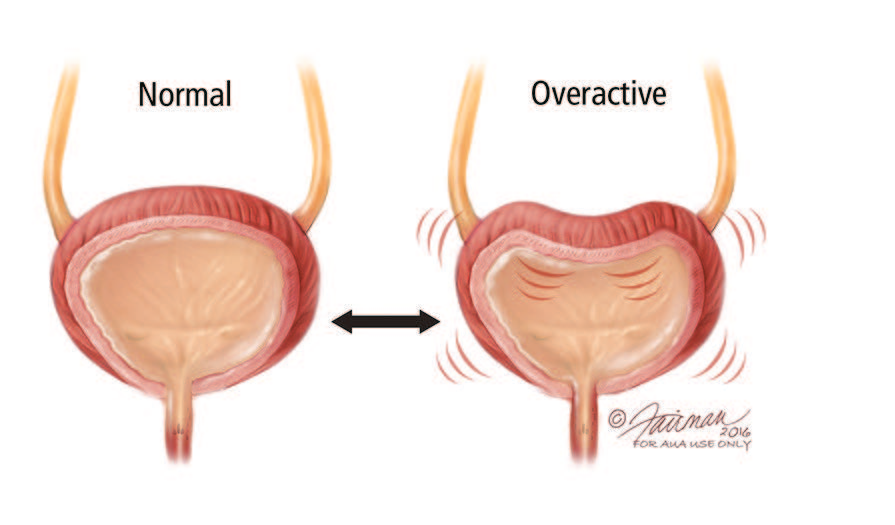
Overactive bladder is a chronic condition characterized by a sudden, compelling urge to urinate that’s difficult to control. This urgency occurs regardless of bladder fullness and often leads to frequent urination—eight or more times in 24 hours—and nocturia, waking two or more times nightly to urinate.
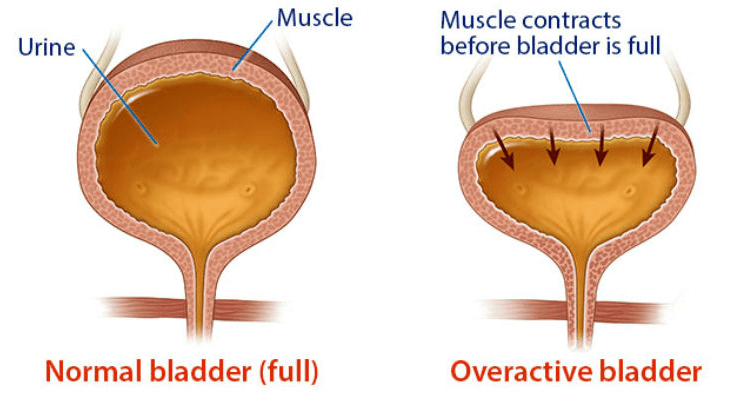
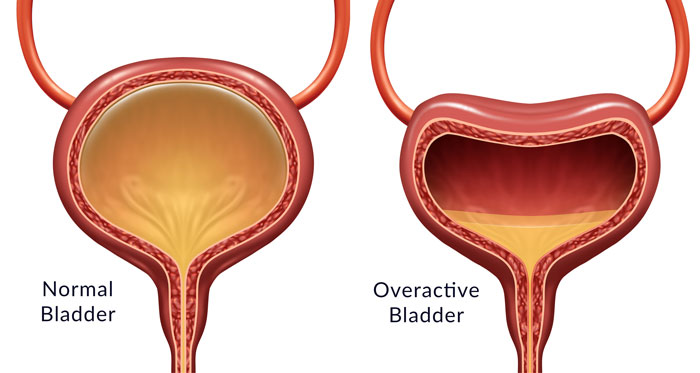
The bladder is a muscular organ that stores urine produced by the kidneys. As urine accumulates, nerve signals communicate between the bladder and brain, triggering the urge to urinate when the bladder reaches appropriate fullness. With OAB, these signals misfire, causing the bladder muscle (detrusor) to contract involuntarily even when the bladder isn’t full.
OAB With or Without Incontinence
OAB exists in two forms. Dry OAB involves urgency and frequency without urine leakage, affecting about two-thirds of OAB patients. Wet OAB, or urgency incontinence, includes involuntary urine loss following sudden urges, affecting approximately one-third of patients. Both types significantly impact quality of life, though urgency incontinence often causes greater distress and lifestyle limitations.
OAB differs from stress incontinence, where leakage occurs during activities increasing abdominal pressure like coughing, sneezing, laughing, or exercise. Some people experience mixed incontinence, combining both urgency and stress incontinence symptoms.
Recognizing the Symptoms That Demand Attention
Understanding OAB symptoms helps you recognize the condition and seek appropriate treatment.
Primary Symptoms
Sudden, urgent need to urinate represents the hallmark symptom. This urgency feels overwhelming and difficult to postpone, often causing anxiety about reaching bathrooms quickly. Frequency involves urinating eight or more times daily, significantly more than the typical 6-7 times for people drinking normal fluid amounts.
Nocturia, waking multiple times nightly to urinate, disrupts sleep quality and causes daytime fatigue. While one nighttime void is normal, especially for older adults, two or more episodes suggest problematic nocturia. Urgency incontinence—leaking urine when unable to reach the bathroom quickly enough—causes embarrassment and significantly impacts confidence and social participation.
Impact on Quality of Life
OAB affects far more than physical comfort. Many people experience anxiety and depression related to symptoms, social isolation from avoiding activities and gatherings, sleep deprivation from nocturia affecting mental wellness, and reduced productivity at work or school. Sexual intimacy may suffer due to fear of accidents or embarrassment. Understanding these broader impacts emphasizes why treating OAB is crucial for overall wellbeing.
Common Causes and Risk Factors
Multiple factors contribute to OAB development, and understanding your specific triggers enables targeted treatment.
Underlying Medical Conditions
Neurological disorders including multiple sclerosis, Parkinson’s disease, stroke, or spinal cord injuries can disrupt nerve signals controlling bladder function. Diabetes damages nerves and increases urine production, contributing to OAB symptoms. Urinary tract infections cause temporary urgency and frequency that typically resolve with antibiotic treatment.
Bladder stones or tumors can irritate the bladder, causing OAB-like symptoms. Enlarged prostate in men obstructs urine flow, leading to incomplete bladder emptying and subsequent urgency. Prior pelvic surgery or radiation may damage nerves or bladder tissue.
Lifestyle and Dietary Factors
Certain beverages and foods irritate the bladder, worsening symptoms. Caffeine in coffee, tea, energy drinks, and chocolate acts as a diuretic and bladder irritant. Alcohol increases urine production and irritates bladder lining. Carbonated beverages, artificial sweeteners, acidic foods like citrus and tomatoes, and spicy foods can trigger symptoms in sensitive individuals.
Inadequate fluid intake seems counterintuitive, but drinking too little concentrates urine, irritating the bladder. Conversely, excessive fluid intake overwhelms bladder capacity. Finding the right balance is essential.
Age and Gender Factors
OAB prevalence increases with age as bladder muscles weaken and capacity often decreases. Women experience higher rates than men, likely due to pregnancy, childbirth, and menopause effects on pelvic floor muscles and tissues. However, OAB affects both genders across all adult age groups, and men with prostate issues face particular vulnerability.
Other Risk Factors
Obesity increases abdominal pressure on the bladder, worsening symptoms. Weight loss often improves OAB significantly. Chronic constipation and straining during bowel movements weakens pelvic floor muscles. Smoking irritates the bladder and is associated with increased OAB risk. Family history suggests genetic predisposition to OAB in some cases.
Comprehensive Diagnostic Approaches
Accurate diagnosis ensures appropriate treatment and rules out other conditions causing similar symptoms.
Initial Evaluation
Your healthcare provider will conduct a detailed medical history exploring symptom patterns, fluid intake, medications, and medical conditions. A physical examination, including pelvic exam for women and prostate exam for men, identifies structural abnormalities or other issues.
Bladder Diary
Keeping a bladder diary for 3-7 days provides invaluable diagnostic information. Record fluid intake amounts and timing, urination times and volumes, urgency episodes and intensity, incontinence episodes, and activities preceding symptoms. This detailed log reveals patterns helping guide treatment decisions.
Diagnostic Tests
Urinalysis checks for infection, blood, or other abnormalities. Post-void residual measurement uses ultrasound or catheterization to determine urine remaining after urination—significant residual suggests incomplete emptying requiring different treatment approaches.
Urodynamic testing evaluates bladder function and pressure during filling and emptying. While not always necessary, these tests help diagnose complex cases or when initial treatments fail. Cystoscopy allows direct bladder visualization through a thin, flexible scope, identifying stones, tumors, or other structural issues.
Powerful Treatment Options That Transform Lives
According to the Urology Care Foundation, a comprehensive treatment approach combining behavioral modifications, lifestyle changes, and when needed, medications or procedures provides optimal results for most OAB patients.
Behavioral Therapies
Bladder training, also called scheduled voiding, gradually increases intervals between urination. Start by urinating on a set schedule rather than responding to every urge. When urges occur between scheduled times, use distraction and relaxation techniques to postpone urination. Gradually extend intervals by 15-30 minutes every week or two until reaching 3-4 hour intervals.
This retraining teaches your bladder to hold more urine and reduces urgency over time. Success requires commitment and patience—improvement typically takes 6-12 weeks.
Pelvic floor muscle exercises, commonly called Kegel exercises, strengthen muscles supporting bladder control. To perform Kegels, identify pelvic floor muscles by stopping urination midstream (do this only to locate muscles, not as regular practice). Tighten these muscles, hold for 3-5 seconds, then relax for 3-5 seconds. Gradually increase hold time to 10 seconds. Perform 10 repetitions, three times daily.
Consistency is crucial—like any exercise program, results require weeks to months of regular practice. A physical therapist specializing in pelvic floor health can ensure proper technique and develop personalized programs.
Lifestyle Modifications
Identify and limit bladder irritants through systematic elimination. Remove potential triggers one at a time for 1-2 weeks, noting symptom changes. Common irritants include caffeine, alcohol, carbonated beverages, artificial sweeteners, citrus fruits and juices, tomato-based products, spicy foods, and chocolate.
Optimize fluid intake by drinking adequate amounts—typically 6-8 cups daily—while avoiding excessive consumption. Spread intake throughout the day rather than consuming large amounts at once. Reduce evening fluid intake to minimize nocturia, stopping 2-3 hours before bedtime.
Maintain healthy weight management through balanced nutrition and regular physical activity. Even modest weight loss significantly improves OAB symptoms in overweight individuals.
Manage constipation through adequate fiber intake, proper hydration, and regular physical activity. Chronic constipation worsens OAB by affecting pelvic floor function and increasing bladder pressure.
Quit smoking, as tobacco irritates the bladder and coughing from smoking increases incontinence risk. Smoking cessation improves multiple aspects of health beyond bladder function.
Pharmacological Treatments
When behavioral modifications prove insufficient, medications can significantly improve symptoms. Anticholinergic medications block nerve signals causing involuntary bladder contractions. Options include oxybutynin, tolterodine, darifenacin, solifenacin, and trospium. Side effects may include dry mouth, constipation, blurred vision, and cognitive effects in older adults.
Beta-3 agonists like mirabegron work through different mechanisms, relaxing bladder muscles to increase capacity. These medications typically cause fewer side effects than anticholinergics but may increase blood pressure.
Topical estrogen for postmenopausal women helps restore vaginal and urethral tissues, improving symptoms related to hormonal changes. This local treatment avoids systemic hormone therapy risks.
Your healthcare provider will select medications based on your specific symptoms, other medications, and medical conditions. Don’t discontinue medications without consulting your provider—some require gradual tapering.
Advanced Therapies
For patients not responding adequately to behavioral modifications and medications, advanced treatments offer additional options.
Botulinum toxin (Botox) injections into the bladder muscle temporarily paralyze overactive areas, reducing urgency and frequency. Effects last 6-9 months, requiring repeat treatments. This procedure helps many medication-resistant patients but may cause urinary retention requiring temporary catheterization.
Nerve stimulation therapies modulate nerve signals between brain and bladder. Percutaneous tibial nerve stimulation (PTNS) involves weekly 30-minute sessions stimulating a nerve in the ankle. Sacral neuromodulation implants a small device near the tailbone, continuously sending electrical pulses to bladder-controlling nerves. These approaches help many patients achieve significant symptom relief.
Surgical interventions remain options for severe, treatment-resistant cases. Procedures aim to increase bladder capacity or improve bladder function through various techniques. Surgery is typically considered only after exhausting conservative treatments.
Essential Self-Care and Daily Management Strategies
Successful OAB management extends beyond medical treatments to encompass daily lifestyle practices.
Bathroom Mapping and Planning
When leaving home, identify bathroom locations in advance. Many smartphone apps locate public restrooms. This planning reduces anxiety and increases confidence participating in activities. Allow extra time for bathroom stops when traveling.
Carry emergency supplies including absorbent pads or protective undergarments, spare clothing, and personal wipes. While these don’t treat OAB, they provide security and confidence managing unexpected situations.
Clothing Choices
Wear clothing that’s easy to remove quickly—elastic waistbands, skirts with zippers, or pants with simple fasteners. Avoid complicated buttons, belts, or restrictive garments that delay bathroom access.
Sleep Optimization
Improve sleep quality despite nocturia by limiting evening fluids, emptying your bladder before bed, keeping a clear, well-lit path to the bathroom, and using nightlights to prevent falls during nighttime trips. Elevate legs for 30-60 minutes before bed to reduce fluid accumulation in lower extremities that redistributes when lying down, reducing nighttime urine production.
Exercise and Physical Activity
Regular exercise benefits OAB by supporting weight management, strengthening core and pelvic muscles, and improving overall health. Choose activities that don’t worsen symptoms—low-impact exercises like swimming, walking, or cycling are often well-tolerated. Explore appropriate workout routines for your fitness level.
Avoid high-impact activities that increase abdominal pressure if they worsen symptoms. Empty your bladder before exercising. Wear absorbent protection if needed for confidence during activities.
Stress Management
Stress and anxiety worsen OAB symptoms through multiple mechanisms. Practice stress reduction techniques including deep breathing exercises, progressive muscle relaxation, meditation or mindfulness, and regular physical activity. Consider professional counseling if anxiety about OAB significantly impacts your life.
Social Support
Don’t isolate yourself due to OAB. Share your condition with trusted friends and family who can provide understanding and support. Many people with OAB withdraw from social activities, but this isolation worsens mental wellness. With proper management strategies, you can continue enjoying meaningful social connections.
Consider joining support groups where you can share experiences and coping strategies with others managing similar challenges. Online communities provide connection and practical advice.
Special Populations and Considerations
Women’s Health
Pregnancy and childbirth stretch and weaken pelvic floor muscles, increasing OAB risk. Prenatal and postpartum pelvic floor exercises help prevent or minimize symptoms. Menopause-related hormonal changes affect bladder and urethral tissues. Topical estrogen therapy helps many postmenopausal women with OAB symptoms.
Men’s Health
Prostate enlargement commonly contributes to male OAB. Treating the underlying prostate condition often improves bladder symptoms. Some prostate medications may worsen OAB, requiring adjustment or alternative treatments.
Older Adults
Aging increases OAB risk through multiple mechanisms including decreased bladder capacity, reduced muscle strength, and increased likelihood of contributing medical conditions. However, OAB isn’t inevitable with aging—treatment remains effective regardless of age.
Medication selection for older adults requires careful consideration of cognitive effects and drug interactions. Behavioral approaches may be emphasized first-line, with medications added only if necessary.
People With Mobility Limitations
Physical disabilities or mobility impairments compound OAB challenges. Occupational therapists can suggest home modifications improving bathroom access. Assistive devices, bedside commodes, or urinals may help manage symptoms while maintaining dignity and independence.
Prevention and Long-Term Management
While not all OAB is preventable, certain practices reduce risk and support long-term bladder health.
Maintain Pelvic Floor Strength
Regular pelvic floor exercises throughout life, particularly after childbirth or pelvic surgery, maintain muscle strength supporting bladder control. These exercises benefit both prevention and treatment.
Practice Healthy Voiding Habits
Avoid delaying urination excessively when feeling the need to go, as chronic overfilling may weaken bladder muscles. Conversely, avoid preemptive voiding (“just in case” urination) when you don’t actually need to go, as this trains the bladder to signal urgency at small volumes.
Take adequate time to empty completely without straining. Rushing may lead to incomplete emptying and subsequent urgency.
Address Contributing Conditions
Manage diabetes, treat urinary tract infections promptly, maintain healthy weight, and address constipation. These proactive approaches support overall bladder health and reduce OAB risk.
Regular Health Monitoring
Discuss bladder symptoms with your healthcare provider during routine visits. Early intervention prevents worsening symptoms and improves treatment outcomes. Don’t dismiss symptoms as inevitable aging consequences—effective treatments exist regardless of age.
Frequently Asked Questions About Overactive Bladder
Is overactive bladder just a normal part of aging?
No, while OAB becomes more common with age, it’s not an inevitable part of aging. Many older adults maintain excellent bladder control throughout their lives. OAB is a medical condition with specific causes requiring treatment. Don’t dismiss symptoms as “just getting older”—effective treatments exist that can dramatically improve quality of life regardless of age.
Can overactive bladder be cured?
While OAB is typically a chronic condition requiring ongoing management, many people achieve complete symptom control with appropriate treatment. Some underlying causes, like urinary tract infections or medication effects, can be completely resolved. For most people, OAB can be very effectively managed even if not completely “cured,” allowing return to normal activities without bothersome symptoms.
How long does it take for treatments to work?
Timeline varies by treatment type. Behavioral modifications like bladder training typically require 6-12 weeks for significant improvement. Medications may show initial effects within days to weeks, with maximum benefit at 4-12 weeks. Advanced therapies like Botox or nerve stimulation may require several weeks to months for full effects. Patience and consistency are crucial—don’t abandon treatments prematurely.
Will I need to wear adult diapers?
Most people with OAB never require protective undergarments with appropriate treatment. These products can provide temporary security while establishing treatment regimens or for specific situations causing anxiety. However, they’re not a substitute for proper treatment. Focus on addressing the underlying condition rather than simply managing consequences.
Can diet really make a difference?
Yes, dietary modifications significantly impact symptoms for many people. Bladder irritants like caffeine, alcohol, and acidic foods trigger or worsen urgency in sensitive individuals. Adequate hydration without excess, limiting evening fluids, and identifying personal trigger foods through systematic elimination can dramatically improve symptoms without medications.
Is it safe to limit fluid intake to reduce symptoms?
While limiting evening fluids helps reduce nocturia, excessive overall fluid restriction is harmful. Concentrated urine irritates the bladder, potentially worsening symptoms. Dehydration causes multiple health problems. Aim for adequate hydration—typically 6-8 cups daily—spread throughout the day. Discuss appropriate fluid intake with your healthcare provider based on your specific situation.
Can exercise worsen OAB symptoms?
High-impact exercises may temporarily worsen symptoms in some people, but regular physical activity overall benefits OAB management through weight control, stress reduction, and improved overall health. Modify activities as needed—choose lower-impact options if high-impact exercises trigger symptoms. Empty your bladder before exercising. Physical activity is important for health and should be maintained with appropriate modifications.
Should I avoid traveling with OAB?
Absolutely not! With proper planning and management, people with OAB can travel successfully. Plan bathroom locations along routes, carry emergency supplies, schedule frequent stops, and maintain your treatment regimen. Many people find that as treatment improves symptoms, travel anxiety decreases significantly. Don’t let OAB prevent you from enjoying life experiences.