
Diarrhea is a common digestive issue that causes loose, watery stools and can range from mild inconvenience to life-threatening dehydration. Learn the causes, symptoms, diagnosis, smart treatments, nutrition tips, prevention strategies, and when to seek urgent care.
Introduction: Why Diarrhea Is Both Common and Serious
Diarrhea — defined as frequent, loose or watery stools — affects people of all ages around the world. For most, it lasts a few days and resolves on its own, but for others it can be persistent, debilitating, and dangerous — especially when dehydration sets in. Understanding what triggers diarrhea, how it’s diagnosed, and the best ways to treat and prevent it can protect your health and comfort.
This guide breaks down the causes, symptoms, treatment, nutrition, and prevention of diarrhea so you can make informed health decisions.
What Is Diarrhea?
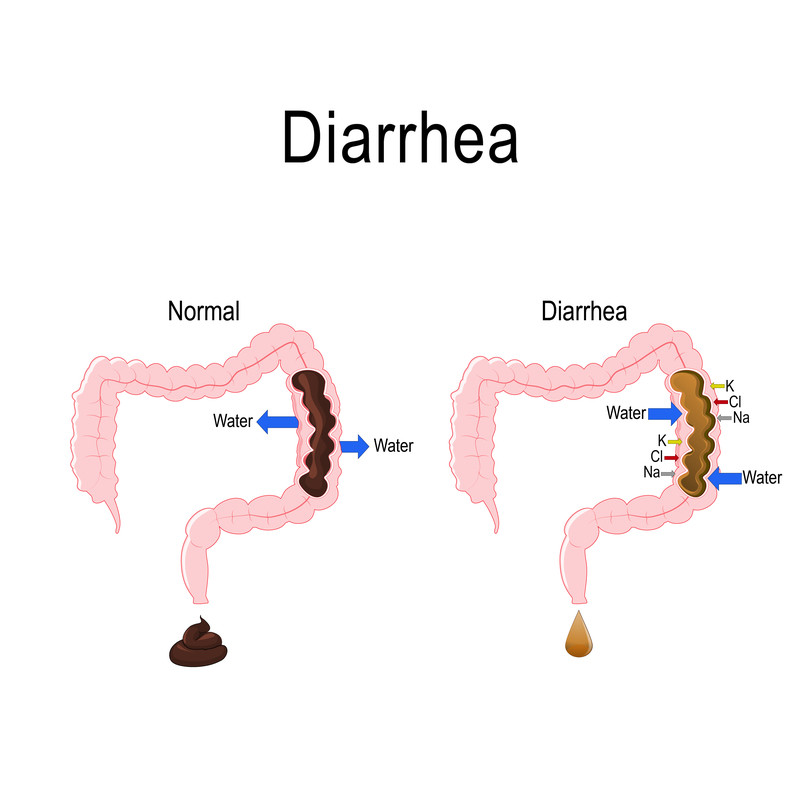
Diarrhea occurs when loose, watery stools are passed more frequently than normal. Most cases are acute (short-term), lasting 1–3 days and often caused by infections or food issues. However, if diarrhea persists for weeks, it may signal chronic conditions such as IBS or IBD.
Types of Diarrhea
- Acute diarrhea: sudden onset, usually short-lived
- Chronic diarrhea: persists for more than four weeks
- Traveler’s diarrhea: caused by contaminated food or water during travel
📌 Common Causes of Diarrhea
Understanding the cause helps guide safe treatment:
1. Infections
- Viruses (like norovirus or rotavirus)
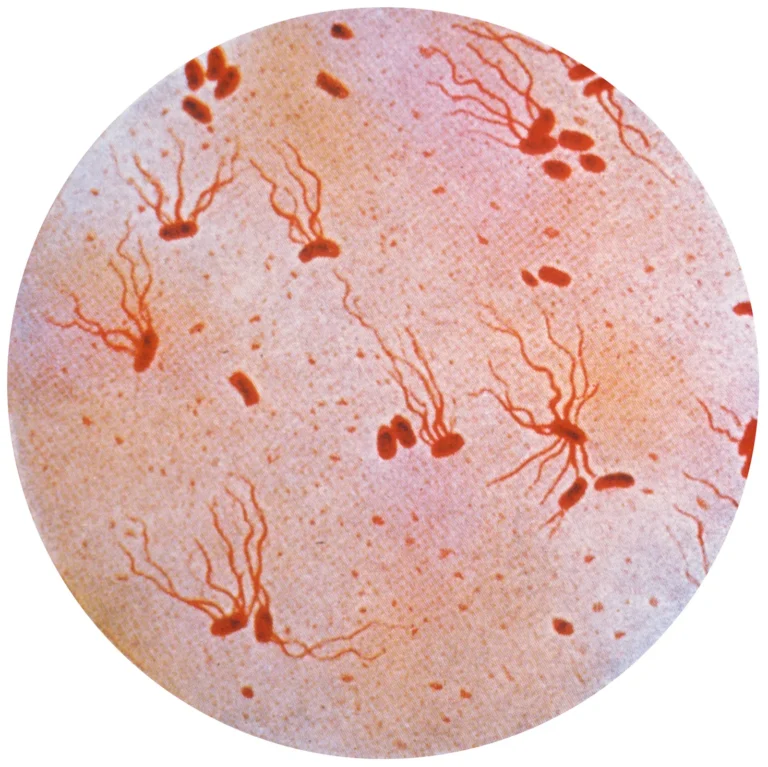
- Bacteria (like E. coli or Salmonella)
- Parasites from contaminated food or water
2. Food Intolerances or Allergies
- Lactose intolerance
- Fructose sensitivity
3. Medications
Antibiotics and other drugs can disrupt gut bacteria and trigger diarrhea.
4. Underlying Digestive Diseases
Conditions such as IBS, Crohn’s disease, and celiac disease can cause chronic diarrhea.
👉 For more on inflammatory digestive disease like Crohn’s, check our detailed Crohn’s disease guide.
🩺 Recognizing Symptoms of Diarrhea

Symptoms vary but commonly include:
- Loose or watery stools
- Frequent bathroom trips
- Abdominal cramps
- Bloating
- Nausea
- Fever or fatigue
- Urgency or incontinence
When Diarrhea Is an Emergency
Seek medical help if you experience:
- Signs of dehydration (dizziness, dark urine, dry mouth)
- Bloody stools or fever
- Severe abdominal pain
- Diarrhea lasting more than 2–3 days
🧪 How Diarrhea Is Diagnosed
Healthcare providers may use:
- Medical history and physical exam
- Blood tests
- Stool culture
- Breath tests for lactose intolerance
- Endoscopy or colonoscopy in chronic or severe cases
Diagnosis helps distinguish simple gastroenteritis from more serious digestive disorders.
💊 Treatment: What Really Works
1. Hydration Is the Priority
Replacing fluids and electrolytes is essential to prevent dehydration.
- Water
- Electrolyte solutions (ORS)
- Broth or sports drinks
👉 Learn more about why hydration matters in our guide on oral hydration therapy.
2. Medications
- Antibiotics or antiparasitics: When a specific pathogen is identified
- Probiotics: May support gut flora balance
- Antidiarrheals (occasionally): Only under physician advice
3. Natural & Home Support
- Rest and small, frequent meals
- Blended foods like bananas, rice, applesauce, and toast
- Avoid caffeine and alcohol
🥗 Nutrition: Foods to Eat & Avoid
Best Foods During Diarrhea
- Bananas, rice, applesauce, toast
- Clear soups
- Hydrating fluids
Foods to Avoid
- Dairy (if lactose intolerant)
- High-fiber, fatty, or spicy foods
- Sugary or caffeinated beverages (Health)
Balanced nutrition supports gut recovery and prevents further irritation.
🙌 Prevention: Stop Diarrhea Before It Starts
Practice these habits:
- Frequent handwashing 🧼
- Drink safe water and avoid unsafe street food
- Safe food preparation and storage
- Vaccines (like rotavirus for infants)
Good hygiene is especially important in developing regions to reduce diarrheal disease burden.
🔍 FAQs (Integrated)
Q: Is diarrhea contagious?
Yes — infectious diarrhea from pathogens can spread via contaminated food, water, or contact.
Q: How long should diarrhea last?
Most cases resolve within 2–3 days. Persistent diarrhea signals a need for medical check.
Q: Is diarrhea dangerous?
Diarrhea itself isn’t always dangerous, but dehydration can be — especially in children and elderly.
Q: Should I take antidiarrheal drugs?
Only under medical guidance — they can be inappropriate for infections.
Q: Can stress cause diarrhea?
Stress doesn’t cause diarrhea by itself but can worsen symptoms in some individuals.
🧠 Conclusion: Don’t Ignore Diarrhea
Diarrhea is common, but persistent or severe episodes deserve attention. With the right hydration, nutrition, and medical support when needed, most people recover fully. Understanding the causes and risks empowers you to respond—not panic—when diarrhea strikes.
At ChiidHealth, we’re committed to helping you navigate digestive health with accurate, actionable information.