
Discover the truth about the sugar tax: how it works, its proven impact on obesity & health, the fierce debates, and what it means for you. A complete evidence-based guide.
Introduction

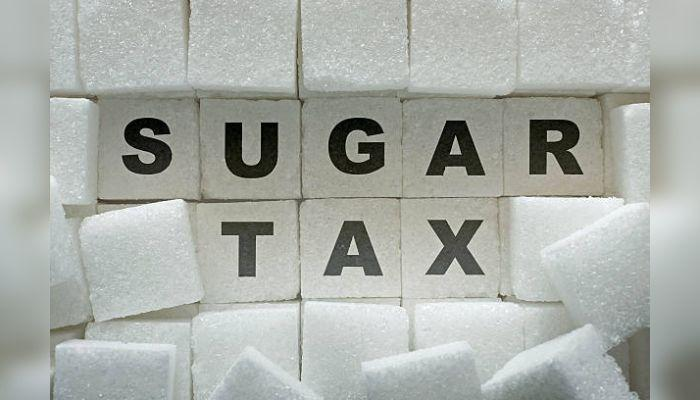
The choice of a soft drink on a supermarket shelf may seem personal, but it sits at the heart of one of the most significant public health policies of the 21st century: the sugar tax. Officially termed a sugar-sweetened beverage (SSB) tax or soda tax, this is a fiscal levy designed to reduce consumption of drinks laden with added sugars by making them more expensive to purchase. Born from a global obesity and diabetes epidemic, these taxes represent a bold attempt to steer populations toward healthier choices and have ignited fierce debate between public health advocates and the food and beverage industry. This article delves into what the sugar tax is, how it works, the compelling evidence of its impact, and the ongoing controversies that surround it.
What is a Sugar Tax and Why Was It Created?
A sugar tax is a form of Pigouvian tax, a levy applied to goods that create societal costs not reflected in their market price. In this case, the “negative externality” is the public health burden caused by diseases linked to excessive sugar consumption, such as obesity, type 2 diabetes, and heart disease. By increasing the price of sugary drinks, the tax aims to lower demand, reduce these societal harms, and in many cases, generate revenue for community health programs.
The rationale is urgent and data-driven. Since the 1970s, obesity rates have soared globally. By 2020, over 41% of US adults were classified as obese. Public health experts pinpoint the dramatic rise in consumption of sugar-sweetened beverages—sodas, energy drinks, sports drinks—as a major contributor. These drinks are the single largest source of added dietary sugars in many countries and are uniquely harmful because liquid sugars are absorbed quickly, overloading the body’s metabolic systems. Studies show that consuming one to two sugary drinks daily increases the risk of developing type 2 diabetes by 26%.
Table 1: Key Health Conditions Linked to Excess Sugar-Sweetened Beverage Consumption
| Health Condition | Link to SSB Consumption |
|---|---|
| Obesity & Weight Gain | Provides excess “empty” calories; one extra drink per day can lead to ~15 lbs of weight gain per year. |
| Type 2 Diabetes | Rapid sugar absorption increases insulin resistance and risk; strong positive correlation established. |
| Cardiovascular Disease | Associated with a 19% increased risk per added daily serving in men; similar risks found in women. |
| Dental Caries (Tooth Decay) | A leading cause of preventable tooth decay, especially in children. |
A Global Policy: History and Design

Governments have long used taxes to influence behavior, most successfully with tobacco. The concept for sugary drinks followed similar logic. Mexico became a pioneer in the Americas, implementing a nationwide tax in 2014. In the United States, Berkeley, California, led the way in 2015 as the first city to pass a penny-per-ounce tax.
These policies are not monolithic. Key design elements vary:
- Tax Type: Usually an excise tax levied on distributors (making it part of the shelf price) rather than a sales tax added at the register.
- Basis of Taxation: Most early taxes were volumetric (e.g., cents per litre/ounce). However, a more targeted approach is a tiered or content-based tax, where the levy depends on the grams of sugar per 100ml. The UK’s Soft Drinks Industry Levy (SDIL) is a prominent example, charging manufacturers more for drinks with higher sugar content.
- Scope: Traditionally focused on carbonated soft drinks, energy, and sports drinks. A major trend is expanding the scope to include other sugary beverages. For instance, in 2025 the UK government announced it would remove exemptions for pre-packaged, sugary milk-based drinks (like milkshakes) and milk substitutes from its SDIL starting in 2028.
The UK’s SDIL has been notably successful in its design, focusing on manufacturer reformulation. Announced in 2016 and implemented in 2018, it gave companies a clear incentive to reduce sugar in their recipes to avoid the levy. The result was that before the tax even took effect, manufacturers had reformulated drinks, leading to a staggering 47% average reduction in sugar in in-scope soft drinks between 2015 and 2024.
What Does the Evidence Say? Effectiveness in the Real World
Years of implementation and study now provide robust evidence on the impact of sugar taxes. The mechanism is clear: taxes increase prices, and higher prices reduce purchases.
- Reducing Consumption and Purchases: A 2022 meta-analysis found sugary drink taxes result in a 15% decrease in sales of targeted beverages. Real-world examples are powerful. In Philadelphia, a 1.5-cent-per-ounce tax led to a 51% reduction in the volume of taxed beverages sold within city limits. In Mexico, purchases of taxed drinks fell by 9.7% two years post-implementation, with the largest declines seen in lower-income households.
- Improving Health Outcomes: Measuring direct health impacts takes time, but evidence is emerging. A landmark study in Mexico found that in cities where the tax led to soda price increases over 10%, there was a nearly 2% decrease in the prevalence of adolescents at risk for overweight or obesity. In the UK, the SDIL is linked to a 12% relative reduction in hospital admissions for tooth extractions due to dental caries in children.
- Changing Diets: Research from the London School of Hygiene & Tropical Medicine estimates that in the first year after the UK levy, children’s sugar intake from soft drinks fell by almost 5 grams per day (about a teaspoon), and adults’ by nearly 11 grams. This demonstrates a significant shift at the population level.
Table 2: Documented Outcomes from Select Sugar Taxes Worldwide
| Jurisdiction | Tax Design | Key Documented Outcome |
|---|---|---|
| United Kingdom (SDIL) | Tiered levy on manufacturers based on sugar content. | 47% avg. sugar reduction in drinks; ~5g/day less sugar consumed by children. |
| Mexico | National excise tax of 1 peso per litre. | Reduced purchases by 9.7%; lower obesity risk in adolescents. |
| Philadelphia, USA | 1.5¢ per ounce volumetric excise tax. | 51% drop in sales volume within city; funded pre-K education. |
| Berkeley, USA | 1¢ per ounce volumetric excise tax. | Sales of sugary drinks dropped 9.6%; funded community nutrition programs. |
The Other Side of the Coin: Revenue and Debate
A second major goal of sugar taxes is to generate revenue for public health initiatives. US cities with SSB taxes raise over $133 million annually. This money is often reinvested in communities disproportionately affected by diet-related diseases, funding programs like:
- Childhood nutrition and obesity prevention programs.
- Subsidies for fresh fruits and vegetables in low-income areas.
- Expansion of pre-kindergarten education (as in Philadelphia).
- Improvements to public recreation facilities.
However, sugar taxes remain deeply controversial.
- Industry Opposition: Beverage companies and trade associations argue taxes are ineffective, harm businesses, and cost jobs. They often fund political campaigns and research to oppose them. Tactics include lobbying for state preemption laws that prevent cities from passing local taxes.
- The “Regressive Tax” Argument: Critics contend that because lower-income households spend a larger share of their income on food and drink, the tax disproportionately burdens them. Proponents counter that the health benefits and reinvestment of revenue into affected communities make the policy progressive overall.
- Cross-Border Shopping & Substitution: A valid concern is that consumers may simply travel to untaxed areas to buy drinks, diluting the public health benefit. Studies in Berkeley and Philadelphia confirmed some cross-border shopping, but still found a net overall reduction in consumption. Others worry consumers might substitute sugary drinks with other unhealthy foods, though evidence for this is limited.
The Future of Sugar Taxes
The global momentum for sugar taxes is growing, with the World Health Organization strongly advocating for them as a proven health measure. The future direction points toward:

- Stronger, Smarter Design: Experts advocate for taxes based directly on sugar content rather than volume, which could increase health benefits by up to 30% by providing a stronger incentive to choose lower-sugar options. The UK’s recent move to include milk-based drinks and lower its sugar threshold exemplifies refining policy for greater impact.
- Broader Scope: There is a push to include a wider array of sugary products, such as ready-to-drink coffees and teas, which often escape current levies.
- Integration with Other Policies: Taxes are most effective as part of a comprehensive strategy. This includes mandatory front-of-package warning labels, restrictions on marketing to children, and improving access to drinking water. This holistic approach is akin to the multi-faceted standards expected in professional healthcare fields, such as those outlined in the 9 GDC Principles for dental professionals, which prioritize prevention and patient well-being.
FAQs About the Sugar Tax
Does the sugar tax actually make people healthier?
Yes, growing evidence suggests it does. Beyond reducing sales, studies now link these taxes to lower sugar intake, reduced risk of excess weight in adolescents, and fewer hospital admissions for dental decay in children. The long-term benefits for conditions like diabetes and heart disease are predicted to be substantial.
Do I end up paying more for my drink?
Usually, yes. Research shows that a significant portion of the tax is “passed through” to consumers in the form of higher shelf prices. The amount varies, but studies in places like Philadelphia and Mexico show price increases closely aligned with the tax rate.
How do beverage companies respond?
The most successful response from a public health perspective is reformulation—reducing the sugar content in drinks to avoid the tax, as seen widely in the UK. Companies also engage in lobbying, legal challenges, and marketing to mitigate the tax’s impact on sales.
Is it true that sugar taxes hurt poor people the most?
While lower-income households may feel the initial price increase more, they also experience the greatest health benefits from reduced consumption, as they are often disproportionately affected by related diseases. Furthermore, when tax revenues are invested in community programs, schools, and health initiatives in these same neighborhoods, the net effect can be positive and equitable.
Are sugar taxes used in many places?
Yes, they are a widely adopted policy tool. As of 2025, over 73 countries and numerous cities have implemented some form of tax on sugary drinks. You can explore the details of the UK’s evolving policy in the official government consultation outcome, Strengthening the Soft Drinks Industry Levy.
Conclusion
The sugar tax is far more than a simple price hike on soda. It is a proven public health instrument that reduces consumption of unhealthy drinks, incentivizes the food industry to create better products, and generates resources to build healthier communities. While debates about personal choice, economic impact, and perfect policy design will continue, the foundational evidence is clear: well-designed sugar taxes work. As governments worldwide grapple with the crushing costs of obesity and diabetes, these levies stand out as a pragmatic, powerful, and necessary part of the solution for fostering a healthier future.