
Discover critical heart conditions, recognize life-saving warning signs, and learn powerful prevention strategies. Essential guide to protecting your heart health and reducing cardiovascular risks today.
Introduction
Your heart beats approximately 100,000 times daily, pumping blood through 60,000 miles of blood vessels. This remarkable organ sustains every cell in your body, yet cardiovascular conditions remain the leading cause of death globally. Understanding various heart conditions, recognizing warning signs early, and implementing powerful prevention strategies can literally save your life.
This comprehensive guide explores critical heart conditions beyond heart failure, revealing warning signs you shouldn’t ignore, proven treatment approaches, and evidence-based prevention strategies that actually work.
Understanding the Landscape of Heart Conditions
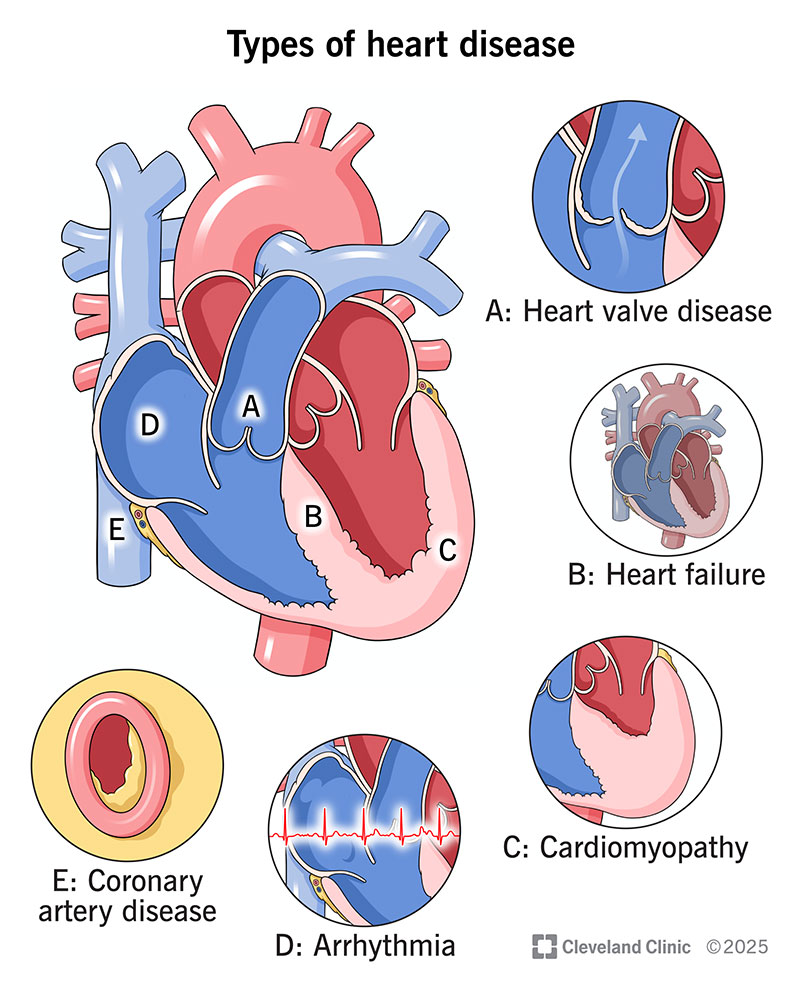
Heart conditions encompass a broad spectrum of cardiovascular diseases affecting the heart’s structure, rhythm, and blood supply. While these conditions vary in severity and presentation, they all demand attention and proper management.
The cardiovascular system is intricate, and problems can arise in different areas. Some conditions affect the heart’s electrical system, causing rhythm disturbances. Others involve the coronary arteries that supply blood to the heart muscle itself. Some impact the heart valves or the heart’s muscular walls. Understanding these distinctions helps you recognize symptoms and seek appropriate treatment.
Coronary Artery Disease: The Silent Threat
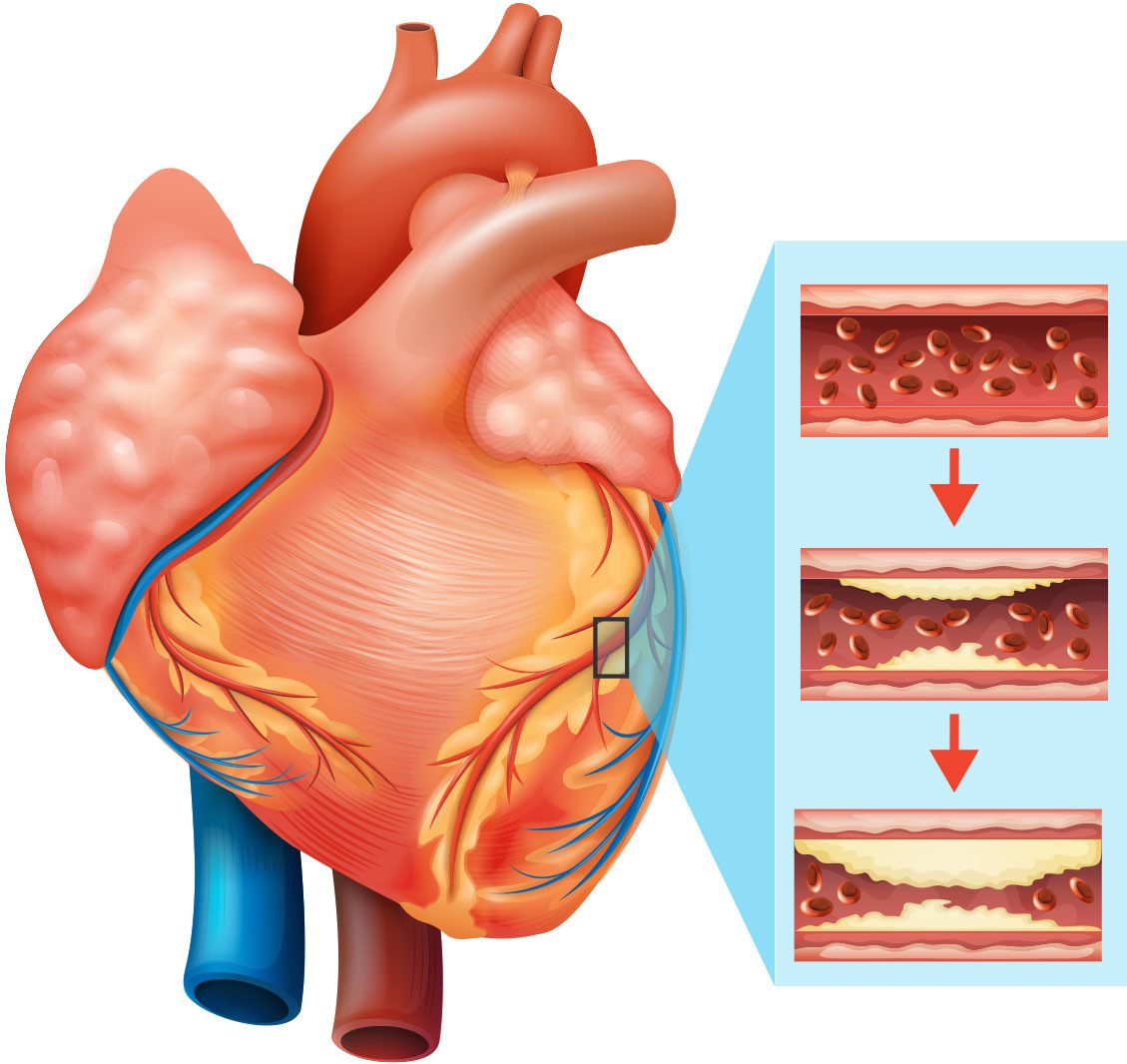
Coronary artery disease (CAD) represents the most common type of heart condition, affecting millions worldwide. This condition occurs when the coronary arteries that supply blood to your heart muscle become narrowed or blocked by fatty deposits called plaque.
How CAD Develops
The process begins with atherosclerosis, where cholesterol, fat, and other substances accumulate on artery walls. Over time, these deposits harden and narrow the arteries, reducing blood flow to the heart. This gradual process often occurs without symptoms until the blockage becomes significant.
When blood flow becomes severely restricted, you may experience angina—chest pain or discomfort that often feels like pressure, squeezing, or heaviness. Stable angina typically occurs during physical exertion and resolves with rest. Unstable angina happens unpredictably and requires immediate medical attention as it may signal an impending heart attack.
Risk Factors You Can Control
Several modifiable risk factors significantly influence CAD development. High blood pressure damages artery walls, making them more susceptible to plaque buildup. High cholesterol, particularly elevated LDL (bad cholesterol) and low HDL (good cholesterol), accelerates atherosclerosis. Smoking damages blood vessel linings and reduces oxygen in your blood. Diabetes increases cardiovascular disease risk by two to four times.
Physical inactivity and poor diet contribute to multiple risk factors simultaneously. Excess weight strains your cardiovascular system and often accompanies other risk factors. Chronic stress and poor sleep quality also impact heart health through various mechanisms including inflammation and blood pressure elevation.
Warning Signs That Demand Attention
Recognize these critical symptoms that may indicate CAD: chest discomfort during activity that improves with rest, shortness of breath during normal activities, unusual fatigue especially in women, pain radiating to shoulders, arms, neck, jaw, or back, and heart palpitations or irregular heartbeat.
Women often experience different symptoms than men, including unusual fatigue, sleep disturbances, indigestion, and anxiety. These atypical presentations can delay diagnosis, making awareness crucial.
Arrhythmias: When Your Heart’s Rhythm Goes Off-Beat
Arrhythmias are disorders of the heart’s electrical system that affect how fast or regularly your heart beats. While some arrhythmias are harmless, others can be life-threatening.
Types of Arrhythmias
Atrial fibrillation (AFib) is the most common arrhythmia, where the heart’s upper chambers quiver irregularly instead of contracting effectively. This condition increases stroke risk five-fold as blood can pool and form clots. AFib affects over 6 million Americans and becomes more prevalent with age.
Ventricular tachycardia involves rapid heartbeats originating in the heart’s lower chambers. This condition can prevent the heart from filling adequately between beats, reducing blood flow to vital organs. Without treatment, it may progress to ventricular fibrillation, a medical emergency requiring immediate intervention.
Bradycardia describes an abnormally slow heart rate, typically below 60 beats per minute in people who aren’t highly trained athletes. While athletes naturally develop lower resting heart rates, bradycardia in others may indicate problems with the heart’s electrical system.
Recognizing Arrhythmia Symptoms
Pay attention to these warning signs: palpitations or sensation of skipped beats, racing or pounding heartbeat, chest discomfort or pain, shortness of breath, dizziness or lightheadedness, fainting or near-fainting episodes, and unusual fatigue or weakness.
Some people with arrhythmias experience no symptoms, with the condition discovered only during routine examinations. Regular check-ups become increasingly important with age or if you have risk factors.
Treatment Approaches
Modern medicine offers several effective treatments for arrhythmias. Medications can control heart rate and rhythm while reducing clot formation risk in conditions like AFib. Catheter ablation uses radiofrequency energy to destroy small areas of heart tissue causing abnormal electrical signals. Pacemakers and implantable cardioverter-defibrillators (ICDs) help regulate heart rhythm in specific conditions.
According to the American Heart Association, appropriate treatment can significantly reduce arrhythmia-related complications and improve quality of life for most patients.
Valve Disorders: When Heart Doors Don’t Function Properly
Heart valves act as one-way doors, ensuring blood flows in the correct direction through your heart’s chambers. Valve disorders occur when these structures don’t open or close properly.
Common Valve Problems
Stenosis happens when valve openings narrow, restricting blood flow. The heart must work harder to pump blood through narrowed openings, potentially leading to muscle thickening and weakening over time. Aortic stenosis is the most common valve stenosis in adults, often resulting from age-related calcium deposits.
Regurgitation or insufficiency occurs when valves don’t close completely, allowing blood to flow backward. This backflow forces the heart to pump the same blood multiple times, increasing workload and potentially causing chamber enlargement.
Mitral valve prolapse affects 2-3% of the population, occurring when the valve between the left atrium and ventricle doesn’t close smoothly. Most people with this condition experience no symptoms and require no treatment, though some develop complications requiring monitoring.
Symptoms and Detection
Valve disorders may cause fatigue, shortness of breath especially during activity or when lying flat, swelling in ankles and feet, irregular heartbeat, chest discomfort, and dizziness or fainting. Many valve problems develop gradually, with symptoms appearing only when the condition becomes moderate or severe.
Healthcare providers detect valve disorders through physical examination, hearing characteristic heart murmurs, and confirming diagnosis with echocardiography.
Cardiomyopathy: Disease of the Heart Muscle
Cardiomyopathy refers to diseases affecting the heart muscle itself, making it harder for your heart to pump blood efficiently. Several types exist, each with distinct characteristics.
Dilated cardiomyopathy, the most common form, involves enlargement and weakening of the heart’s main pumping chamber. This condition can result from genetic factors, infections, alcohol abuse, or certain medications.
Hypertrophic cardiomyopathy causes abnormal thickening of heart muscle, particularly the wall separating the heart’s chambers. This inherited condition affects about 1 in 500 people and can occur at any age.
Restrictive cardiomyopathy, the rarest form, causes the heart muscle to become rigid and less elastic. This stiffening prevents the heart from expanding normally and filling with blood properly.
Powerful Prevention Strategies That Actually Work
Preventing heart conditions requires a comprehensive approach addressing multiple risk factors simultaneously. These evidence-based strategies can significantly reduce your cardiovascular disease risk.
Optimize Your Diet
Adopt a heart-healthy eating pattern emphasizing whole, minimally processed foods. The Mediterranean diet, rich in fruits, vegetables, whole grains, legumes, nuts, and olive oil, consistently demonstrates cardiovascular benefits in research studies. Include fatty fish like salmon, mackerel, and sardines twice weekly for omega-3 fatty acids that reduce inflammation and improve cholesterol profiles.
Limit saturated fats found in red meat and full-fat dairy products, as these raise LDL cholesterol. Minimize trans fats, often lurking in processed foods, which raise bad cholesterol while lowering good cholesterol. Reduce sodium intake to less than 2,300 milligrams daily, ideally 1,500 milligrams for optimal blood pressure control.
Increase dietary fiber from fruits, vegetables, whole grains, and legumes. Soluble fiber helps lower cholesterol while promoting feelings of fullness that support weight management. Comprehensive nutrition guidance can help you develop sustainable eating habits.
Prioritize Regular Physical Activity
Exercise strengthens your heart muscle, improves circulation, helps control weight, and reduces stress. Aim for at least 150 minutes of moderate-intensity aerobic activity or 75 minutes of vigorous-intensity activity weekly, spread throughout the week.
Moderate-intensity activities include brisk walking, swimming, or cycling on level terrain. Vigorous activities include jogging, fast cycling, or aerobic dancing. Add strength training exercises at least twice weekly to build muscle mass and improve metabolic health.
Even small amounts of activity provide benefits. If you’re currently inactive, start with 10-minute sessions and gradually increase duration and intensity. Every step counts toward better heart health. Explore workout routines suitable for your fitness level.
Manage Blood Pressure Effectively
High blood pressure, often called the “silent killer,” damages arteries throughout your body without causing symptoms. Monitor your blood pressure regularly, with home monitoring providing valuable data between medical appointments.
If your blood pressure is elevated, lifestyle modifications often bring it down. Reduce sodium intake, maintain healthy weight, exercise regularly, limit alcohol consumption, and manage stress effectively. If lifestyle changes prove insufficient, medications can effectively control blood pressure and prevent complications.
Control Cholesterol Levels
Understanding your cholesterol numbers empowers better health decisions. Get a complete lipid panel measuring total cholesterol, LDL cholesterol, HDL cholesterol, and triglycerides. Adults should have cholesterol checked every 4-6 years, more frequently with risk factors.
Dietary changes significantly impact cholesterol levels. Reduce saturated fat intake, eliminate trans fats, and increase soluble fiber consumption. Plant sterols and stanols found in fortified foods can lower LDL cholesterol by 5-15%. If lifestyle modifications don’t achieve target cholesterol levels, statins and other medications effectively reduce cardiovascular risk.
Quit Smoking and Avoid Tobacco
Smoking dramatically increases heart disease risk through multiple mechanisms. It damages blood vessel linings, reduces oxygen in blood, increases blood clot formation, and raises blood pressure and heart rate. The good news? Your heart disease risk begins dropping within 24 hours of quitting and continues declining over time.
Secondhand smoke exposure also increases heart disease risk by 25-30%. Create smoke-free environments at home and avoid areas where smoking occurs. If you need support quitting, numerous resources including counseling, medications, and nicotine replacement therapy can help.
Maintain Healthy Weight
Excess weight, particularly abdominal fat, increases heart disease risk through multiple pathways. It raises blood pressure, increases cholesterol and triglycerides, and promotes insulin resistance leading to diabetes. Even modest weight loss of 5-10% of body weight can significantly improve cardiovascular risk factors.
Focus on sustainable lifestyle changes rather than quick-fix diets. Combine balanced nutrition with regular physical activity, adequate sleep, and stress management. Explore comprehensive weight management strategies for lasting success.
Manage Stress and Prioritize Mental Health
Chronic stress contributes to heart disease through both direct physiological effects and indirect behavioral mechanisms. Stress hormones increase blood pressure and heart rate while promoting inflammation. Stressed individuals often engage in unhealthy behaviors like overeating, smoking, or excessive alcohol consumption.
Develop effective stress management techniques including regular exercise, meditation, deep breathing exercises, yoga, or tai chi. Maintain strong social connections, as social isolation increases cardiovascular risk. Seek professional help for anxiety or depression, as mental wellness and heart health are intimately connected.
Ensure Quality Sleep
Poor sleep quality and insufficient sleep duration increase heart disease risk. Sleep deprivation affects metabolism, increases stress hormones, raises blood pressure, and promotes inflammation. Most adults need 7-9 hours of quality sleep nightly.
Establish consistent sleep schedules, create a comfortable sleep environment, limit screen time before bed, and avoid caffeine and large meals in the evening. If you snore loudly or experience daytime sleepiness despite adequate sleep duration, discuss sleep apnea screening with your healthcare provider, as this condition significantly increases cardiovascular risk.
When to Seek Medical Attention
Certain symptoms demand immediate medical evaluation. Call emergency services if you experience chest pain or discomfort, especially if accompanied by shortness of breath, sweating, nausea, or lightheadedness. Seek immediate care for severe shortness of breath, sudden weakness or numbness, difficulty speaking, or loss of consciousness.
Schedule medical appointments for new or worsening symptoms including unusual fatigue, swelling in legs or ankles, irregular heartbeat, or decreased exercise tolerance. Regular check-ups become increasingly important with age or if you have risk factors like high blood pressure, high cholesterol, diabetes, or family history of heart disease.
Frequently Asked Questions About Heart Conditions
Can young people develop heart conditions?
Yes, while cardiovascular disease becomes more common with age, young people can develop heart conditions. Congenital heart defects affect about 1% of births. Young adults can develop conditions like cardiomyopathy, arrhythmias, or early-onset coronary artery disease, especially with risk factors like smoking, obesity, or strong family history. Athletes may experience sudden cardiac events due to undiagnosed structural abnormalities.
Is heart disease hereditary?
Family history significantly influences heart disease risk. If a first-degree relative developed heart disease before age 55 (for males) or 65 (for females), your risk increases. However, genetics aren’t destiny—lifestyle modifications can substantially reduce risk even with family history. Some specific conditions like hypertrophic cardiomyopathy and certain arrhythmias have stronger genetic components.
Can heart conditions be reversed?
Some heart conditions can improve significantly or even reverse with aggressive lifestyle modifications and appropriate treatment. Early-stage coronary artery disease may respond to intensive cholesterol lowering and lifestyle changes. Some forms of cardiomyopathy improve when underlying causes are addressed. However, structural damage from advanced disease typically can’t be fully reversed, emphasizing the importance of early detection and prevention.
How often should I have my heart checked?
Adults should have regular check-ups including blood pressure, cholesterol, and diabetes screening according to age and risk factors. Generally, blood pressure should be checked annually, cholesterol every 4-6 years starting at age 20, and diabetes screening every 3 years after age 45. Those with risk factors need more frequent monitoring. Discuss appropriate screening schedules with your healthcare provider.
Do all heart conditions require medication?
Not all heart conditions require medication. Some mild valve disorders and certain arrhythmias may only need monitoring. Many early-stage conditions respond to lifestyle modifications alone. However, moderate to severe conditions typically benefit from medications that reduce symptoms, improve heart function, and prevent complications. Treatment decisions depend on condition severity, symptoms, and individual risk factors.
Can stress alone cause heart conditions?
While acute severe stress rarely causes heart disease in healthy individuals, chronic stress contributes significantly to cardiovascular disease development. Stress affects heart health through physiological changes like elevated blood pressure and inflammation, plus behavioral mechanisms like poor diet, lack of exercise, and smoking. Managing stress represents an important component of heart disease prevention.
Are heart palpitations dangerous?
Heart palpitations—awareness of your heartbeat—are common and usually harmless, often triggered by caffeine, stress, or anxiety. However, frequent palpitations, those accompanied by chest pain, shortness of breath, or dizziness, or palpitations in people with known heart conditions warrant medical evaluation. An ECG or heart monitor can determine if palpitations represent a concerning arrhythmia.
What’s the difference between a heart attack and cardiac arrest?
A heart attack occurs when blood flow to part of the heart becomes blocked, damaging heart muscle. The person remains conscious and breathing. Cardiac arrest happens when the heart suddenly stops pumping effectively due to electrical malfunction. The person loses consciousness immediately and stops breathing normally. Cardiac arrest requires immediate CPR and defibrillation, while heart attack requires urgent medical care to restore blood flow.