
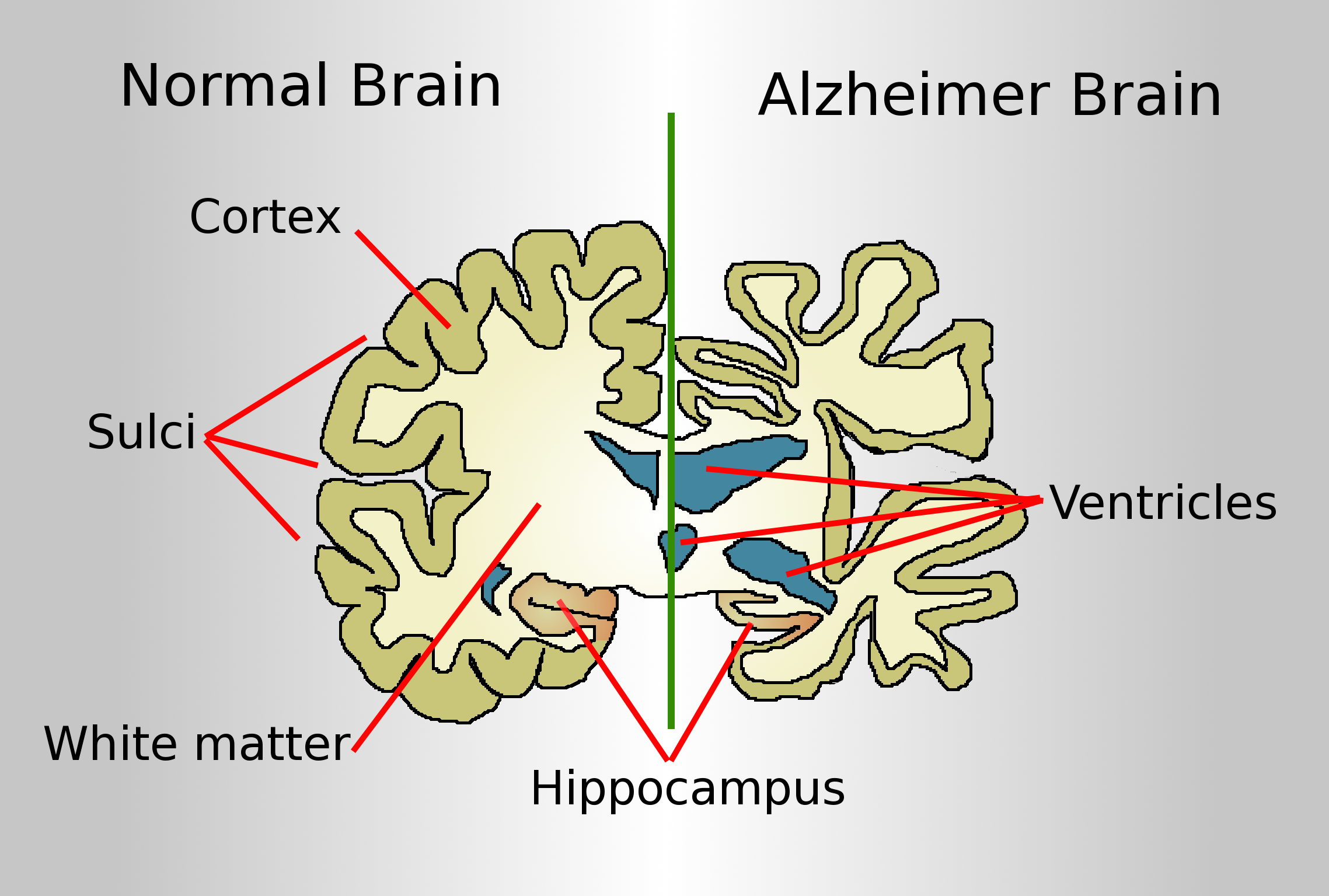

As a researcher on the niche of health, who has also witnessed the devastating impact of Alzheimer’s disease on patients and families, I want to share critical information about this condition that affects millions worldwide. Understanding both the current prevalence patterns and evidence-based prevention strategies can empower you to make informed decisions about your brain health.
The Current Scope of Alzheimer’s Disease

The numbers are sobering and demand our attention. As of 2024, approximately 6.9 million Americans aged 65 and older are living with Alzheimer’s dementia, representing about 1 in 9 people in this age group. What’s particularly concerning is the trajectory we’re facing: without medical breakthroughs, this number could reach 13.8 million by 2060.
From my experience working with elderly patients, I’ve observed that the risk isn’t equally distributed across age groups. The likelihood increases dramatically with age – while 5% of people aged 65-74 have Alzheimer’s dementia, this percentage rises significantly in older populations. The lifetime risk also varies by gender, with women facing a 1 in 5 chance at age 45, compared to 1 in 10 for men.
Disparities Across Different Populations
One of the most troubling aspects of Alzheimer’s disease is how it disproportionately affects different racial and ethnic communities. In my clinical experience, I’ve witnessed these disparities firsthand, and the research confirms what many of us see in practice.
Black and African American individuals face the highest prevalence rates at 13.8% among those 65 and older, followed by Hispanic and Latino individuals at 12.2%. This compares to 10.3% for non-Hispanic white individuals, 9.1% for American Indian and Alaska Native individuals, and lower rates among Asian American populations. These aren’t just statistics – they represent real families and communities bearing a heavier burden of this disease.
The reasons behind these disparities are complex and multifaceted. From what I’ve observed in practice and learned through continued education, factors contributing to these differences include:
Social Determinants of Health: Limited access to quality healthcare, educational opportunities, and healthy living environments significantly impact brain health throughout life. Many of my patients from underrepresented communities have faced these challenges for decades before I meet them.
Cardiovascular Risk Factors: Higher rates of diabetes, hypertension, and heart disease in certain populations directly correlate with increased dementia risk. I regularly see patients whose untreated or poorly managed cardiovascular conditions may be contributing to their cognitive decline.
Healthcare Access and Quality: Delayed diagnosis and limited access to specialized care mean that many patients don’t receive interventions that could slow disease progression. This is particularly heartbreaking when early intervention could make a meaningful difference.
The Revolutionary News: Nearly Half of Cases May Be Preventable
Here’s where the conversation shifts from despair to hope. The 2024 Lancet Commission on dementia prevention has provided groundbreaking evidence that approximately 45% of dementia cases are potentially preventable by addressing 14 modifiable risk factors throughout life. This represents an increase from previous estimates and gives us concrete actions we can take.
The 14 Modifiable Risk Factors
Based on the latest research, these factors span across different life stages:
Early Life (before age 45):
- Less formal education
- Hearing loss
Midlife (45-65 years):
- Traumatic brain injury
- Hypertension (high blood pressure)
- Alcohol consumption (more than 21 units per week)
- Obesity
Later Life (65+ years):
- Smoking
- Depression
- Social isolation
- Physical inactivity
- Diabetes
- Air pollution exposure
- Vision loss
- High LDL cholesterol (newly added in 2024)
Evidence-Based Prevention Strategies You Can Implement

Through my work with patients and review of current research, I’ve seen these interventions make real differences in people’s lives:
Cardiovascular Health Management: This cannot be overstated. Managing blood pressure, controlling diabetes, and maintaining healthy cholesterol levels protects both your heart and brain. I encourage all my patients to work closely with their primary care providers to monitor and manage these conditions aggressively.
Physical Activity: The evidence is clear – exercise is one of our most powerful tools. The current recommendation is at least 150 minutes of moderate-intensity aerobic activity weekly. I’ve seen patients in their 70s and 80s benefit from simple walking programs, so it’s never too late to start.
Cognitive Engagement: Staying mentally active through learning, reading, social interaction, and challenging activities appears protective. This doesn’t mean expensive brain training programs – regular social interaction, learning new skills, or even doing crossword puzzles can be beneficial.
Hearing and Vision Care: The recent addition of vision loss as a risk factor, alongside existing evidence about hearing loss, emphasizes the importance of regular sensory health checkups. Simple interventions like hearing aids or corrective lenses may have profound protective effects.
Social Connection: Loneliness and social isolation are significant risk factors. In my practice, I’ve observed that patients with strong social networks often maintain better cognitive function longer. Making efforts to stay connected with family, friends, or community groups isn’t just good for your mood – it’s good for your brain.
Nutritional Approaches: While still being studied, emerging evidence suggests that Mediterranean-style diets rich in omega-3 fatty acids, antioxidants, and anti-inflammatory foods may offer protection. Recent pilot studies have shown promising results with intensive lifestyle interventions that include dietary modifications.
Promising New Interventions
Recent research has highlighted several interventions showing particular promise. Dr. Dean Ornish’s intensive lifestyle program, which combines healthy eating, daily exercise, stress management, and social support, showed that 71% of participants either improved their cognitive function or stabilized it. While this was a small study, it demonstrates the potential power of comprehensive lifestyle approaches.
Additionally, personalized health coaching and multi-domain interventions that address several risk factors simultaneously are showing encouraging results in clinical trials.
What This Means for You and Your Family
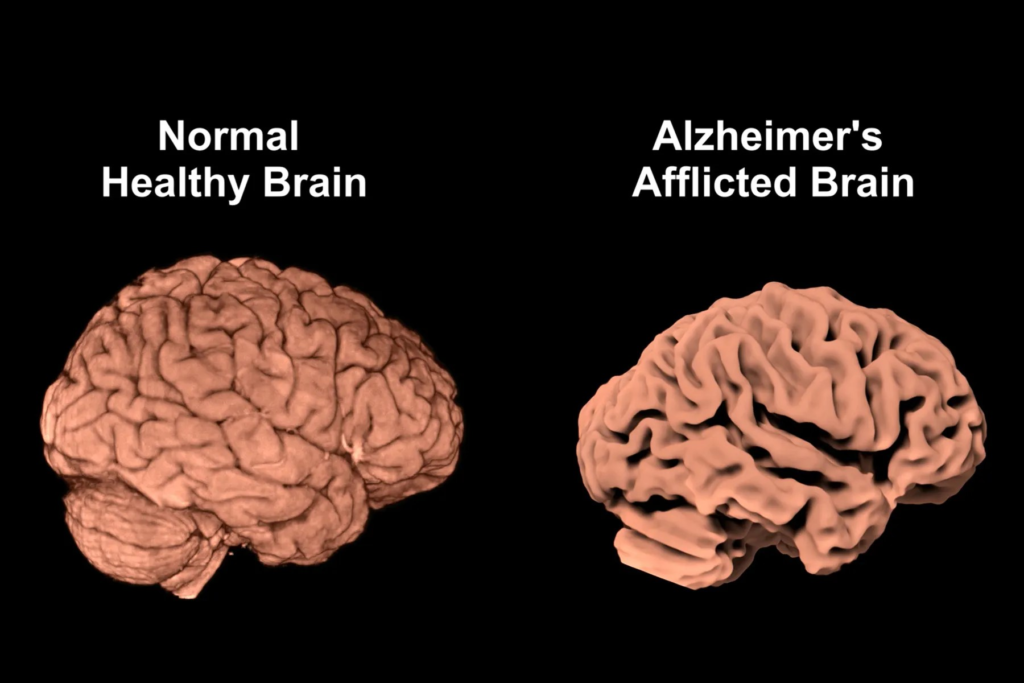
As someone who works daily with patients affected by cognitive decline, I want to emphasize that prevention efforts are worthwhile at any age. While we cannot change genetic risk factors or guarantee prevention, the evidence strongly supports that lifestyle modifications can significantly reduce risk and potentially delay onset.
If you’re in your 30s-50s: Focus on establishing healthy habits now. Control cardiovascular risk factors, maintain physical and social activity, protect your hearing and vision, and pursue lifelong learning.
If you’re 65+: It’s not too late. Many interventions remain beneficial even in later life. Work with your healthcare provider to optimize management of chronic conditions, stay physically and socially active, and address sensory impairments.
For all ages: Pay attention to the disparities research. If you’re from a community at higher risk, be proactive about prevention strategies and advocate for quality healthcare access.
When to Seek Professional Help
While focusing on prevention, it’s crucial to recognize when professional evaluation is needed. Seek medical attention if you or a loved one experiences:
- Memory problems that interfere with daily activities
- Difficulty completing familiar tasks
- Confusion about time or place
- Changes in mood, personality, or judgment
- Withdrawal from social activities
Early detection allows for better planning and potentially accessing interventions that can slow progression.
The Bottom Line
Alzheimer’s disease remains a formidable challenge, but we’re no longer powerless against it. The evidence clearly shows that many cases may be preventable through lifestyle interventions we can start implementing today. While disparities in prevalence remind us that systemic changes are also needed, individual actions remain powerful tools for protection.
As healthcare providers, we must continue advocating for equitable access to prevention resources and quality care for all communities. As individuals, we can take charge of our modifiable risk factors while supporting research efforts that may lead to even more effective prevention and treatment strategies.
Remember, brain health is a marathon, not a sprint. Small, consistent changes in how we live, eat, move, and connect with others today may determine our cognitive health decades from now. In my experience, patients who approach prevention with patience and consistency see the most sustainable benefits.
The fight against Alzheimer’s disease requires both individual action and collective commitment to addressing healthcare disparities. By understanding the evidence and taking action where we can, we’re not just protecting ourselves – we’re contributing to a future where cognitive decline is no longer an inevitable part of aging.