
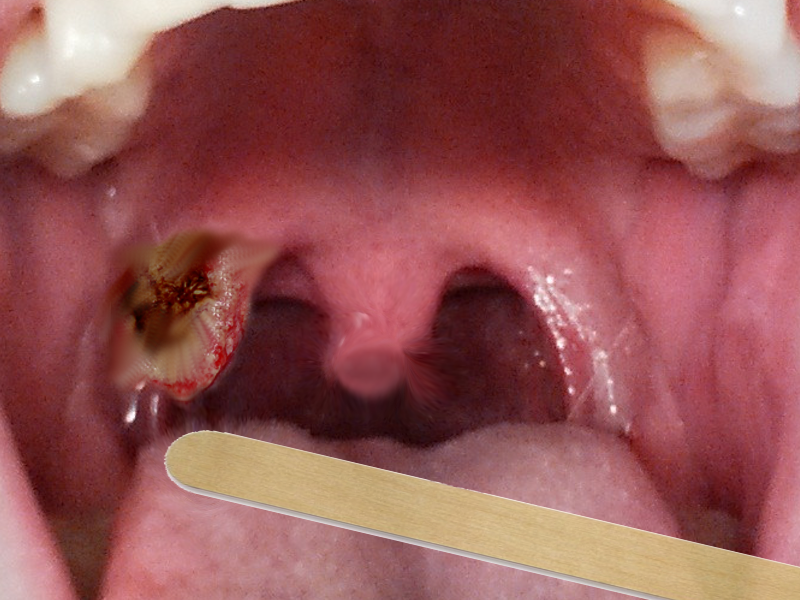

Introduction
When most people hear “sore throat,” cancer is the last thing they think of. And rightly so, a sore throat is almost always something minor. But there’s one symptom worth paying close attention to: a sore throat that simply won’t go away. That persistent discomfort can sometimes be the first, quiet signal of tonsil cancer, a condition that’s becoming more common, more survivable, and more misunderstood all at once.
The American Cancer Society estimates that in 2024, more than 21,000 people in the U.S. developed a type of oropharyngeal cancer, including tonsil cancer. What makes this even more striking is who is now being diagnosed. The profile of a tonsil cancer patient has shifted dramatically over the past two decades, largely because of a virus you’ve probably heard of: HPV (human papillomavirus). This change has brought both a new wave of cases and, importantly, significantly better survival outcomes for many patients.
In this post, we’ll walk you through everything you need to know about tonsil cancer: what it is, the symptoms to watch for, the major risk factors including HPV, how it’s diagnosed and treated, and what the latest data tells us about survival. Whether you’re seeking information for yourself or a loved one, this guide is designed to inform, not alarm.
What Is Tonsil Cancer?
Tonsil cancer is a type of cancer that begins in the tonsils, the two oval-shaped pads of lymphoid tissue at the back of your throat, one on each side. You can think of the tonsils as part of your immune system’s front line, helping to trap bacteria and viruses that enter through the mouth and nose.
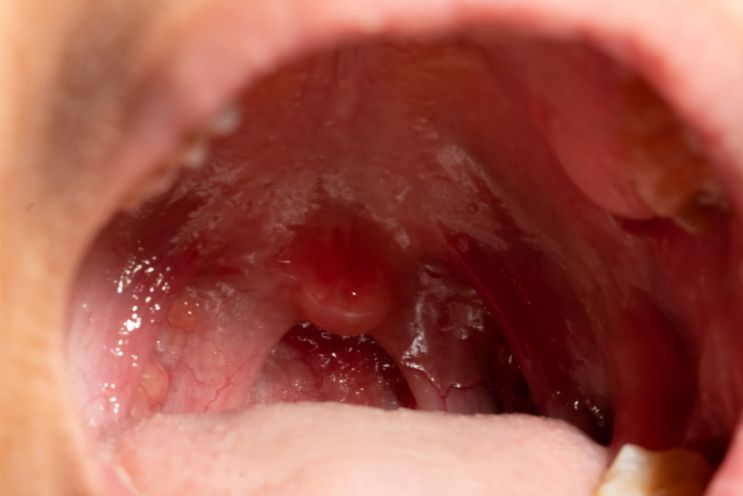
Tonsil cancer is the most common form of oropharyngeal malignancy, cancer of the middle part of the throat, and its incidence is sharply rising due to the increasing prevalence of HPV-induced cancers.
The vast majority of tonsil cancers (over 95%) are a type called squamous cell carcinoma (SCC), meaning they originate in the flat, thin cells (squamous cells) lining the surface of the tonsil. Less commonly, tonsil cancer can arise from lymphoid tissue (lymphoma) or other cell types.
Tonsil cancer falls under the broader category of head and neck cancers, a group that includes cancers of the mouth, throat, larynx, and salivary glands.
HPV-Positive vs. HPV-Negative Tonsil Cancer
One of the most important distinctions in modern tonsil cancer medicine is whether a tumor is HPV-positive (p16 positive) or HPV-negative (p16 negative). This distinction has reshaped how oncologists stage, treat, and predict outcomes for patients, so much so that the WHO updated its tumor classification system to reflect it.
- HPV-positive tonsil cancer tends to occur in younger, non-smoking patients and carries a significantly better prognosis
- HPV-negative tonsil cancer is more commonly linked to tobacco and alcohol use and typically has a worse outlook
People with HPV-positive tonsil cancer have a 5-year disease-free survival rate of about 86%, a remarkable outcome for head and neck cancer. We’ll cover this important distinction in detail below.
What Causes Tonsil Cancer?
There’s no single cause of tonsil cancer, but researchers have identified several well-established risk factors.
HPV: The Rising Driver
The most significant shift in tonsil cancer epidemiology over the past 30 years is the emergence of human papillomavirus (HPV), particularly HPV type 16, as the dominant cause of new cases in developed countries.
Oropharyngeal cancers (cancers of the back of the throat, including the base of the tongue and tonsils) are the most common HPV-associated cancer among males in the United States. HPV is transmitted through oral sexual contact, and the virus can remain dormant in tonsillar tissue for years or even decades before triggering cancerous changes.
In developed countries, HPV-attributable oropharyngeal cancers represent 17% to 56% of cases, while in less developed countries, the incidence is 13%. The share of HPV-positive tonsil cancers continues to grow.
It’s important to understand that HPV infection is extremely common, most sexually active adults will be exposed to it at some point. The vast majority of infections clear on their own without causing any health problems. Only a small fraction of people with persistent high-risk HPV infection will develop cancer, and usually only after many years. See our post on understanding HPV: what it is and what it means for your health for more.
Tobacco and Alcohol
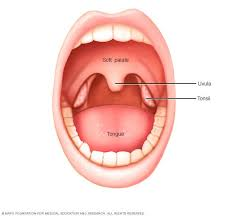
Long before HPV was identified as a major driver of tonsil cancer, tobacco smoking and heavy alcohol use were the primary risk factors, and they remain significant, particularly for HPV-negative cases.
- Tobacco smoke contains carcinogens that directly damage the cells lining the throat and mouth
- Alcohol acts as a solvent, helping carcinogens penetrate tissue, and also causes direct cellular damage
- The combination of smoking and heavy drinking multiplies risk significantly, more than either factor alone
Traditionally, oropharyngeal and tonsil cancers were attributed to smoking and alcohol misuse, with the former remaining an independent indicator of poor prognosis.
Other Risk Factors
- Age, Tonsil cancer most commonly affects adults over 45, though HPV-related cases are appearing in younger patients
- Male sex, Men are diagnosed at significantly higher rates than women, partly driven by HPV transmission patterns
- Weakened immune system, People with HIV/AIDS or those taking immunosuppressant medications face elevated risk
- Diet, Low intake of fruits and vegetables has been associated with increased head and neck cancer risk in some studies
Signs and Symptoms of Tonsil Cancer
One of the challenges with tonsil cancer is that early-stage tumors often produce symptoms that are easy to dismiss or attribute to something else. Knowing what to watch for, and when to take it seriously, can make a real difference.
Early Warning Signs
The most common early symptom is a sore throat that doesn’t resolve within 2–3 weeks, despite rest and treatment. Other early symptoms include:
- A visible lump or asymmetry in the throat, one tonsil noticeably larger than the other
- Pain or difficulty swallowing (dysphagia)
- A persistent earache, particularly on one side, caused by referred pain from the throat
- A lump in the neck, often an enlarged lymph node, which can be one of the first signs that cancer has spread to nearby nodes
Later-Stage Symptoms
As the disease progresses, symptoms become more pronounced:
- Voice changes or a muffled quality to the voice
- Unexplained weight loss
- Bad breath (halitosis) that doesn’t improve with dental hygiene
- Bleeding from the throat or blood in saliva
When to See a Doctor
Any sore throat, lump in the neck, or difficulty swallowing that persists for more than two to three weeks should prompt a visit to your doctor. The most common symptom of tonsil cancer is a sore throat that won’t go away. This doesn’t mean every persistent sore throat is cancer, the vast majority are not. But it does mean these symptoms deserve evaluation, not watchful waiting at home.
How Is Tonsil Cancer Diagnosed?
If your doctor suspects tonsil cancer, you’ll typically be referred to an ENT specialist (otolaryngologist) or a head and neck surgeon. The diagnostic process involves several steps.
Physical Examination
Your doctor will examine your throat and neck, looking for visible abnormalities in the tonsils and feeling for enlarged lymph nodes. Sometimes a flexible nasopharyngoscope, a thin, flexible camera inserted through the nose, is used to examine the throat more closely.
Imaging
Imaging helps determine the size of any tumor and whether cancer has spread to nearby structures or lymph nodes:
- CT scan (computed tomography), provides detailed cross-sectional images of the neck and throat
- MRI (magnetic resonance imaging), particularly useful for assessing soft tissue involvement
- PET scan (positron emission tomography), helps identify cancer that may have spread to distant sites
Biopsy
The definitive diagnosis requires a biopsy, removing a small sample of tissue from the tonsil or lymph node for laboratory analysis. This can be done under local or general anesthesia depending on the location and size of the suspicious area. The biopsy sample will be tested for p16 (HPV) status, which significantly affects staging and treatment decisions.
Staging
Tonsil cancer is staged from Stage I (early, localized) to Stage IV (advanced, spread to other parts of the body). Crucially, the staging system differs for HPV-positive and HPV-negative tumors, reflecting the fact that HPV-positive tumors behave differently and have better outcomes even at more advanced stages.
Treatment Options for Tonsil Cancer
Treatment depends on the stage of the cancer, HPV status, the patient’s overall health, and individual preferences. Tonsil cancer is typically managed by a multidisciplinary team including an oncologist, radiation oncologist, surgeon, speech therapist, and nutritionist.
Radiation Therapy
Radiation therapy is one of the most widely used treatments for tonsil cancer and can be used as the primary treatment (especially for early-stage or HPV-positive tumors) or after surgery. Modern techniques, including intensity-modulated radiation therapy (IMRT), allow high doses to be delivered precisely to the tumor while sparing surrounding healthy tissue, reducing long-term side effects like dry mouth and difficulty swallowing.
Chemotherapy
Chemotherapy is typically combined with radiation (called chemoradiation) for more advanced tonsil cancers. The most commonly used drug is cisplatin. It sensitizes cancer cells to radiation and can reach any cancer cells that may have spread beyond the primary tumor.
Surgery
Surgery for tonsil cancer has evolved significantly. Traditionally, open surgery on the throat required large incisions and long recoveries. Today, many tumors can be removed using TORS (transoral robotic surgery) or TOLS (transoral laser microsurgery), minimally invasive techniques performed through the mouth, using robotic tools or laser technology. These approaches reduce recovery time, preserve more function, and often achieve excellent outcomes.
Tonsil cancer can be managed by both surgical and oncological approaches, although the optimal treatment regimen remains an area of ongoing research. For HPV-positive tumors in particular, researchers are investigating whether de-escalation of treatment intensity (lower radiation doses or less chemotherapy) can maintain high cure rates while reducing long-term side effects, an active and promising area of clinical trials.
Targeted Therapy and Immunotherapy
For recurrent or metastatic tonsil cancer, targeted therapies (such as cetuximab, which targets EGFR receptors on cancer cells) and immunotherapy drugs (particularly checkpoint inhibitors like pembrolizumab and nivolumab) have become important options. These treatments help the immune system recognize and attack cancer cells.
Survival Rates and Prognosis: What the Data Shows
Survival rates for tonsil cancer have improved meaningfully over the past two decades, driven largely by better treatments and the rising proportion of HPV-positive cases (which carry a better prognosis).
According to data from the National Cancer Institute’s SEER Program, the average 5-year relative survival rate for oropharyngeal cancer (which includes tonsil cancer) is approximately 65–70% for all stages combined, with localized tonsil cancer reaching 80% or higher.
The single biggest prognostic factor is HPV status:
- People with HPV-positive tonsil cancer have a 5-year disease-free survival rate of about 86%
- About 71% of people diagnosed with p16-positive tonsil cancer are alive five years later, according to StatPearls
- HPV-negative tonsil cancer, particularly in smokers, carries a significantly worse prognosis
Stage at diagnosis also matters enormously. Early-stage (I–II) tonsil cancer treated promptly has substantially better outcomes than late-stage disease. The challenge is that tonsil cancer is often caught late, because early symptoms are subtle and commonly attributed to minor throat infections.
It’s important to know that survival statistics come from studies done a few years ago. People diagnosed with tonsil cancer today may have a better prognosis thanks to new treatments. Treatment is improving, and patients should discuss their individual outlook with their care team rather than relying on population-level statistics alone.
Prevention: What Can You Actually Do?
There’s no guaranteed way to prevent tonsil cancer, but several evidence-based steps meaningfully reduce your risk.
Get Vaccinated Against HPV
The HPV vaccine is one of the most powerful cancer prevention tools available. The CDC estimates that 36,400 cancers per year in the United States could have been prevented by the 9-valent HPV vaccine. While the vaccine is most effective when given before sexual debut (routinely recommended for preteens aged 11–12), it is approved for use in people up to age 26, and vaccination can be considered through age 45 based on shared decision-making with a healthcare provider.
HPV vaccination doesn’t just protect against cervical cancer, it protects against the HPV strains most likely to cause oropharyngeal cancers, including tonsil cancer.
Quit Smoking
Smoking remains an independent risk factor for HPV-negative tonsil cancer and significantly worsens outcomes in people who develop any form of the disease. If you smoke, quitting is the single most impactful change you can make for your head and neck cancer risk, as well as your overall health. See practical strategies for quitting smoking.
Limit Alcohol
Heavy alcohol use amplifies the cancer risk associated with tobacco, but even independently contributes to oropharyngeal cancer risk. Keeping alcohol intake within recommended guidelines is a practical risk-reduction step.
Know Your Body
Staying familiar with what’s normal for your throat, and acting promptly when something changes and doesn’t resolve, is perhaps the most actionable prevention strategy of all. Regular dental check-ups often include an oral and throat examination, making them a useful screening opportunity.
Life After Tonsil Cancer: What to Expect
Surviving tonsil cancer often comes with an adjustment period. Treatment can affect swallowing, speech, saliva production, and taste, sometimes temporarily, sometimes long-term. A speech-language pathologist plays a critical role in helping patients recover swallowing function after surgery or radiation.
Nutritional support during and after treatment is essential. Radiation to the throat can reduce appetite and make eating painful; working with a dietitian ensures you’re getting adequate nutrition for recovery.
Mental health support is equally important. A cancer diagnosis and treatment journey affect emotional wellbeing profoundly. Peer support groups, both in-person and online, and professional counseling can make a meaningful difference in quality of life. See our post on managing mental health during cancer treatment for more resources.
After treatment, regular follow-up appointments are essential for monitoring recurrence. Most recurrences happen within the first two to three years, making close monitoring during this window particularly important.
Key Takeaways
- Tonsil cancer is the most common form of oropharyngeal cancer, and its incidence is rising, largely due to HPV (especially HPV type 16), which is now the dominant cause in developed countries.
- The most common early symptom is a sore throat that won’t go away, any throat symptoms persisting beyond 2–3 weeks warrant medical evaluation.
- HPV-positive tonsil cancer carries a significantly better prognosis than HPV-negative disease, with 5-year disease-free survival rates of approximately 86% for HPV-positive patients.
- Treatment options include radiation, chemotherapy, surgery (increasingly robotic/minimally invasive), and, for advanced or recurrent disease, immunotherapy. The best approach is determined by a multidisciplinary team.
- The HPV vaccine is a proven tool for preventing many cases of tonsil and oropharyngeal cancer; quitting smoking and limiting alcohol also meaningfully reduce risk.
Closing: Early Awareness Can Save Lives
Tonsil cancer is a diagnosis no one wants to receive, but the good news is that outcomes have improved substantially, and for HPV-positive patients in particular, the prognosis can be genuinely encouraging. The key is catching it early and getting to an experienced treatment team.
If you’ve had a sore throat, a lump in your neck, or difficulty swallowing that has lasted more than a few weeks, please don’t dismiss it. See your doctor. It’s far more likely to be something minor, but if it isn’t, early diagnosis makes a profound difference. And if you haven’t yet been vaccinated against HPV, talk to your healthcare provider today about whether it’s right for you. Prevention is always the best medicine.