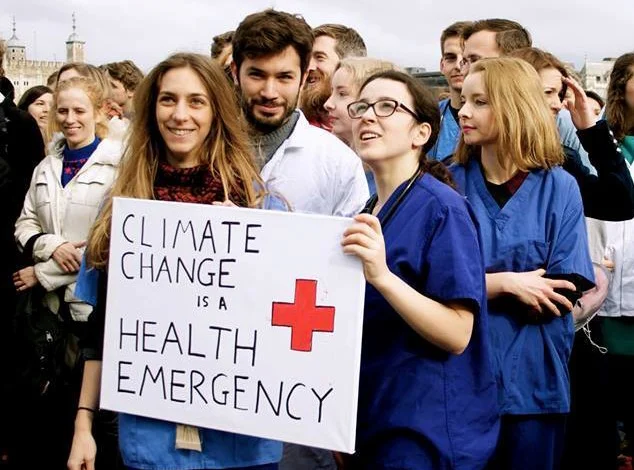

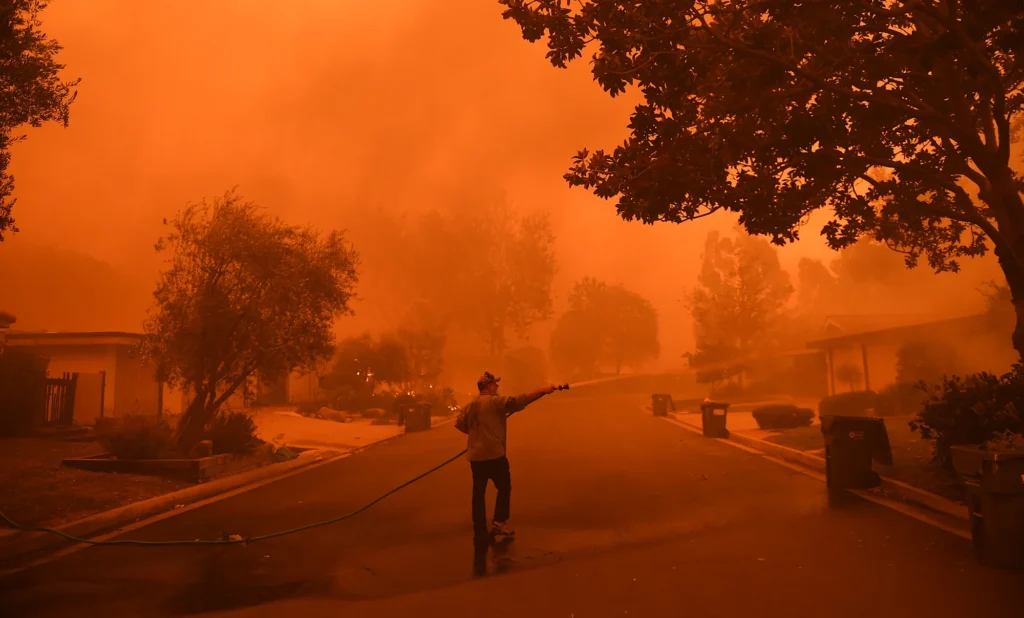
The current ranges of environmental movements that are occurring because of climate change, from wildfires scorching forests, and floods to city drowning, and heatwaves breaking records, consider climate change as a health issue. Expanding rates of asthma and other fatal infectious illnesses are horrifying. This change comes at an extreme cost since it affects our bodies, minds, and future. Comprehending the relationship between climate change and healthcare during this time is of utmost importance for survival.
The connection between climate change and health: Understand the link.
Climate change does not only impact the health of glaciers, it is more deeply rooted than that. It impacts every breath, meal, and heartbeat as well. Air pollution, increasing temperatures, and extreme weather events assaults a plethora of physical and mental issues. It is well known – the WHO claims,’ climate change will result in extra 250,000 deaths per year by the 2030s’ The WHO also mentions that marginalised areas are suffering the most detrimental impacts now. The new normal – more than a billion city dwellers will experience harsh weather extremes for a minimum of one month a year. More than 650 Russians died in 2023 due to extreme temperatures, worldwide 60,000 Europeans lost their lives throughout the year, heat related deaths in Arizona have reached 645, a 700% increase since the year 2014. Like diabetes, heart disease, and kidney failure diabetes, Arizona heat, and a lot of other ailments and deadly diseases are on the rise. Who is mostly at risk you may ask? The elderly, people who do heavy outside labor, and people living in areas with no AC.
Polluted air exacerbates lung damage, with fossil fuels and wildfire smoke causing spikes in respiratory illnesses. One in five deaths globally is caused by air pollution.
- Soaring asthma rates: Children who live in heavily polluted areas of cities are 40% more likely to develop asthma. Increased climate-driven ozone will likely worsen COPD and lung cancer as well.
- Mosquitoes carrying malaria, dengue, and Zika are invading new regions. Europe is now at risk, having had an 85% increase in dengue cases since 2000.
- Loose temperatures in the winter allow ticks to thrive, causing a surge in lyme disease. America has seen a doubling of cases from 1991 to 2018, with Canada reporting a 1000% increase since 2010.
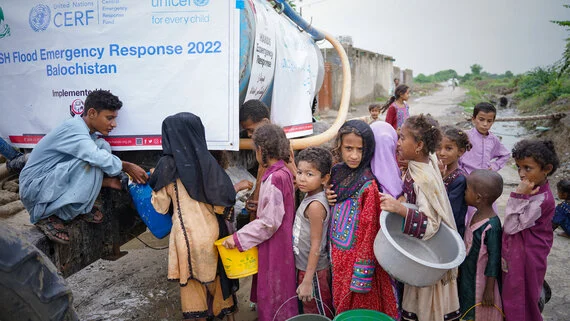
- Waterborne diseases: Rising temperatures and flooding facilitate the spread of cholera, typhoid, and toxic algae blooms.
Western countries are projected to have 24 million more people suffering from malnourishment by 2050 due to climate change destroying essential crops and flooding. Air rich with carbon dioxide lowers the amount of needed parts in crops, like protein and iron in rice, which is set to reduce by 20% by 2100.
“It’s estimated that half the world’s population will live in water-stressed regions by 2025, resulting in conflict and disease.”
Mental Health:
- The Weight of a Warming World Eco-anxiety: It is reported that about 75% of the youth exhibit fear towards the future, owing to climate change. Therapists also note a rise in climate grief and PTSD in some patients post disasters.
- Climate trauma: Most survivors of hurricanes, wildfires and displacement suffer from depression and substance abuse. After Hurrricane Maria, Puerto Rico suffered a 29% rise in suicide cases. Who Pays the Price? The Stark Inequality of Climate Health Risks
- Low-income nations: Africa contributes 3% of the global emissions but suffers the most, accounting for 80% of climate-linked deaths.
- Marginalized communities: Indigenous groups are not the only ones losing food sources. Black Americans sit at the 40% mark of being more likely to live in heat vulnerable areas.
- Children: Children below the age of 5 fell victim to being the brunt of climate related burdens, with over 88% of these diseases reported in this age group.
Fighting Back: Solutions That Heal People and the Planet

- Clean Energy Saves Lives An annual total of 3.6 million deaths caused by air pollution could be stemmed just by replacing coal with renewable resources. Success story: Portugal not only underwent a cut in emissions but also asthma cases, owing to the renewable resources that accounted for 61% of their electricity in 2023.
- Climate-Smart Healthcare The Mirebalais Hospital in Haiti choosing to adopt solar power enabled them to remain operational during disasters. Early warning systems: India’s heat action plans slashed fatalities by 90% in Ahmedabad.
- Nature as Medicine Urban green spaces have the potential to lower depression rates, filter the air and reduce heat at the same time.
London’s “sponge cities” put into use greenery with the dual goal of capturing rainwater and cooling down the streets.
The fact that plant-based diets reduce both carbon emissions and heart disease is exquisite in every sense.
Policy as Prevention
With the U.S. Inflation Reduction Act, there is an investment of $3 billion to resolve the issue of urban heat islands. With their COP28 Health Declaration, the WHO encouraged member states to act on the health aspects of climate mitigation planning.
FAQs: Your Questions About Climate Health Addressed
Q: Is there anything I can do to help mitigate the risks posed to my climate health?
A: Indeed! Take the subway or a bus instead of driving, consume less meat, and lobby for green legislation. While individual steps have an impact, fundamental social change is crucial.
Q: Does the recent rise in global temperatures make winters safer?
A: Absolutely not. Increased temperatures leads to a higher chance of tick born diseases and increased frequency of volatile weather. Ecosystems as well as agriculture are disrupted by “season creep.”
Q: What’s the best approach to deal with anxieties around climate change?
A: Get involved with community climate change organizations, reduce the time spent intensely scanning social media, and take productive measures. Eco-distress needs to be addressed involves therapy.
The Bottom Line: Poor mental health attributed to climate disasters can reshape societies.
Not tackling climate change is the main health issue we will face this century, and not letting it happen is our greatest opportunity. The closing down of coal power plants, planting of trees, and building of climate-resilient primary care units will not only prevent polar bears from going extinct, but also reduce the rate of respiratory problems, child mortality, and suicide attempts.
Your Prescription for a Healthier Future:
- If you want a future with less carbon emissions, reduce voting for candidates who do not take health and clean energy seriously.
- Adopt a more eco-friendly approach: Exercise by cycling, reduce food wastage, and withdraw investment from fossil fuel companies.
- Advocate for justice: Support actions that shield frontline communities from disasters.
ALSO READ MORE HEALTH ARTICLES FROM CHIID HEALTH