
Explore the explosive debate on smoking bans. We analyze the lifesaving benefits vs. personal liberty arguments, with evidence on health, economics, and enforcement.
Introduction: Lighting the Fuse on a Global Health Dilemma

The move to outlaw tobacco sales entirely—an idea once considered radical—is gaining mainstream political traction. As countries like New Zealand pioneer laws that phase out legal cigarette sales, the global debate intensifies between two powerful visions of society. On one side is a powerful public health imperative, a drive to eliminate the leading cause of preventable death and its staggering human and economic toll. On the other is a fierce defense of personal liberty and a wariness of prohibition’s unintended consequences. Is a smoking ban a lifesaving intervention of unprecedented scale or a well-intentioned overreach destined to fail? This article dives into the heart of this explosive debate, weighing the compelling evidence on both sides to separate persuasive rhetoric from proven reality.
The Case for a Ban: A Tsunami of Public Health and Societal Benefits
Proponents of a comprehensive smoking ban argue it represents the single most effective step a government can take to improve the nation’s health and wealth. The arguments extend far beyond individual choice, painting a picture of broad societal transformation.
A Historic Lifesaving Intervention
The core argument is devastatingly simple: tobacco kills, and a ban would save lives. In the UK, tobacco is the single biggest cause of preventable illness and death. In the United States, cigarette smoking causes over 480,000 deaths annually, including 41,000 deaths from secondhand smoke. A total ban is framed as the logical, if drastic, conclusion to decades of public health evidence.
The potential impact is monumental. Research suggests preventing smoking initiation in young people could avert numerous cancers and represents the “biggest public health intervention in a generation”. A 2021 study on Argentina’s public smoking bans found that comprehensive “full bans reduce national smoking prevalence over time”, particularly among younger people. This points to a ban’s power to protect future generations from ever starting.
Economic Relief and Breaking the Poverty Cycle
The financial argument for a ban is two-fold: it reduces colossal costs and alleviates personal poverty.
Nationally, the burden is astronomical. In the U.S., cigarette smoking cost over $600 billion in 2018 in healthcare spending and lost productivity. In England, smoking-related illnesses cost the NHS £17 billion annually. A ban would steadily eradicate these costs.
Individually, smoking entrenches inequality. Research shows it places a disproportionate burden on disadvantaged communities. The average smoker in England’s North East spends over 10% of their income on tobacco, plunging families into deeper hardship. Banning smoking is argued to be a direct tool for poverty alleviation, freeing up household income for essentials.
The Overlooked Victim: The Environment
The environmental case against tobacco is strong and multifaceted. Cigarette manufacturing consumes vast resources and contributes to deforestation. Post-consumption, cigarette butts are a top source of global plastic pollution, leaching toxic chemicals into soil and water for years. Furthermore, smoking contributes to air pollution. A ban would instantly eliminate this stream of environmental damage, creating cleaner public spaces and ecosystems.
Protection for the Innocent: Eliminating Secondhand Smoke
This is a cornerstone of the public health argument. There is no safe level of exposure to secondhand smoke, which causes stroke, lung cancer, and heart disease in adults and severe health issues in children. Comprehensive bans are proven to work. Argentina’s experience showed full bans “are associated with a significant reduction in environmental tobacco smoke exposure” for non-smokers. A ban transforms the right to breathe clean air from a hopeful expectation into a guaranteed reality.
Dispelling the Economic Fear: Evidence from the Front Lines

A common objection is that bans cripple hospitality businesses. However, empirical evidence consistently refutes this. A landmark study in Lexington, Kentucky—a heartland of U.S. tobacco production—found that after a comprehensive smoke-free law, restaurant employment actually increased by approximately 3%, and there was no significant effect on bar employment or business closures. This finding, echoed in studies from New York to El Paso, confirms that smoke-free policies do not cause the economic harm their opponents predict.
Table: Documented Impacts of Comprehensive Smoking Bans
| Area of Impact | Documented Effect | Key Supporting Evidence |
|---|---|---|
| Public Health | Reduces smoking prevalence over time, especially in youth. | Argentina study showing full bans lower national smoking rates. |
| Secondhand Smoke | Dramatically reduces non-smoker exposure to toxic fumes. | Significant decline in ETS exposure linked to full public bans. |
| Economic (Business) | No negative impact on restaurant/bar employment or closures. | Study in tobacco-growing Kentucky showed stable or increased employment. |
| Economic (Personal) | Frees up significant household income, fighting poverty. | Smokers in deprived UK areas spend >10% of income on tobacco. |
The Case Against a Ban: Liberty, Practicality, and Unintended Consequences
Opponents of a total ban challenge it on philosophical, practical, and evidential grounds, warning of a cure that may be worse than the disease.
The Slippery Slope of Personal Liberty
The most principled opposition centers on autonomy. Critics argue that in a free society, competent adults have the right to make personal lifestyle choices, even harmful ones, provided they do not directly injure others. They view smoking bans as paternalistic overreach, a violation of the “harm principle” that sets a dangerous precedent for government control over other personal behaviors.
This sentiment is powerfully summarized by the smokers’ group Forest, which argues that “smokers are the canaries for civil liberties”. The fear is that today’s tobacco ban becomes tomorrow’s restriction on sugar, alcohol, or other deemed vices, fundamentally altering the relationship between the state and the individual.
Fueling the Black Market and Crime
A primary practical concern is that prohibition never eliminates demand; it merely drives consumption underground. Simon Clark of Forest warns that “creeping prohibition… will simply drive the sale of tobacco underground”. The World Health Organization estimates 1 in 10 cigarettes globally is illicit, a trade linked to organized crime and lost tax revenue.
The tobacco industry has long argued that stricter regulations like plain packaging will exacerbate this problem. However, counter-evidence from Australia, a pioneer in plain packaging, shows that illicit tobacco market rates did not increase post-implementation, and enforcement remained key. Still, the risk of creating a vast new illegal market remains a central critique of a full ban.
The Peril of “Partial Bans” and Behavioral Shifts
Not all bans are equal, and some evidence suggests poorly designed policies can backfire. The Argentina study revealed a critical distinction: while full bans reduced prevalence, partial bans (allowing smoking in designated areas) had no impact on prevalence and actually increased smoking intensity among daily smokers. Researchers theorize this could be due to concentrated peer effects in designated smoking areas. This finding warns that half-measures may not only fail but potentially worsen habits among existing smokers.
The Loss of Tax Revenue: A Fiscal Hole
Tobacco taxation is a significant revenue stream for governments. In the UK, it raises over £8.8 billion per year for the Treasury. While this is offset by smoking-related healthcare costs, the immediate fiscal gap from a ban would be substantial. Some argue that smokers, by often dying prematurely, save the state money on long-term pension and elderly care costs. Regardless of this macabre accounting, replacing billions in lost revenue would pose a major challenge.
The Question of Effectiveness and Enforcement
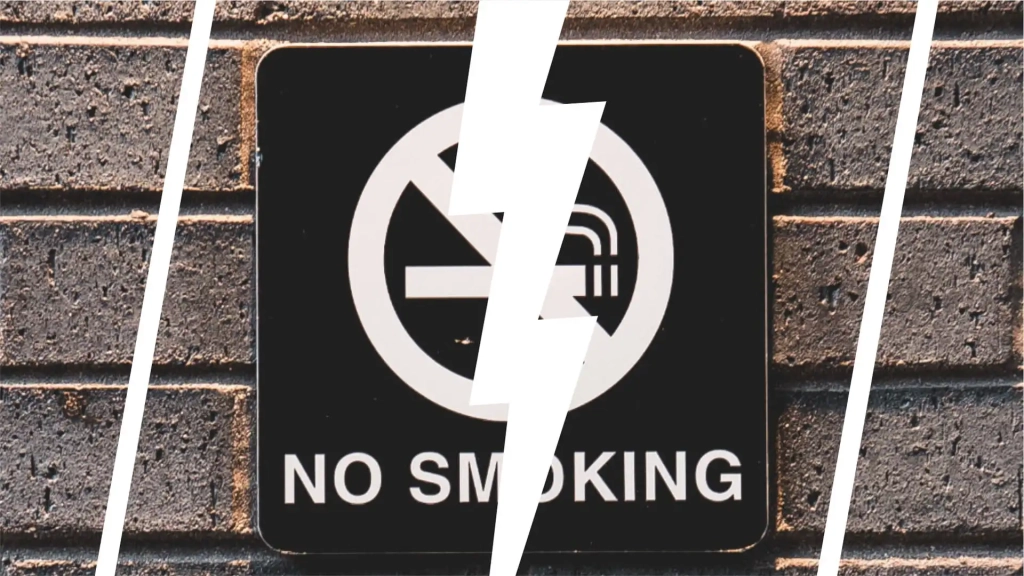
Skeptics question whether a ban would truly work. Critics argue that determined smokers will find a way, leading to unenforceable laws that breed disrespect for the legal system. They also warn of displacement effects, where bans in public places simply shift smoking to private homes, potentially increasing children’s exposure to secondhand smoke. Enforcing a ban on a highly addictive product used by millions would require immense resources and could lead to disproportionate policing of marginalized communities.
Navigating the Gray Area: Critical FAQs on Smoking Bans
Would a smoking ban really work to reduce smoking?
Evidence from countries and regions with comprehensive bans suggests yes, particularly in preventing youth uptake. Argentina’s experience shows full public bans reduce prevalence over time. Post-implementation data from Australia on plain packaging—a restrictive measure—also shows it contributed to a decline in smoking rates. The effect is not instantaneous but works over years by denormalizing smoking and preventing initiation.
Doesn’t the tobacco industry claim bans lead to more illicit trade?
The industry consistently argues this, but its evidence has been widely criticized. In Australia, official data showed the illicit tobacco market did not grow after plain packaging was introduced. Experts argue illicit trade is driven more by price and enforcement than pack design or availability. Furthermore, the tobacco industry itself has a history of complicity in the illicit market.
What about the economic impact on bars, restaurants, and jobs?
Multiple peer-reviewed studies, including one in a major tobacco-growing state, find no evidence of net job losses or business closures due to comprehensive smoke-free laws. Restaurant employment in Lexington, Kentucky, increased after its ban. Money not spent on cigarettes is spent elsewhere in the economy, creating different jobs.
Is this a “slippery slope” to banning other things?
Tobacco is a uniquely harmful product. It is the only consumer good that kills up to half its users when used exactly as intended and has no safe level of exposure. The World Health Organization’s Framework Convention on Tobacco Control treats it as a singular public health threat. This unique lethality is the justification for unique measures like bans, which are not proposed for other legal products.
How does this connect to overall health?
The link is direct and profound. Smoking damages nearly every organ, causing cancer, heart disease, stroke, and diabetes. By preventing this root cause of disease, a smoking ban would have a ripple effect, reducing the burden across entire healthcare systems. This aligns with a holistic view of health, where oral health is intrinsically linked to whole-body wellness and avoiding toxins like tobacco is foundational.
Conclusion: Beyond the Impasse – A Path Forward?

The debate over banning smoking is a profound clash of values: collective health versus individual liberty, definitive action versus fear of unintended consequences. The evidence for the public health benefits is overwhelming and stark, from saving lives and billions in costs to protecting children and the environment. Yet, the concerns over personal freedom, black markets, and enforceability are not easily dismissed.
Perhaps the path forward lies not in viewing a ban as a single, binary policy, but as the most definitive step within a broader spectrum of proven interventions. These include high taxation, graphic warnings, public education campaigns like the CDC’s Tips From Former Smokers, and providing robust cessation support. As the research from Argentina crucially shows, the design of the policy is paramount: only comprehensive, full bans deliver the desired reduction in smoking prevalence.
The ultimate question may be whether society decides that the right to sell a product designed to addict and kill ultimately outweighs the government’s duty to protect the health of its citizens. As this debate continues to evolve, one thing remains clear: the status quo of tobacco-caused death and disease is a choice too, and its costs are measured in millions of lives.